Newsletters


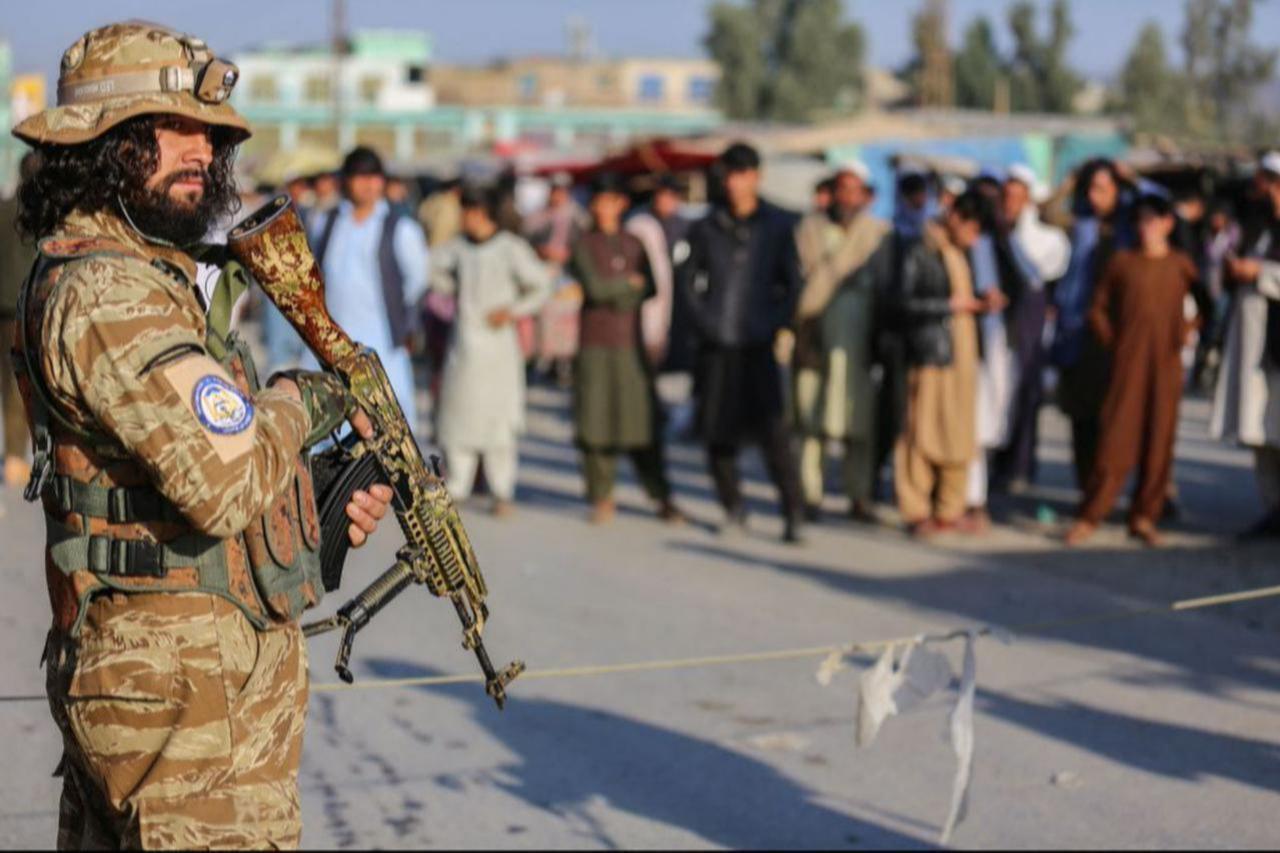


Nearly five years after returning to power, the Taliban are no longer merely an insurgent movement that seized control of a fractured state. They are constructing a rigid governing order centered on surveillance, social regulation, and the systematic restriction of basic freedoms.
What initially appeared to some external observers as an effort to consolidate political authority has steadily evolved into a broader attempt to reshape Afghan society through pressure, conformity, and centralized religious control.
This transformation carries consequences extending far beyond Afghanistan itself. The collapse of civil liberties, exclusion of women from public life and suppression of pluralism are not simply domestic governance concerns.
They directly affect long-term regional stability, humanitarian conditions, migration pressures and the future trajectory of extremism across South and Central Asia.
Despite repeated Taliban efforts to secure international legitimacy, conditions inside Afghanistan continue to move in the opposite direction.
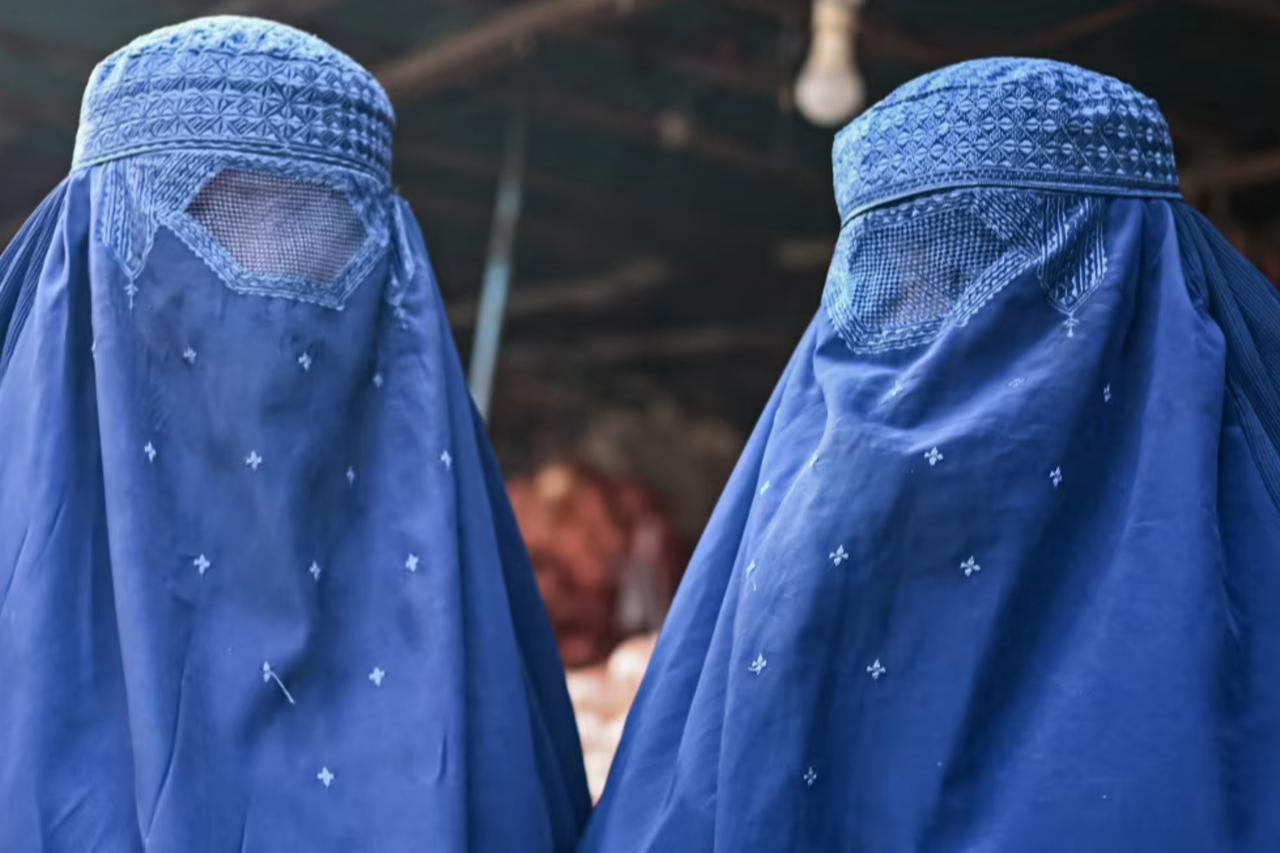

The Taliban’s restrictions on women now represent one of the most extensive systems of gender exclusion in the modern world. Since 2021, according to UNESCO, more than 2.2 million Afghan girls and women have been denied access to secondary and higher education.
The prohibition on education for girls beyond grade six has now entered its fifth consecutive year in 2026, creating consequences that will shape Afghanistan’s economic and social future for decades.
The restrictions extend well beyond education.
Women have steadily disappeared from large sectors of public employment, including government institutions and civil administration. Female participation in economic life has been constrained through restrictions on mobility, employment, and public interaction.
Even international institutions have become targets of Taliban policies. Afghan women, including United Nations staff members, contractors and visitors, have been barred from entering U.N. compounds nationwide for more than 205 consecutive days by March 2026.
The mechanisms enforcing these policies have become increasingly intrusive. Inspectors from the Ministry for the Propagation of Virtue and the Prevention of Vice actively monitor women’s clothing, movement and behavior in public spaces.
In Herat, women were reportedly removed from taxis and buses on Jan. 11 and Feb. 12, 2026, for allegedly failing to wear Taliban-approved chadors.
Health care restrictions further demonstrate the extent of state control over women’s daily lives. Authorities in Kandahar, Paktya and Uruzgan reportedly instructed health centers not to treat women unless they are accompanied by a male guardian, or mahram.
Female health care workers themselves were ordered to travel only with male escorts.
Economic activity has likewise become heavily constrained. In Uruzgan and Ghazni, Taliban inspectors ordered shopkeepers not to sell goods to women unless they were accompanied by a mahram and wearing Taliban-approved hijab.
In Kandahar, real estate agents were instructed not to rent property independently to women, further weakening female economic autonomy.
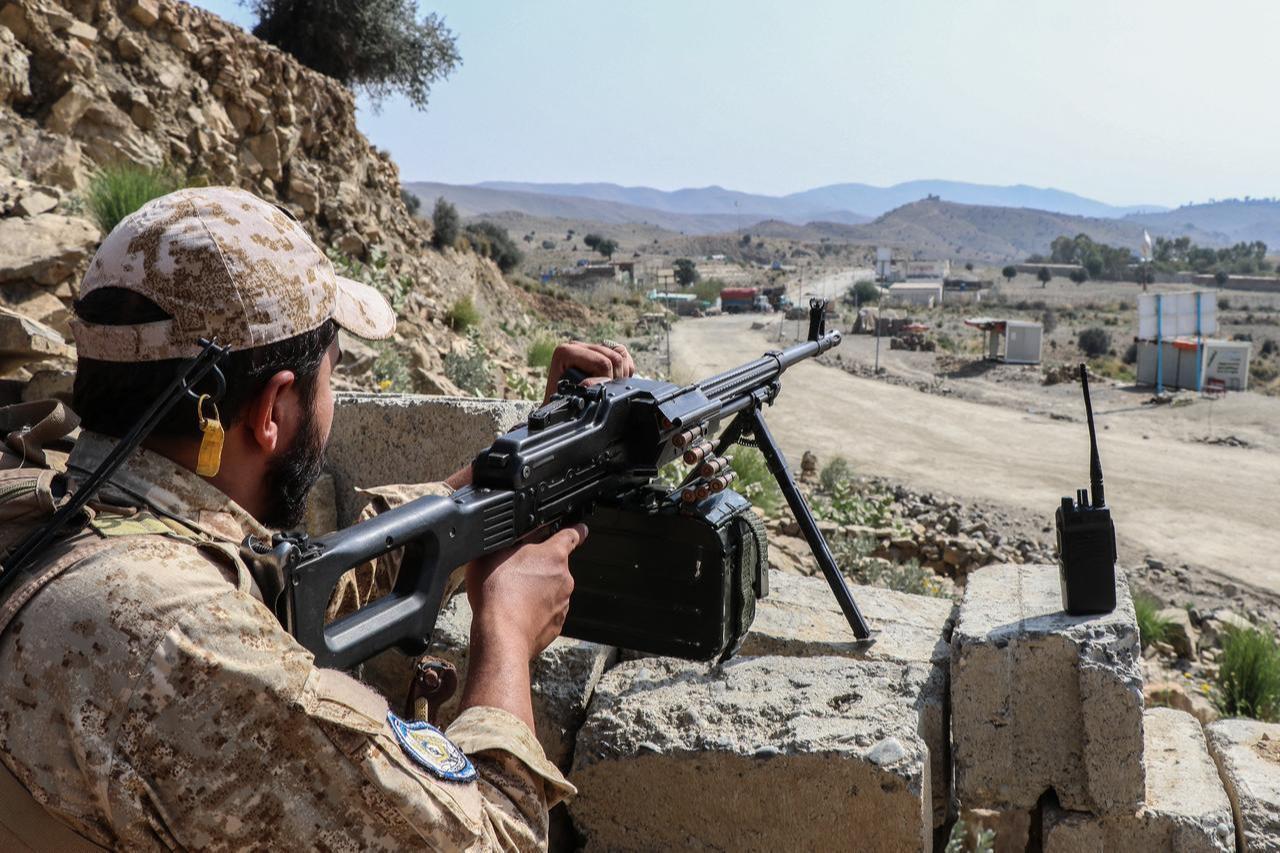
The Taliban’s governing model increasingly relies on mechanisms designed to regulate both public and private life. Between Jan. 1 and March 31, 2026 alone, Taliban authorities reportedly carried out at least 336 arbitrary arrests and detentions alongside 59 incidents of ill-treatment targeting Afghan men and women.
Citizens are routinely monitored for dress, fasting practices, social interaction and perceived moral conduct. The Ministry for the Propagation of Virtue and the Prevention of Vice has evolved into a nationwide apparatus with expanding authority over everyday life.
Religious observance has come under active state monitoring. During Ramadan between Feb. 17 and March 18, 2026, Taliban inspectors reportedly monitored mosque attendance and fasting compliance.
The broader objective appears increasingly clear: the state is not only attempting to enforce religious norms, but it is trying to regulate social behavior and public morality through coercive oversight.
The Taliban’s intervention into cultural life reflects the same pattern. On Feb. 14, 2026, Taliban officials targeted flower shops to discourage Valentine’s Day celebrations.
On March 21, Taliban authorities publicly warned citizens against celebrating Nowruz, the Persian New Year observed across much of the region.
The result is a society where ordinary social behavior is increasingly politicized and regulated through the threat of punishment.
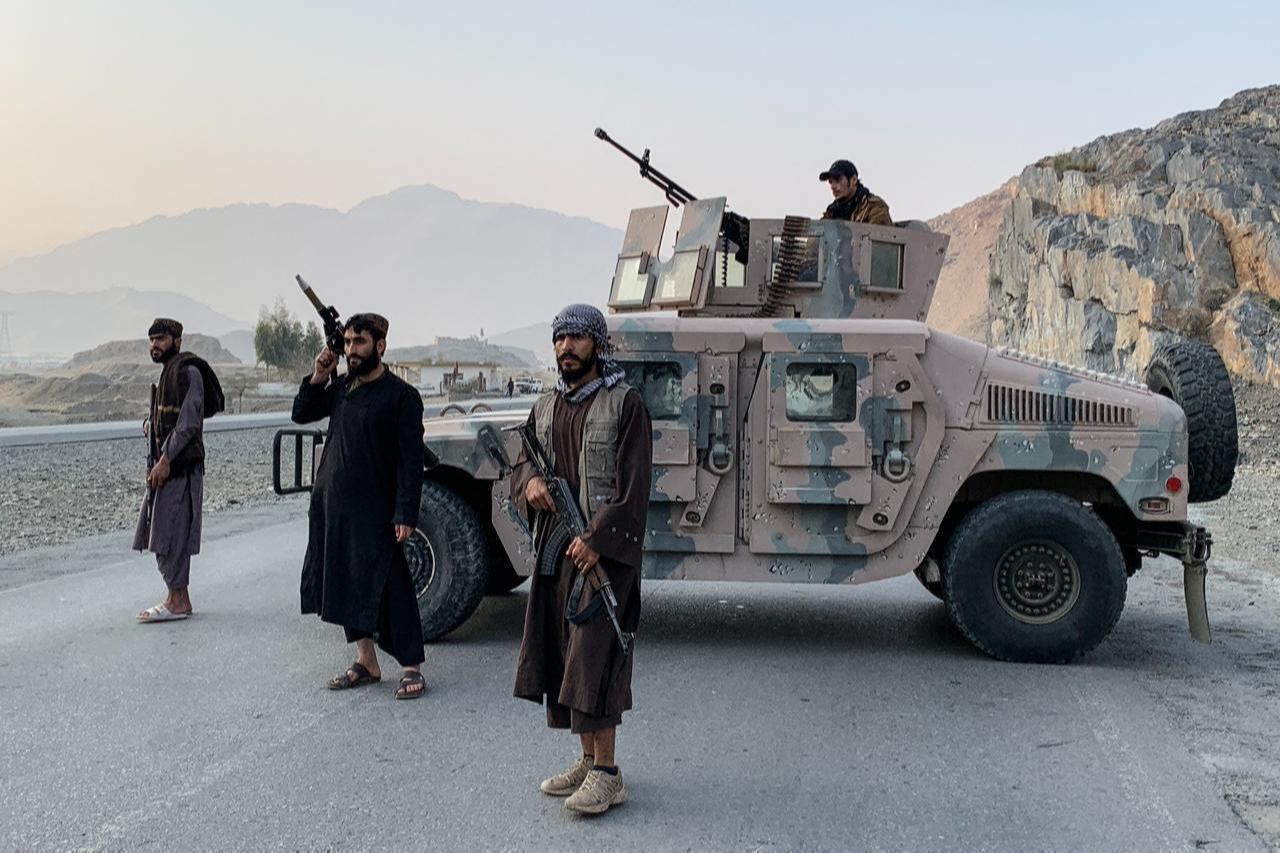
One of the most significant developments under Taliban rule is the gradual formalization of restrictions through legal and judicial decrees. What initially emerged through arbitrary practices is increasingly being institutionalized through codified controls.
Under Decree No. 12 on Criminal Rules of Courts, circulated by the Taliban Supreme Court on Jan. 7, 2026, women can reportedly face imprisonment for remaining outside their husband’s home without permission. Relatives who refuse to force women back into those homes may themselves be jailed for up to three months.
The decree also institutionalizes sectarian hierarchy. It describes alternative beliefs as “heretical” while positioning its own doctrine at the center. Such provisions reveal the increasingly sectarian character of Taliban governance and raise growing concerns among Afghanistan’s minority communities.
Criticism of Taliban authorities and their interpretation of Islamic law has likewise been criminalized. Insulting an imam is punishable by 39 lashes and one year of imprisonment, while insulting Taliban leaders carries penalties including prison terms and corporal punishment.
Failure to report meetings involving alleged “opponents of the government” can reportedly result in two years’ imprisonment.
The implementation of these punishments also reflects unequal social enforcement. Clerics and elites often receive warnings or admonishments, while lower- and middle-class individuals face lashings, detention and imprisonment.
The Taliban justice system itself increasingly relies on corporal punishment as a visible instrument of control. At least 312 individuals, including 269 men, 39 women and four boys, were reportedly subjected to corporal punishment during the reporting period.
In Bagram district on Feb. 5, 2026, Taliban courts ordered five men and three women to receive 39 lashes each inside a school premises over alleged “illicit relationships,” with several additionally sentenced to prison terms.
These punishments are designed not only to penalize individuals, but also to reinforce compliance through public intimidation.
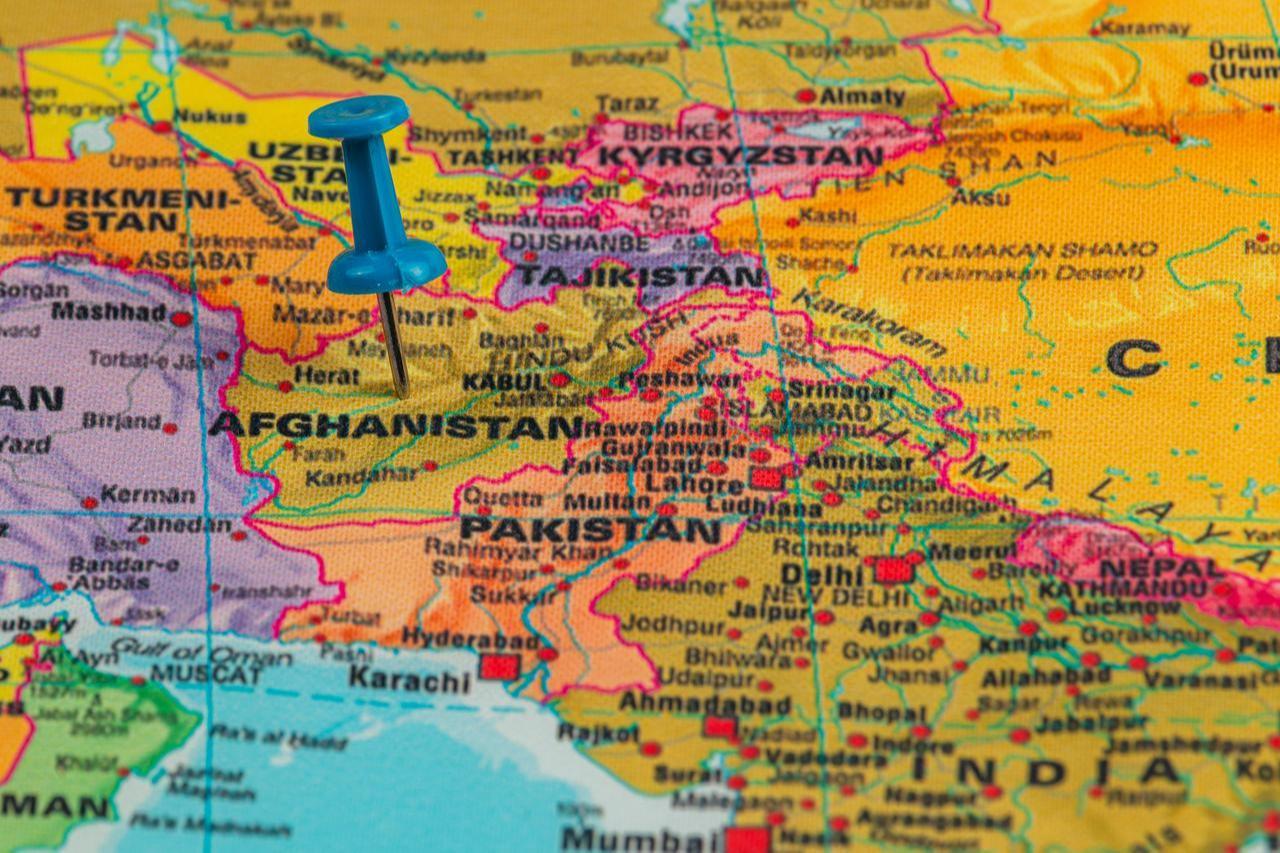
Independent journalism in Afghanistan has undergone systematic dismantling since the Taliban takeover. Media organizations operate under constant threat of suspension, censorship and retaliation, while journalists increasingly face detention, intimidation and exile.
On Jan. 26, 2026, the Taliban Ministry of Information and Culture revoked the licenses of all media support organizations except three. A month later, Rah-e-Farda TV was suspended after its head criticized Taliban policies publicly.
On March 3, Khushal Private Radio was suspended because female students spoke with a male host during a live broadcast.
No transparent legal mechanism exists to challenge or appeal such suspensions.
Female journalists have nearly disappeared from the Afghan media landscape altogether. Hundreds of journalists have fled the country fearing arrest or persecution, while more than half of Afghanistan’s media outlets have reportedly shut down since the Taliban’s return to power.
The destruction of independent journalism has created a controlled information environment dominated by censorship, propaganda and enforced silence. Public criticism has become dangerous, civil society organizations have weakened dramatically and political dissent has effectively been criminalized.
Former Afghan government officials and members of the Afghan National Defense and Security Forces continue facing retaliation despite Taliban promises of amnesty following the 2021 takeover.
Reports during the current reporting period documented at least 23 arbitrary arrests and detentions, nine incidents of torture and ill-treatment and at least five killings involving former Afghan security personnel.
The Taliban’s promised amnesty increasingly appears to have functioned less as reconciliation and more as a mechanism for identifying and neutralizing former opponents.
 3 min read
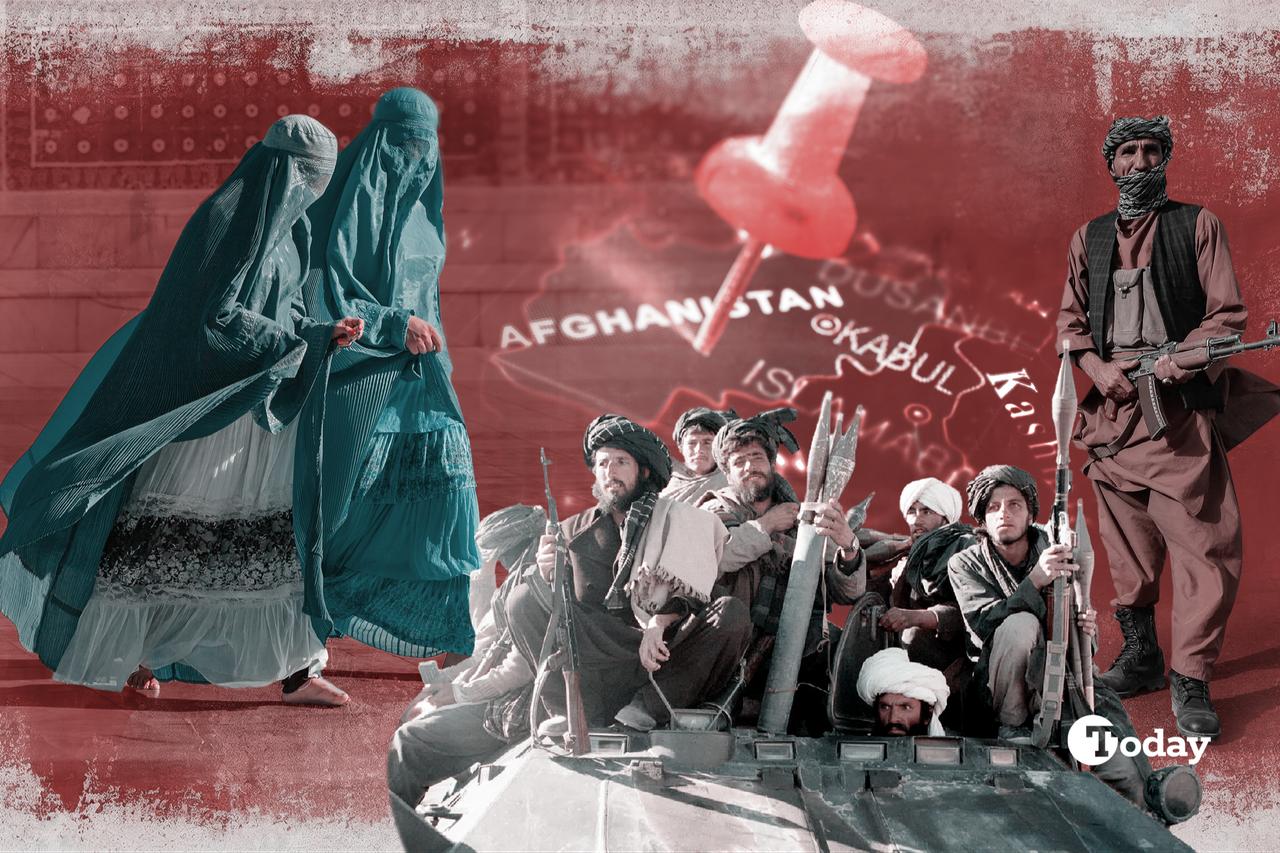
The international debate surrounding Afghanistan has increasingly narrowed to questions of humanitarian aid and diplomatic engagement. Yet, the Taliban’s trajectory carries broader geopolitical and security implications that extend well beyond Afghan borders.
The systematic exclusion of women from education and employment is steadily weakening Afghanistan’s long-term economic viability and institutional capacity.
The erosion of pluralism and suppression of dissent risk creating conditions historically associated with radicalization, underground resistance movements and chronic instability.
Over time, the continued dismantling of independent institutions may deepen state fragility and reduce Afghanistan’s ability to function as a stable political system.
Governance structures built primarily around religious policing rather than institutional legitimacy often struggle to sustain long-term social cohesion and economic resilience.
At the same time, international normalization of Taliban rule without meaningful conditions risks legitimizing a governing model rooted in authoritarian religious control and gender exclusion.
The Taliban continue to seek diplomatic recognition and economic engagement while simultaneously strengthening internal restrictions.
For regional actors, Afghanistan’s trajectory remains closely tied to refugee flows, cross-border militancy and long-term security dynamics across South and Central Asia.
For Washington, Afghanistan’s trajectory also raises longer-term concerns regarding regional instability, extremist safe havens and the strategic consequences of disengagement after the U.S. withdrawal.
The Taliban frequently argue that territorial control and reduced large-scale conflict constitute evidence of stability. But stability imposed through exclusion and centralized coercive control is inherently fragile.
A political system that systematically suppresses women, criminalizes criticism and eliminates civic space may consolidate authority temporarily, but it also deepens social fragmentation and institutional decay.
Afghanistan today increasingly resembles an authoritarian state where fear has replaced political participation and compliance has replaced accountability. Ordinary Afghan life is increasingly shaped not by citizenship, but by enforced obedience.


 Set as preferred source
 Set as preferred source


 1 min read