Newsletters




This article was originally written for Türkiye Today’s bi-weekly Balkans newsletter, BalkanLine, in its Oct. 24 issue. Please make sure you are subscribed to the newsletter by clicking here.
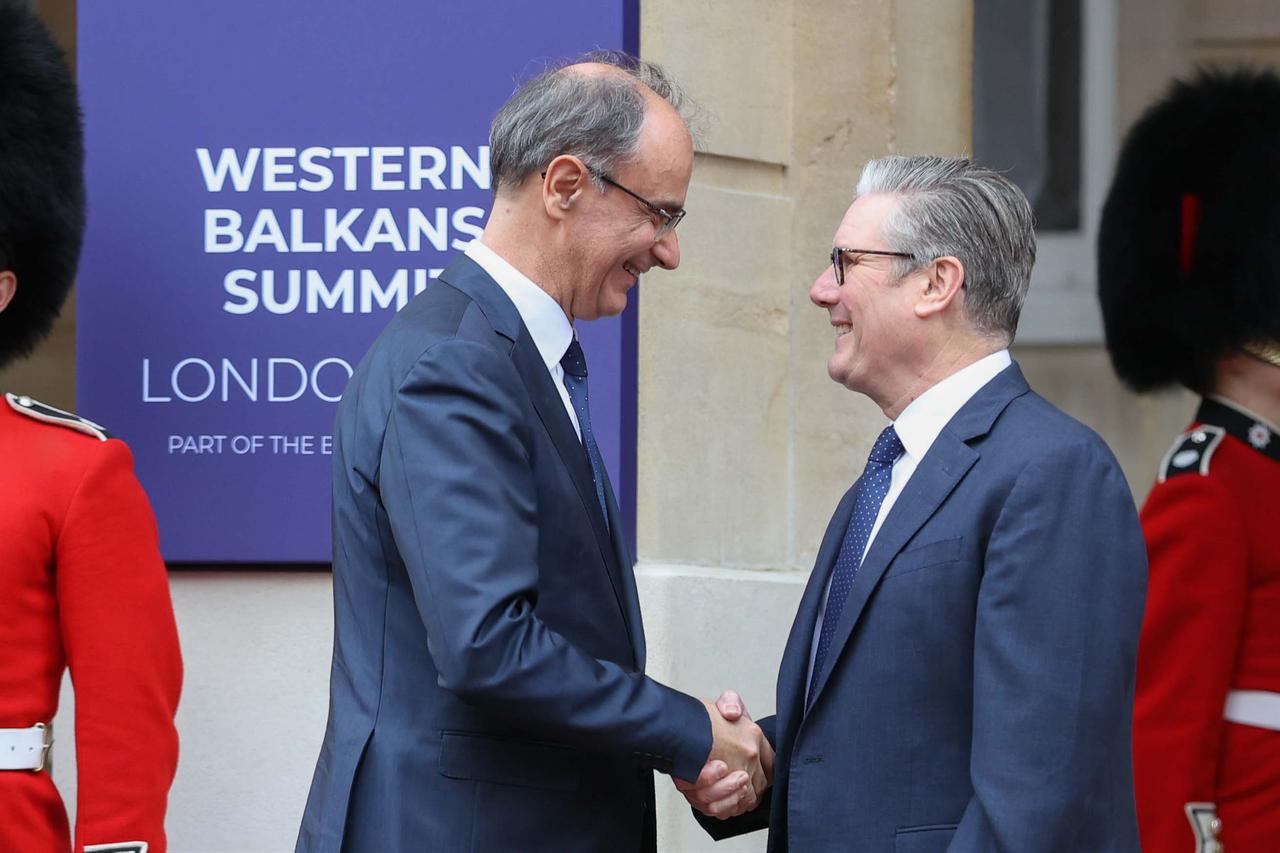
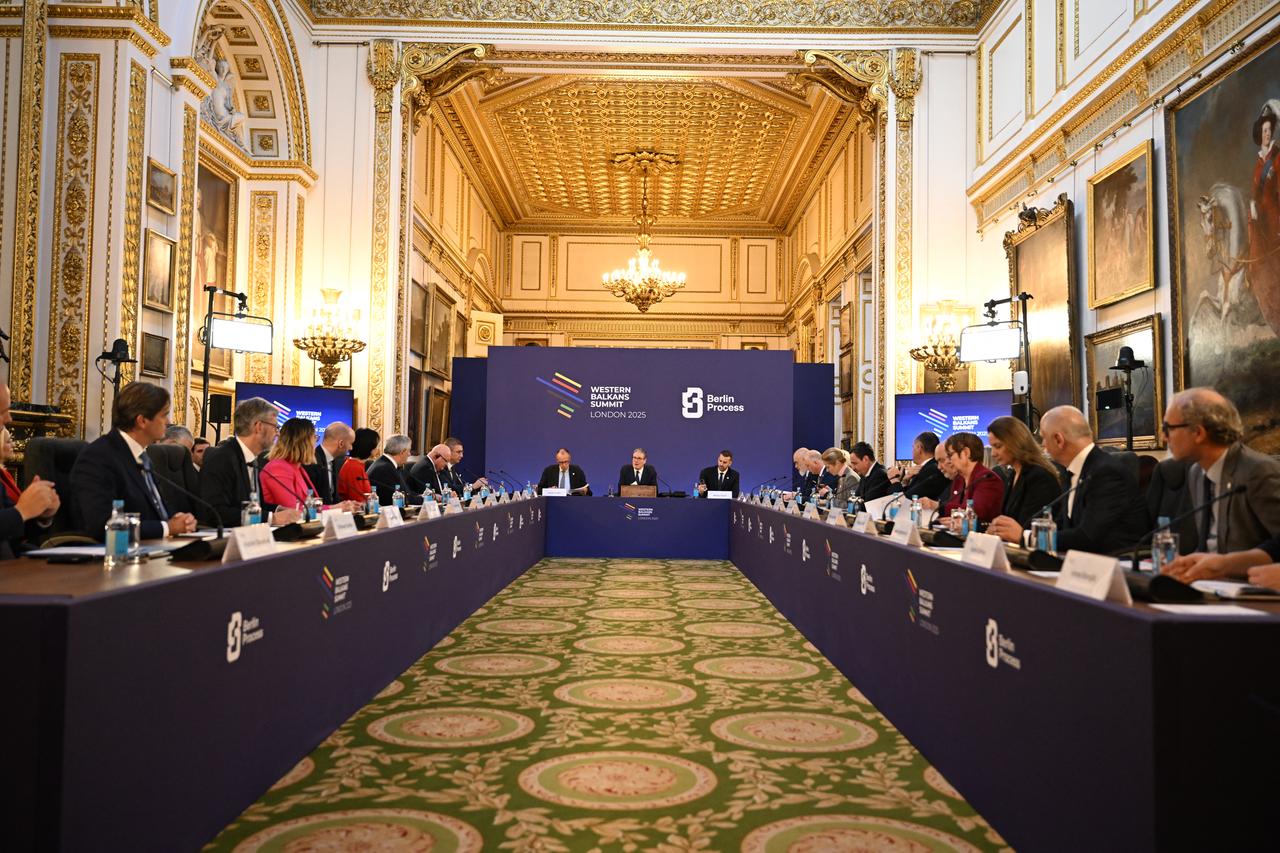
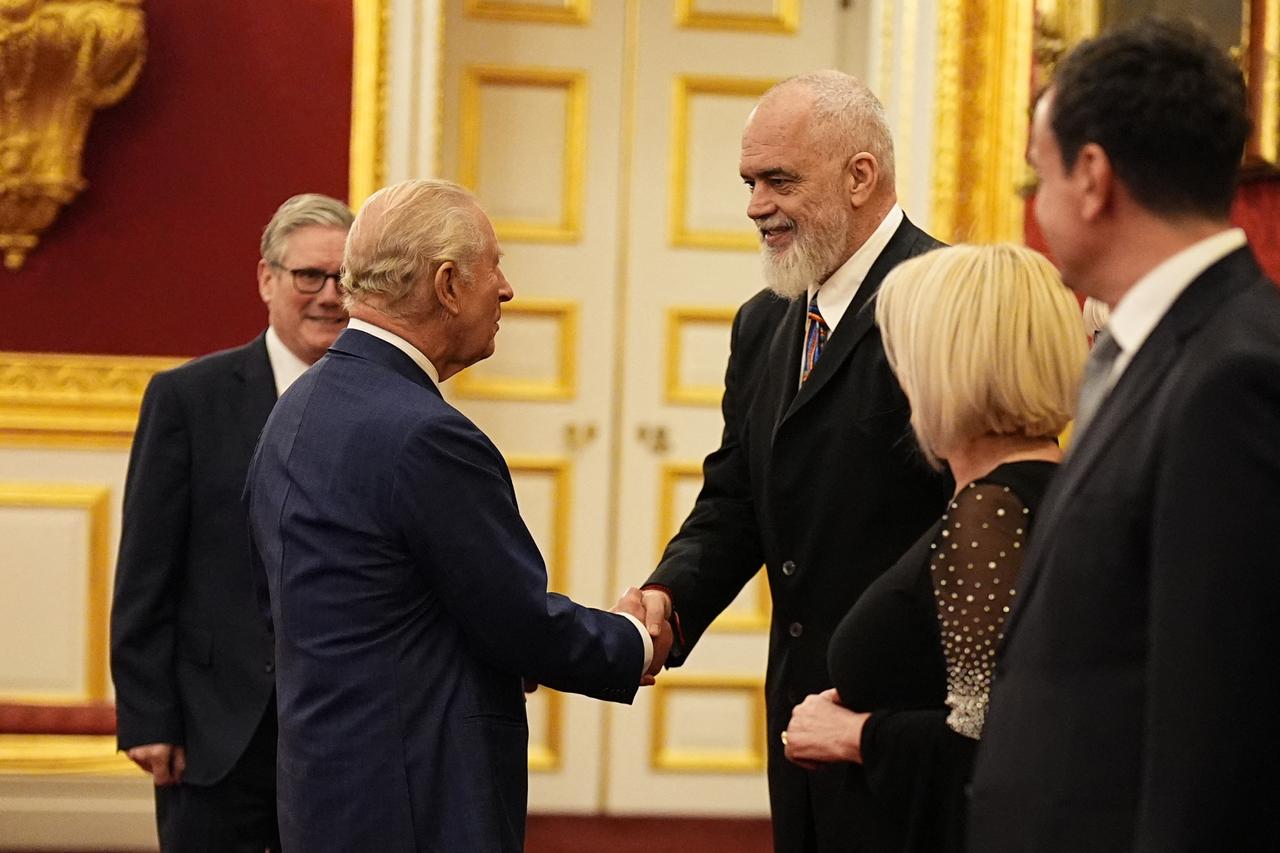
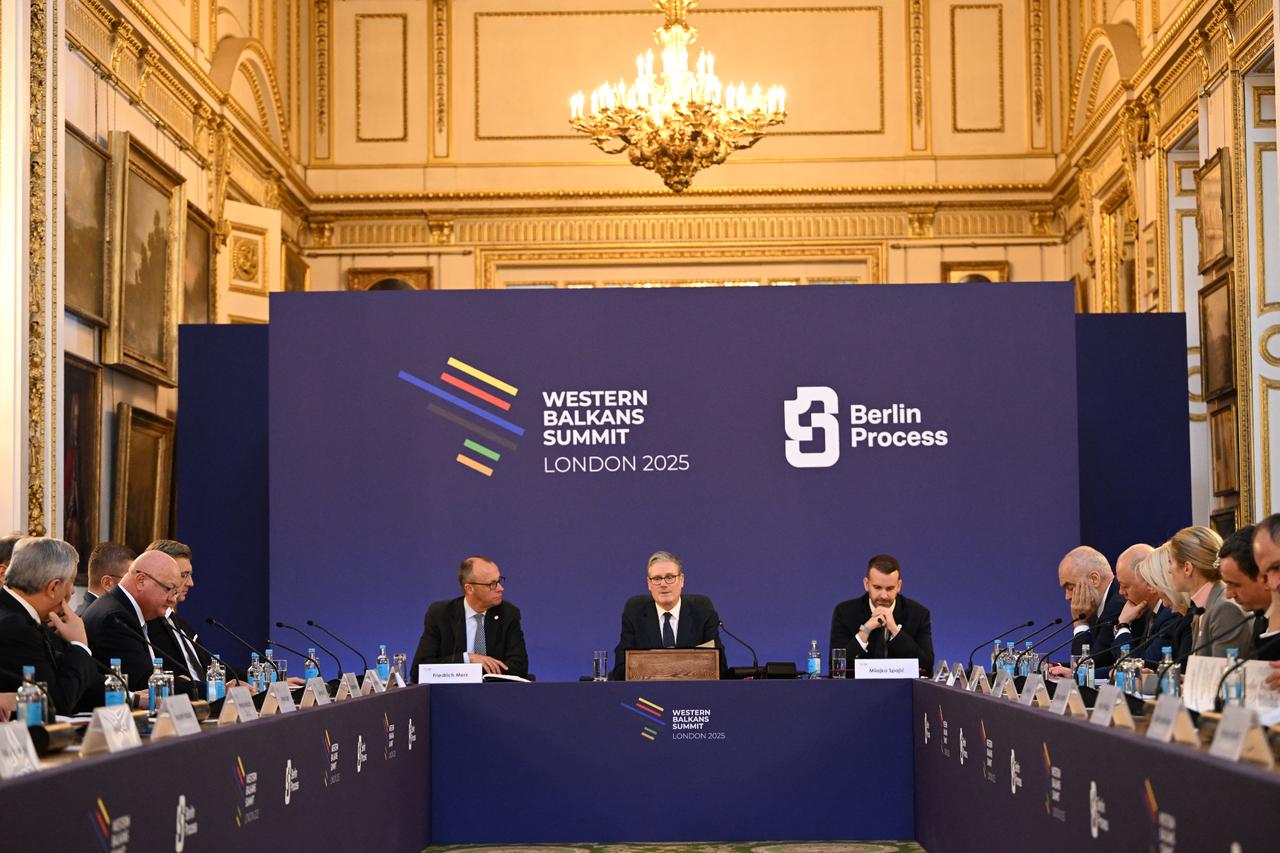
This week's U.K.-hosted Western Balkans Summit in London is ostensibly aimed at bolstering regional cooperation and reaffirming the Western Balkans' journey toward the EU.
However, the dominant undercurrent was the U.K. leveraging the platform to advance its own agenda on irregular migration, pressing the Balkan Six (WB6) for deeper cooperation in managing flows transiting the region.
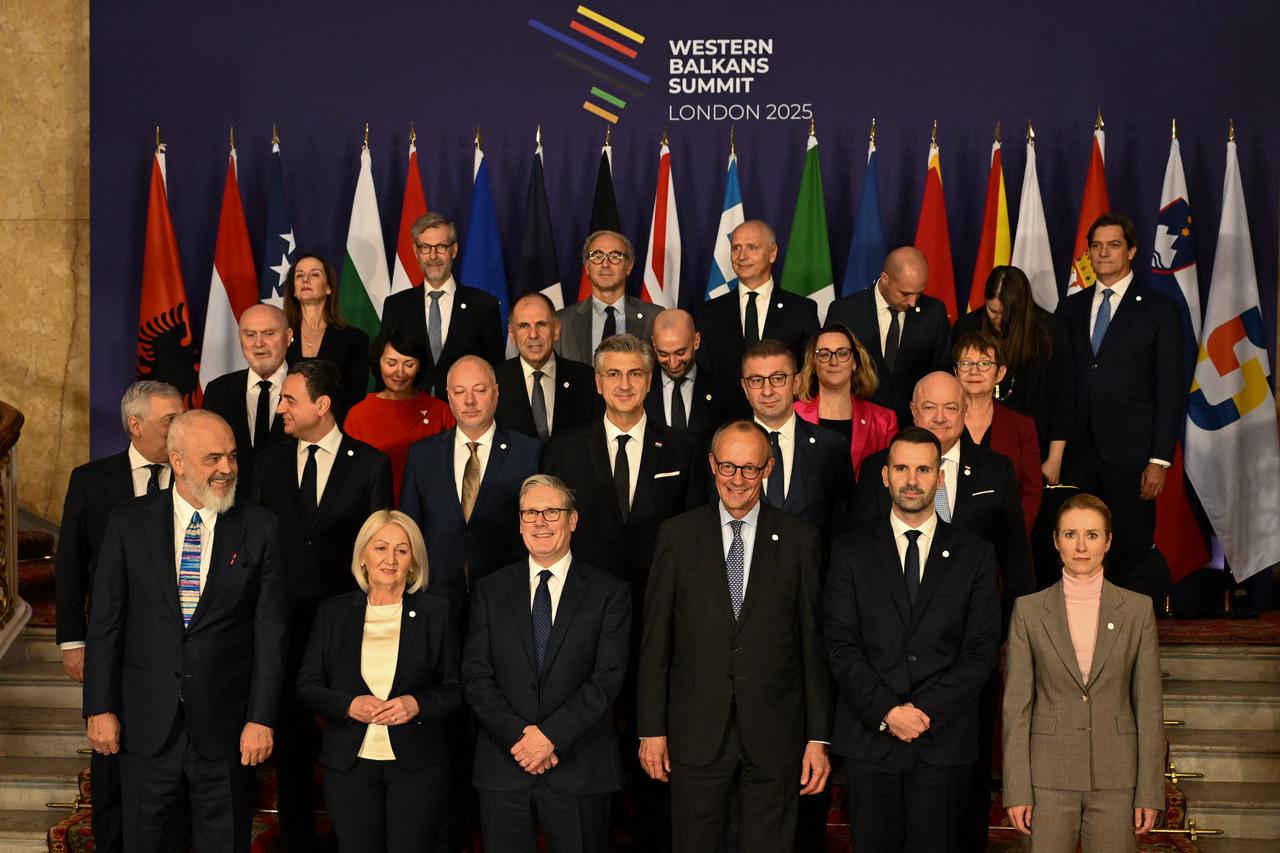
WB6 was represented by the Albanian Prime Minister Edi Rama, Montenegro’s Milojko Spajic, North Macedonia’s Hristijan Mickoski, and Serbia’s Djuro Macut, as well as the Chairwoman of the Council of Ministers of Bosnia and Herzegovina, Borjana Kristo and Kosovo’s Albin Kurti.
While concrete steps like adding Serbia and Montenegro to a joint task force were agreed upon, the episode starkly illuminates the precarious position: caught between sluggish EU accession, significant internal challenges, and external pressures to act as Europe's buffer zone.
To grasp how dangerous the U.K.'s migration push is for the region, I need to touch on a few points about the Balkans.

The Western Balkans is far more than just a transit corridor for migrants heading north. The region grapples with its own complex migration realities, including significant brain drain depleting its workforce, legacies of internal displacement from the 1990s conflicts, and varying capacities to manage asylum-seekers.
Furthermore, underlying issues like weak rule of law, economic stagnation, and persistent ethno-political tensions create a fragile environment. Imposing additional burdens related to external migration control, without substantial and strategic support, risks exacerbating these existing vulnerabilities and potentially undermining stability.
This fragility is compounded by the region's role as the primary land corridor, the so-called “Balkan Route,” a path used by asylum-seekers mainly escaping war-torn countries such as Syria. It usually begins in Türkiye and makes its way through either Bulgaria or Greece to reach Western Europe.
It can be traced back to 2012, when the EU loosened visa restrictions on Balkan countries.
So it is well-known that the region is generally considered a hotbed of smuggling gangs, with hundreds of thousands of people trying to make their way to Europe.
It's within this context that the U.K.'s push met a mixed, yet telling, reception.
Albanian Prime Minister Rama's blunt "never in Albania" reflects not only domestic opposition but also the experience of hosting Italy's legally fraught and costly migration centers.
This expensive failure serves as a potent warning against poorly conceived externalization schemes. Bosnia and Herzegovina echoed this refusal.
Well, Montenegro took a more opportunistic approach, demanding a "€10 billion" investment in railways before considering cooperation.
This highlights a pragmatic, if cynical, calculus: if the region is to perform outsourced security functions for wealthier European nations, the price must align with tangible national development goals, not just symbolic gestures.
Kosovo expressed a willingness to "work with the U.K.," which reveals the asymmetric power dynamics in the region that the country expects in exchange for security guarantees.
So, this dynamic places the WB6 in a difficult bind. The long-stalled EU enlargement process, plagued by disagreements within the bloc and demanding reform benchmarks, leaves the region susceptible to such transactional arrangements offered by external actors like the U.K. (and indeed, others like Russia or China in different spheres).
While leaders publicly recommit to the EU path, the slow pace fuels disillusionment and creates openings for bilateral deals that may offer short-term benefits but risk deepening the perception of the Balkans as a perpetual waiting room, tasked with managing Europe's problems without enjoying its full benefits.
Writing from Türkiye, I must say that this pattern is familiar. Türkiye has long navigated the complexities of being a crucial partner in European migration management while pursuing its own strategic interests.
The Western Balkans' current situation mirrors this balancing act, demonstrating both the vulnerabilities imposed by geography and delayed integration and the growing agency of regional leaders in demanding tangible returns for their cooperation.
The London summit, therefore, wasn't just about migration statistics; it was a snapshot of the Western Balkans' struggle for genuine partnership amid lingering instability and the unfulfilled promise of European integration.
Treating the region solely as a solution to external problems, without addressing its deep-seated challenges and fast-tracking its EU path, risks perpetuating the very fragility that makes it a source of concern in the first place.
As Nafisa Latic mentioned in her first op-ed for Türkiye Today this week, “Without a comprehensive regional strategy, genuine EU support, and a commitment to human rights, these initiatives are likely to falter, leaving the Western Balkans further isolated and vulnerable to external influences.”
So, the message is clear: London wants Balkan cooperation on its terms.
The varied responses, such as flat refusal and a €10 billion infrastructure demand, show the region understands its leverage, even as its stalled EU dream leaves it perpetually negotiating the price of being Europe's strategic periphery.


 Set as preferred source
 Set as preferred source


 1 min read
 1 min read