Newsletters


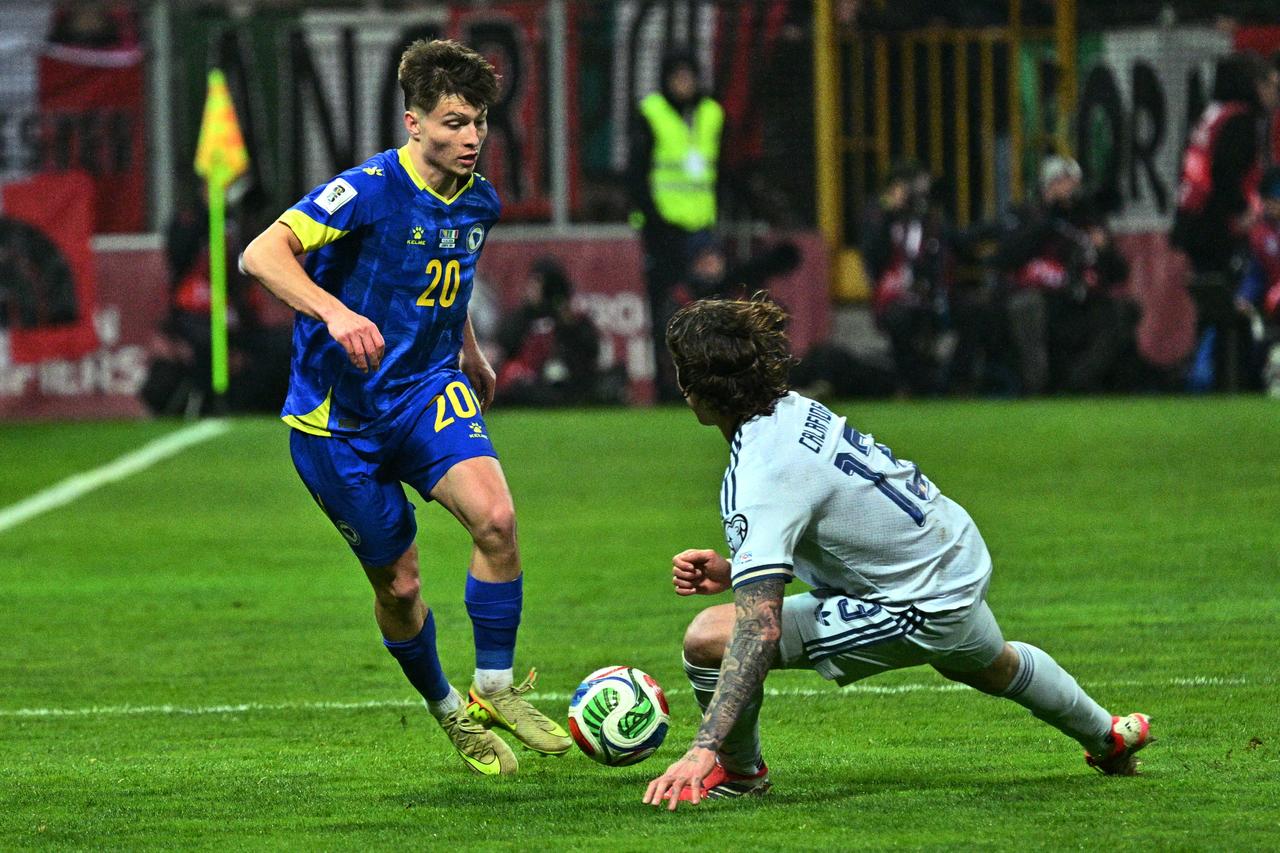


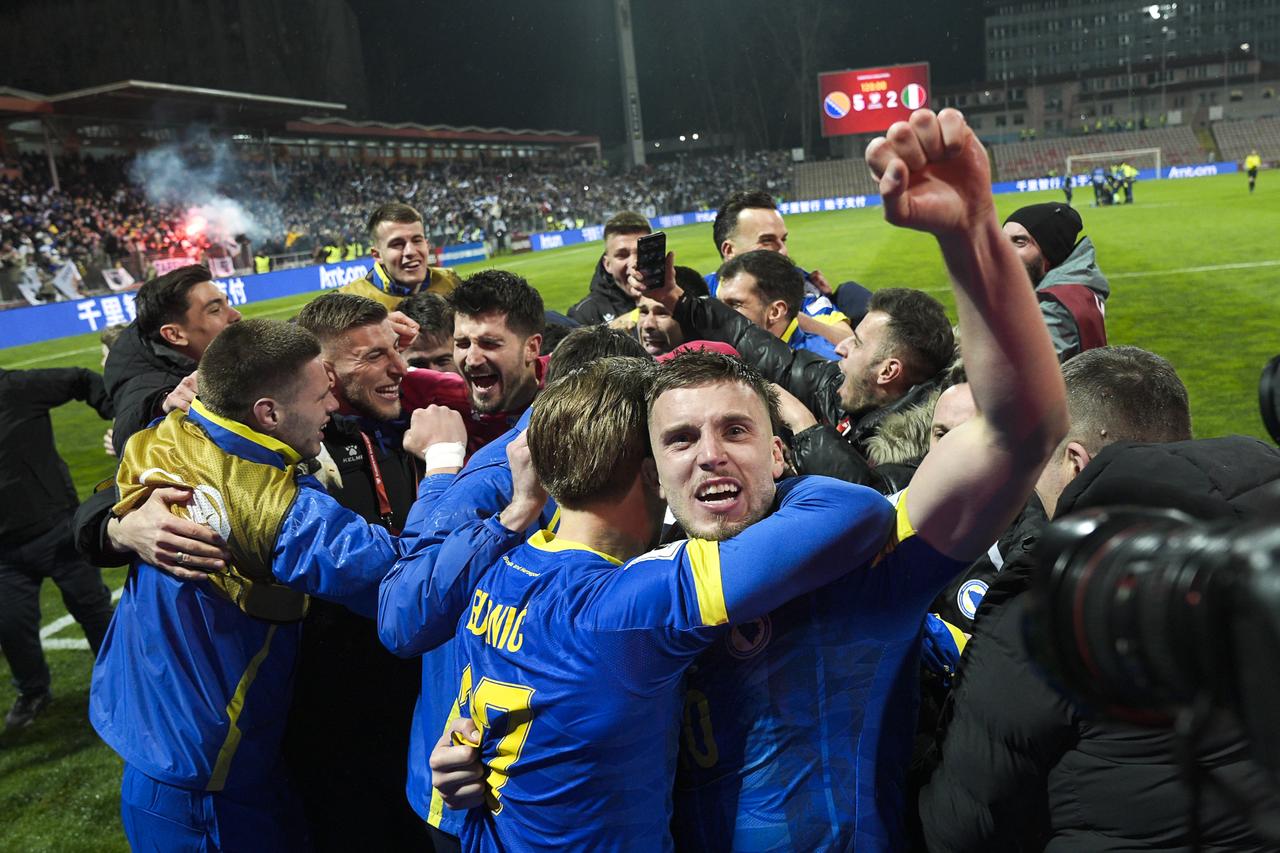
In a tense, emotionally charged match against Italy, Bosnia-Herzegovina secured a victory that sent shockwaves through world football. It was a night of nerves, resilience and ultimate release.
Across Sarajevo, across diaspora communities, across living rooms from St. Louis to Istanbul, Bosnians celebrated more than just a scoreline; they celebrated a moment decades in the making. At the heart of Bosnia’s triumph stands Esmir Bajraktarevic, a young player whose story stretches far beyond the pitch.
His journey connects the scars of Srebrenica to the suburbs of the United States and European football, merging histories and geographies into a single narrative. Born in Appleton, Wisconsin in 2005, Bajraktarevic is the son of a family that fled the Srebrenica genocide.
If his parents had decided to stay, he would probably never have existed, as the main goal of the Bosnian Serb Army was to eradicate all the Muslims in Eastern Bosnia.
Like thousands of others, his parents were part of a diaspora born from a trauma that forced them to rebuild their lives far from home. Today, some of the largest Bosnian communities in the United States have taken root in cities like St. Louis, Chicago, and Phoenix.
Despite being born in the United States, he grew up speaking Bosnian, shaped by the traditions and memories his parents carried with them. His story reflects a familiar pattern across the diaspora: a generation raised abroad but deeply rooted in a history they did not personally witness, yet profoundly inherit.
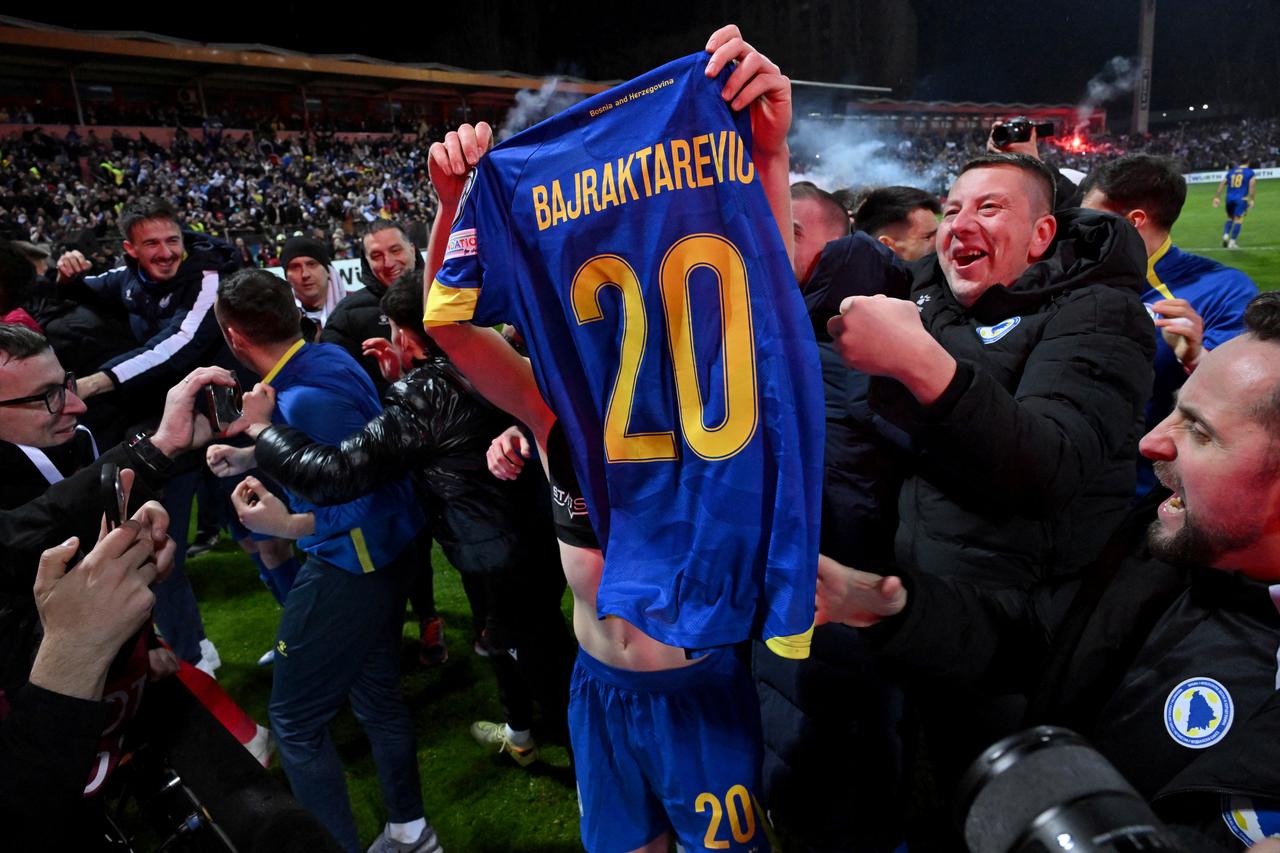

His development followed a classic American trajectory. After rising through the ranks at Wisconsin’s SC Wave and the Chicago Fire academy, he joined the New England Revolution, where he made his professional debut as a teenager.
He quickly stood out as a technical winger, left-footed, direct, creative, fearless in one-on-one situations and unmistakably charismatic.
By 17, he had become one of the youngest players in his club’s history and was widely described as a “top MLS prospect." This is a term used in the Major League Soccer system to describe young players expected to develop into elite professionals, often attracting interest from Europe’s biggest clubs.
Last year, he moved to PSV Eindhoven, a club renowned for shaping some of the game’s brightest talents.
Having represented the United States at youth level and even making a senior appearance in 2024, Bajraktarevic faced a choice familiar to many diaspora athletes. But his answer was clear. He chose to play for Bosnia and Herzegovina.
As many of us Bosnians, Bajraktarevic also inherited trauma and the responsibility to remember and never forget the country’s bloody history. He talks openly about it and is proud of his parents, who were lucky to survive.
He represents a new Bosnian generation: global, multilingual, developed abroad, yet consciously choosing to carry the identity of a country still navigating its past. In doing so, he reflects thousands across the diaspora who live between worlds, but never lose sight of where they come from.
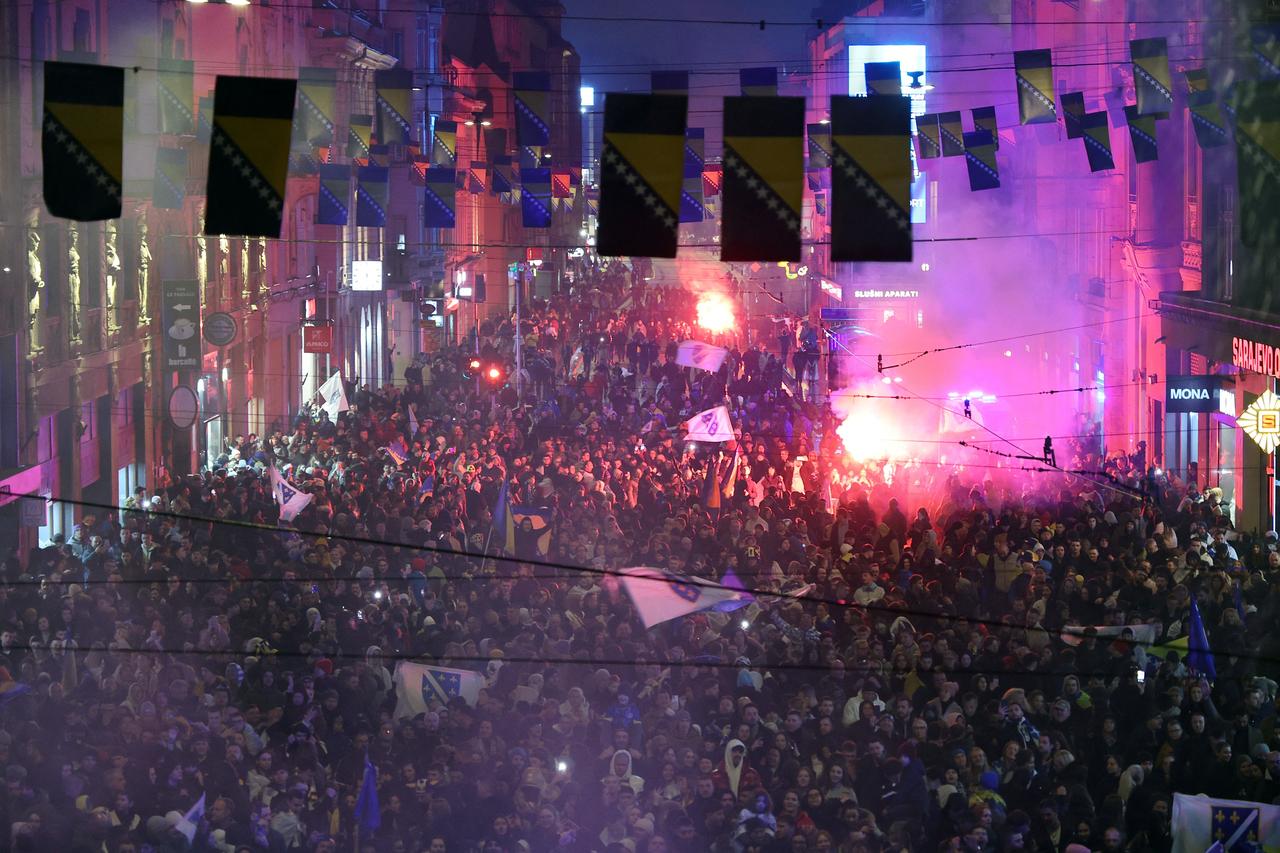
Bosnia’s qualification for the World Cup is therefore more than a sporting achievement. It is a moment of recognition for a nation whose people are scattered across continents, yet remain connected through memory and identity.
When the Bosnian anthem is played on football’s biggest stage, it will not only echo in stadiums. It will be heard in homes from Sarajevo to St. Louis, from Tuzla to Ankara.
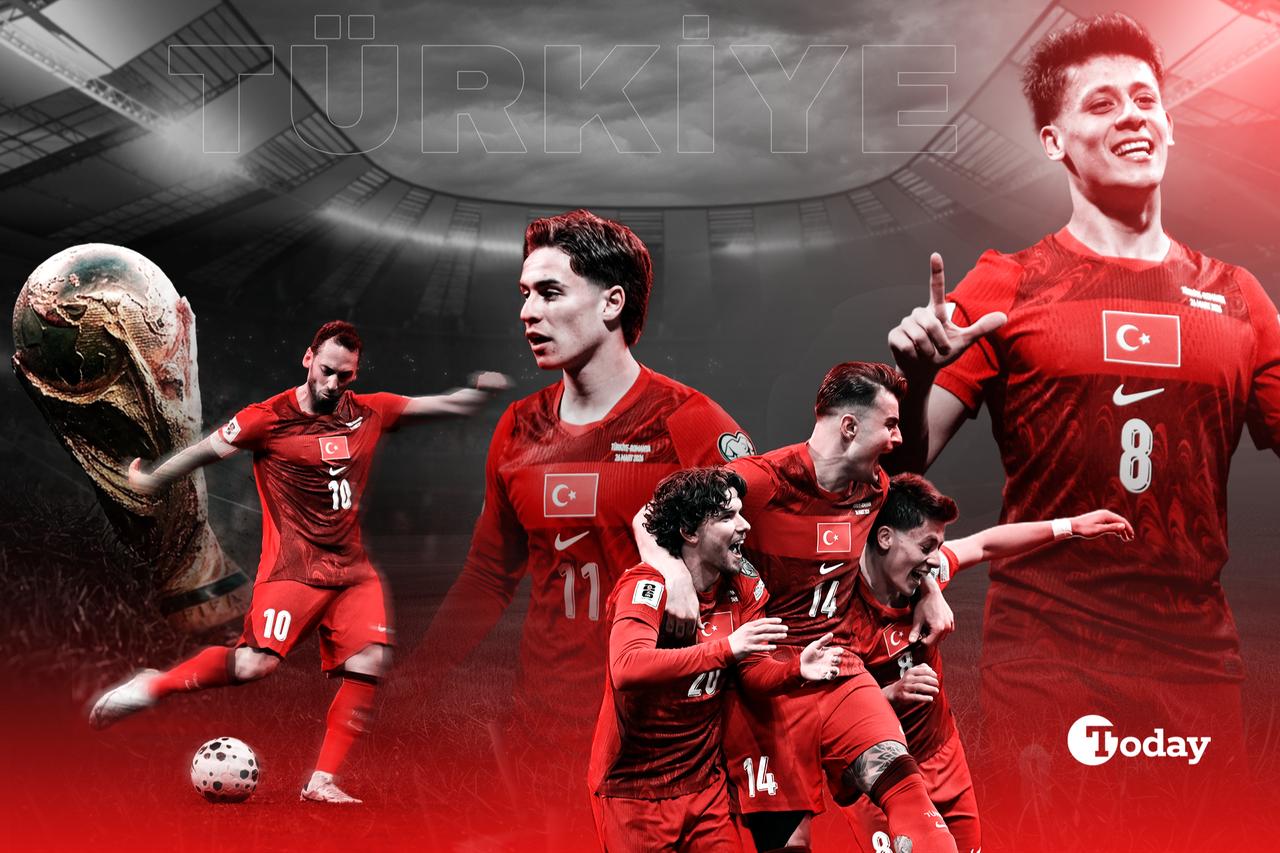
As someone who has lived in Türkiye for more than a decade, raising a child between languages and identities, I recognize this reality intimately. The other night, I found myself watching two matches at once, one where Bosnia triumphed, another where Türkiye celebrated. It was not a contradiction.
It was a reflection of what it means to belong to more than one place. Diaspora identity is not fragmentation. It is depth. Yet it also carries responsibility. For families who left Srebrenica, there remains a shared understanding: why they left, and why many cannot return.
The hope for a different future persists, even as history continues to shape the present.
In that sense, national representation is never just about football. It is about memory, dignity and continuity. Bajraktarevic’s journey captures that intersection. It shows how a new generation can move forward, onto the world stage, into global arenas without losing sight of its origins.
And in a region where history so often divides, perhaps stories like his offer something else: the possibility that identity, carried with awareness and respect, can also connect.
As Bosnia and Herzegovina and Türkiye celebrate their respective successes, there is pride on both sides of a shared space shaped by history, migration and cultural ties.
And at its center will stand a young player from a family that once fled Srebrenica, now carrying a nation and the Balkans forward.


 Set as preferred source
 Set as preferred source


 1 min read
 1 min read