

 Newsletters


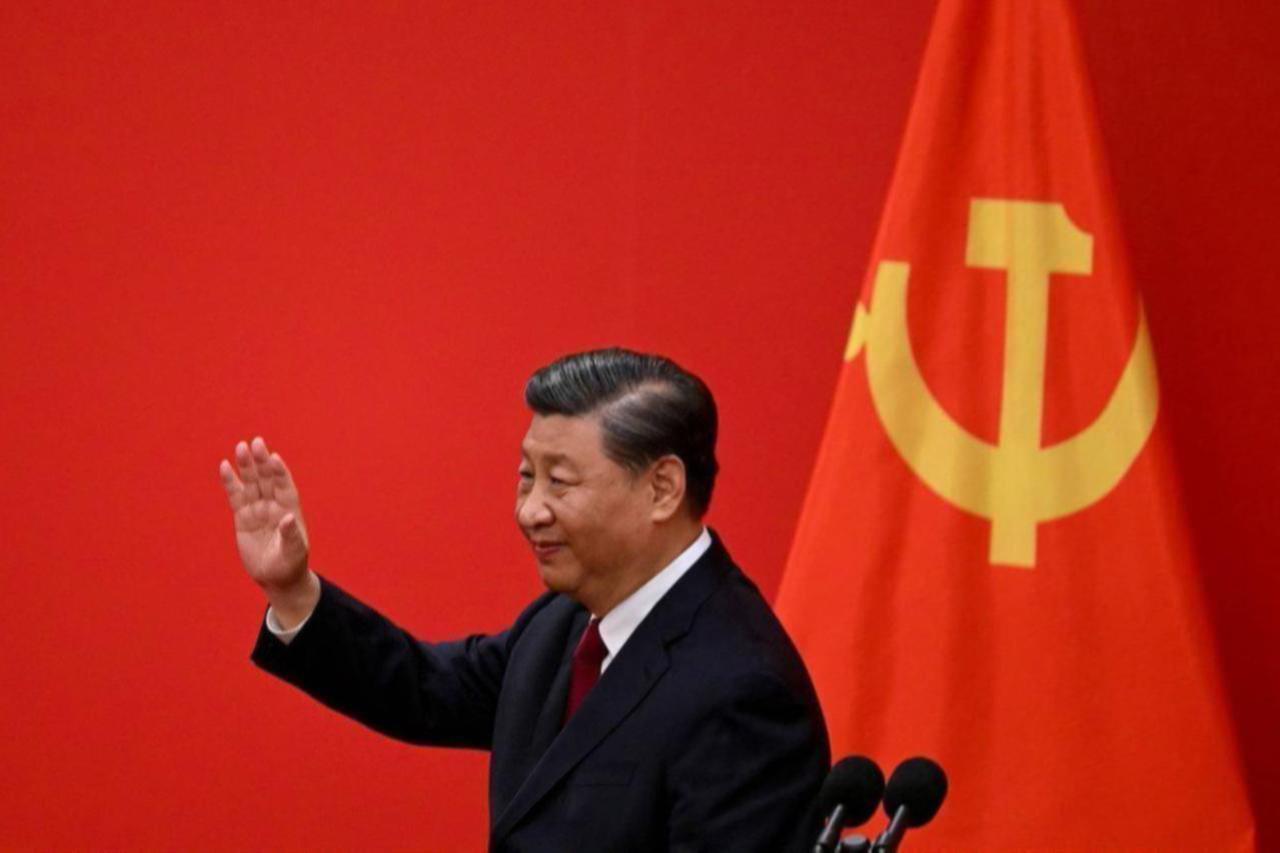


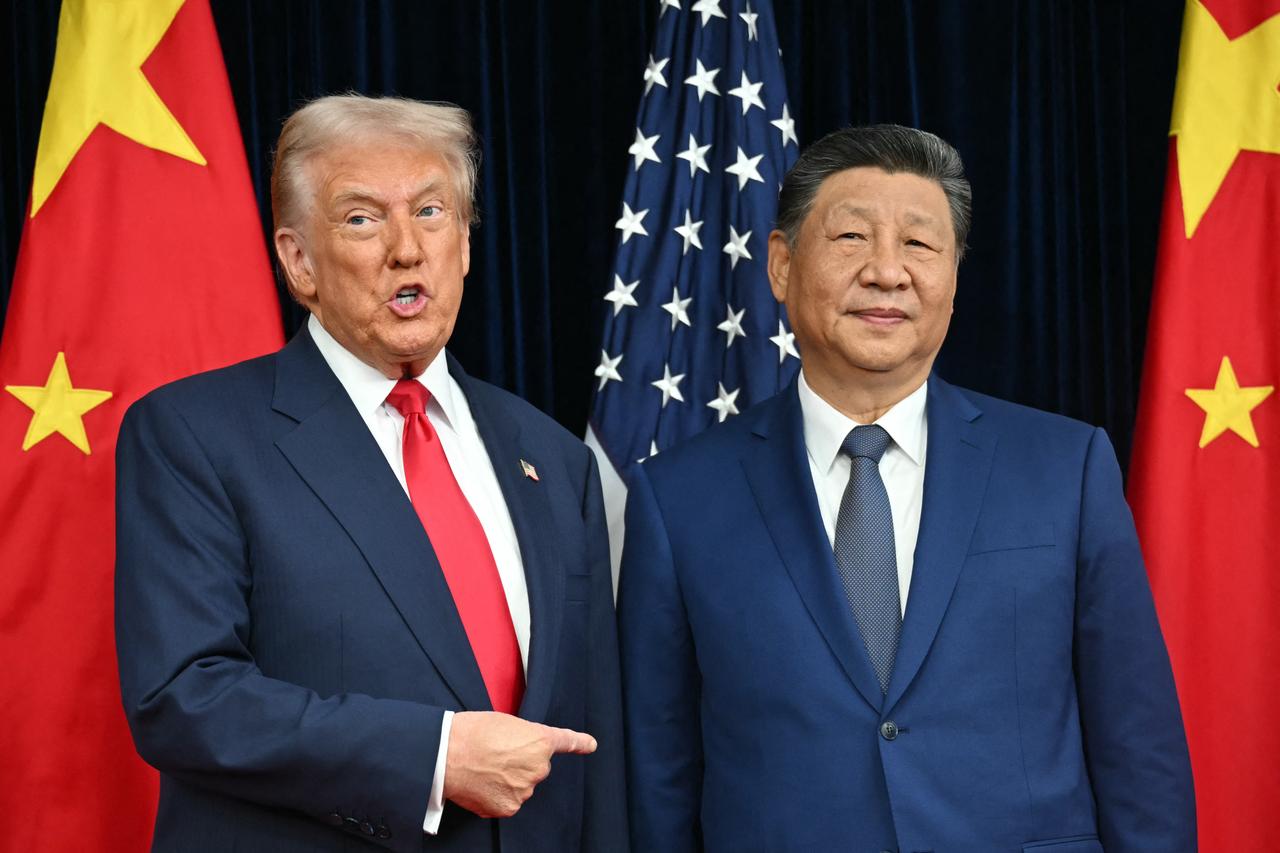
Preoccupied with managing the Iran war, President Trump will travel to Beijing this week for a summit with Xi Jinping. The Beijing summit was originally scheduled for March 2026 but was postponed six weeks due to the war with Iran. Despite these tensions, both leaders have agreed to meet, shaking hands in the Great Hall of the People for the first time since 2017.
What makes this meeting important is simple. It's happening no matter what. The U.S. is attacking and blockading Iran, one of China's closest partners. Both leaders chose to proceed regardless. This reveals something essential. Despite profound mistrust and strategic competition, both sides still believe dialogue is worth pursuing.
The real victory here is not the piecemeal agreements that both sides will undoubtedly tout on their way home. It is that two leaders of the world's most powerful nations have chosen to show up at all. As Yun Sun, senior fellow at the Stimson Center, puts it, the meeting itself is "a pretty major breakthrough" because "it's already demonstrating that both sides have the willingness to improve their relationship, to stabilize the relationship."
Whether this week produces lasting agreements remains unclear. What's certain is that dialogue, not deals, may be what both nations need the most right now.
It took secret channels through Pakistan and ping-pong diplomacy in 1971 just to break the ice between Washington and Beijing. Today, Trump can call Xi directly. That hard-won infrastructure of communication, built over fifty years, is worth protecting, because when leaders stop talking, the costs multiply far beyond tariffs and supply chains.
For countries caught between American and Chinese spheres of influence, the uncertainty becomes paralyzing. This summit signals that despite profound differences over trade, technology, and Taiwan, both nations believe a functioning relationship is preferable to one held hostage by miscalculation.
Bonnie Glaser, managing director of the Indo-Pacific Program at the German Marshall Fund of the United States, warns that "any rhetorical softening from Trump, even ambiguous, would be the most destabilizing outcome of the summit." Yet the risk of them not meeting at all, of complete silence between superpowers, is demonstrably worse.
Sometimes accepting a small risk of miscommunication is the price of preventing a total breakdown. The truce struck in October 2025 after years of escalating tariffs represents the kind of pragmatic understanding that stability requires. China faces rising unemployment and a slowing economy despite massive tech investments. The U.S. struggles with inflation and political divisions. Neither can absorb the full cost of sustained escalation. Both need stability abroad to manage crises at home.
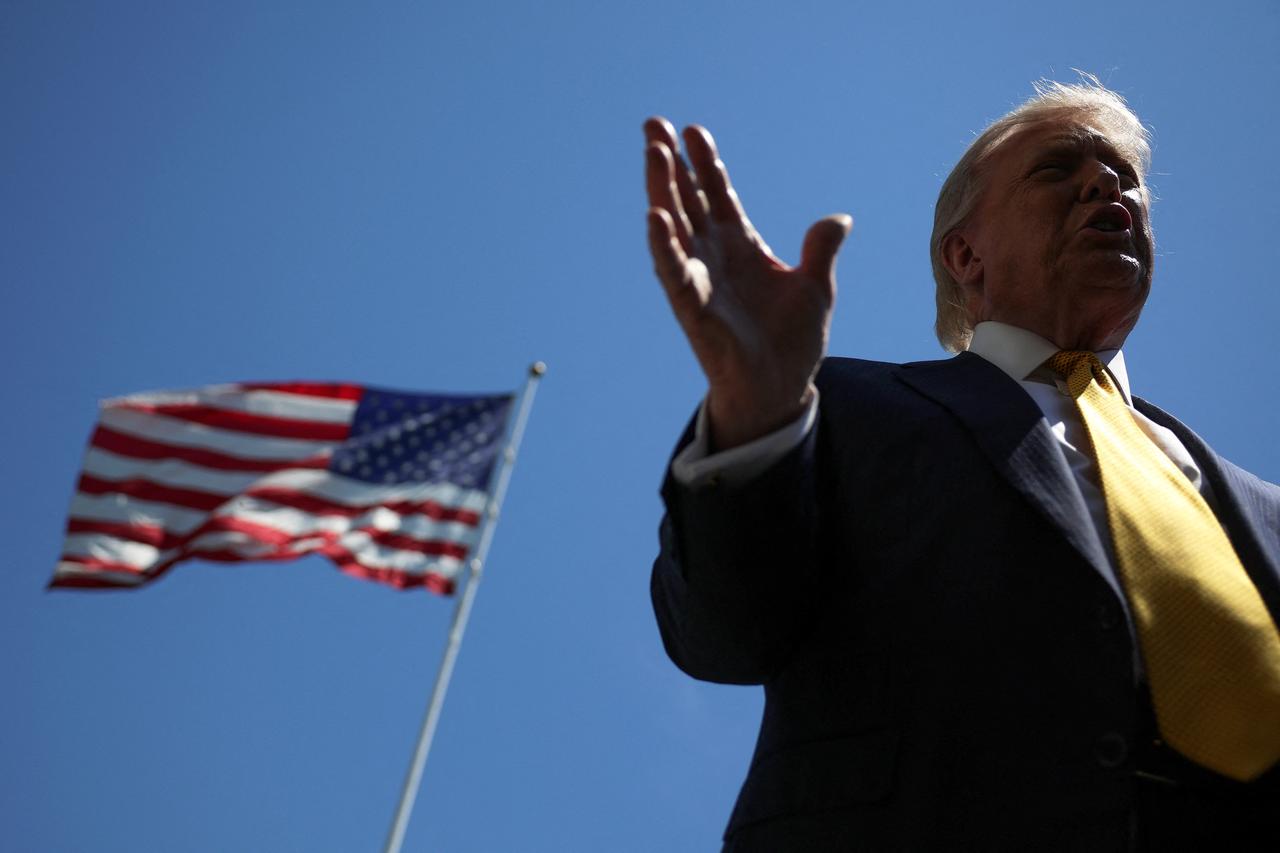

The postponement itself revealed something important about modern geopolitics.
Trump's initial plan to visit in March 2026 was shelved because of the Iran war, a conflict in which China has deliberately chosen to remain neutral. When Trump asked Xi to use China's leverage with Iran, as Beijing is Iran's largest oil customer, buying 90% of its exports, the calculation was clear: Washington needs China's intervention to open the Strait of Hormuz. Yet China politely declined to become entangled.
As Dan Wang, China director of consultancy Eurasia Group, explains, there is "a no-alliance, no-interventionist approach from the Chinese government." For China, to agree to host Trump while declining to become Washington's partner in the Middle East demonstrates diplomatic maturity. It shows Beijing understands that there are limits to what even a superpower can demand, and that sometimes the best foreign policy prevents your own country from being dragged into someone else's crisis.
What makes this summit refreshing is that neither leader is pretending to solve fundamental disagreements. Neither Trump nor Xi will likely yield on Taiwan's status or on semiconductor exports. The U.S. won't give Xi assurances about Taiwan's independence. China won't let go of its dominance in chip manufacturing and rare earth minerals.
Arthur Dong, professor of strategy and economics at Georgetown University's McDonough School of Business, argues that "the stakes are extraordinarily high," and that Beijing's position as Iran's largest oil buyer gives it "a degree of leverage" in these negotiations.
That realism about the power dynamics involved is refreshing. China will likely seek to ease restrictions on advanced AI chips as both countries compete intensively for AI dominance. The United States wants to maintain the trade truce, secure more soybean purchases for American farmers, and signal commercial opportunities. That's why Tim Cook, Elon Musk, and Boeing CEO Kelly Ortberg are traveling alongside the president.
However, underneath the ceremonial agreements lies something more significant. Both sides have settled into a mature understanding that these rivalries are structural and will not disappear. What matters now is managing them without catastrophic miscalculation. After years of a trade war dating back nearly a decade, tariffs reaching 145%, and competing technology restrictions, both nations understand the cost of escalation. They are choosing to choreograph mutual success rather than mutual destruction.
Both countries will announce agreements in the coming days. The question now is whether the summit marks a real shift in U.S.-China relations or simply a tactical pause. Trump's decision to travel to Beijing despite the Iran conflict suggests Washington sees value in preserving the relationship.
Beijing's restraint on Middle East involvement shows the same understanding. For now, that mutual interest in dialogue is holding. Whether it lasts depends on what happens next.


 Set as preferred source
 Set as preferred source


 2 min read
 1 min read


