

 Newsletters


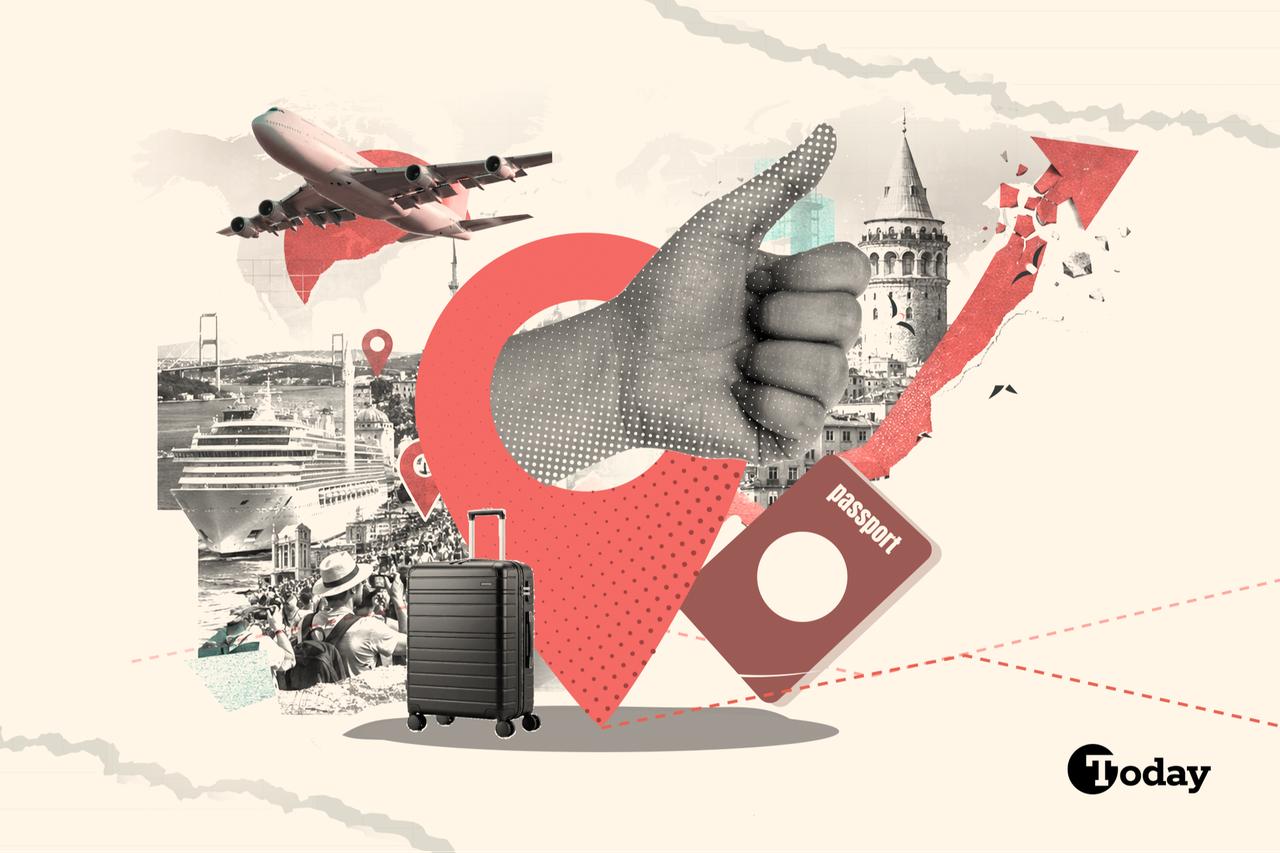


For years, cities competed to be seen. They invested in iconic skylines, cultural festivals, waterfront projects, international events and Instagram-friendly public spaces.
The logic was simple: more visibility would bring more visitors, more visitors would bring more spending, and more spending would bring jobs, investment and global recognition.
For a long time, the formula appeared to work.
Today, however, some of the world’s most visited cities are facing a more uncomfortable question. What happens when the success they spent decades pursuing becomes increasingly difficult to manage?
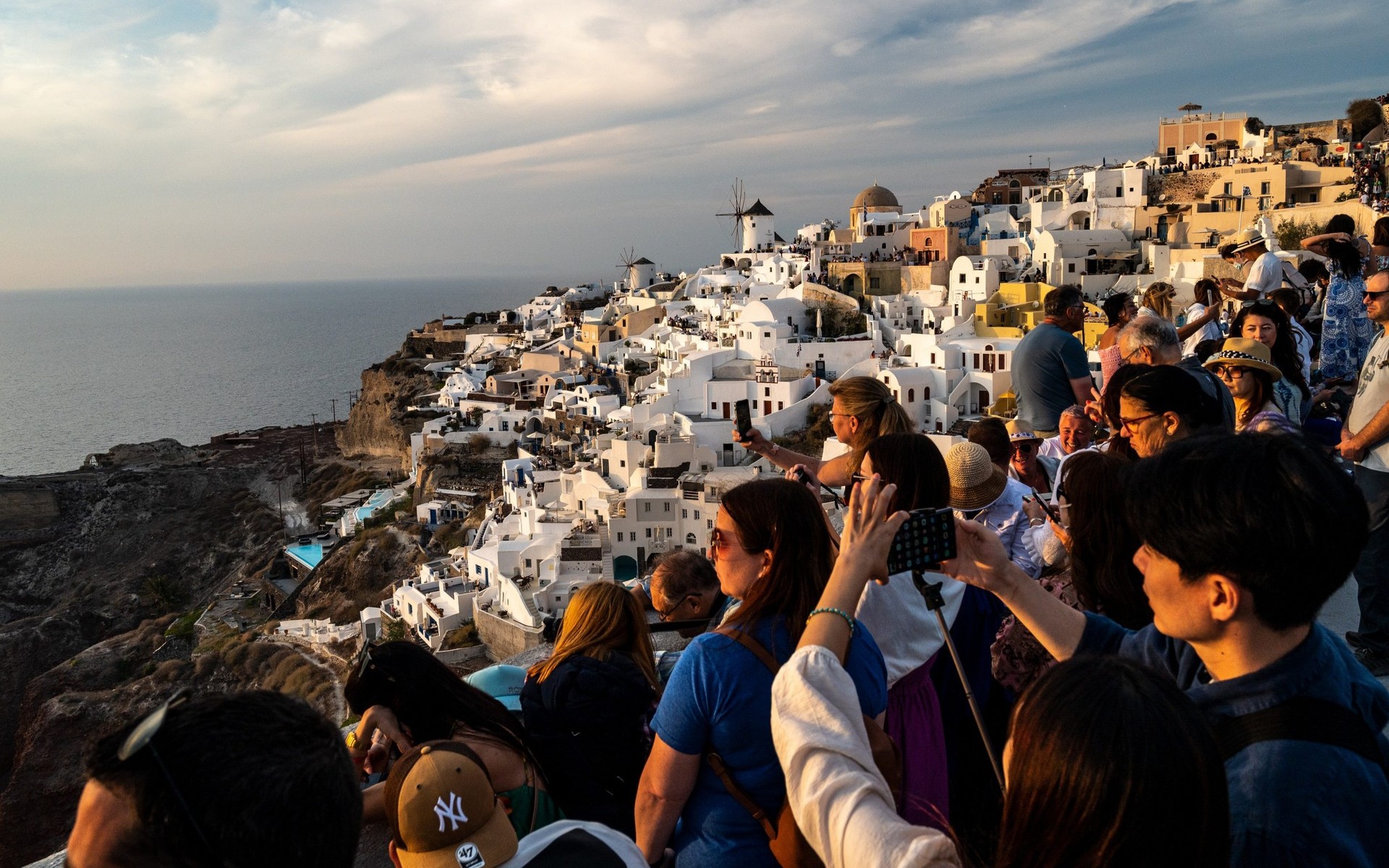
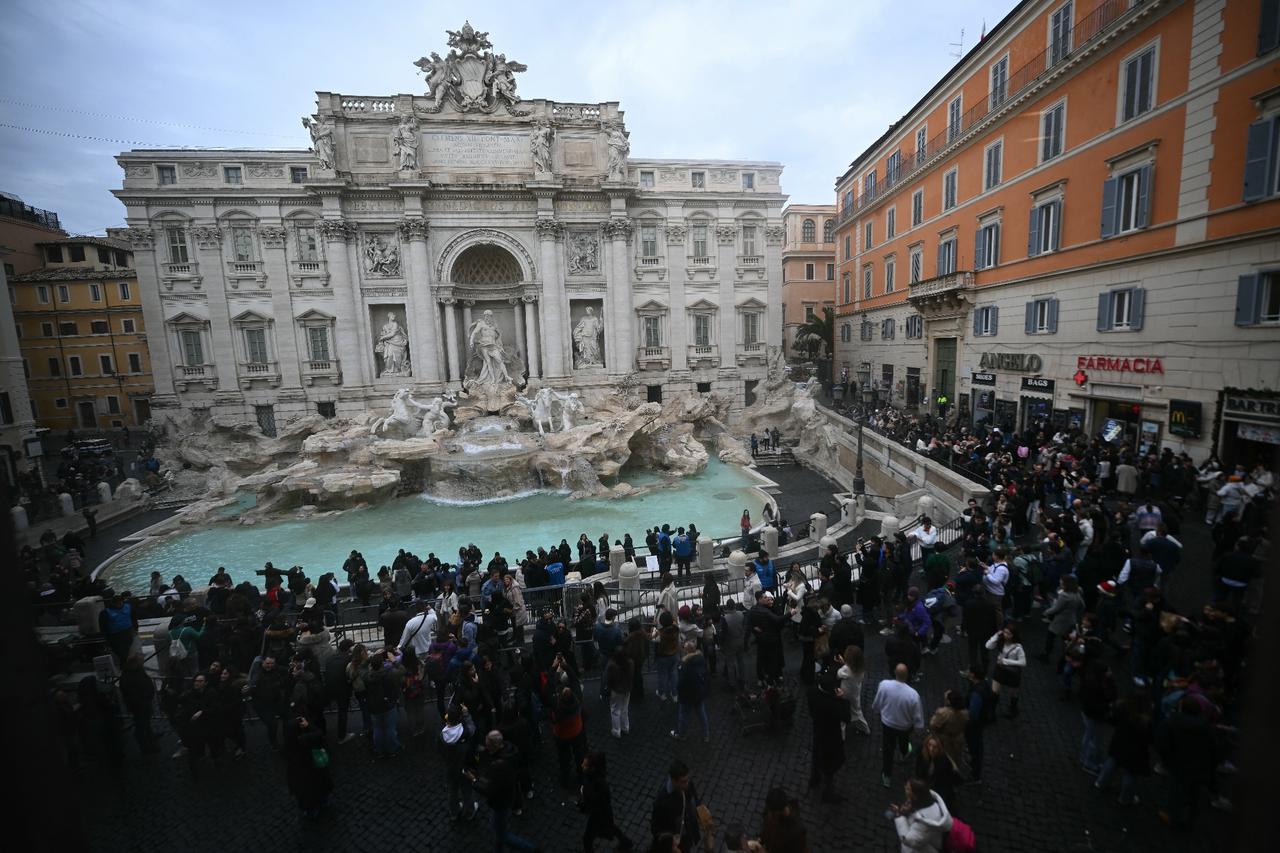
Across Southern Europe, overtourism has reemerged as one of the defining urban debates of the summer. In Barcelona, city officials have announced plans to phase out tourist apartment licenses by 2028, arguing that housing should serve residents before visitors.
Florence has expanded restrictions on short-term rentals to protect its historic center from becoming a space designed primarily for tourists.
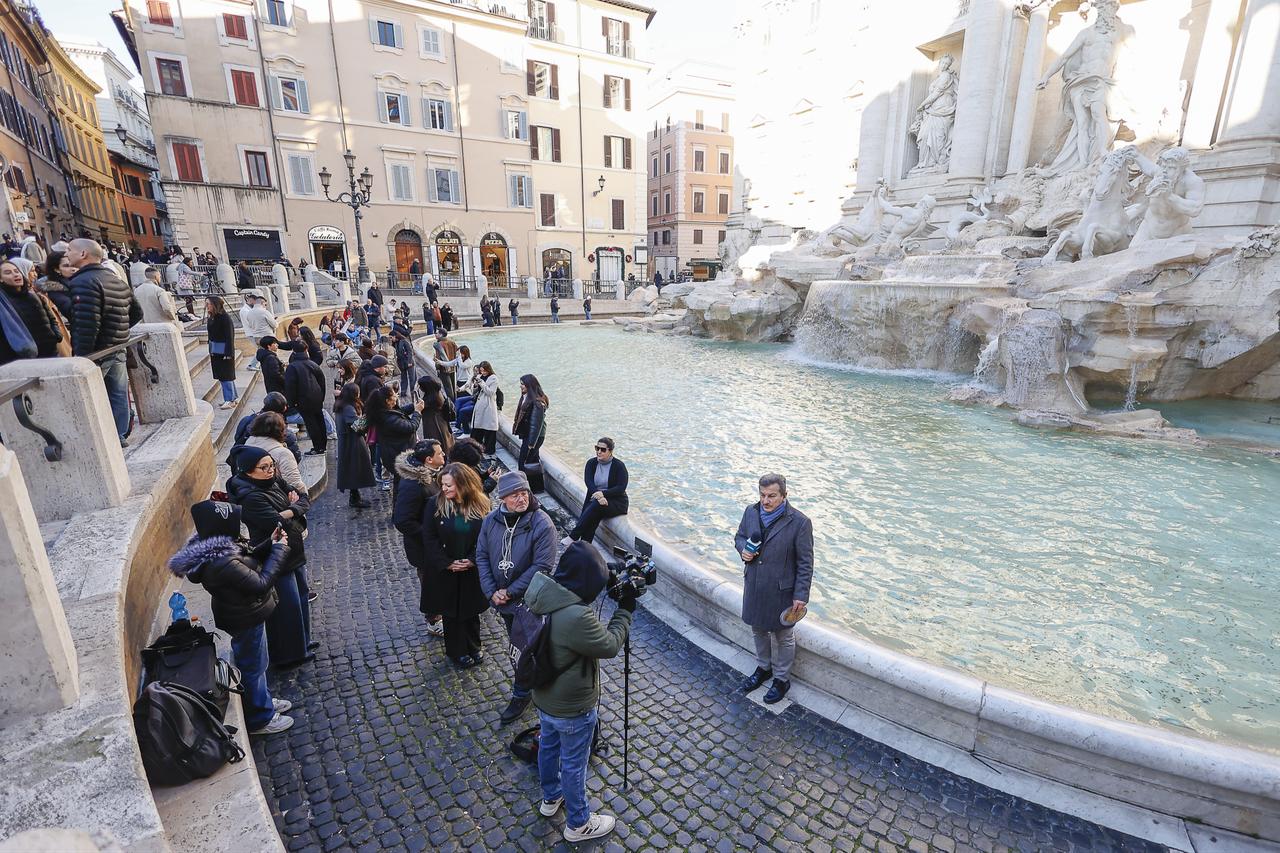
Venice has introduced entry fees for day-trippers, while other destinations across the region are debating tourism taxes, visitor caps and tighter controls on holiday accommodation.
These cities are not turning against tourism. They are trying to protect the conditions that make urban life possible.
For decades, cities competed to become visible. Now, many are grappling with the cost of visibility.


The contemporary city branding movement was built on a simple assumption: attention creates prosperity.
Cities invested heavily in destination marketing, cultural programming, flagship architecture and place-making strategies designed to attract global audiences. The objective was clear: become recognizable, desirable and competitive.
This strategy helped transform many cities into global destinations. Paris, Barcelona, Florence, Istanbul and countless others built powerful identities around culture, heritage, lifestyle and experience.
Yet this model also contained a structural blind spot.
Most city branding strategies were designed to maximize attraction. Far fewer were designed to manage capacity.
The result is a paradox that is becoming increasingly visible around the world: a city can become globally desirable long before it becomes locally sustainable.
A successful tourism campaign can increase visitor numbers within months. But expanding housing supply, improving public transport, strengthening public services and protecting community life can take years.
Demand can grow much faster than a city’s ability to absorb it, especially in an age where social media can turn a street, neighborhood or historic site into a global destination almost overnight.
The challenge is not unique to Europe. It reflects a broader question facing urban leaders everywhere: What happens when a city’s external reputation grows faster than its internal systems?

The overtourism debate is often framed as a conflict between residents and visitors.
This is too simple.
Tourists are not the problem. Cities have welcomed visitors for centuries. Tourism creates jobs, supports local businesses and contributes significantly to economic development. For many destinations, it remains a vital source of prosperity.
The deeper issue is what happens when urban systems begin to prioritize visitors over residents.
Housing becomes accommodation infrastructure. Public spaces become consumption infrastructure. Historic districts become commercial stages. Local communities gradually become spectators in their own neighborhoods.
In some historic neighborhoods, even residents’ doorsteps have become backdrops for other people’s social media posts.
The most visible consequence is housing affordability. Apartments once occupied by residents are converted into short-term rentals. Local businesses increasingly adjust to visitor demand. Daily life becomes more expensive for the people who actually live there.
The debate, therefore, is not fundamentally about tourism. It is about livability.
At its core, overtourism represents competition for finite urban resources: housing, mobility, public space, cultural identity and quality of life.
The question is not whether cities should welcome visitors. It is how they can do so without undermining the conditions that make them worth visiting in the first place.

This raises a deeper challenge for city branding itself.
For decades, success was measured through visitor arrivals, hotel occupancy rates, tourism revenue and international rankings.
These indicators still matter. But they are no longer enough.
What if the most successful city is not the one attracting the largest number of visitors? What if it is the one offering the highest quality of life to its residents?
This shift is already beginning to influence urban policy discussions around the world. Questions that once belonged primarily to urban planners are now becoming branding questions.
Can residents afford to remain in the city? Do public spaces still serve local communities? Can historic districts preserve their authenticity while welcoming global attention?
These are not secondary concerns. They are becoming central indicators of urban competitiveness.
After all, a city’s reputation is shaped not only by what visitors experience during a weekend trip, but also by what residents experience every day.
A city brand is not merely what tourists think about a place. It is what residents are still willing to defend about it.

For Türkiye, this conversation arrives at an important moment.
The country has become one of the world’s leading tourism destinations. Istanbul, Antalya, Izmir, Bodrum and Cappadocia continue to attract growing international interest. Investments in airports, transportation, culture, hospitality and urban infrastructure have strengthened Türkiye’s position within the global tourism economy.
This success matters. But it also requires foresight.
Many European cities are now trying to solve problems that emerged after decades of unchecked growth. Türkiye has the advantage of observing these experiences while many of its own urban destinations are still shaping their future trajectories.
The critical question is not simply how to attract more visitors. The critical question is how to grow without damaging the qualities that make these places attractive in the first place.

Can historic neighborhoods remain authentic while becoming globally recognized? Can tourism growth coexist with housing affordability? Can cities expand their visitor economy while preserving local identity?
These questions will increasingly define the next generation of urban leadership.
For Istanbul, the issue is not only how many people visit the city, but how its historic districts, transport networks and local communities absorb that attention.
For Antalya and Bodrum, the challenge is not only seasonal tourism revenue, but whether local life can remain affordable and sustainable. For Cappadocia, the question is not only global visibility, but how fragile landscapes and communities can be protected while welcoming the world.
The countries that succeed in the next era of tourism will not necessarily be those attracting the largest crowds. They will be those managing growth intelligently.
Türkiye has an opportunity to enter this debate early, not after livability becomes a crisis, but while its tourism model is still being shaped.
City branding is entering a new phase.
The first generation focused on infrastructure. The second focused on experience. The third will focus on livability.
In the coming decade, cities will continue competing for talent, investment, visitors and global relevance. But the measures of success are changing.
Economic vitality alone will not be enough.
The strongest city brands will be those capable of balancing prosperity with quality of life, tourism with community, and global visibility with local belonging.
This balance will not be easy. Yet it may become one of the defining urban challenges of our era.
For years, cities competed to be seen. The next challenge is far more difficult: remaining livable after being discovered.
In the age of overtourism, the most successful city brands may no longer be the cities attracting the greatest number of visitors.
They may be the cities where residents still choose to stay.
Because a city that loses its residents may still attract tourists, but it has already lost the life that made it worth visiting.


 Set as preferred source
 Set as preferred source


 1 min read

 1 min read


