Newsletters





Rome has started charging tourists for closer access to the Trevi Fountain, bringing in a new paid-entry system that city authorities have linked to maintaining and restoring the capital’s cultural heritage, according to Italy’s ANSA news agency.
Under the new system, visitors who want to step into the area directly in front of the Trevi Fountain, a landmark in central Rome, are being asked to pay an entrance fee of €2 (about $2.36). The city has framed the measure as part of an effort “to maintain, conserve, and restore the cultural heritage of Rome.”
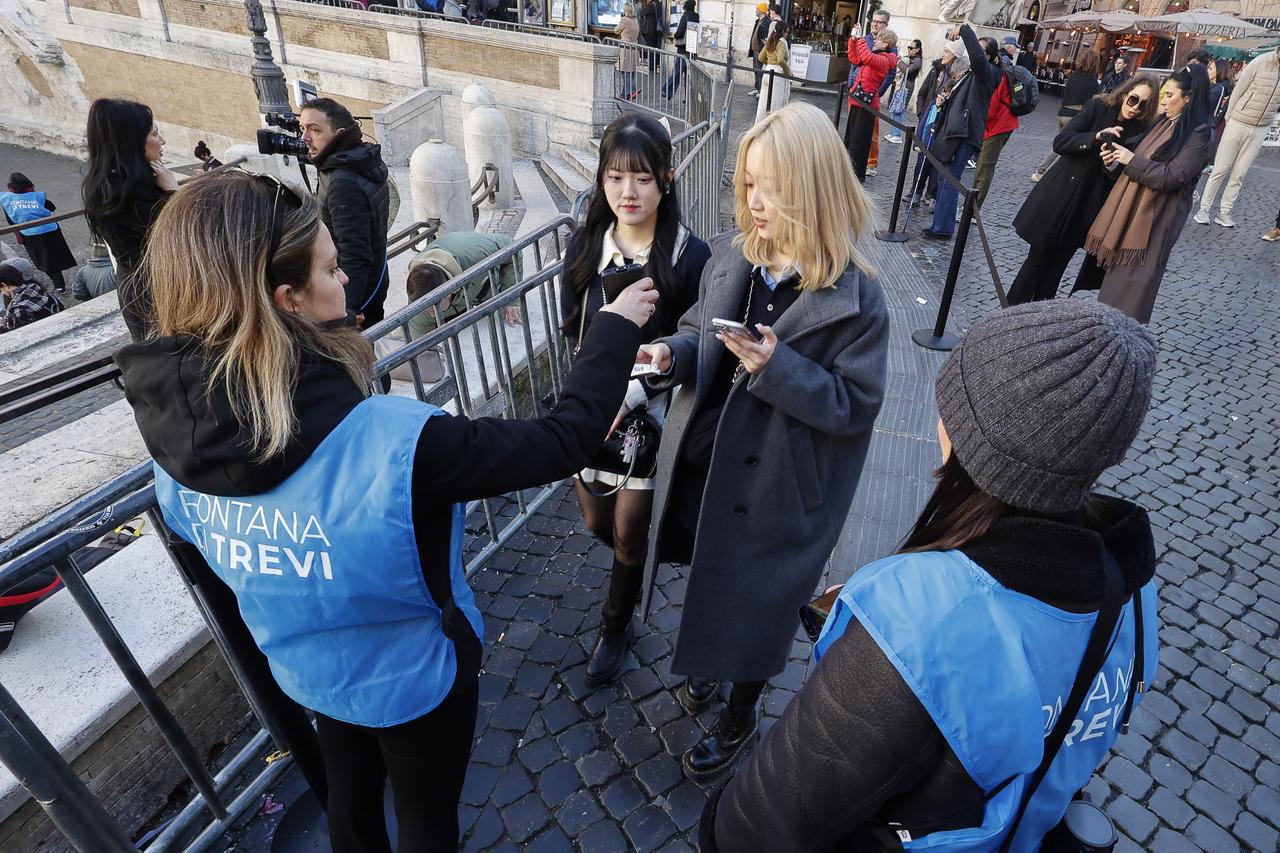

Authorities said the ticket requirement applies Monday to Friday from 11:30 a.m. to 10 p.m. local time, while weekend access is set to run from 9 a.m. to 10 p.m. Outside those hours, the fountain is expected to remain visible to the public free of charge.
While the paid system targets tourists seeking closer access, several groups will be allowed to access the area without charge. Free access is set to apply to residents of Rome and the surrounding metropolitan area, as well as to children under 6, persons with disabilities and their caregivers, and licensed tour guides.

The Trevi Fountain was designed by Nicola Salvi during the papacy of Clement XII, a reference that situates the monument in the city’s papal-era development for readers unfamiliar with Rome’s history.
The ticketing plan follows a yearlong trial period that, according to the same report, logged more than 10 million visitors. Authorities pointed to daily averages around 30,000 visitors, with peak days reaching up to 70,000, figures that were cited as part of the context behind bringing in the new management approach.
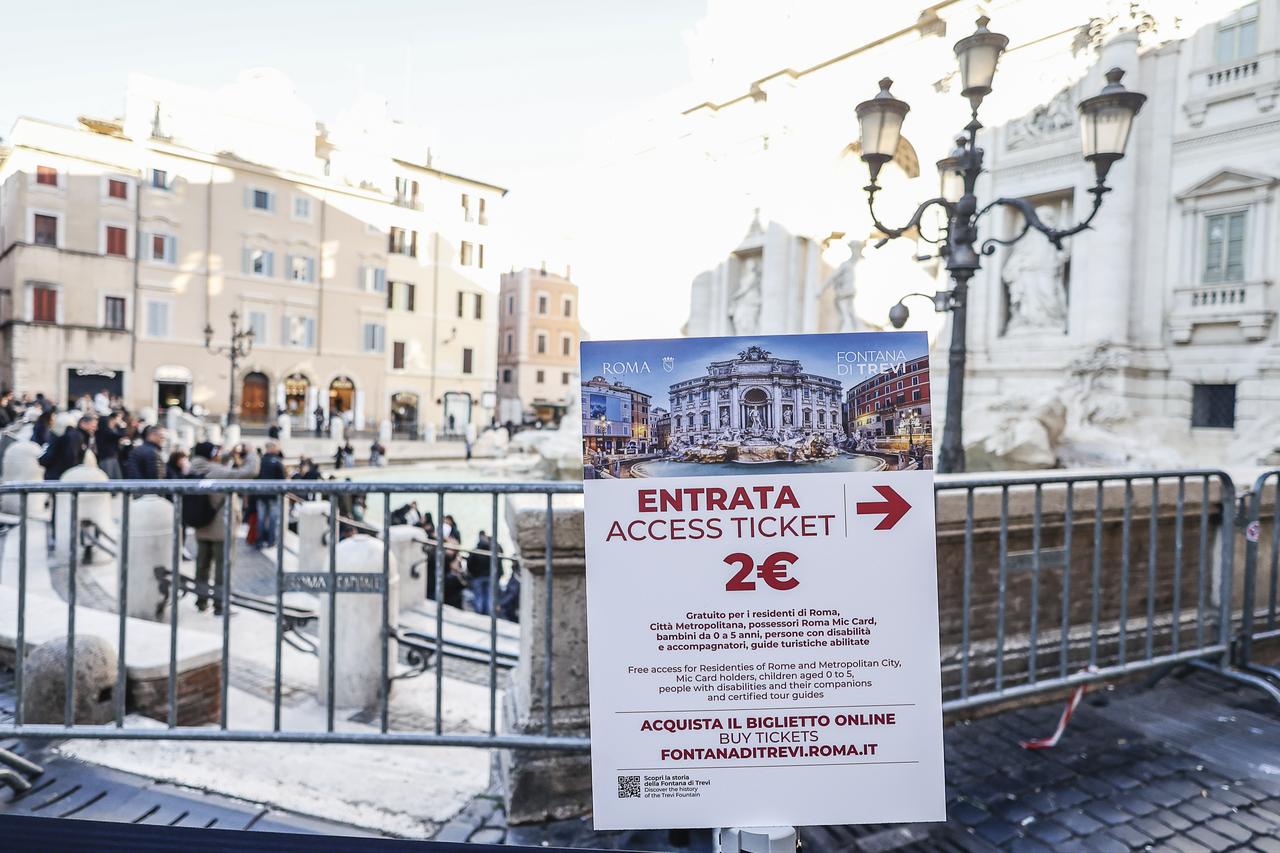
Alongside the fountain measure, the fee system is also set to be rolled out from Feb. 3 at five other sites that had previously been free to enter. These include the Villa of Maxentius, the Napoleonic Museum, the Giovanni Barracco Museum of Ancient Sculpture, the Carlo Bilotti Museum, and the Pietro Canonica Museum, with an entrance charge of €5 ($5.9).


 Set as preferred source
 Set as preferred source



 3 min read