Newsletters


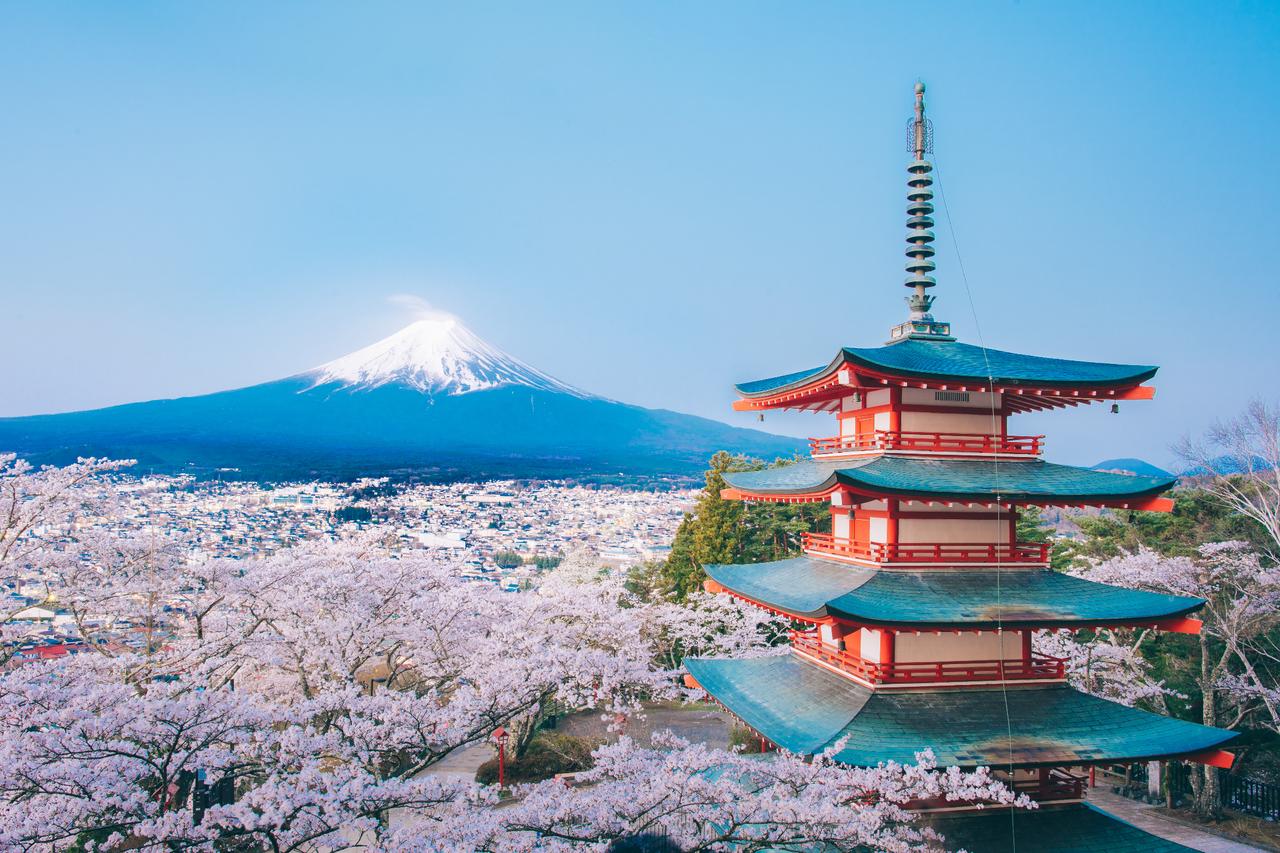


Japanese authorities are expanding mandatory climbing fees to all four major routes for the 2026 season to curb overtourism, safety hazards and environmental strain.
Starting this summer, climbers attempting any of the primary trails up the 3,776-meter (12,388-foot) UNESCO World Heritage site will be required to pay a mandatory fee of 4,000 Japanese Yen ($25.05), according to official Mount Fuji climbing regulations.
The uniform fee marks a major tightening of crowd-control measures that began with trial entry limits and localized fees during the 2024 and 2025 seasons.
Reports by the Japan News emphasize its timeless status as a top Japanese destination, where international tourists flock for both its rich cultural heritage and breathtaking scenic vistas.
However, authorities face growing concerns over overcrowding, rescue operations and the environmental toll of overtourism.
Technically an active volcano, Mount Fuji has not erupted since 1707. While volcanic activity remains closely monitored, local authorities are more immediately concerned about the consequences of mass tourism.
According to Japan's Environment Ministry and local governments, more than 220,000 people climbed Mount Fuji during the 2023 summer season.
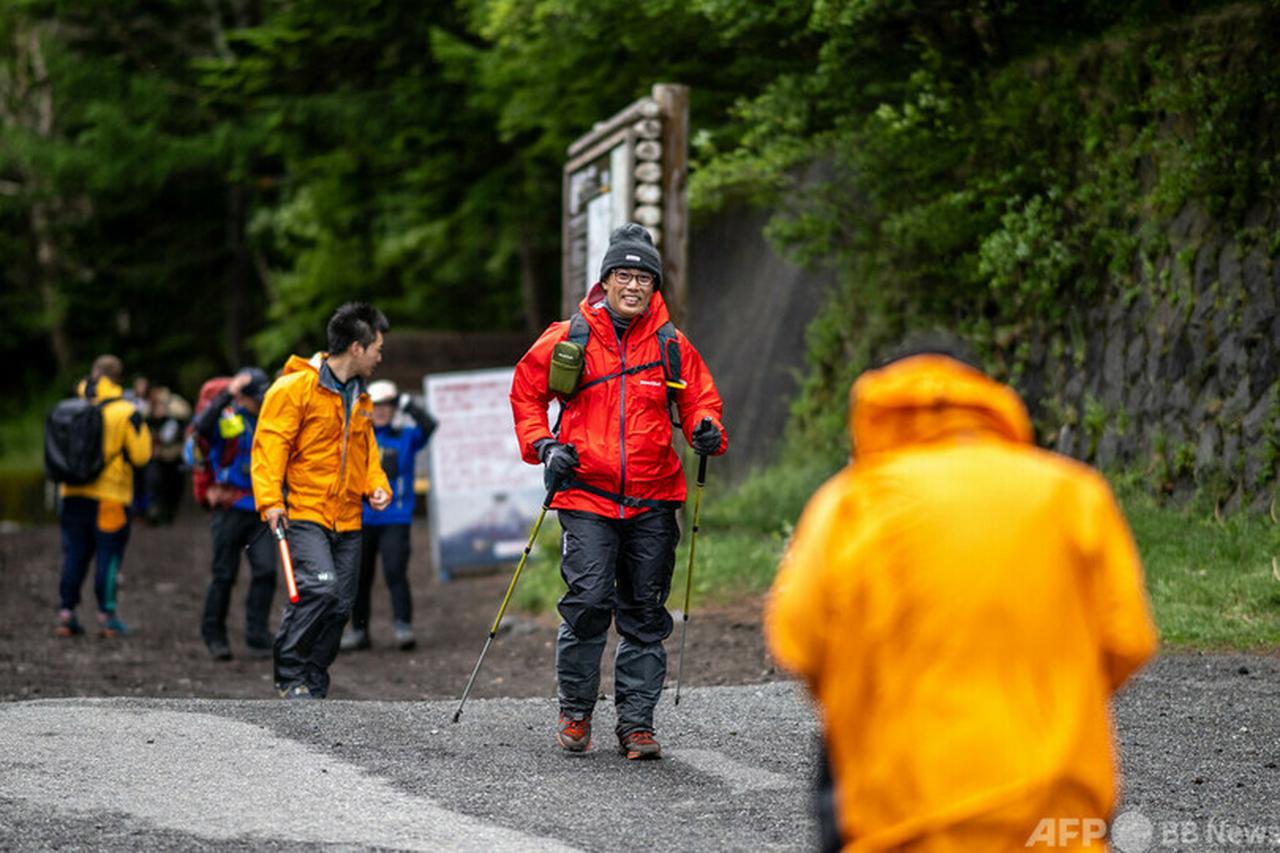

The issue extends far beyond the mountain trails. In a recent report, The Times of London quoted Fujinomiya Mayor Hidetada Sudo criticizing off-season ascents by some foreign visitors, arguing that risky climbs in winter conditions have increased the burden on rescue teams.
Local authorities recorded dozens of search-and-rescue incidents on Mount Fuji in 2024, including several fatalities.
Tourism pressure is also heavily affecting surrounding communities. The Yomiuri Shimbun reported this week that municipalities around Mount Fuji are stepping up efforts to manage visitor flows and protect local infrastructure as international arrivals continue to surge.
The environmental cost of that popularity is becoming harder to ignore. Local officials have cited littering, trail erosion, illegal parking, and trespassing as persistent concerns.
Earlier this year, authorities in Fujiyoshida moved to curb overcrowding at popular Fuji viewing spots after residents complained about disruptions linked to mass tourism.


 Set as preferred source
 Set as preferred source


 2 min read