Newsletters


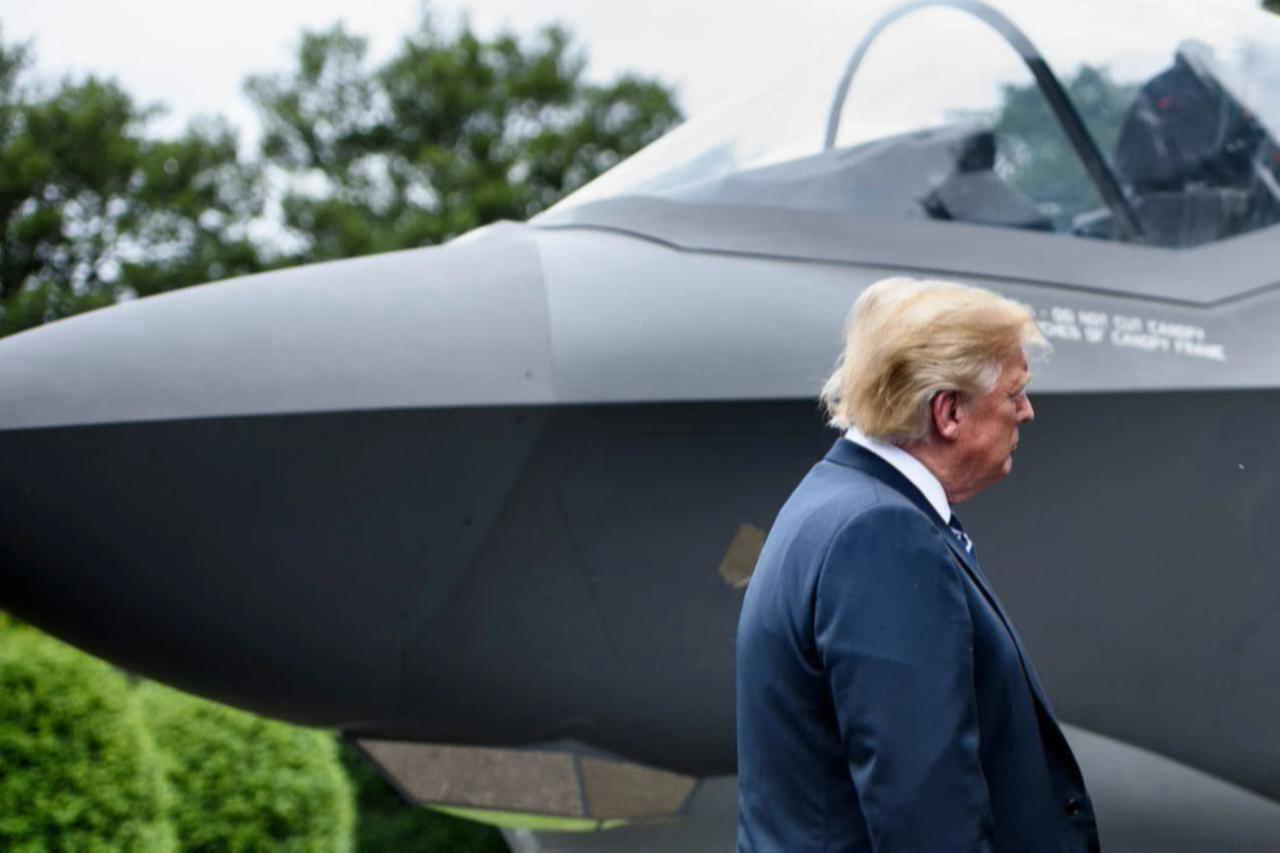


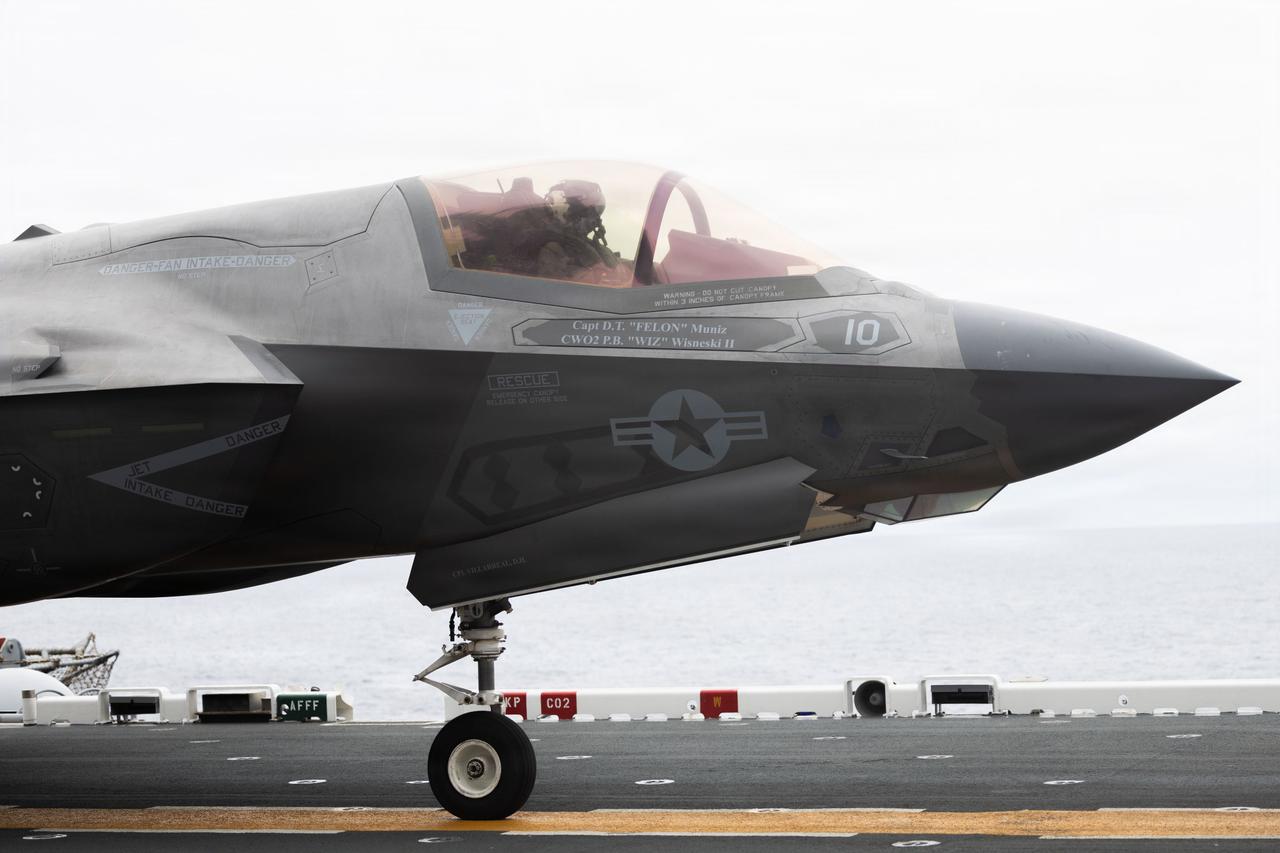
While officially absent from the alliance's formal program, the sale of F-35 fighter jets to Türkiye has once again taken center stage at the NATO Leaders Summit—highlighting a critical issue closely tied to fortifying NATO’s southeastern flank.
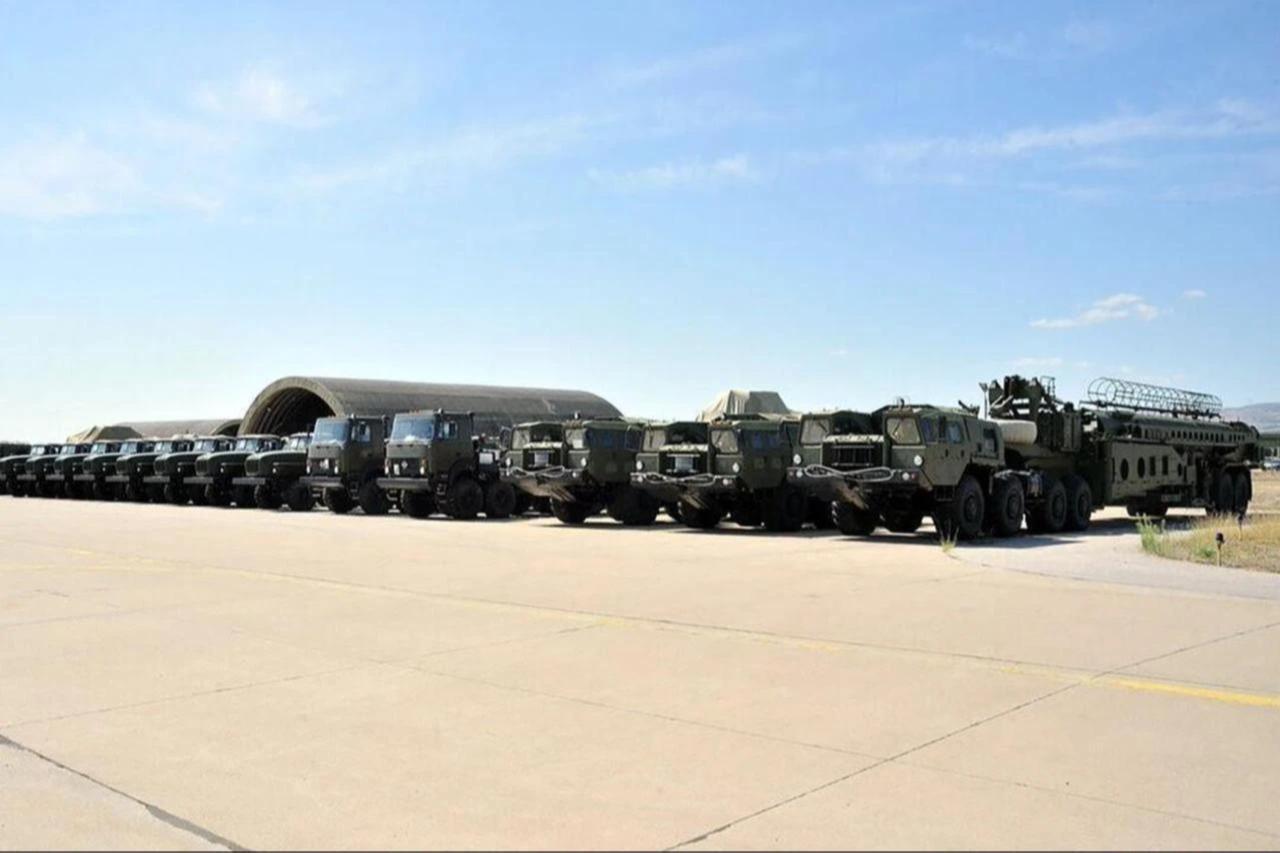
Ever since Türkiye acquired the S-400 air defense system—triggering the imposition of Countering America's Adversaries Through Sanctions Act (CAATSA) sanctions and its subsequent removal from the F-35 Joint Strike Fighter program—Ankara's inability to receive the aircraft it had already purchased has become a familiar, and increasingly tiresome, talking point in U.S.-Türkiye relations.
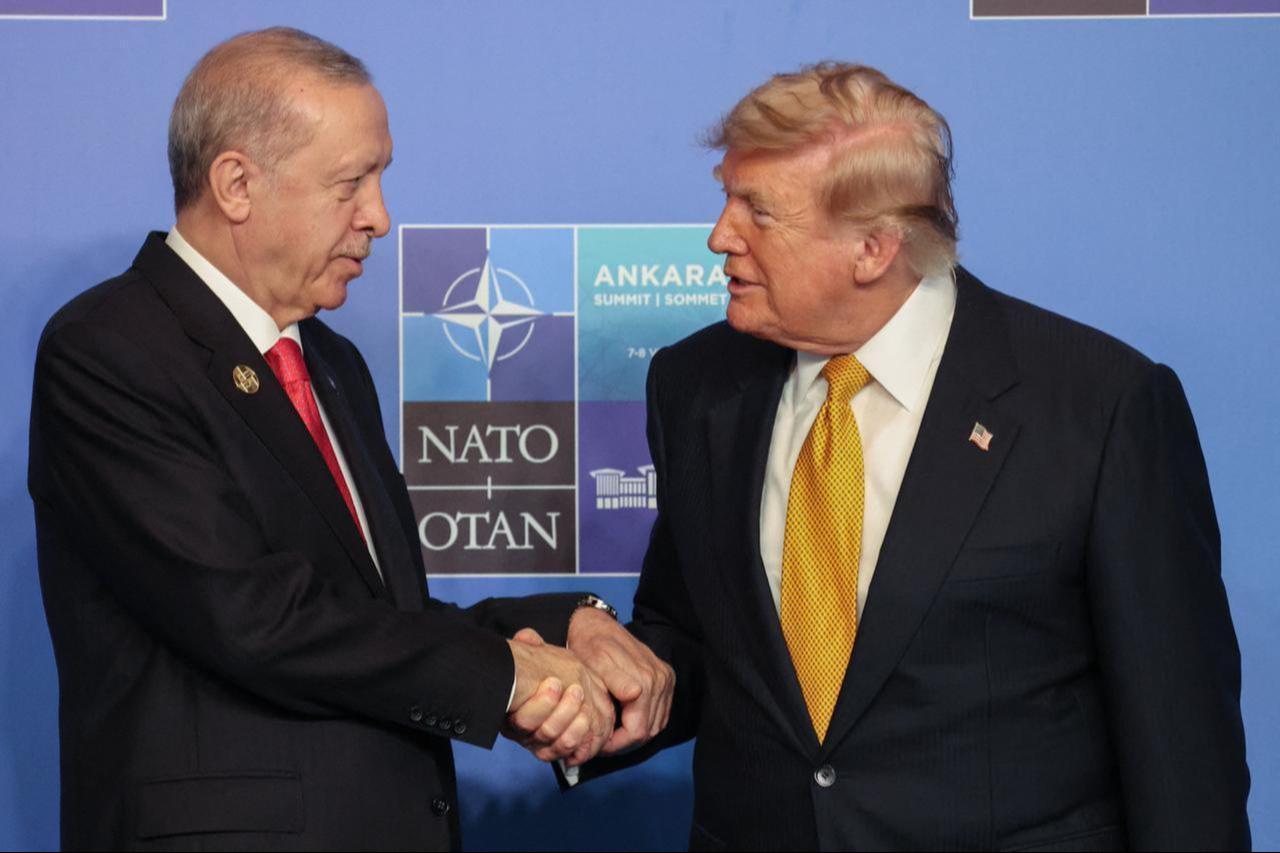
However, positive remarks from President Trump during the NATO summit regarding both the lifting of CAATSA sanctions and the potential sale of F-35s to Türkiye suggest that these critical issues are poised to return to the center of the bilateral agenda.
Yet even if these obstacles are overcome, another challenge may emerge: preserving Israel's Qualitative Military Edge (QME), a longstanding cornerstone of its national security doctrine.
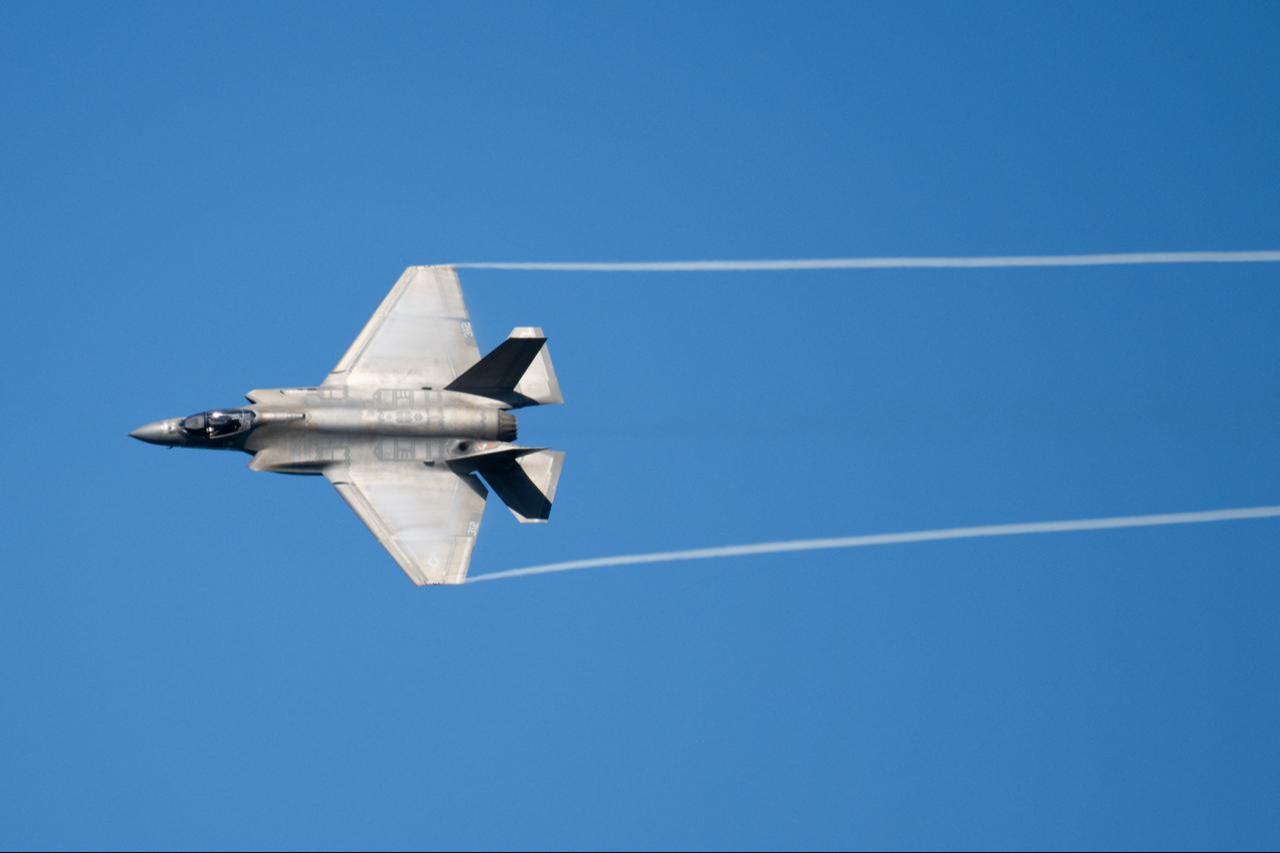

Although QME has never been applied to any NATO member state to date, Israel frequently invokes the concept of the "regional military balance" and seeks to extend it to Türkiye.
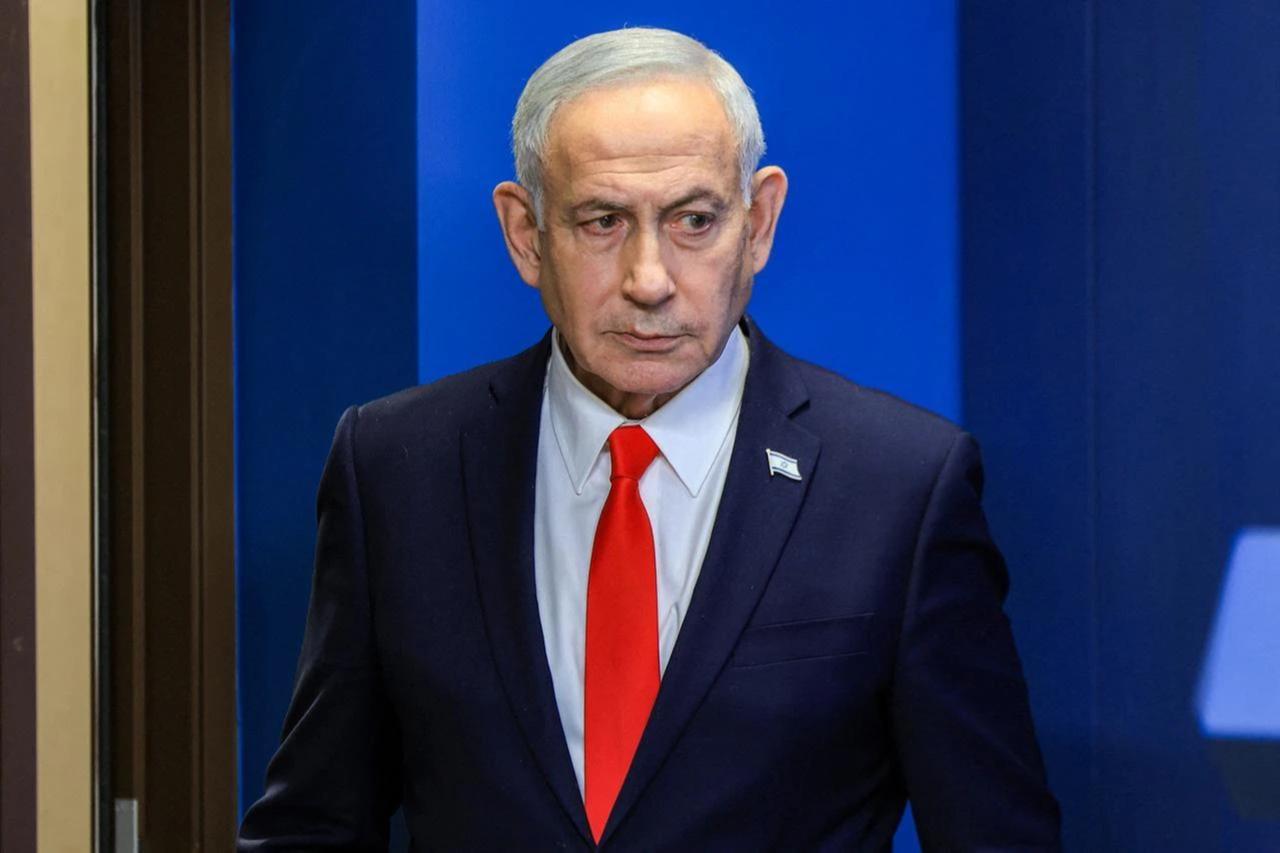
Following President Trump’s statement that F-35s could be sold to Türkiye, Israeli Prime Minister Benjamin Netanyahu and Foreign Minister Gideon Saar publicly opposed the move. Explaining his stance in a CNN interview, Netanyahu asserted: “It would destroy the power balance in the Middle East because Türkiye has aggressive aspirations.”
Although Israel’s position is often portrayed in the media as political obstinacy, the QME is fundamentally a legal issue. It is not based on U.S.-Israel bilateral agreements but on U.S. domestic law, making it even more binding.
The U.S., therefore, has a legal obligation to preserve Israel’s QME, an obligation observed explicitly or implicitly by every administration since the mid-1960s.
Türkiye had been one of the eight original international partners in the F-35 Joint Strike Fighter program since 1999, contributing from the conceptual design phase through to production. In fact, Turkish companies manufactured hundreds of core components for the jet until the country's formal removal from the program in 2019.
Türkiye ordered its first two F-35As in 2014, and the first aircraft was delivered to the Turkish Air Force at a June 2018 ceremony at Lockheed Martin’s Fort Worth, Texas, facility. However, before it could be transferred, Türkiye had signed the S-400 procurement agreement with Russia in 2017.
Just months after the first aircraft was delivered in the United States, Congress codified QME into law in October 2018.
Thus, even without Türkiye’s later removal from the F-35 program under CAATSA and the FY2020 National Defense Authorization Act, Congress had already established a framework that Israel could use to block potential F-35 sales and deliveries to Türkiye and other countries in the region.
Until the 2020s, preserving Israel’s QME was primarily justified by the threat from Iran and the possibility of an Arab coalition targeting Israel.
However, after the 2020 Abraham Accords and the broader rapprochement between Israel and Arab states—including Saudi Arabia and Qatar—the basis for viewing Arab states as a major threat has become increasingly difficult to sustain. Nevertheless, Israel has continued to invoke QME in opposing U.S. F-35 sales to the UAE, Saudi Arabia, and Qatar.
President Trump has long supported selling F-35s to regional countries beyond Israel, especially after the Abraham Accords.
Saudi Arabia, which has sought the aircraft for years, renewed its interest during Crown Prince Mohammed bin Salman’s White House visit in November 2025, when Trump stated that the Kingdom should have F-35s as advanced as Israel’s. Saudi Arabia is reportedly seeking 48 aircraft.
Many experts argue that supplying these countries with the F-35A variant—which lacks the unique capabilities of Israel’s F-35I (a customized version of the jet)—would preserve Israel’s QME while allowing U.S. partners to acquire the aircraft. Israel currently operates 48 F-35s and is expected to reach a fleet of 75 once remaining orders are completed.
While some are standard F-35As, most are the F-35I Adir variant, and Israel remains the only foreign operator authorized to modify its F-35s.
Among regional countries, President Trump reportedly offered Egypt 20 F-35As in 2018, while Qatar formally expressed interest in purchasing the F-35 in late 2020.
Among Gulf states, the UAE came closest to acquiring the aircraft. During the Senate review in November 2020, two resolutions sought to exclude modernization packages from the deal, but both were rejected and the sale was approved.
In January 2021, the United States and the UAE finalized agreements for the sale of 50 F-35As. The deal drew QME-based criticism from Israel, with reports initially suggesting it had been delayed due to Israeli objections; however, later reports revealed that Netanyahu had privately approved it.
Despite strong interest from many countries and President Trump’s support for advancing F-35 sales, none of these deals have been completed to date.
While espionage concerns played a role in the cases of the UAE and Türkiye, Israel also opposed these sales on QME grounds and mobilized supportive members of Congress to block or delay them. Even if new agreements are reached today, deliveries would take years, leaving them vulnerable to renewed congressional opposition in a post-Trump administration.
In the Middle East and Eastern Mediterranean, Greece is the country most likely to receive F-35s after Israel. Greece initially requested around 20 aircraft and is reportedly expected to purchase up to 40, with the first four aircraft scheduled for delivery in the second half of 2028.
While preserving Israel’s QME has long been presented as a U.S. national interest, the Iran war demonstrated that other regional countries are also vulnerable to Iranian attacks.
Strengthening the security of U.S. partners against this common threat has therefore become an equally urgent priority. In this context, providing regional countries with F-35s would not weaken Israel’s QME but would strengthen collective defense against a common adversary.
For Türkiye, the stakes are even higher. As a NATO ally and a key U.S. partner, Türkiye plays an important strategic role from the Black Sea and the South Caucasus to the Middle East and Africa.
Moreover, Israel’s invocation of QME is difficult to justify when it is one of only two nuclear powers in the region alongside Iran, with nuclear deterrence providing an additional layer of protection. Despite the Gaza war, Israel maintains closer ties with regional countries than in the past, and no country, including Türkiye, has any intention of attacking Israel.
By seeking to preserve its regional military superiority and use it domestically, Israel risks creating artificial threats and enemies without considering the long-term impact on mutual perceptions between Israeli and Turkish societies.
If the obstacles created by Türkiye’s S-400 acquisition and CAATSA sanctions are removed, Israel’s QME should not prevent the delivery of the F-35s Türkiye has already purchased and any further sales. However, the outcome of the November midterm elections and the future composition of Congress remain important factors.
In its 2024 notification to Congress on the proposed sale of F-16s and modernization kits to Türkiye, the U.S. Defense Security Cooperation Agency stated that the transfer “will not alter the basic military balance in the region.”
Regarding F-35s, the Administration and Congress should emphasize to Israel that its security is best served by a Türkiye firmly integrated into NATO and the Western alliance, where equipment interoperability is a strength, not a weakness.
Washington should also use all available means to counter potential congressional efforts to block or delay deliveries and additional sales.


 Set as preferred source
 Set as preferred source


 1 min read
 1 min read