Newsletters


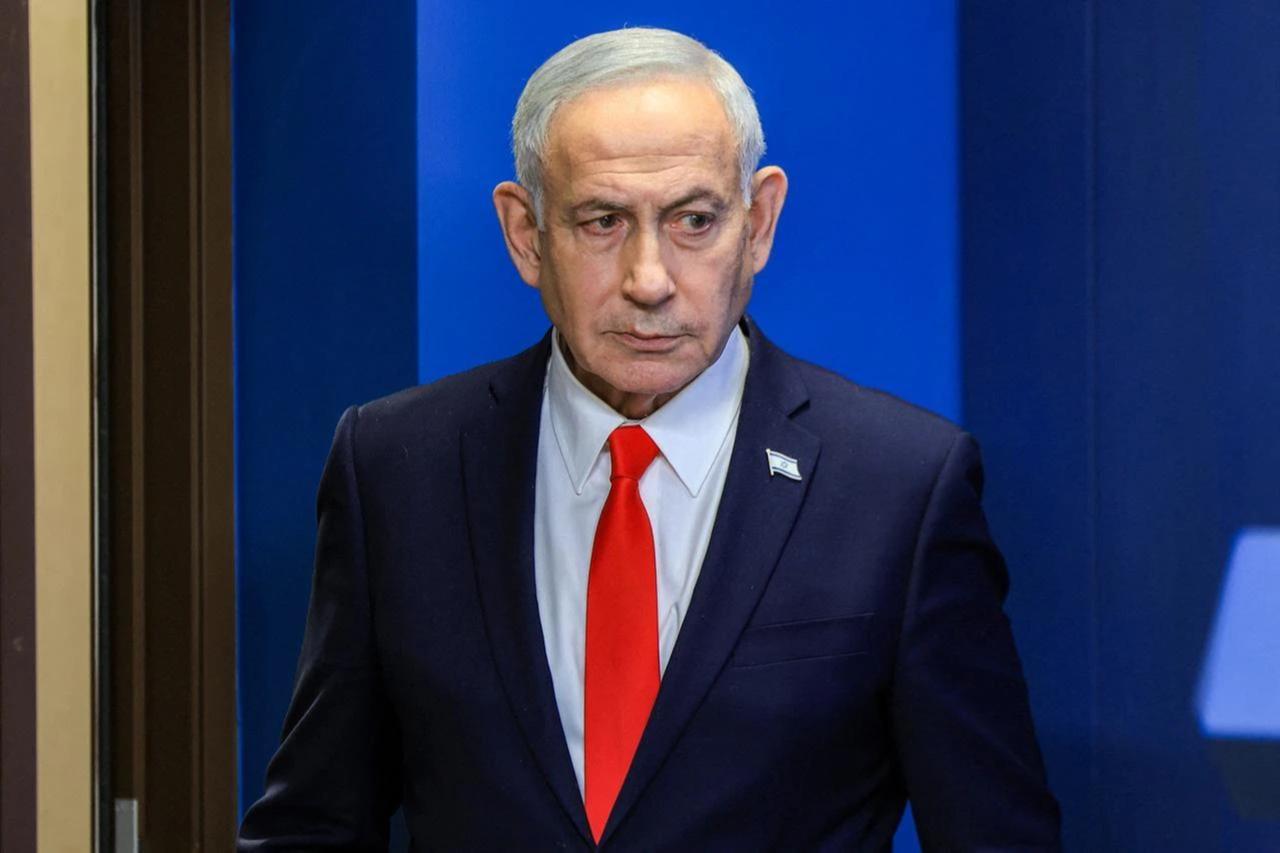


Israeli Prime Minister Benjamin Netanyahu pushed back publicly Tuesday against a potential U.S. sale of F-35 fighter jets to Türkiye, warning in a CNN interview that such a deal "would destroy the balance of power in the Middle East."
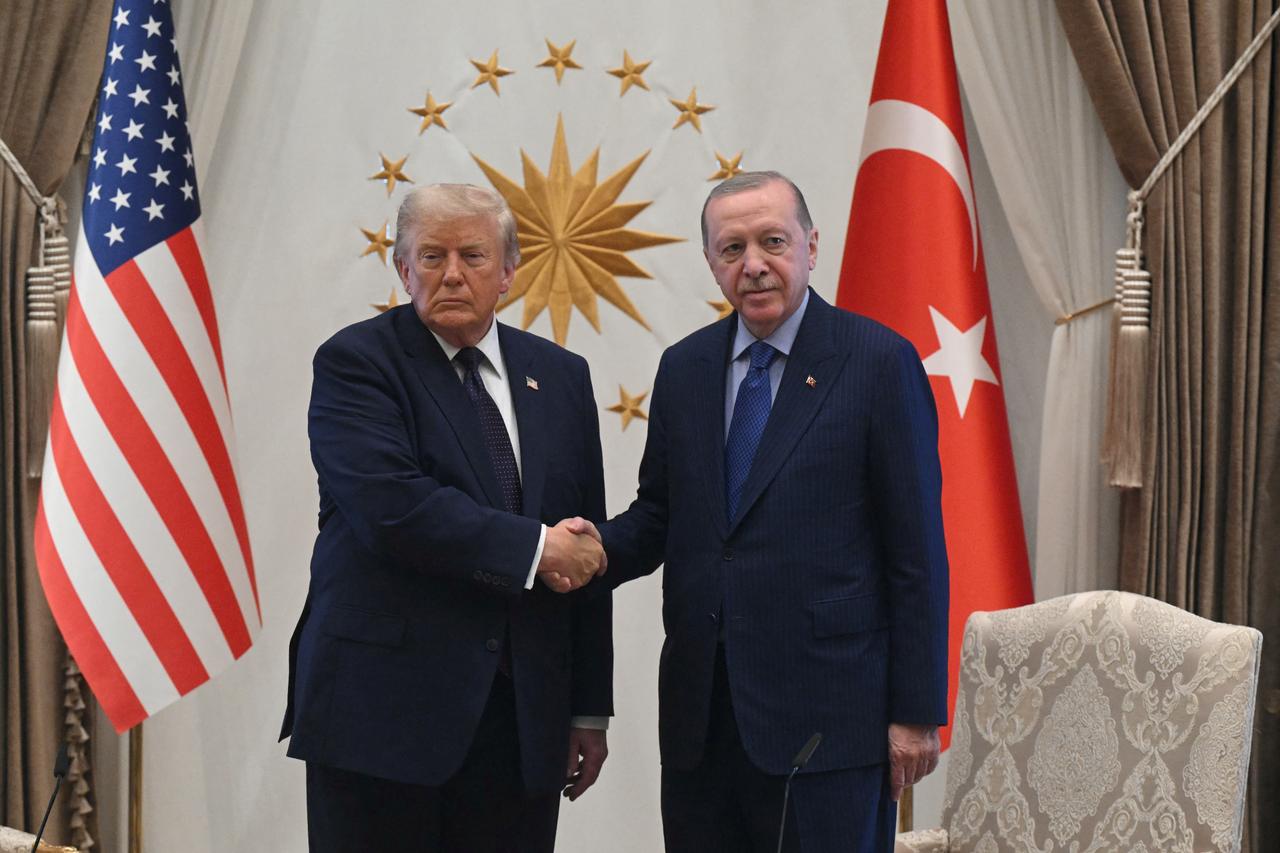
Netanyahu's remarks came shortly after U.S. President Donald Trump discussed the proposed sale with Turkish President Recep Tayyip Erdogan at a press conference in Ankara, putting the Israeli leader in the unusual position of openly contesting a move backed by his closest ally.
The Israeli prime minister framed his opposition around what he described as Türkiye's expansionist ambitions, saying Ankara "openly" seeks to restore the Ottoman Empire, a former imperial power whose territory once encompassed Syria, parts of Jordan, present-day Israel, and portions of the Gulf states.
"If you give such a radical regime this power, you will see aggression follow," Netanyahu said.
He characterized Türkiye as a state that "smiles at the U.S. president when it needs to," suggesting its alignment with Washington is transactional rather than principled, and argued it should not be considered a "friendly state" to the United States.
Netanyahu said he had raised his concerns directly with Trump before going public. When pressed on the open disagreement with the U.S. president, he sought to contain the diplomatic friction, noting that "even allies can have differences."
He stressed that the two leaders remain aligned on broader strategic priorities, including their shared position that Iran should be given the opportunity to resolve questions about its nuclear program through negotiation.
The F-35, manufactured by Lockheed Martin, is the most advanced stealth combat aircraft in the U.S. arsenal.
Türkiye was originally a partner in the F-35 program but was removed in 2019 after Ankara purchased the Russian-made S-400 missile defense system, a decision that triggered sanctions under U.S. law and marked one of the sharpest ruptures in decades between the two NATO allies.
Any renewed sale would require congressional notification and could face significant legislative resistance.


 Set as preferred source
 Set as preferred source


 1 min read

 1 min read