Newsletters


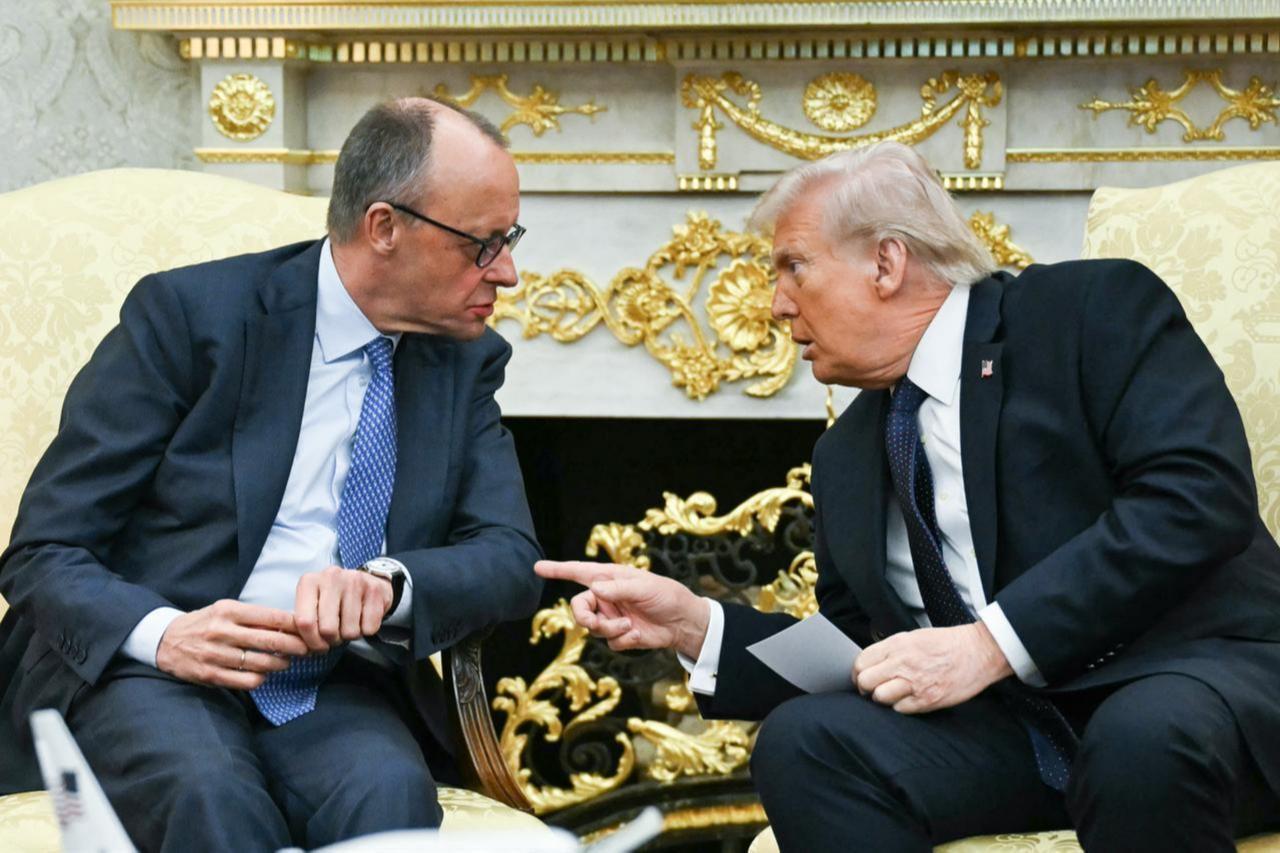


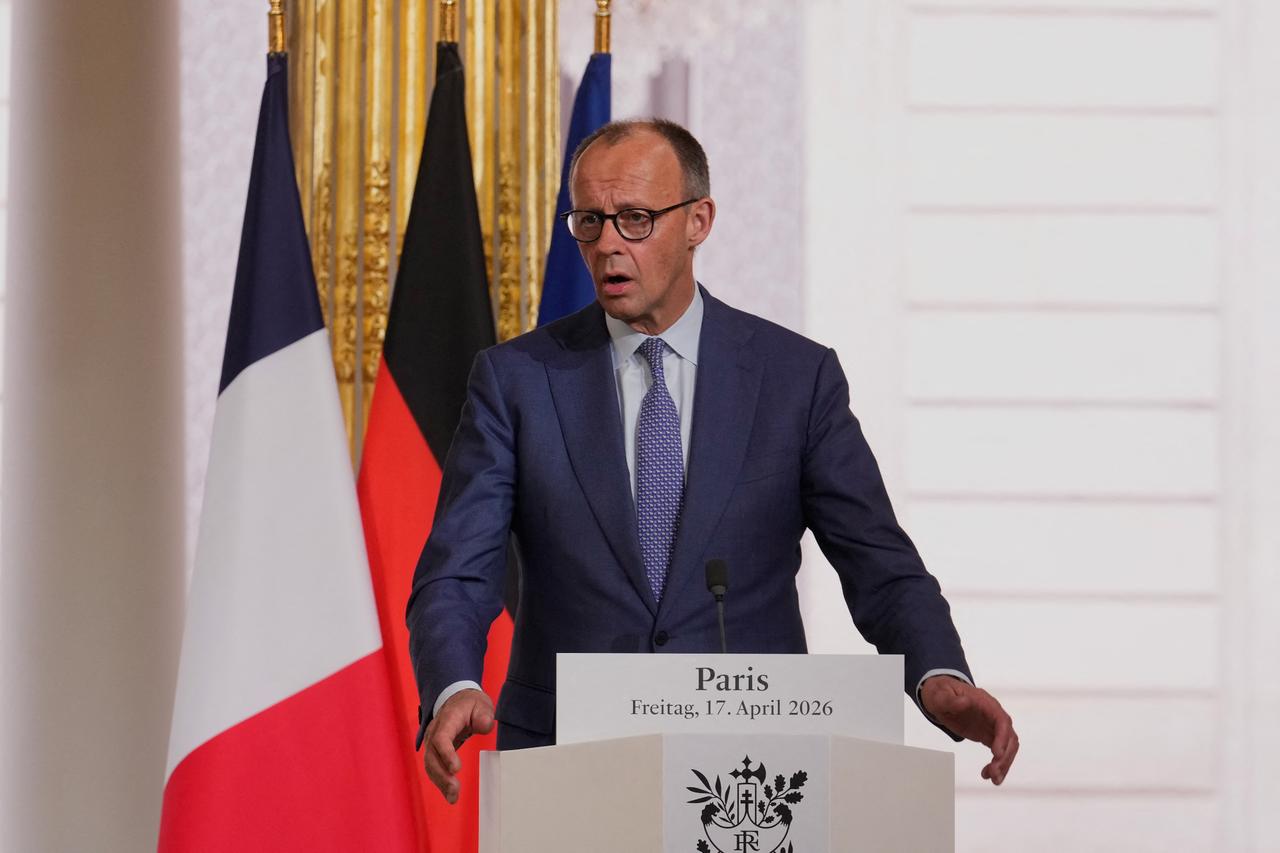
In a high school auditorium in Marsberg, a small town in Germany's Sauerland region, Chancellor Friedrich Merz recently spent an afternoon lecturing teenagers about Afghanistan and Iraq, two wars Washington had entered without knowing how to exit.
You don't just have to get in, he told the students; you have to know how to get out. He was building toward Iran. Washington, he said, hadn't figured that part out either.
Tehran's negotiators were humiliating an entire nation, by which Merz seemed to mean the United States. The bill, meanwhile, was landing in Berlin. The war was dragging down the German economy.
A year ago, when Israeli jets first struck inside Iran, Merz, one of postwar Berlin's most reliable Atlanticists, told reporters that Israel was doing "the dirty work for all of us."
Last month, when Donald Trump berated Spain and its leader Pedro Sanchez personally in the Oval Office over the country's refusal to back the war, the German chancellor sat silent and absorbed the president's praise.
Marsberg was the first time he broke ranks.
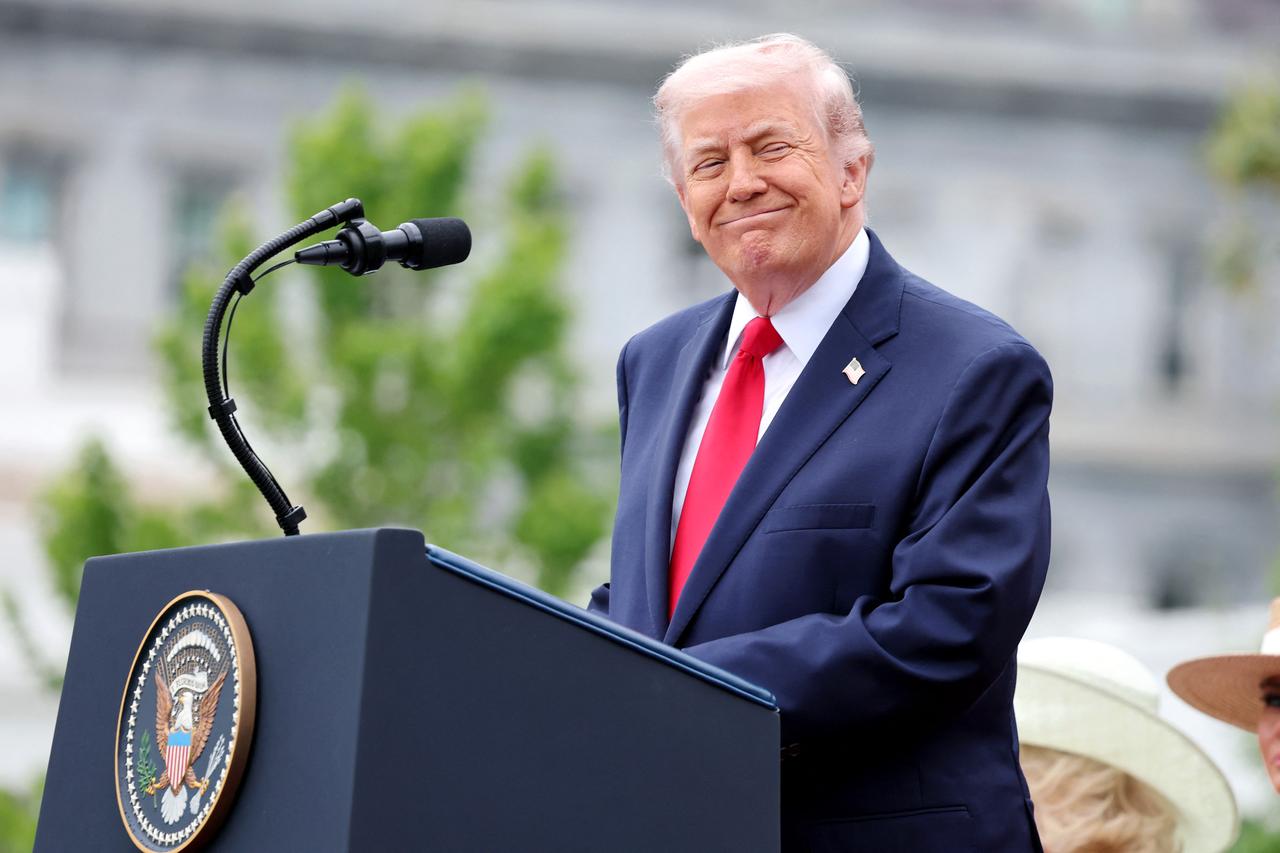
Twenty-four hours later, Trump fired back on Truth Social. Merz, he wrote, thinks it's okay for Iran to have a nuclear weapon. "He doesn't know what he's talking about." For good measure, Trump added that Germany was "doing poorly, both economically and otherwise."
Read this as another transatlantic spat, Trump unloading on a European leader, the European leader pushing back, NATO communiqués papering it over, and you miss what is happening.
When the most pro-Israel chancellor in a generation publicly says the United States is incoherent and humiliated by Iran, the alliance scaffolding holding up the war on Iran has begun to crack. It is cracking not on moral grounds but on strategic ones, the kind of crack that does not seal back up.
The Trump–Merz exchange exposes three things the war's supporters won't say out loud: there was never a strategy, only an entry plan; European loyalty was always priced; and Trump's coercive style has a credibility ceiling that Iran has now found.
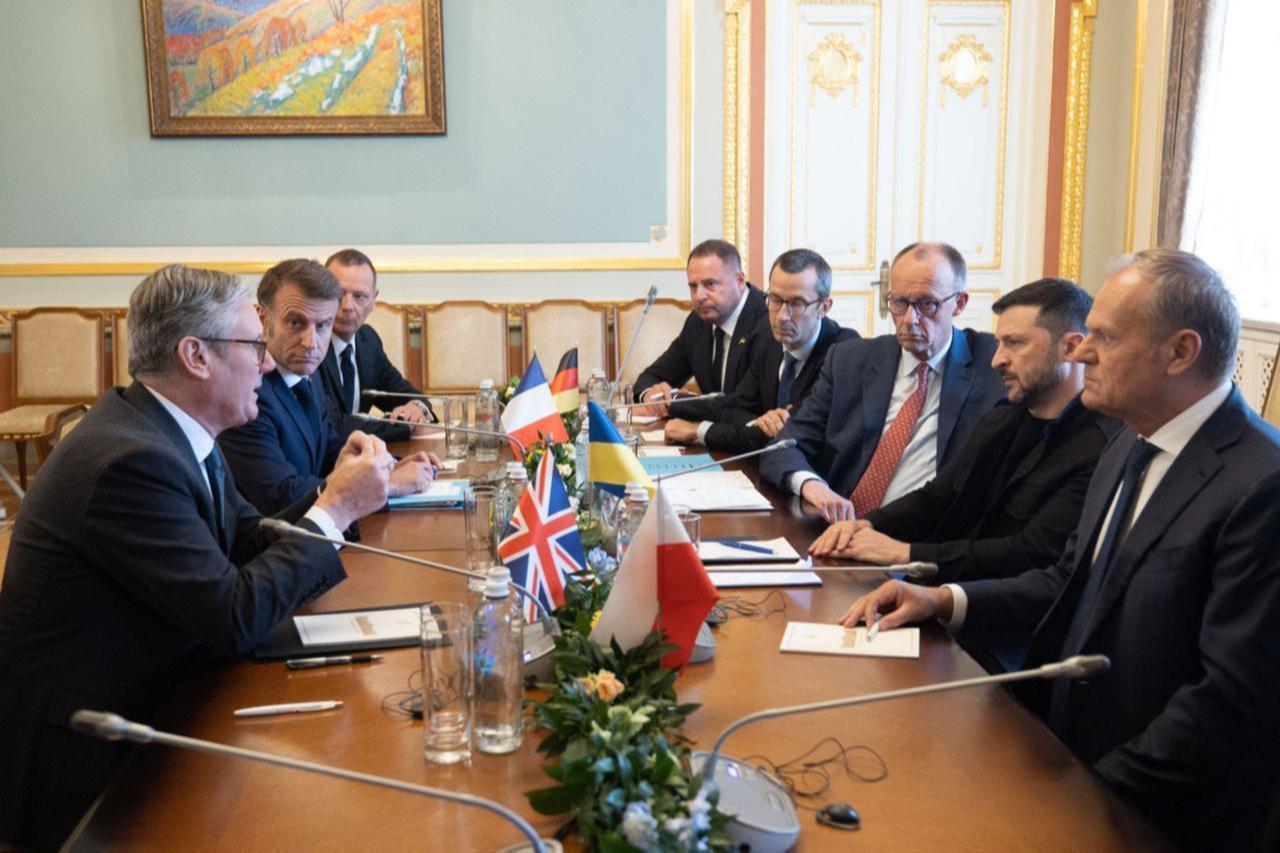

Washington never had a strategy on Iran. What began with U.S.–Israeli strikes on Iran's nuclear facilities on Feb. 28 has, two months later, settled into something stranger and harder to end.
The U.S. blockade of Iranian ports has met Iran's chokehold on the Strait of Hormuz, through which roughly a fifth of the world's seaborne oil passes, producing a stalemate measured not in casualties but in stalled negotiations.
The American envoys who flew to Islamabad earlier this month to meet Iranian officials came home empty-handed. Iran refuses to talk further while the blockade remains in place.
Trump canceled further talks and told Fox News he holds all the cards. Tehran disagrees. There is no theory of victory here, only a pressure campaign. Its victims are Iranian civilians, European economies, and global oil markets. None of them can vote in this year's American midterms.
Only one of them can make Washington stop. And Europe just started doing the math.
European loyalty to Washington was always conditional. Merz did not have a moral epiphany between March and April. What changed is the price of crude, the contraction of German industry, and the political cost of explaining to a recession-weary electorate why Berlin is absorbing the externalities of an Israeli-American war it was never consulted on.
Merz has just fallen to last place in the Institute for New Social Answers' (INSA) ranking of Germany's twenty most prominent politicians, his coalition's approval has dropped to 15%, and the Alternative für Deutschland (AfD) is now the country's most popular party.
Germany remains one of Israel's largest arms suppliers, roughly accounting for 30% of Israel's major arms imports between 2019 and 2023, second only to the United States, per Stockholm International Peace Research Institute (SIPRI). Merz's framing emphasizes the damage to German economic performance more than the damage to Iranian civilians under blockade.
That is not a profile in courage. It is a profile in arithmetic. The arithmetic is the point. When self-interested allies start calculating the war as a net loss, Washington's diplomatic insulation thins.
Cheap loyalty—vocal when nothing is asked of it, silent, as Merz was when Trump humiliated Spain in the Oval Office, when speaking up would cost something—is the first to be withdrawn when the bills arrive.
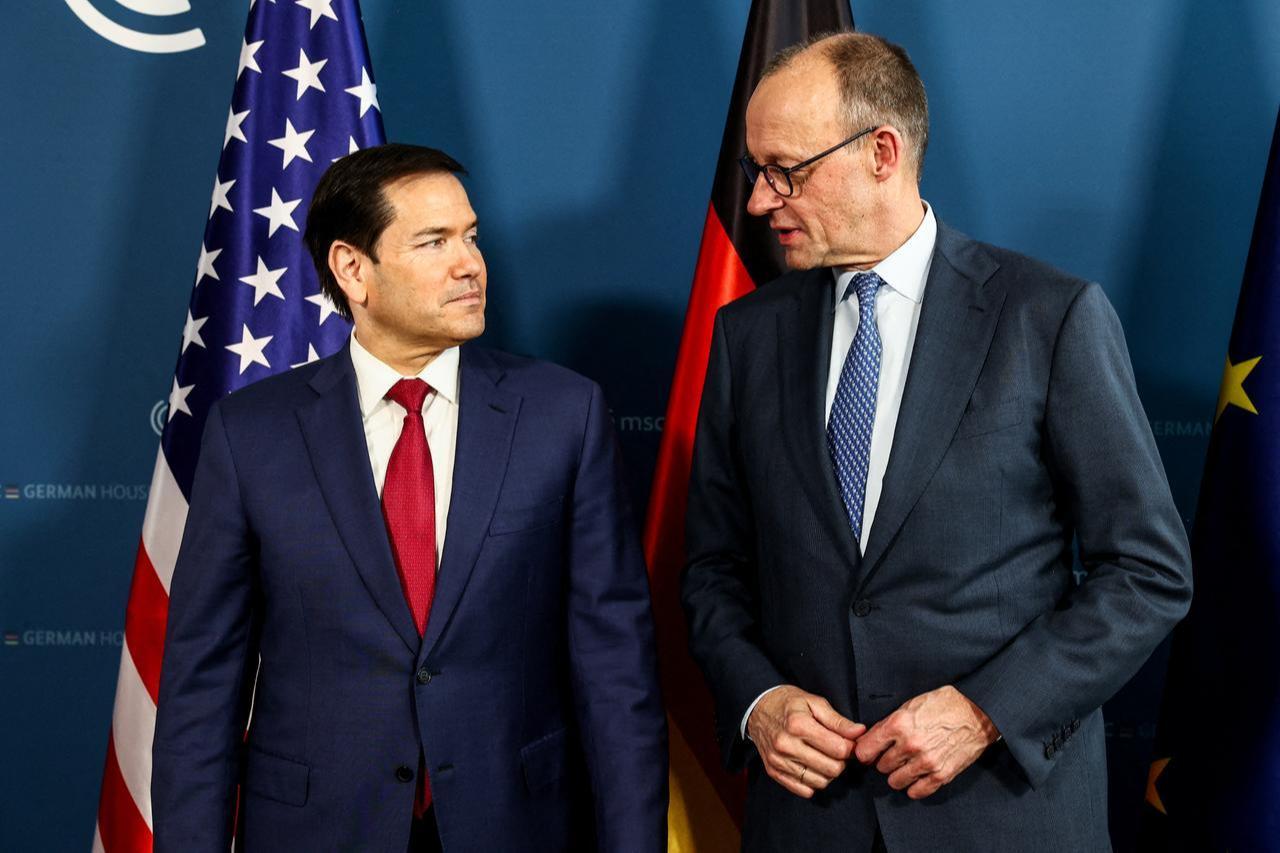
Trump's pressure has a credibility ceiling. Caricature the dissent, threaten the dissenter's economy, move on. It is the move Trump uses domestically, and it works on individual senators.
It works less well on chancellors with their own electorates, their own economic data, and their own intelligence services. It works least well when the claim contradicts the administration's own intelligence.
Trump's Director of National Intelligence Tulsi Gabbard told Congress before the war that the intelligence community's consensus assessment was that Iran had not resumed weaponization.
The "obliterated" Iranian nuclear facilities Trump celebrated after the June 2025 strikes have, evidently, required obliterating again. The justification keeps mutating because it has to. The ground is hollow. Merz, standing on European soil with European recession data, is now willing to say so.
The strongest objection is that Merz is grandstanding. He is performing strategic seriousness for a German audience facing economic pain. His criticism is opportunistic. His moral position is compromised by Berlin's continued arms shipments to Israel.
All true. Nonetheless, the objection cuts the other way: if even Merz, a hawk, a confirmed Atlanticist, a leader whose moral position on Israel is too entangled to call the war unjust, has concluded the war is strategically indefensible, the problem is not the chancellor's hypocrisy.
The problem is that the war has become so visibly incoherent that even compromised allies have run out of cover stories. Hypocrisy is information. When realpolitik allies start defecting on realpolitik grounds, the strategic situation is more advanced than the rhetorical battle suggests. Listen to the rhetorical battle anyway.
Trump's insult about Germany's economy is what the White House reaches for when it has no answer. The president was not asked whether Germany was prosperous.
He was told, by a friendly head of government speaking to schoolchildren, that the United States has no exit plan from a war it started on contested intelligence and is now losing at the negotiating table.
He had nothing to say because there was nothing to say. Reuters reported the same evening that the White House had asked its intelligence services to model how Tehran would react if Trump simply declared victory and ended the war.
The war was sold as preventing a nuclear weapon that, according to Washington's own pre-war assessments, was not being built. It is now stuck in a blockade that punishes everyone except its target's leadership.
Merz's break is the first audible crack in the coalition holding it up. It will not be the last. The question is no longer whether the strategy is working. The question is how long Washington can keep pretending there was one.
In Afghanistan, the pretense lasted twenty years. This time, it cannot. The bill is being paid in Europe, not in America.


 Set as preferred source
 Set as preferred source


 1 min read

 1 min read