Newsletters


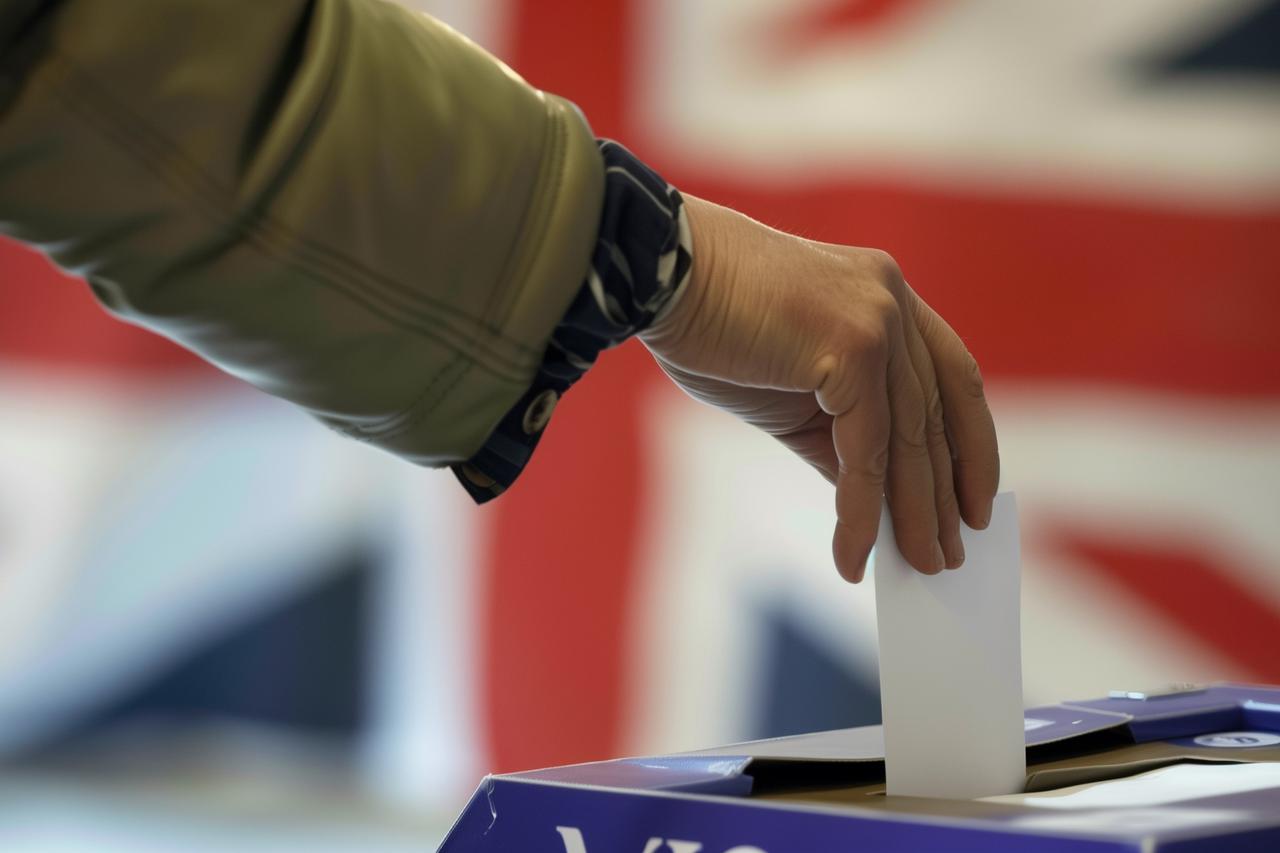


In less than a week, the United Kingdom is set to hold pivotal local elections that pollsters predict will reshape the political landscape. The Green Party’s victory in the Gordon and Denton by-election has raised discussion of how different communities are making their voices heard in Britain.
Less attention has been paid to the UK’s growing Turkish community, which current official figures estimate at 500,000 strong, though this is likely an outdated figure. Nevertheless, the community is poised to play an essential role in May’s election both as candidates and voters.
The story of Turkish migration to the U.K. began in the 1960s, when the war in Cyprus led to an exodus of Turkish Cypriots. This was followed by migration from mainland Türkiye, particularly during the 1970s and 1980s. These communities largely settled in London with hotspots such as Hackney and Haringey. Like many other migrant communities, they arrived in the U.K. with limited education or capital, with most working in London’s then-booming textile industry.
Firmly working class, most British Turks flocked to the U.K.’s center-left Labour Party, which has in turn produced most of their political representatives. The U.K.’s Turkish community is diverse, comprising Turkish Cypriots, Turkish Kurds and smaller groups such as the Bulgarian Turks. This diversity is reflected in the initial tranche of their Labour representatives.
The first was Member of Parliament Feryal Clark, of Turkish Kurdish origin. She served as a councillor in Hackney before entering Parliament and serving as the U.K.’s minister for AI and online safety.
This was followed by Mete Coban MBE, of Turkish Cypriot origin. He currently serves as the deputy mayor of London for environment and energy, going as far as New York to represent London and his community.
Finally, Nesil Caliskan MP, also of Turkish Cypriot origin. Elected to Parliament in the 2024 General Election, she serves as a senior government whip and as comptroller of the household.
However, the British Turkish community is showing signs of political maturity. While no official data exists, evidence suggests most British Turks remain firmly aligned with Labour, but this dominance is no longer unchallenged.
This shift is not without precedent.
Like the British Indian community before it, the British Turkish community appears to be following a similar trajectory. A migrant community, initially working class, begins to move up the socioeconomic ladder, building small businesses and entering the professions. With this comes the political diversity as a once unified community develops divergent conditions and interests.
British Turkish businesses are flourishing, with established names such as Kervan and TFC. At the same time, more British Turks are rising to prominence in professional life, including Tufan Erginbilgic, CEO of the U.K.’s iconic Rolls-Royce.
This new generation of Turkish British politicians embodies this political diversity, with many candidates hailing from the U.K.’s center-right Conservative Party, currently in opposition. One such candidate is Alara Ayyildiz, a Turkish Cypriot standing in London’s Cockfosters ward. As she puts it, “I’ve always been a Conservative, shaped by the values I was brought up with, but I’m part of a generation of British Turks who feel increasingly confident thinking independently about politics. At a local level, political engagement today is less about ‘tradition’ and more about supporting the party that is focused on addressing the real issues facing residents and improving everyday life.”
She is not alone, joined by colleagues such as Ceng Yawuz, Ediz Mevlit, Ertan Hurer and others. All are standing in Enfield, an area with one of the highest concentrations of British Turks and one that has traditionally been dominated by the Labour Party. The Enfield Council has been under Labour control since 2010, and a British Turk has led it since 2018, when Nesil Caliskan, now an MP, served as council leader prior to entering Parliament.
In total, there are a record 113 British Turks standing for election across London. Labour holds a plurality at around 34%, followed by the Liberal Democrats at 25% and the Conservatives at 13%, with the remainder spread across smaller parties and independent candidates. While Labour may no longer hold a hegemonic position, it remains the focal political force among British Turks. Beyond the harsh ebb and flow of electoral politics, these results should serve as a point of pride for a community that is coming into its own politically.
So, what will happen in the upcoming elections? I am no soothsayer, but what I do know is that British Turks will have a say. Since their arrival in the 1960s, the community has developed, and with that development has come evolution in its political preferences.
Whatever the outcome in May, the role of British Turks in public life will only continue to grow, to the betterment of themselves and the country they now call home.


 Set as preferred source
 Set as preferred source



 7 min read