Newsletters


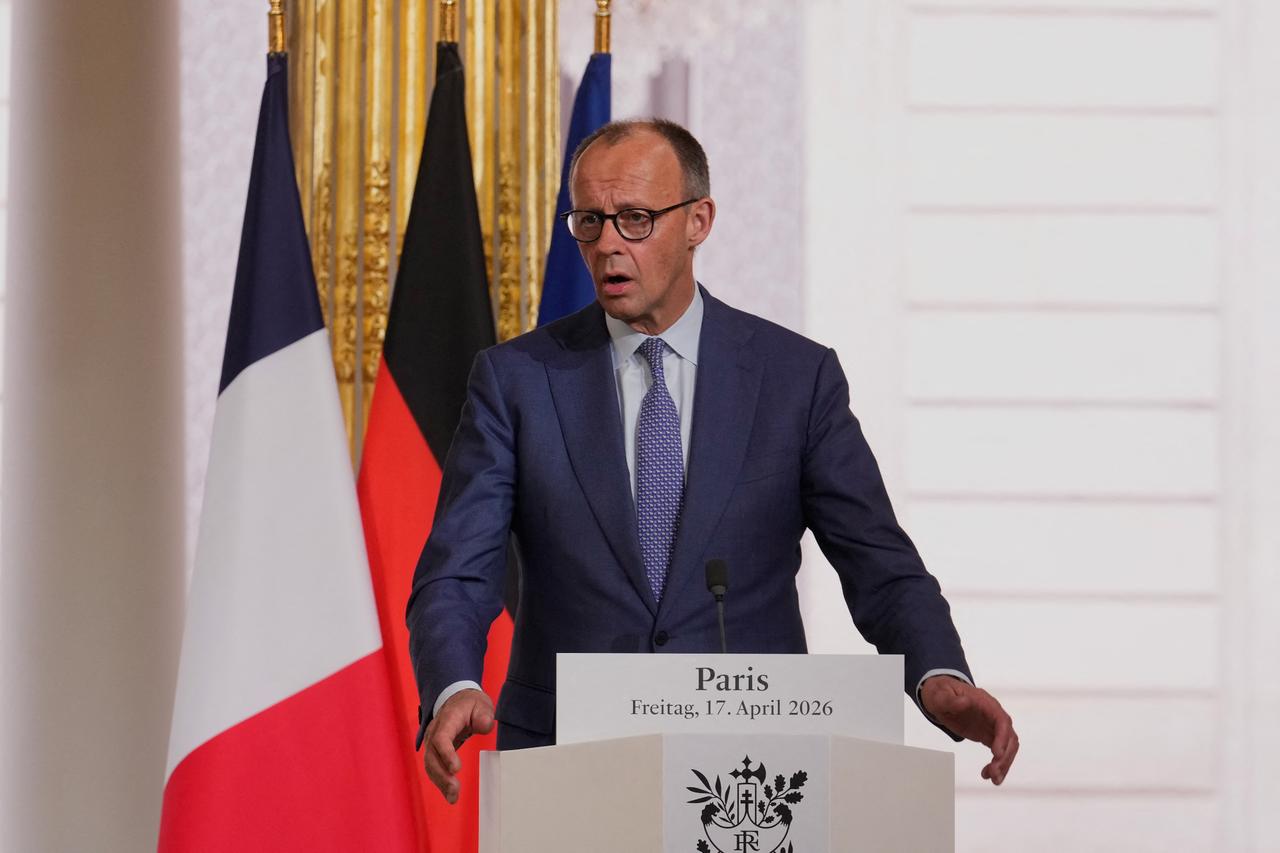


German Chancellor Friedrich Merz said Friday that Berlin may assist the United States in clearing sea mines in the Strait of Hormuz, despite President Donald Trump’s remarks that NATO should "stay away" from the effort.
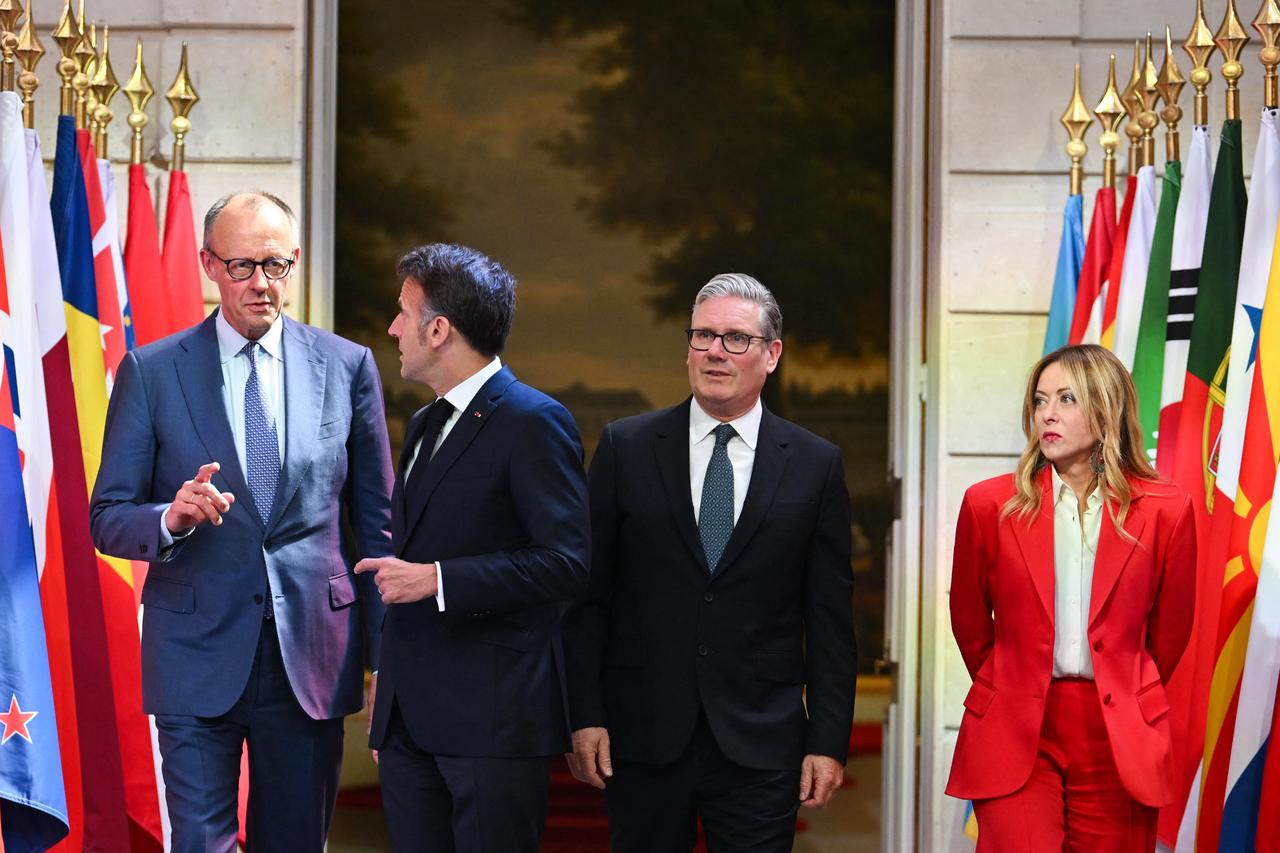
Speaking after talks in Paris with leaders from the UK, France and Italy, Merz pointed to ongoing military planning and welcomed potential U.S. participation in a broader mission to safeguard maritime traffic. He indicated Germany could take part once conditions allow.
"Soaring energy prices must come down again as quickly as possible, and this war must not become a transatlantic stress test," Merz said, addressing Trump’s remarks.
Germany is preparing for a possible contribution after hostilities ease, with Merz stressing that any deployment would require a clear legal mandate, such as a United Nations Security Council resolution.
French President Emmanuel Macron also welcomed Tehran’s announcement that the strait would remain open during the ceasefire but called for firmer guarantees.
He also said France and the UK agreed to lead a multinational mission to ensure navigation in the Strait of Hormuz, stressing it would be purely defensive and deployed only once peace is secured.
Leaders urged the "full, unconditional reopening" of the waterway, Macron stated, reflecting concerns over the durability of the current arrangement.
UK Prime Minister Keir Starmer described the development as positive but cautioned that it must prove "lasting and a workable proposal."
Italy’s Prime Minister Giorgia Meloni called the meeting “particularly productive,” adding that countries need to make sure there are no mines in the strait.

Earlier, Iranian Foreign Minister Abbas Araghchi announced that the Strait of Hormuz would remain fully accessible to commercial vessels for the duration of the two-week ceasefire with the U.S. as another ceasefire in Lebanon to halt Israeli strikes has been reached.
Tehran had earlier tightened control over the strategic waterway following the outbreak of war with the U.S. and Israel on Feb. 28, a move that disrupted global energy flows and shipping routes.
In a social media post, Trump said that Washington would keep its naval blockade on Iranian ports in place until a comprehensive deal with Tehran is finalized.
"The naval blockade will remain in full force and effect," Trump wrote, adding that the process toward an agreement "should go very quickly."
He also indicated that the United States would separately address the Hezbollah issue and asserted that Israel would no longer conduct strikes in Lebanon under U.S. direction.
In a later message, Trump claimed that Iran had begun removing sea mines with U.S. assistance and dismissed NATO’s potential involvement, arguing the alliance had been ineffective during earlier stages of the crisis.


 Set as preferred source
 Set as preferred source


 1 min read
 1 min read