Newsletters


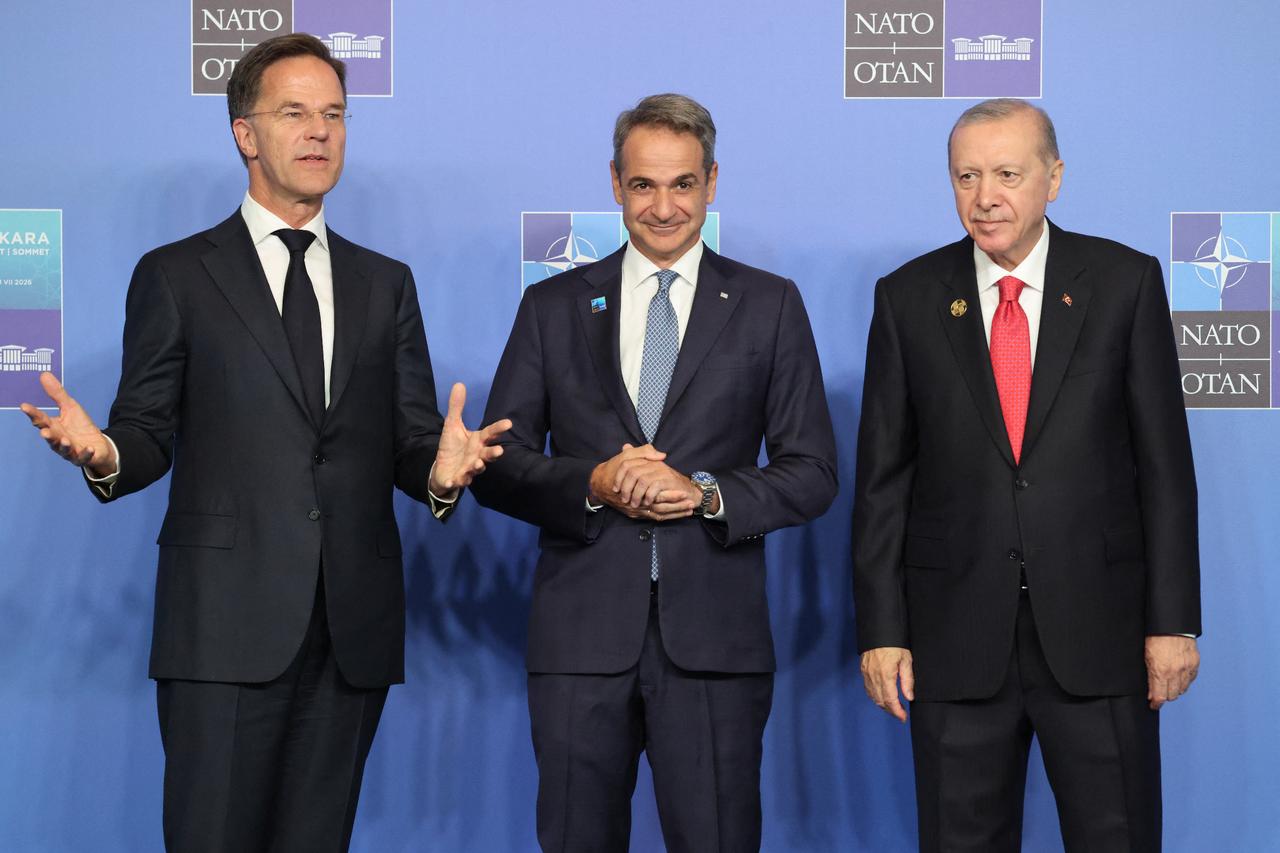


Ankara hosted the 36th NATO Summit of Heads of State and Government on July 7-8.
The main agenda of the summit, which brought together the leaders of all 32 member states, was defense spending, support for Ukraine, and defense industry cooperation.
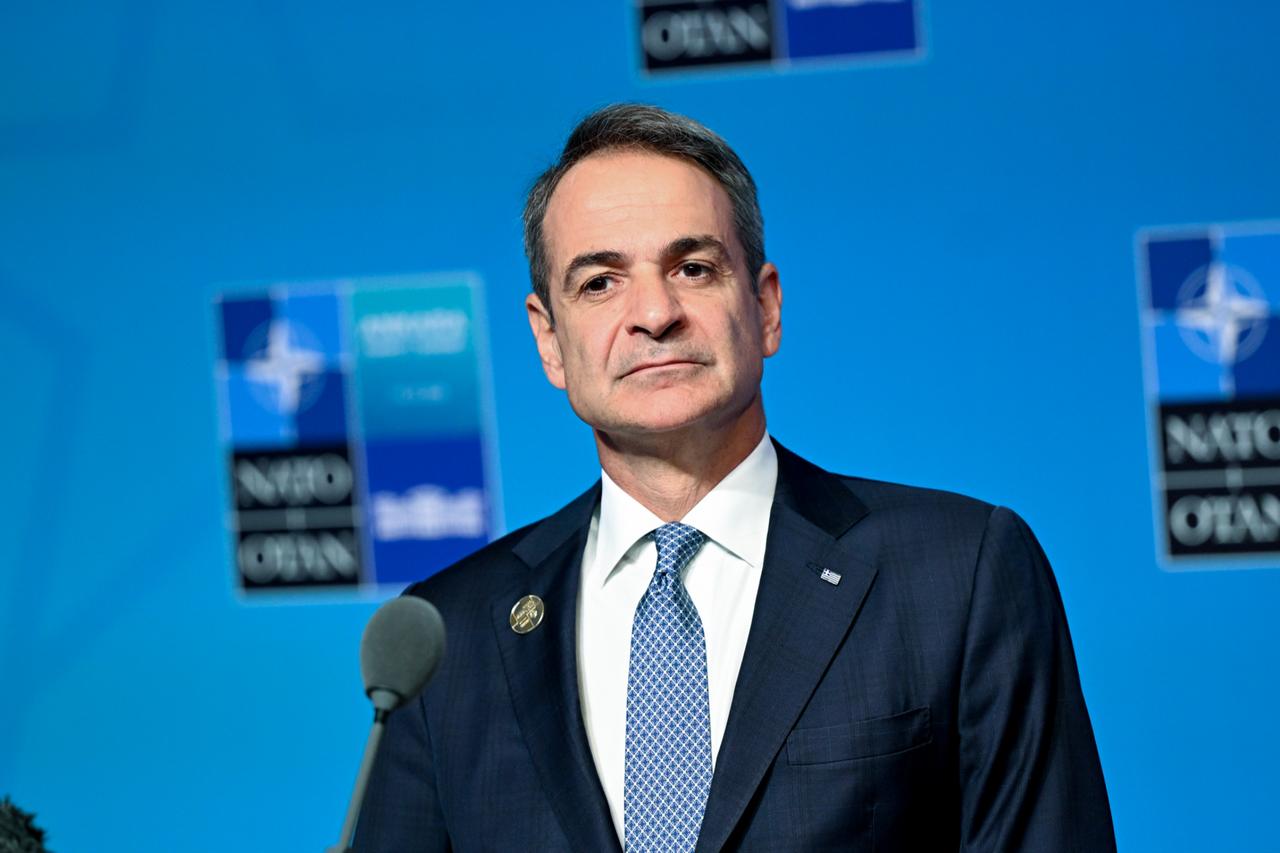
Yet some of the most talked-about moments of the summit were Greek Prime Minister Kyriakos Mitsotakis being welcomed with a Mehter March and his remarks at the press conference that “my country is under an open threat of war from Türkiye.”
The first question put to Mitsotakis at the press conference concerned Trump's green light for an F-35 sale to Türkiye.
Mitsotakis avoided commenting directly on the matter but immediately added, unprompted, "Should we exercise our legal rights if we find ourselves facing a threat of war with Türkiye? The sensitivities of all allies should be taken into account.”
This answer was a well-worn line, referring to Ankara's “casus belli” response to Greece's bid to extend its territorial waters to 12 miles.
But the issue was not merely a legal one. An allied leader had declared the very host receiving him a “source of threat" and had done so, on top of it all, on the wrong stage.
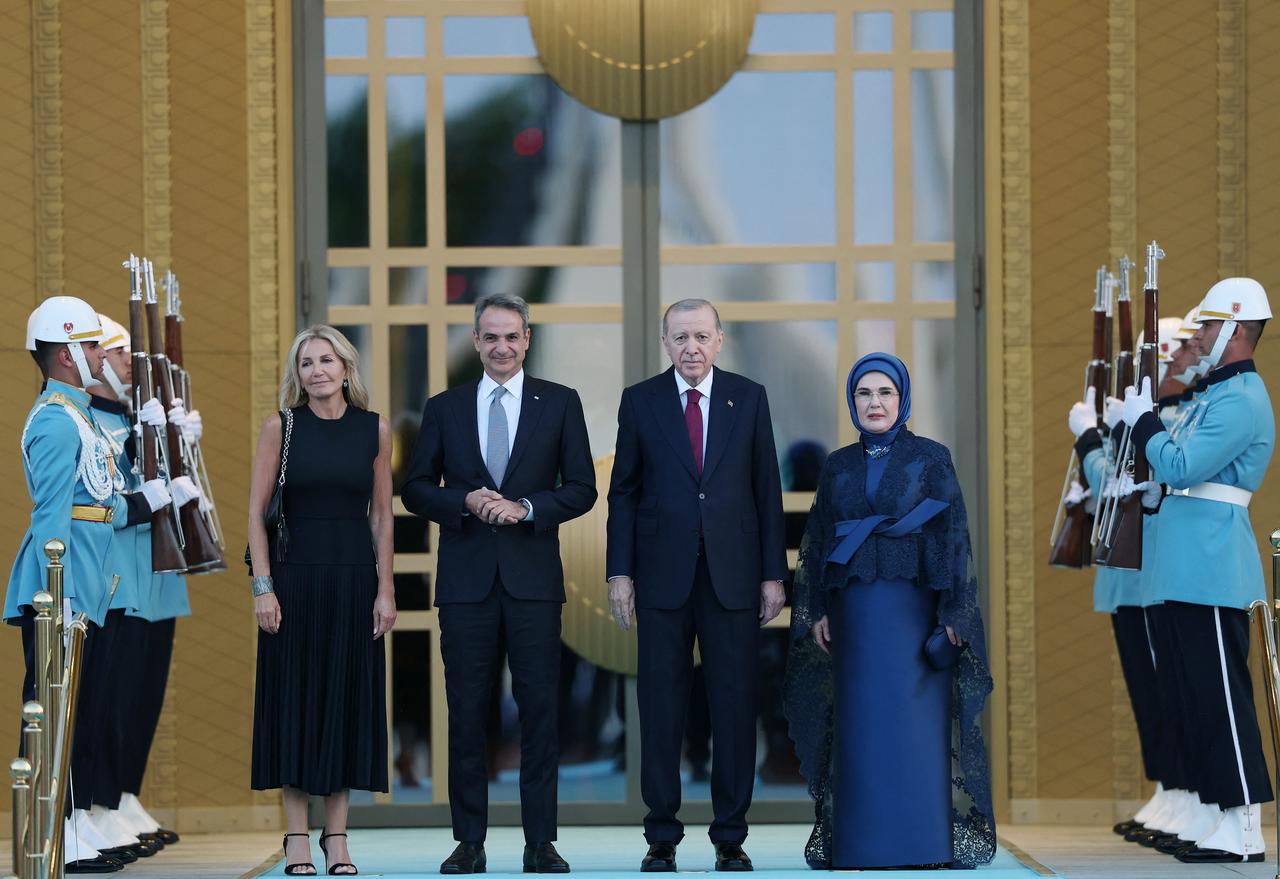
Notably, the evening before Mitsotakis made that remark, he had been welcomed at the reception at the Presidential Complex by the Mehter band playing “Ceddin Deden.”
A prime minister welcomed with a march so tied to that history said, the very next day in the same city, “We are under threat of war.” The sequence was, for the Greek side, rather ironic.
The footage of Mitsotakis being welcomed with the Mehter March is set to become a far more lasting narrative than his “threat of war” remark because a leader having posed, in advance, in a scene that itself proves his own fear is exactly the kind of image politicians most try to avoid.

Mitsotakis' outburst was not received as a triumph in Greece either; the opposition read it as a confession.
The prime minister being forced to say “we are being threatened” was nothing but an indirect admission of the failure of the long-pursued “calm waters” policy.
The common thread running through the opposition's reaction was this: Greece pays like a champion in NATO yet is represented like an observer; the country is increasingly being pushed into the role of a bystander in international developments.
The sharpest criticism came from the communist KKE, which dismissed Mitsotakis' pride in reaching the 3.5% defense spending target early, saying Türkiye's rise had come with the “blessing” of the United States and France.
French President Macron, who a few months earlier had made grand promises against the backdrop of the Acropolis and is now in Ankara busy selling weapons to Erdogan, was cited as proof that the alliance's “stability” is nothing more than a play on words for ordinary people.
The spokesperson for the official opposition, PASOK, said the government had tried to downplay the F-35 and Türkiye-related issues at the summit and that despite billions of euros spent on defense over the years, Greece was still not getting the treatment it deserved within NATO.
The Greek Left Alliance, close to SYRIZA, meanwhile demanded that Mitsotakis explain, after the summit, what exactly he had brought back from Ankara that served the national interest.
In fact, this picture reflects the real deadlock in Greek politics: neither the government nor the opposition can produce a tangible alternative to halt Türkiye's rise.
Producing tough rhetoric is easy and comes at little political cost; building an actual counter-strategy, on the other hand, requires both financial and diplomatic costs.
Mitsotakis' “threat of war” outburst was nothing but noise meant to cover up that very shortfall.
One reason for Athens' faltering at the level of rhetoric was that, at the very same time, Ankara was quietly racking up concrete gains on the ground.
Turkish F-16s will take up a NATO Air Policing mission in Estonia starting in August, and Ankara will command the Allied Reaction Force in 2028-2029.
Türkiye's weight within the alliance is growing not in speeches but in concrete duties tied to a calendar.
The same momentum is visible in the F-35 file too: if approval comes through, Ankara will be able to make the five aircraft it has already paid for operational almost immediately, with pilots already trained in the United States.
This prospect has created such unease in Athens that concerns have even been voiced, however exaggerated, that subsystems on the delivered F-35s could leak into Türkiye's KAAN project; overblown as they may be, they show the scale of the distrust.
The CAATSA file has moved in the same direction.
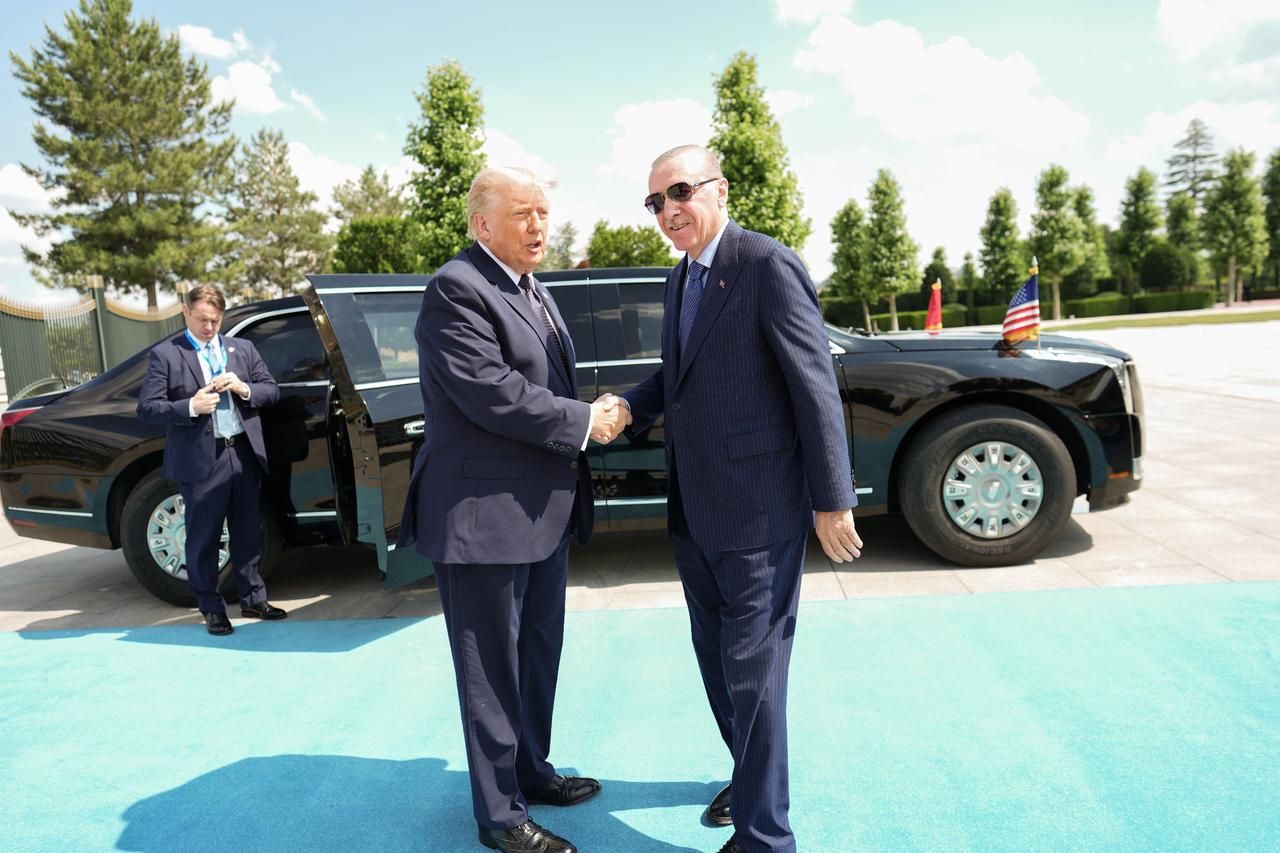
Even before the summit had formally opened, President Trump, at the start of his meeting with President Erdogan at Bestepe, said in response to a reporter's question that “we will lift the sanctions,” adding that they did not want to impose sanctions on friends.
On the F-35 question too, he said the decision was theirs to make and that they would take it up.
Trump's habit of referring to Erdogan as his “friend” strengthens the odds that this process will move in Ankara's favor.
Still, both the actual lifting of CAATSA and the F-35 sale are part of a multilayered process requiring congressional approval, and Athens will have to spend that process trying to undermine it, all the while gripped by anxiety.
Greece now has two paths ahead of it: either keep presenting tough rhetoric as a foreign policy strategy and face the same disappointment every time, or accept Ankara's growing weight and come to the table with that reality.


 Set as preferred source
 Set as preferred source


 2 min read
 1 min read