Newsletters


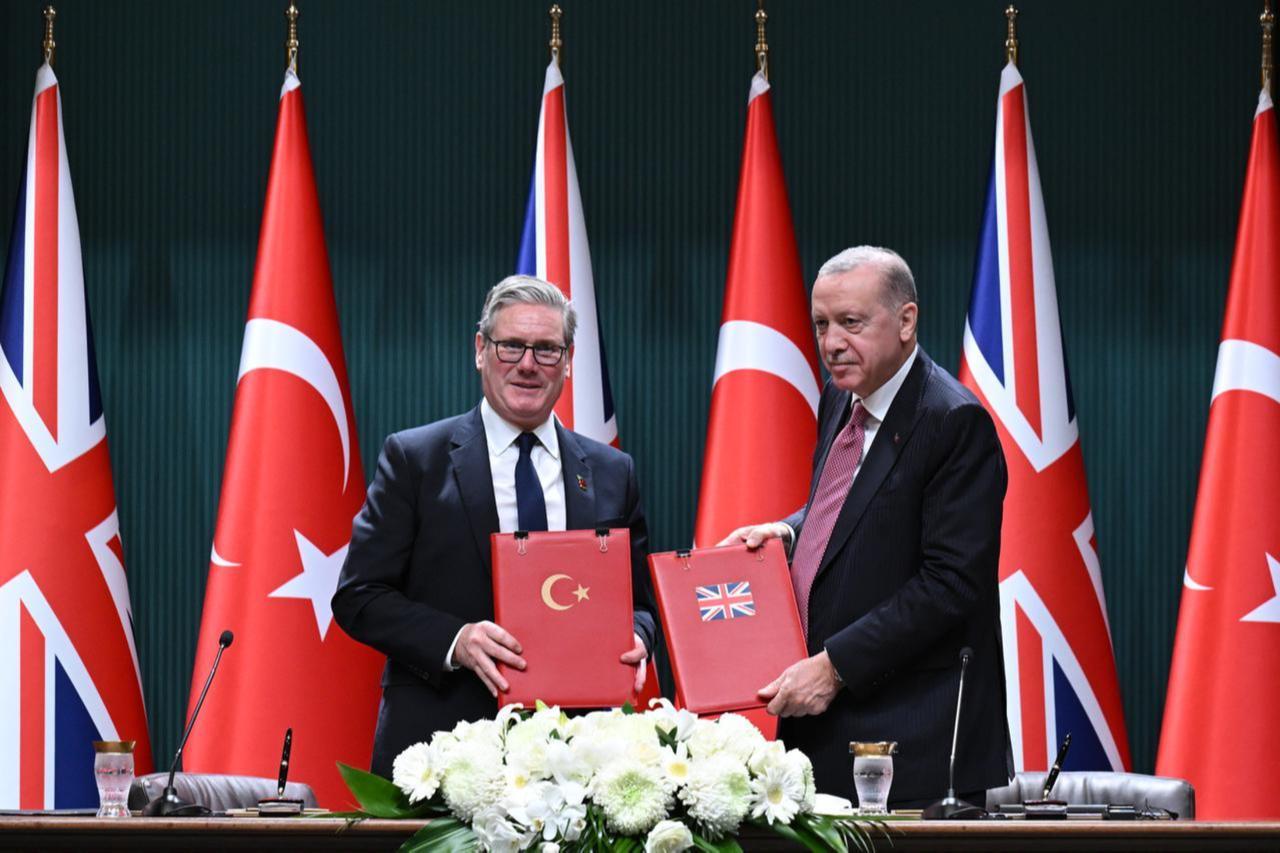


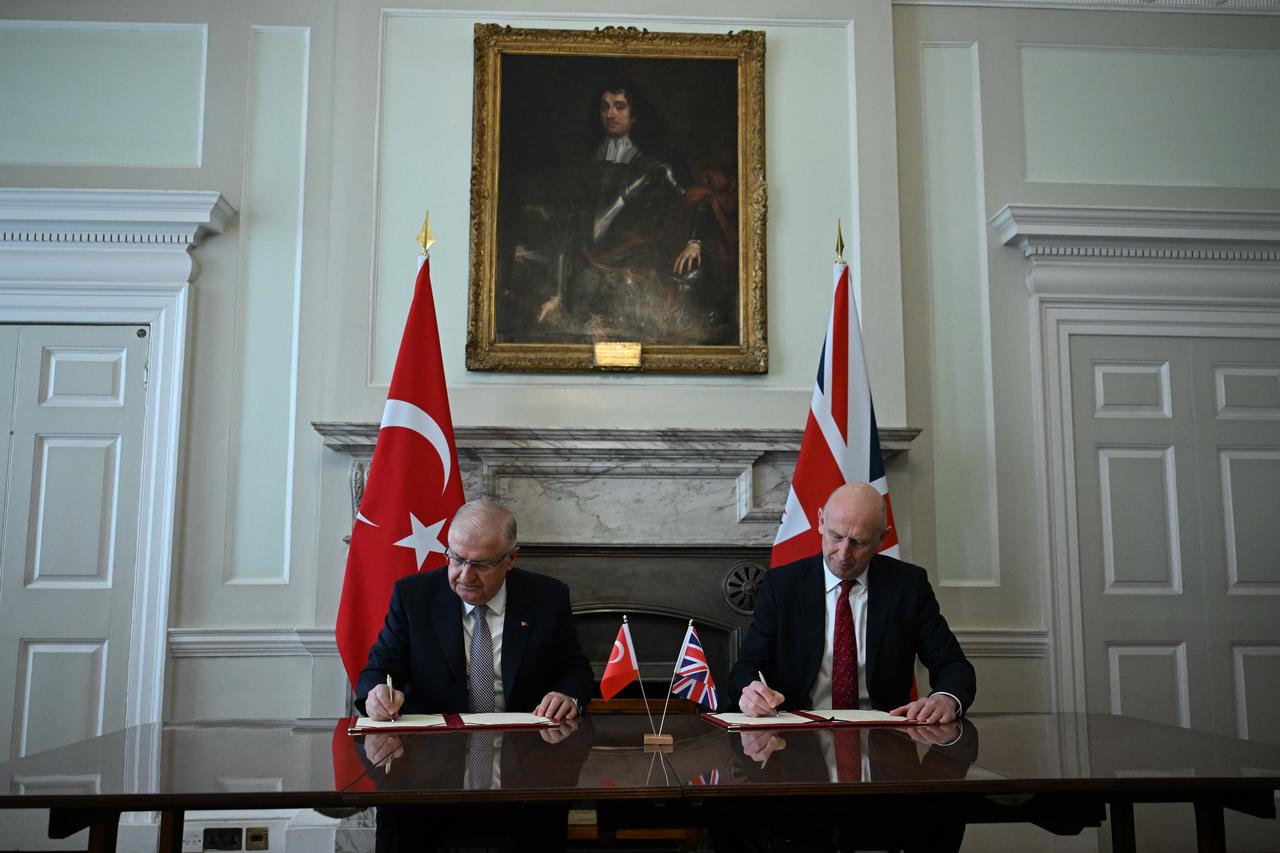
The Strategic Partnership Framework signed on Thursday between the United Kingdom and Türkiye may be the next step in the deepening of bilateral relations that have existed since the 16th century. But it signals something far more consequential: any European defense architecture that treats the U.K. and Türkiye as peripheral may look elegant in Brussels, but it will be inadequate on the battlefield.
Following Russia’s invasion of Ukraine in 2022, Brussels has been rediscovering the language of hard power. “Strategic autonomy” and “resilience” have become the latest buzzwords in the Commission, with increased emphasis on the bloc’s ability to rearm itself, enhance its energy security, and rapidly deploy required capabilities to ensure readiness before this decade is out.
The realization is welcome, though it does not resolve the conceptual blind spot at the heart of Brussels’ security thinking: the tendency to confuse Europe with the bloc and European security with membership.
The U.K.–Türkiye Strategic Framework exposes that blind spot. Britain and Türkiye sit outside the EU. Yet both are indispensable to any credible European defense architecture.
Britain is a nuclear power, a permanent member of the UN Security Council, a G-7 economy, and one of NATO’s principal European contributors.
Türkiye commands NATO’s south-eastern flank, hosts LANDCOM, controls access between the Mediterranean and the Black Sea, fields the alliance’s second-largest army, and has cemented itself in recent years as a significant military-industrial power.
The central fact that the EU cannot ignore is that two of Europe’s most important military powers are not members of the Union.
Türkiye understands this from its accession process. Britain has learned this from Brexit negotiations.
Both countries, for different reasons, have had to think beyond the institutional patchwork of Brussels when pursuing their security interests.
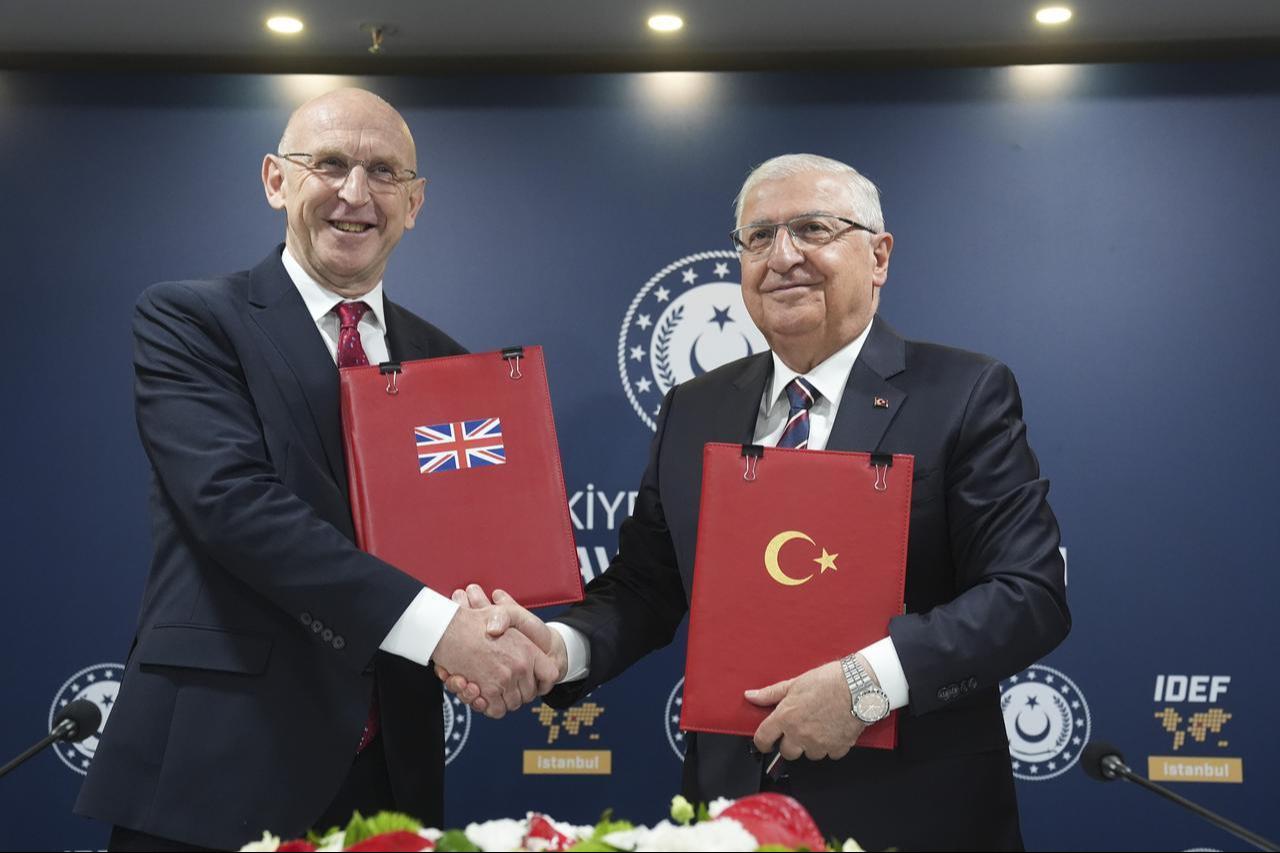

Post-Brexit Britain has embarked on AUKUS, to the chagrin of France; partnered with Japan and Italy on the development of a sixth-generation stealth fighter jet through the GCAP program; and indefinitely extended the U.K.–U.S. Mutual Defense Agreement.
Türkiye, long caught between EU candidacy and estrangement, has independently enhanced its strategic depth without abandoning the Atlantic alliance.
Türkiye brokered the Black Sea Grain Initiative without the EU at the table, accelerated the development of its own defense industrial base to become a global leader in drone technology, and built one of the world’s largest diplomatic networks to expand its reach across the Turkic world, Africa, and the Middle East—the very regions where Europe’s security, energy, migration, and trade interests increasingly converge with Ankara’s.
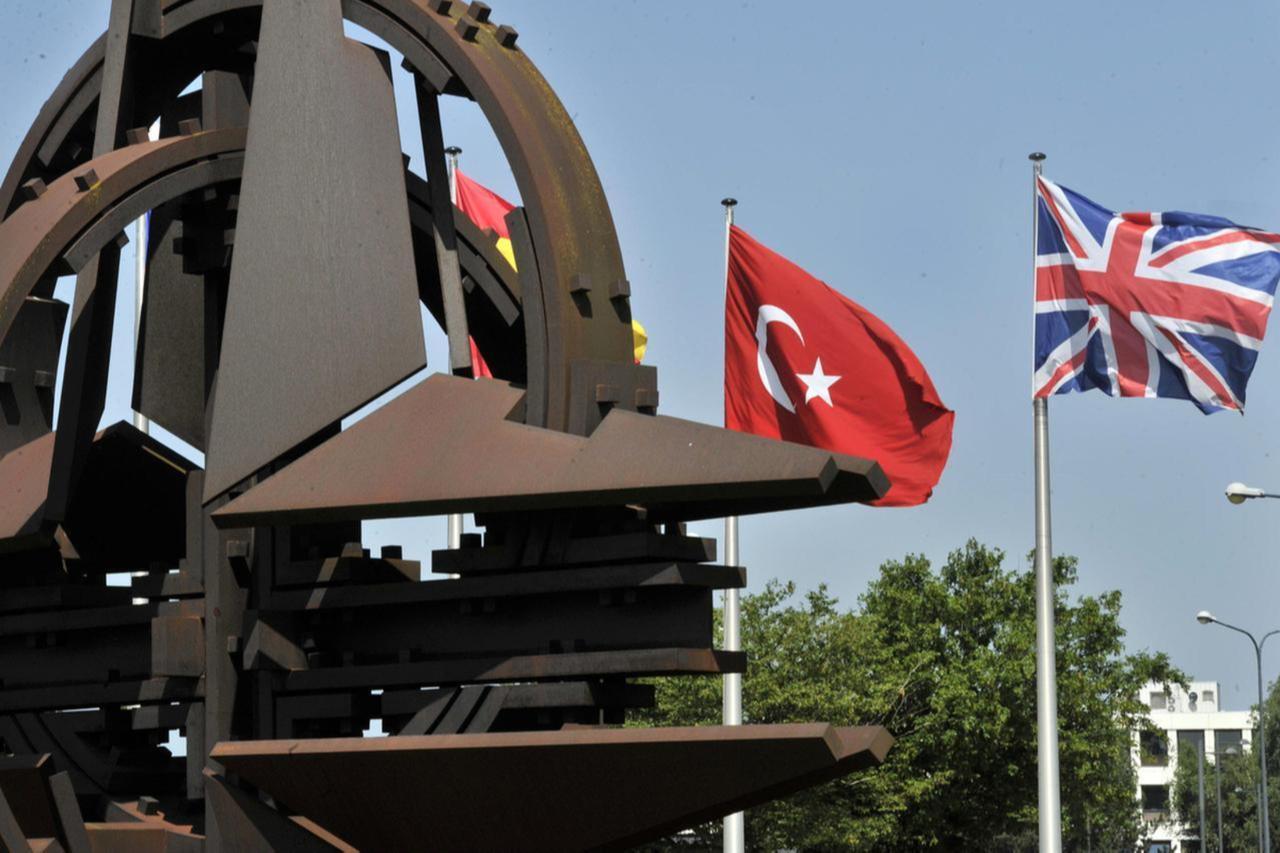
The result is an emerging pattern of British and Turkish security policy that remains anchored in NATO but is not centered on the EU. The U.K.–Türkiye Strategic Partnership Framework is aligned with this reality, formalizing a convergence of non-EU European powers that has been deepening for some time.
The agreement speaks explicitly of cooperation between two NATO allies, with emphasis on Euro-Atlantic security, deeper defense capability development, counterterrorism, organized crime, energy security, science, technology, and trade.
This touches an old wound for Brussels. For decades, Britain was the staunchest advocate of Turkish accession to the EU.
London saw Turkish membership as an instrument to expand Europe’s economic, political, and security weight, anchor a pivotal NATO ally more firmly within the European order, and prevent the European Union from hardening into a narrower Franco-German, eurozone-dominant project.
David Cameron’s 2010 Ankara speech remains the clearest expression of that view.
He argued that Türkiye was vital to Britain’s economy, security, and diplomacy and warned that a European Union without Türkiye would be “not stronger but weaker, not more secure but less secure, not richer but poorer.”
The line has aged better than critics in Brussels would have imagined.
The first responsibility of European states is the defense of Europe. That task cannot be performed by pretending that the most strategically relevant actors in the neighborhood are simply those easiest to fit inside the EU’s institutional framework.
The EU’s own defense ambitions make this contradiction more urgent.
The Readiness 2030 agenda and SAFE instrument represent a serious attempt to mobilize resources at scale, with the Commission seeking to unlock more than €800 billion in defense spending, including a €150 billion loan instrument for joint procurement in air and missile defense, drones, artillery, ammunition, cyber, and military logistics.
Yet Türkiye and the United Kingdom—nations with advanced capabilities that could help enable EU security goals—have been left deliberately in the cold.
This raises the question of whether the EU is building capability or fashioning an EU industrial policy that misses the mark on re-establishing credible deterrence against the continent’s common adversaries.
Indeed, the theater of Ukraine has shown the danger of dependence, fragmentation, and limited industrial bases. But “buy European” is a slogan, not a doctrine.
If it means building scale, resilience, and sovereign capacity among allies, it is sensible. If it becomes a protectionist reflex that excludes capable non-EU NATO partners, it risks weakening the security it claims to serve.
The EU has partially begun to recognize this with Britain. The U.K.–EU Security and Defence Partnership, agreed upon in 2025, describes Britain as an essential partner and acknowledges NATO as the foundation of collective defense for the U.K. and the 23 EU member states that also belong to the alliance.
That is an important step, though still a cautious one.
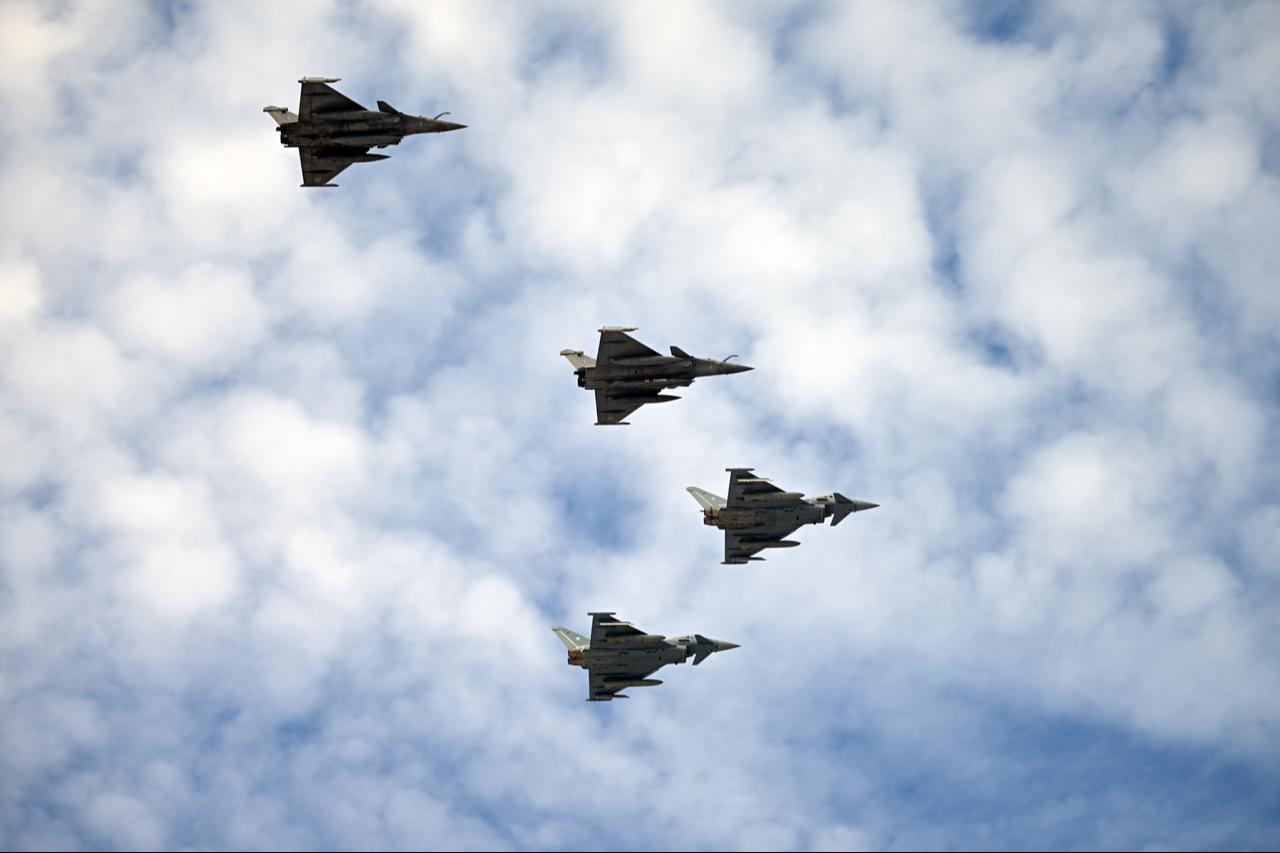
A comparable realism is needed towards Türkiye. This does not mean reviving accession theatrics as a condition. It means structured, interest-based cooperation in areas where European and Turkish priorities overlap.
It means understanding Ankara not merely as a problem to be managed but as a significant regional power whose alignment would strengthen Europe’s strategic environment.
The alternative is familiar. Brussels can speak of geopolitical Europe while designing policies around the membership list of the European Union. It can treat NATO as indispensable in principle but awkward in practice.
It can lament American skepticism while failing to integrate the strongest non-EU European allies into its planning. It can insist on strategic autonomy while neglecting the strategic actors on its borders.
That would be a mistake. The lesson of the U.K.–Türkiye partnership is that London and Ankara are essential to Europe’s security architecture.
For Brussels, this should be clarifying rather than threatening.
The EU has a unique strength in bringing institutional and political coherence across highly advanced economies, enabling them to act with one voice.
Britain and Türkiye, conversely, have assets the EU needs: military reach, defense-industrial depth, geography, intelligence, diplomatic networks, and NATO weight.
A serious Europe would combine these strengths. An insecure one would police the boundary between insiders and outsiders.
The question is not whether Türkiye should join the EU, or whether Brexit was a mistake. Those are yesterday’s arguments.
The test is whether Europe can construct a security order equal to the threats it faces.
That order will have to include the EU, but it cannot be confined to it. It will have to strengthen NATO, not serve as an alternative.
The EU will have to work with Britain because Britain remains a European power. The EU will have to work with Türkiye because geography and military capability make Türkiye unavoidable.
Above all, it will have to accept that the defense of Europe is too important to be organized around institutional membership.
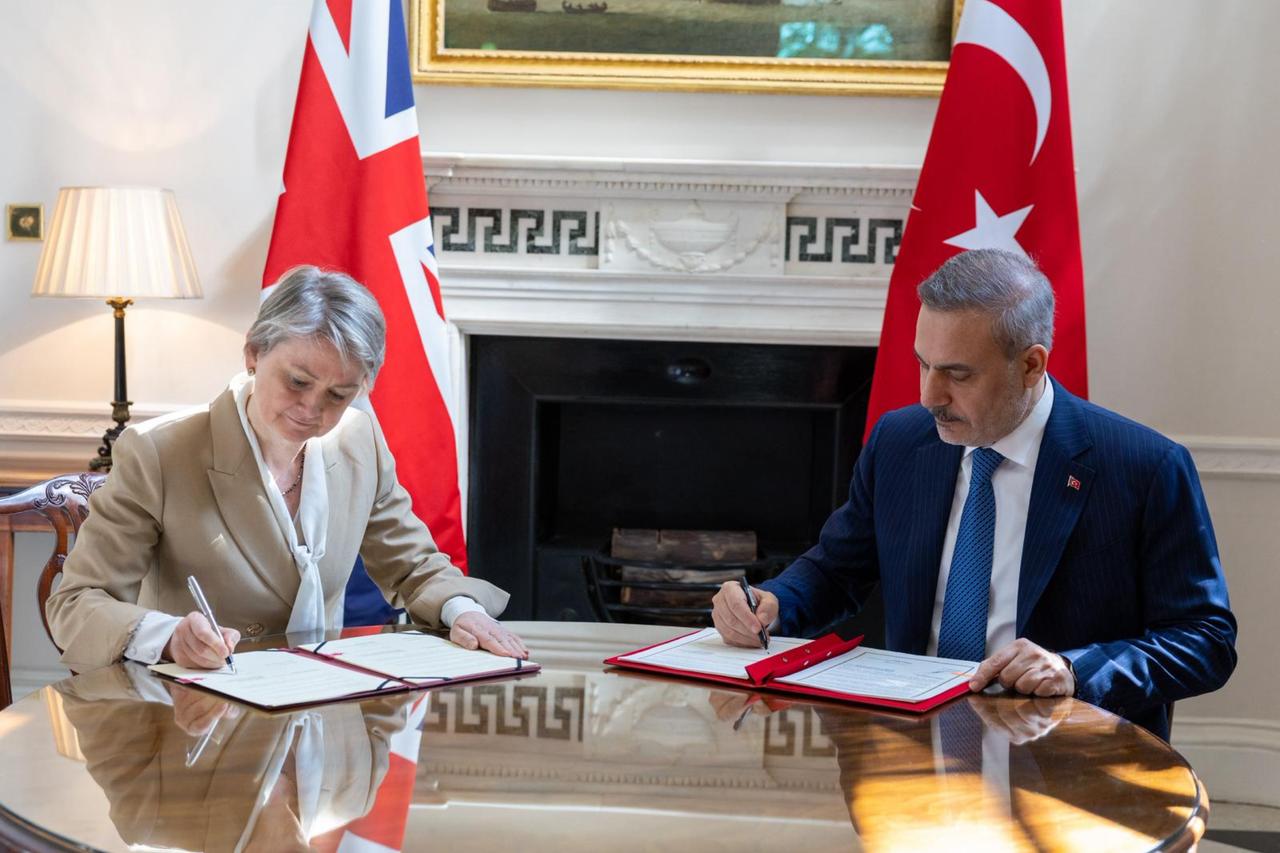
The U.K.–Türkiye Strategic Partnership Framework is more than the next logical step in deepening Anglo-Turkish ties. It is a signal for the direction of Europe’s defense architecture. Brussels should welcome it.


 Set as preferred source
 Set as preferred source


 1 min read
 1 min read