Newsletters




The International Monetary Fund (IMF) recently lowered its economic growth forecast for China by 0.1 percentage points, citing shocks from the Iran war.
Meanwhile, IMF Managing Director Kristalina Georgieva has said that China’s economy remains resilient and holds significant growth potential.
The IMF’s assessment accurately points to the scenario China is facing: the Iran war is inevitably posing challenges for the world’s second-largest economy, but China is perhaps capable of weathering shocks.
First of all, the disruption around the Strait of Hormuz isn’t dealing a heavy blow to China’s energy security.
According to China’s National Bureau of Statistics, oil accounts for less than 20% of China’s energy consumption. China’s domestic oil production meets around 25% of its oil demand.
As for oil imports, China has a strategy of purchasing them from as many sources as possible. No single country takes up over 20% of China’s oil imports, and around 40% are shipped through the Strait of Hormuz.
Therefore, data from Nomura’s chief China economist sounds credible: oil shipments through the strait account for only 6.6% of China’s overall energy consumption, and natural gas imports through the route account for another 0.6%.
Since the 1990s, energy security has been a top priority of the Chinese government. Data compiled by a think tank affiliated with China National Petroleum Corporation (CNPC), a major Chinese state-owned petroleum company, shows that domestic supplies met nearly 85% of China’s total energy demand in 2025, up from 80% in 2020.
China’s forward-looking investment in the green economy has built another cushion against an external supply shock.
As of 2025, the share of non-fossil fuels in the country’s total energy consumption had reached over 20%, compared to 12% a decade earlier. Plans are underway to further increase the share to 25% by 2030. Electric vehicles have hit half of new auto sales in China, meaning its car market is much less reliant on oil than in the past.
China’s consistent, long-term endorsement of the green economy is primarily driven by a sense of urgency to tackle climate challenges.
When China passed its renewable energy law in 2005, it could by no means predict that the US and Israel would launch a war against Iran two decades later.
However, when the war did come and triggered the Hormuz crisis, renewable energy sources, which don’t rely on maritime shipping, appear to have become more relevant than ever in shielding us from energy shocks.
In this regard, China is not alone. Because of Spain and Brazil’s investments in renewables, their energy systems have also proved to be resilient in the face of the Hormuz crisis.
That said, certain key sectors of the Chinese economy are still reliant on oil, such as aviation, heavy truck transportation, and maritime shipping. In particular, a large portion of China’s oil demand growth is nowadays driven by petrochemical production.
Rather than being burned as fuels, petrochemical products are usually converted into key materials in the manufacturing sector, such as plastics and fibers.
According to analysis by the International Energy Agency, China’s demand for oil-based fuels declined in 2024, but its oil demand for petrochemicals rose almost 5% in the same year.
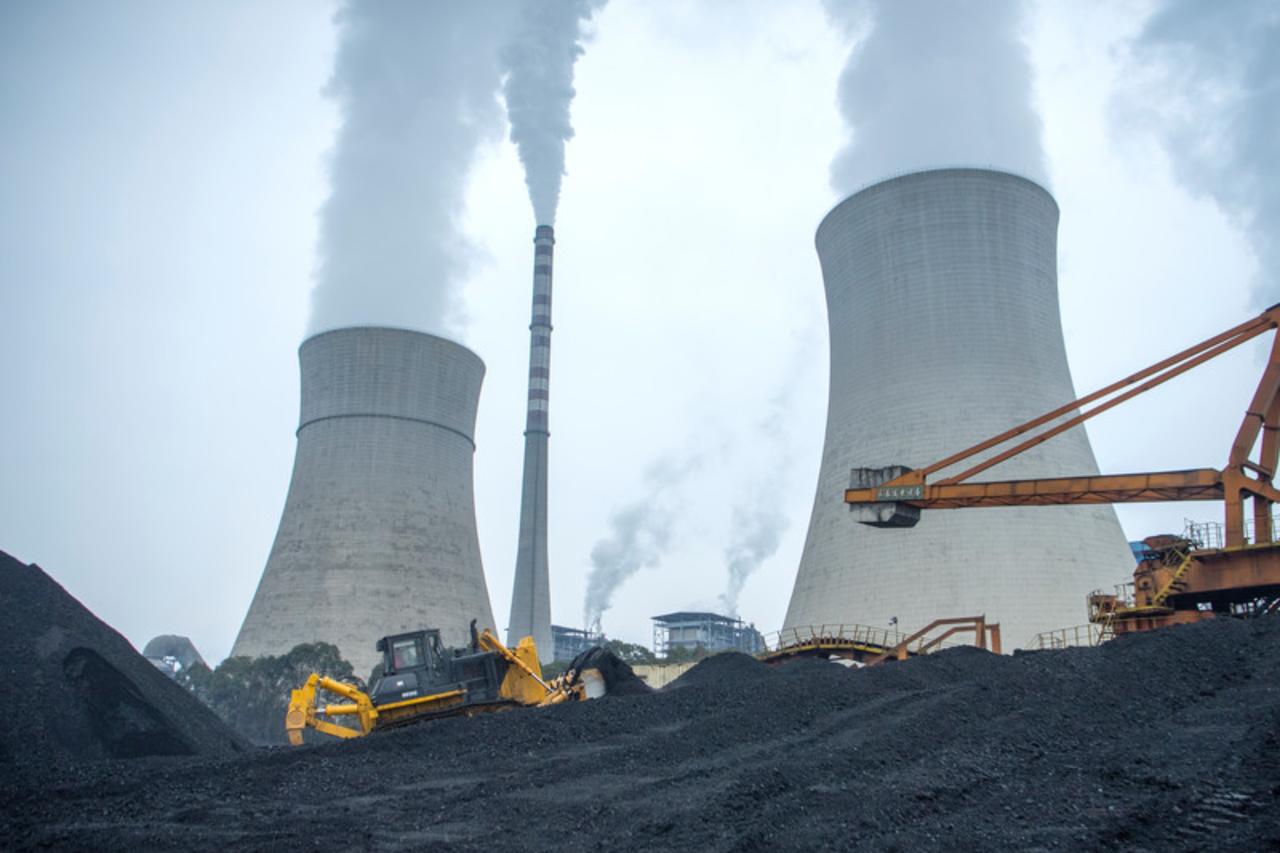

In other words, oil continues to play an arguably irreplaceable role in China’s manufacturing industry.
In March, China’s official gauge for manufacturing activity marked its best performance in a year, which should be attributed to the country’s abundant strategic oil reserves.
However, a prolonged Hormuz shock could certainly cast a shadow on China’s manufacturing sector. Reopening the waterway is in everyone’s interests, including China’s.
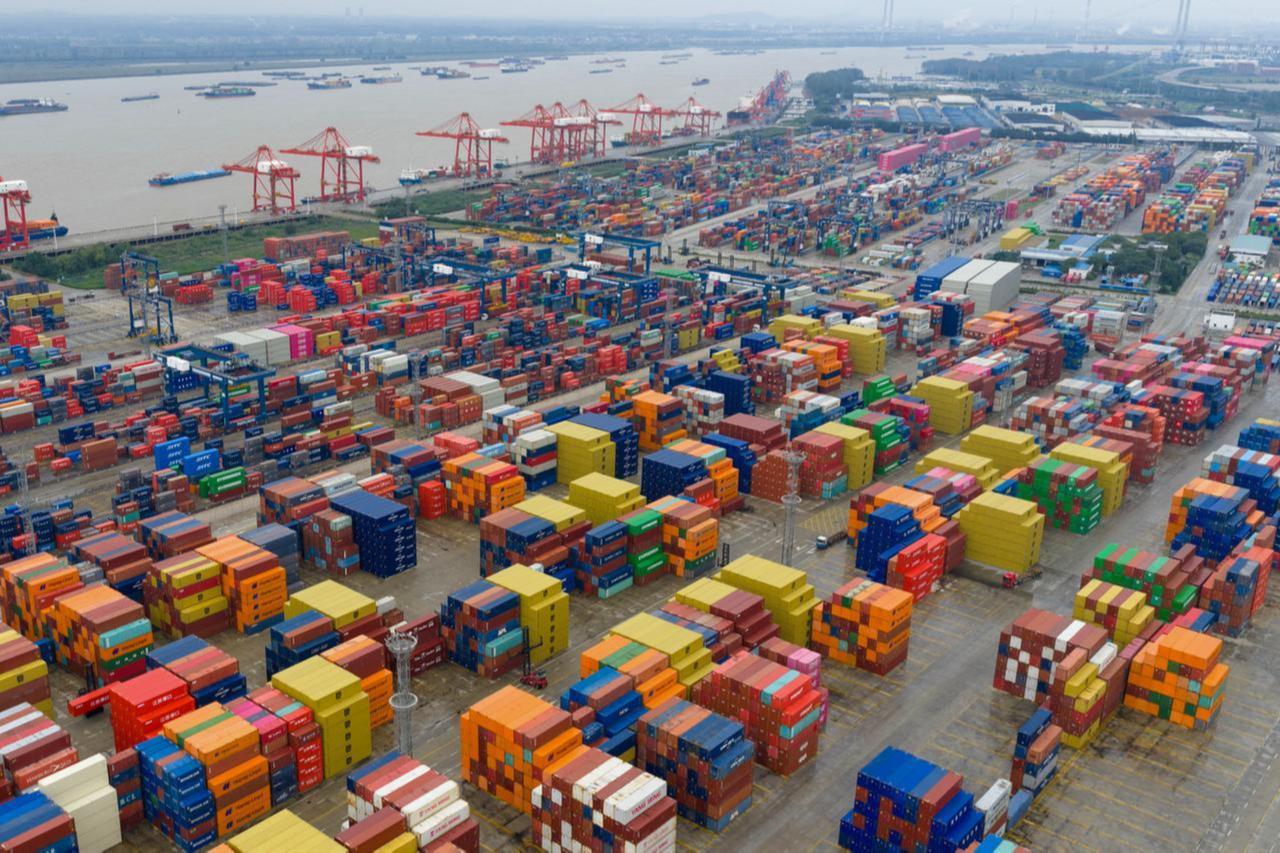
A protracted conflict would also be a real test for China’s exports.
The World Trade Organization forecasts that growth in global trade in goods will slow down markedly to 1.9% from 4.6% in 2025, citing higher energy prices and disrupted global transport caused by the Middle East war.
If global demand is weakened by geopolitical turbulence, China’s exports will be under pressure. In US dollar terms, China’s exports grew 2.5% year on year in March, significantly slower than the 21.8% recorded for the first two months of 2026.
Needless to say, the Iran conflict, which began on February 28th, was a main factor leading to the slowdown.
Fortunately, the comfortable export growth enjoyed by China in recent years has never shaken its resolve to boost domestic demand. In 2026, China’s consumer goods trade-in program continues, incentivizing households to purchase new home appliances, vehicles, smart products, etc.
With a longer-term vision, Chinese policymakers are shifting their focus to services such as elderly care, healthcare, and leisure, knowing that these areas could provide a huge space in driving domestic demand.
This is why “investment in people” is a focal point in China’s 15th Five-Year Plan for 2026-2030. In this year’s first quarter, domestic demand contributed to almost 85% of China’s economic growth, a clear sign that China is profoundly bidding farewell to its past export-driven growth model.
China’s economic resilience is a stabilizing force in times of global turbulence. China contributes to 30% of global growth, and it is a major trading partner for over 150 economies.
If China’s economy were in bad shape, it would spell disaster for the rest of the world. Luckily, that is not happening, and a resilient economy enables China to play a more constructive role in restoring peace in the Middle East.


 Set as preferred source
 Set as preferred source



 7 min read