Newsletters


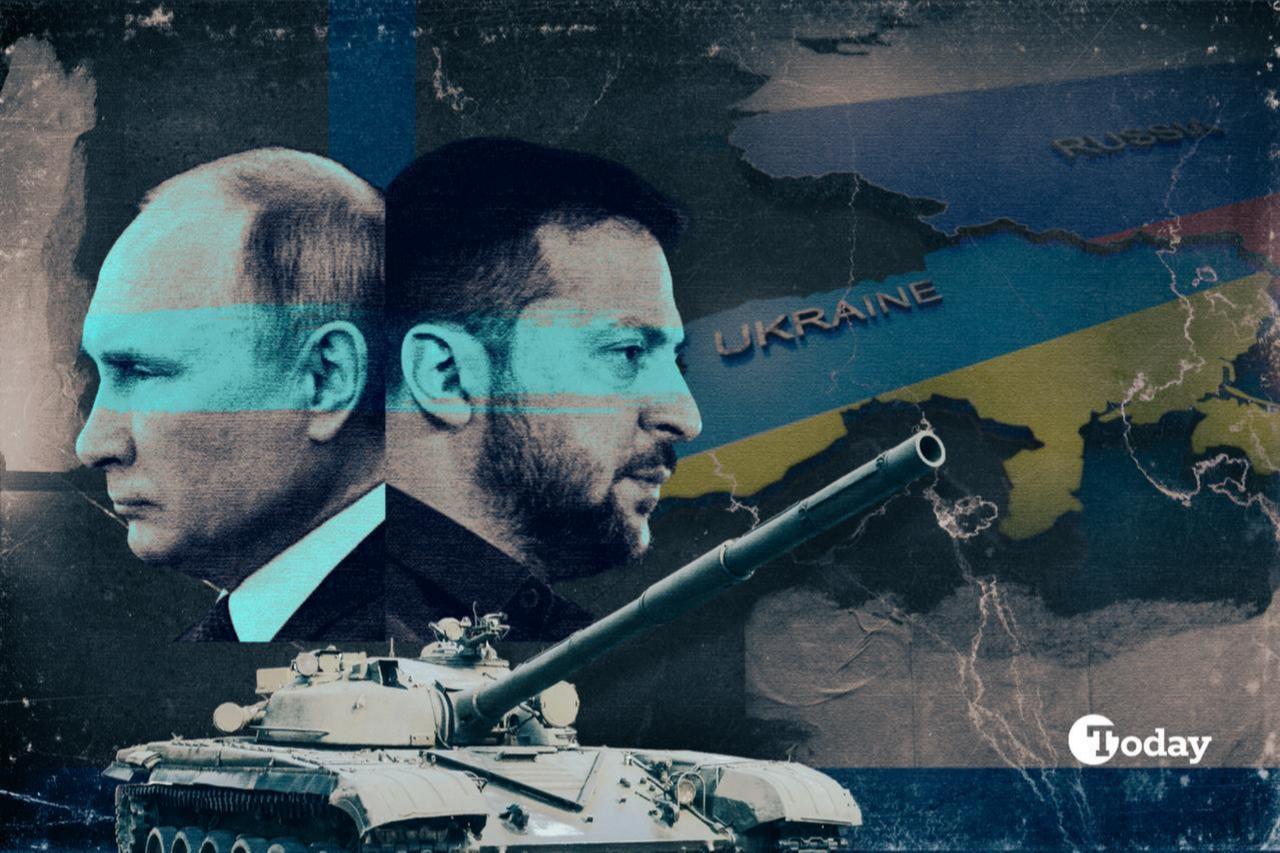


Peace talks are held to end a war and establish the terms of peace. The aim is for the warring parties, with the help of mediators, to find common ground and reach an agreement through negotiations and mutual concessions.
However, when one of the parties involved in these talks is Russia, peace talks remain nothing more than talks. Over the nearly five years since the beginning of the war, Putin has turned every peace initiative into a tool for buying time, keeping Ukraine and mediators engaged in negotiations while waiting for conditions on the battlefield to develop in his favor and seeking to ease the pressure on Russia.
While merely pretending to seek peace, Russia continues negotiations simply for the sake of keeping them going, seeking concessions from Ukraine and the West while offering nothing in return.
A new round of peace talks begins this week. The first trilateral U.S.-Russia-Ukraine talks since February will be held in Abu Dhabi on Nov. 10–11. According to U.S. Special Envoy Steve Witkoff, the agenda will cover "post-war security agreements, de-escalation, humanitarian measures, and ending the war."
The Trump administration's policies have strengthened Russia's position rather than putting pressure on Moscow and have urged Ukraine, rather than Russia, to make concessions. Given the expected focus of the talks on postwar arrangements, expectations for their outcome should remain low.
Even before taking office, Trump declared that ending the Russia-Ukraine war would be one of his top priorities. However, the U.S. administration has consistently tried to accommodate Russia, seemingly failing to recognize that the only language Moscow understands is the language of power.
During Volodymyr Zelenskyy's first official visit to the White House under Trump, the president publicly rebuked him and held him responsible for the continuation of the war. The administration also suspended U.S. military assistance to Ukraine, leaving Europe to shoulder most of the burden of supporting Kyiv.
Trump believes that Russia, under Putin, which invaded another country in violation of its territorial integrity and sovereignty, is the party that needs to be accommodated, while Ukraine is the one that should make concessions.
Following the Alaska Summit with Putin in August 2025, it was reported that Trump believed Ukraine would have to give up Donbas, including territories it had not lost on the battlefield, to secure an agreement. A recent opinion piece suggests that Trump continues to hold this view.
The war in Iran pushed the United States to take measures that further strengthened Russia's hand. When the Strait of Hormuz crisis erupted, Washington provided sanctions relief by temporarily lifting restrictions on Russian oil exports, effectively helping Russia finance its war on Ukraine.
Last month, the U.S. administration took a series of steps that further strengthened Russia's position and emboldened Putin. In an effort to bring down diesel prices and address shortages ahead of the U.S. midterm elections, the administration reached an agreement with Russia on diesel shipments, despite opposition from many Republicans in Congress. It resumed Russian diesel shipments to the United States, lifted sanctions on Russian diesel sales, and waived other key sanctions and tariffs targeting Russia's oil trade.
Immediately after Trump announced that an energy ceasefire had been reached between Russia and Ukraine, Russia continued striking Ukrainian refineries. Yet Trump blamed Ukraine for attacking Russia's energy infrastructure and attributed rising diesel prices to these attacks rather than to the war in Iran. He also said that Ukraine needed a new president and that Zelenskyy was an obstacle to peace.
At the same time, Ukraine's intelligence-gathering capabilities, which largely rely on Starlink and Starshield satellite services, were disrupted. Such a move would have been difficult to carry out without the knowledge of the U.S. administration. The restrictions limited Ukraine's ability to conduct drone strikes in Russian-occupied territories and to detect and intercept Russian attacks.
Having received such significant favors from the United States, Putin naturally believes that the conditions are now in his favor. Every concession made to Putin prolongs the war, while every instance of pressure being placed on Ukraine rather than Russia emboldens him, leaving him with no incentive to make concessions to end the conflict.
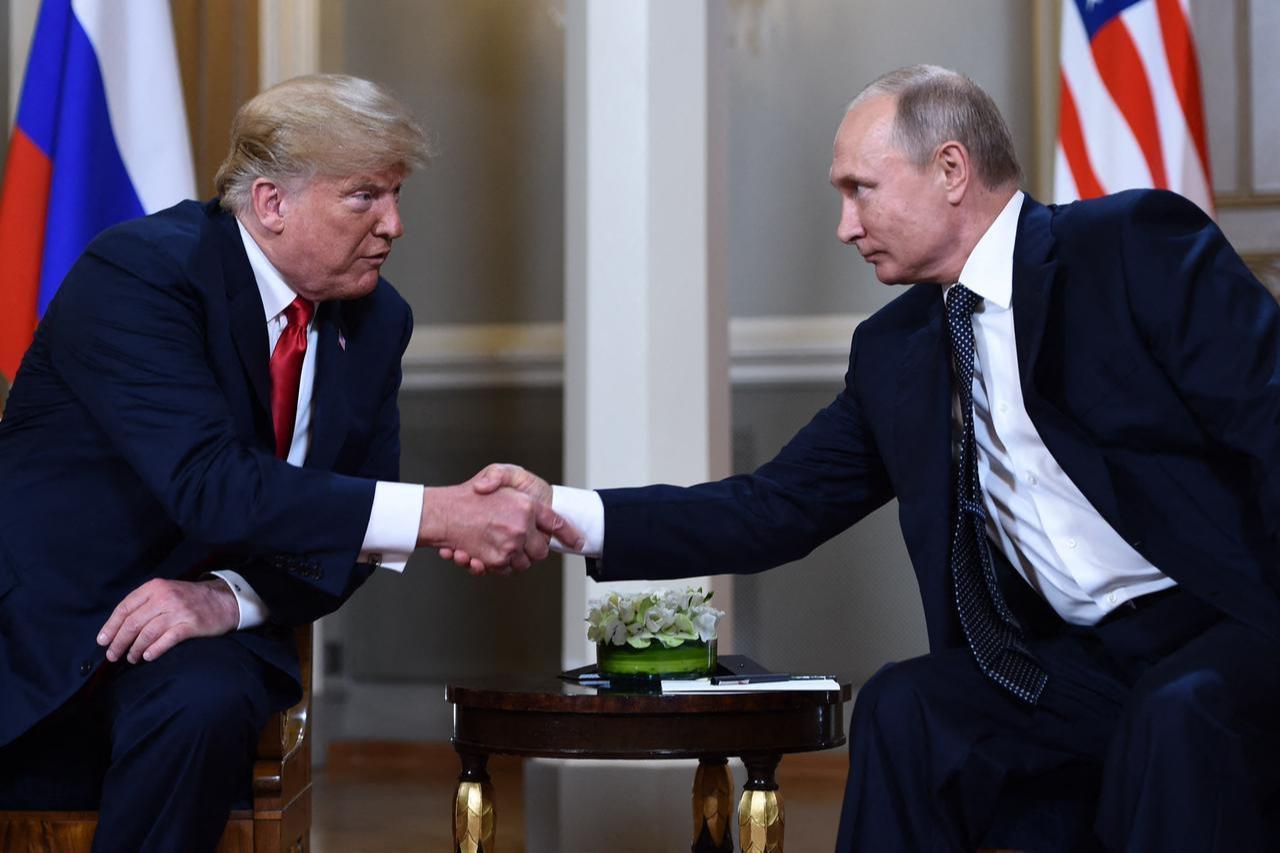

On territorial disputes, Putin has no intention of backing down. U.S. Secretary of State Marco Rubio recently suggested that the war was essentially about one region: Donbas. However, for Russia, the war is not just about Donbas; it is about Ukraine's very existence as an independent and sovereign state. Russia regards all Ukrainian territory as Russian land. Referring to Ukraine in a recent statement, Putin said, "I think it is not their territory, but the historical territory of Russia," once again reminding the world of Russia's imperial ambitions.
Despite numerous U.S. peace initiatives, the negotiations have produced no concrete results beyond prisoner exchanges and attempts to secure brief, local ceasefires.
Since the beginning of the war, Putin has repeatedly rejected calls for a ceasefire, the essential starting point for meaningful peace negotiations, insisting instead on a broader political settlement on terms largely dictated by Moscow.
John E. Herbst, senior director of the Atlantic Council's Eurasia Center and a former U.S. ambassador to Ukraine, argues that the Abu Dhabi talks "are only taking place because Putin wants to give Trump a reason to continue to distance himself from Ukraine."
Rather than securing concessions from the Kremlin, Washington has expanded the agenda for the talks. Having failed to make progress toward ending the war, the United States has shifted its focus to security guarantees for Ukraine and a broader European security architecture for the postwar period.
 2 min read

Jared Kushner, one of the U.S. negotiators, said the framework would address the security concerns of all parties and provide for permanent security consultations, greater military transparency, crisis communication and long-term European stability. The Washington Post reports that Kushner is looking to the NATO-Russia Council, which was suspended in 2014, as a model for broader negotiations on Europe's postwar security arrangements.
Postwar security guarantees are essential for Ukraine, and Russia must accept conditions that will allow the country to remain sovereign and free after the war.
Appeasing Russia, however, is not the way to achieve this. Rather than flattering Putin, who is subject to an arrest warrant issued by the International Criminal Court over alleged war crimes, by referring to him as a "humanitarian," as Steve Witkoff did, serious pressure must be exerted on Russia to secure a just peace for Ukraine. Developments over the past month make it clear that this administration has no intention of doing so.
Nevertheless, with both the House and the Senate now under Democratic control, pro-Russian U.S. policies may face much closer scrutiny, potentially creating significant political challenges for the Trump administration.


 Set as preferred source
 Set as preferred source


 1 min read