Newsletters


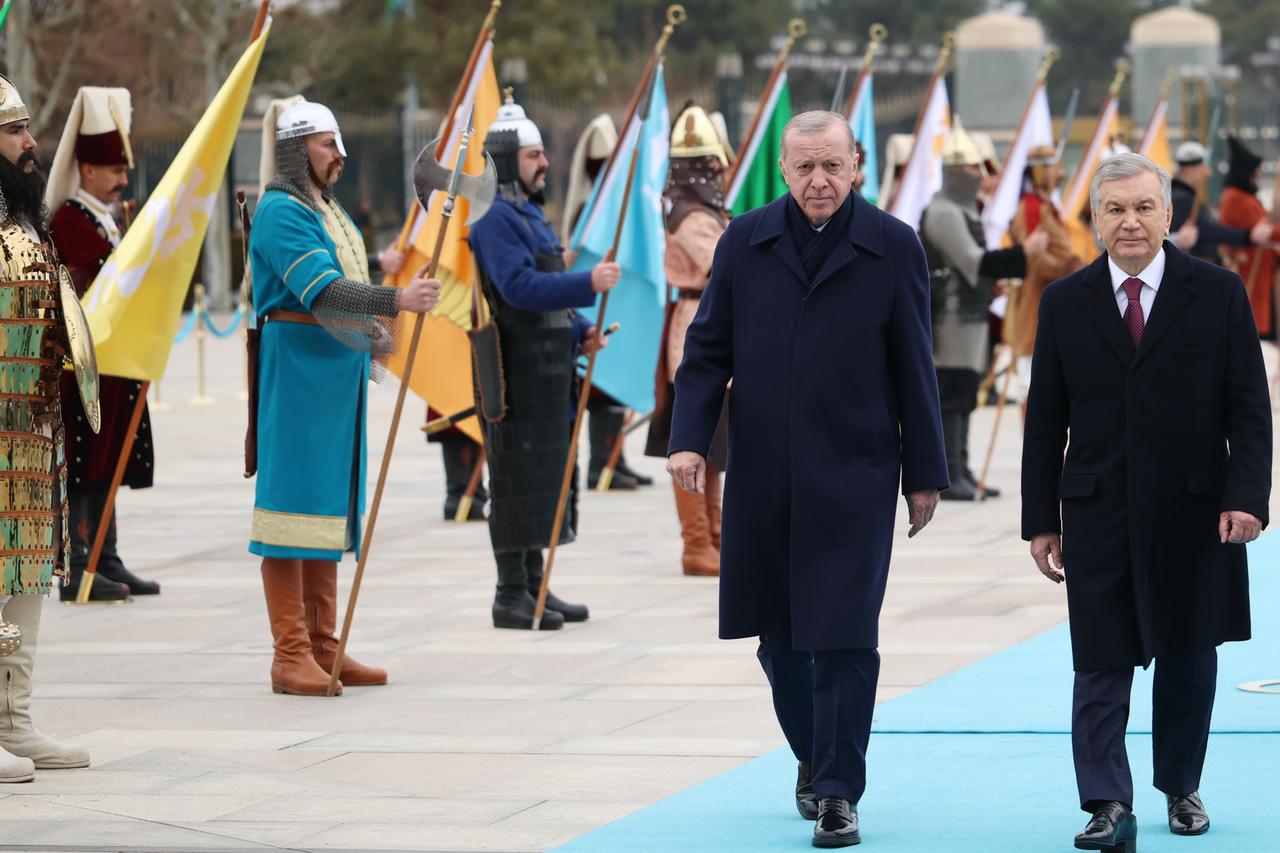


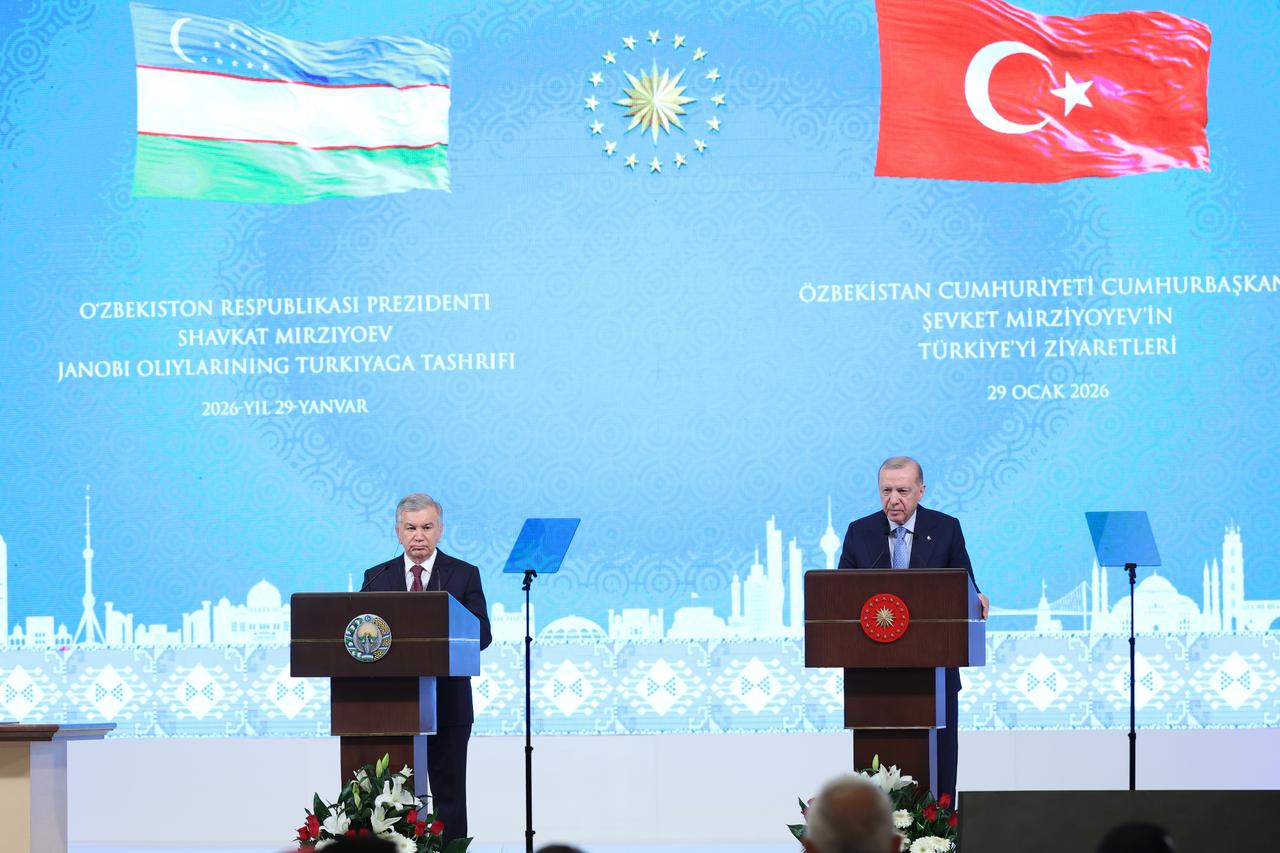
When Turkish President Recep Tayyip Erdogan and Uzbek President Shavkat Mirziyoyev met in Ankara on Jan. 29, 2026, it was more than just a diplomatic formality. The joint declaration signed during their High-Level Strategic Cooperation Council marks a turning point, signaling that the partnership between these two nations has entered a sophisticated new era of growth.
Trade volume has tripled over the last decade, but the real story lies in the data. From defense and energy to the innovative 4+4 security mechanism, the Türkiye-Uzbekistan bond has evolved. It is no longer just a "brotherhood" of shared history; it is a sophisticated, institutionalized, and strategic powerhouse.
This raises a critical question: Is this institutional rapprochement merely about two countries getting closer, or is it the first sign of a deeper structural shift—a geopolitical realignment that could redefine Central Asia?
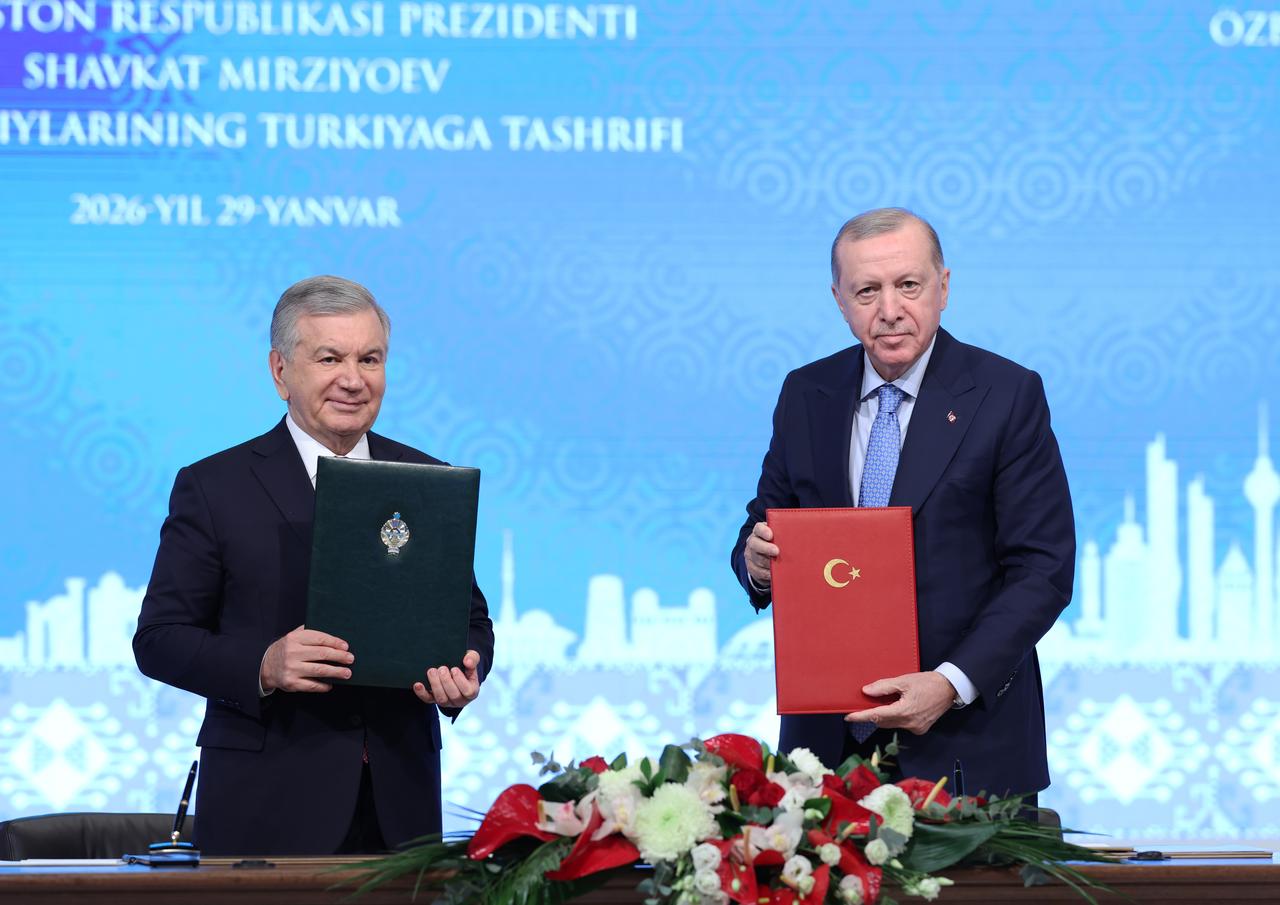

Economic cooperation constitutes the most visible and measurable aspect of Türkiye-Uzbekistan relations in recent times. Reducing this cooperation to a narrow framework defined solely by increasing trade volume carries the risk of overlooking the multi-layered dynamics that have emerged. The strategic value of economic integration is shaped not so much by numerical growth as by the sectors through which this interaction is built, the policy instruments used, and the long-term objectives pursued.
In this context, the fact that Turkish companies have become one of the country's three largest foreign investors with investments exceeding $5 billion in Uzbekistan should be interpreted as more than just a simple capital flow. These investments are not limited to traditional sectors such as construction, textiles and food, but extend to areas of high strategic importance such as energy, mining, logistics, infrastructure and industrial production.
In particular, the memoranda of understanding signed in the field of transport and logistics further highlight the geopolitical dimension of economic integration between the two countries. Initiatives to strengthen the Middle Corridor, the growing presence of Turkish capital in free and special economic zones, and joint projects aimed at diversifying supply chains demonstrate Ankara's positioning of Central Asia as a complementary hub that can be integrated into global production networks. This approach is also consistent with Türkiye's strategy of “deepening production and logistics in the neighbouring geography” adopted in recent years.
From Uzbekistan's perspective, Türkiye serves as a strong trading partner as well as a flexible economic channel that balances Western capital with Eurasian markets. The structural pressures created by the Russia-West tension on Central Asian economies are forcing Tashkent to diversify its external economic relations. At this point, deepening economic integration with Türkiye offers Uzbekistan a strategic manoeuvre space that produces no political dependency and facilitates access to global markets.
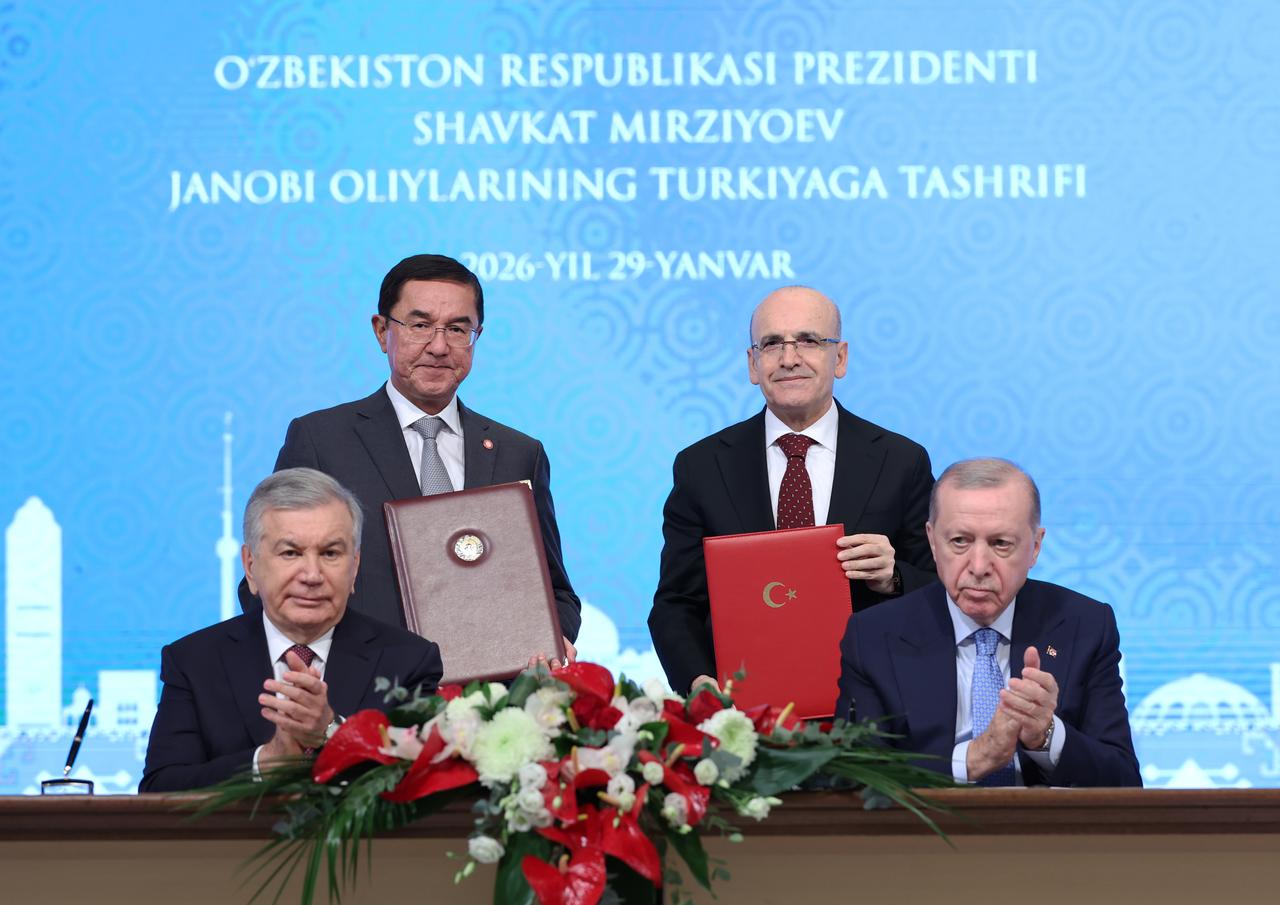
One of the critical aspects that has come to the fore in Türkiye-Uzbekistan relations in recent times is the institutionalised cooperation mechanisms established in the fields of security and diplomacy. The 4+4 mechanism, which brings together the foreign, interior and defence ministers and the heads of intelligence agencies, demonstrates that bilateral security relations are now conducted through a regular, coordinated and multi-layered structure rather than temporary political rapprochements.
The fundamental strategic value of this mechanism lies in its ability to address security simultaneously in its diplomatic, military and internal security dimensions. It enables the development of a preventive and comprehensive approach to security in areas such as counter-terrorism, border management, preventing radicalisation and combating organised crime, rather than reactive approaches. Thus, Türkiye-Uzbekistan security cooperation is evolving beyond traditional military contacts into an institutional security governance model.
This development also signals a significant shift in Central Asia's traditional security structure. Considering that the region has long been defined by Russia-centred security structures, with China coming to the fore more through its economic influence, this institutional security cooperation developing between Türkiye and Uzbekistan demonstrates that the single-axis security approach is eroding and that a multi-actor, multi-dimensional security architecture is beginning to take shape.
Türkiye's experience in counterterrorism, intelligence coordination and combating hybrid threats represents a strategic gain for Uzbekistan in terms of institutional capacity building. This contributes to Tashkent developing a more autonomous and flexible position in its security policies.
The 4+4 mechanism, which transcends the framework of bilateral relations, provides an important reference point for discussions regarding the security dimension that the Organisation of Turkic States may achieve in the future. The Türkiye-Uzbekistan axis stands out as a core and exemplary model in terms of institutionalising security in the Turkic world and transforming shared threat perceptions into concrete cooperation models.
Assessing Türkiye-Uzbekistan relations solely in terms of economics and security carries the risk of overshadowing the increasingly evident normative and humanitarian dimensions of this partnership. However, steps taken in recent years demonstrate that the rapprochement between the two countries is also grounded in societal interaction, shared values and humanitarian solidarity.
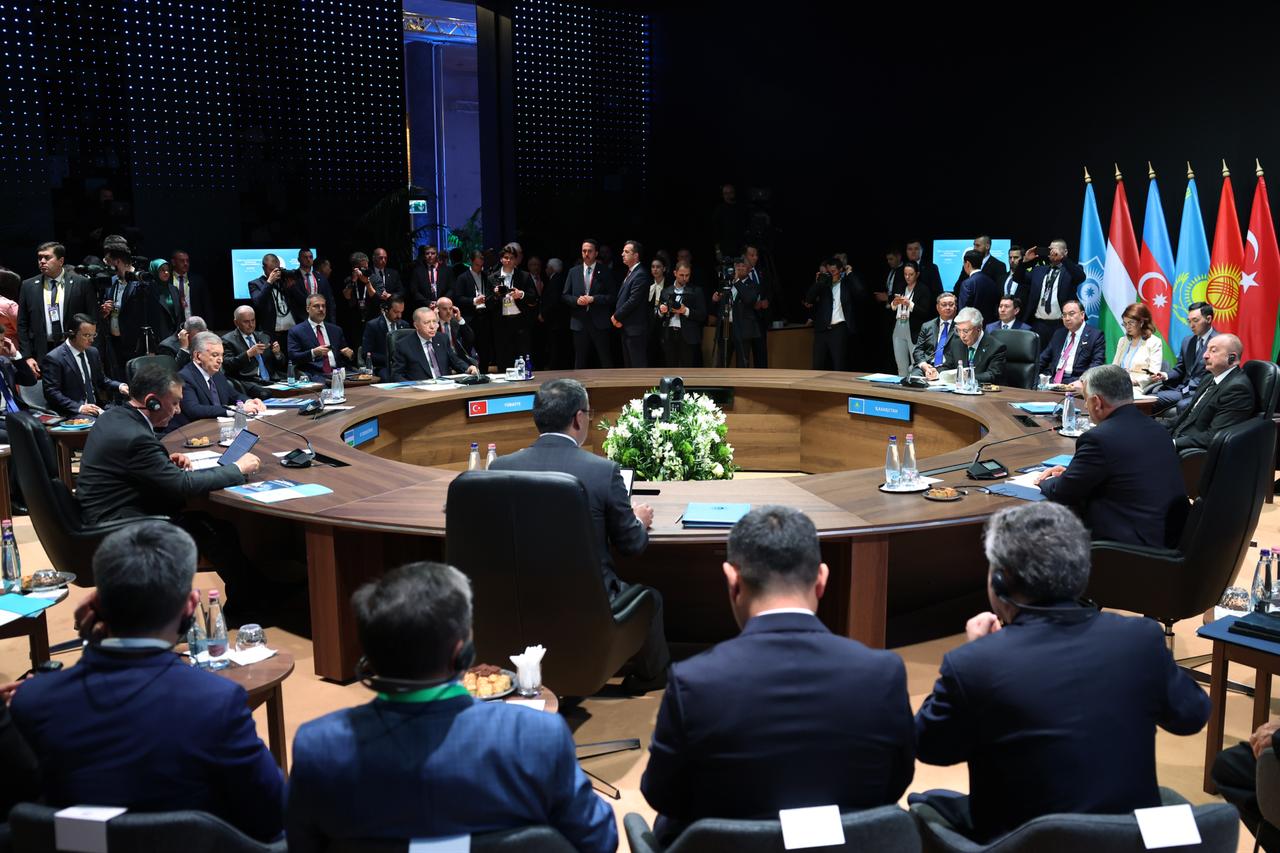
Indeed, in his statements made during the summit, President Erdogan emphasised the need for the Turkish world to unite around a shared vision for the future, referring to Ismail Gasprinski's ideal of “unity in language, thought, and work” ideal, emphasising the need for the Turkic world to unite around a shared vision for the future and articulating the goal of “imprinting the Turkic world's seal on the century we live in”, indicates that this normative framework has been explicitly embraced at the leadership level.
In particular, the swift and comprehensive support provided by Uzbekistan to Türkiye following the earthquakes of Feb. 6 stands out as one of the most concrete manifestations of this normative dimension. Initiatives such as the housing units constructed by Uzbekistan in Hatay and the Uzbekistan school planned to open in Istanbul go beyond humanitarian aid, building a lasting and highly symbolic social bond. Such steps demonstrate that the discourse of the Turkic world is not confined to a framework limited to political elites, but also has the potential to generate a response at the societal level.
 1 min read
Similarly, the parallel stances adopted by Ankara and Tashkent on the Palestinian issue demonstrate that the two countries' quest for a normative and moral position is becoming increasingly apparent. Thus, the discourse of the Turkic world is moving beyond being merely a narrative of cultural unity, proving that it has the capacity to produce common political reflexes and value-based stances on certain global issues.
However, a cautious assessment is required for the vision of the Turkic world to become a permanent and effective foreign policy framework. The sustainability of normative discourse is directly related to institutionalised cooperation mechanisms, joint norm-setting processes, and a capacity for solidarity that can be tested in times of crisis, rather than symbolic gestures of solidarity. While Türkiye-Uzbekistan relations provide an important example in this regard, the extent and speed with which this model can be extended to other members of the Organisation of Turkic States remains uncertain.
Furthermore, one of the fundamental challenges facing the discourse of the Turkic world is the differing foreign policy priorities and geopolitical constraints of member countries. Asymmetric relationships established with major actors such as Russia and China can make it difficult to take normative convergence beyond certain thresholds. Therefore, for the Turkic world perspective to be effective, it requires the construction of a flexible, inclusive and multi-layered normative framework, independent of idealistic discourses.
In this context, the partnership between the two countries offers a pioneering model for how normative and humanitarian cooperation in the Turkic world can be made more concrete, measurable and sustainable. The sustainability and tangible impact of this model depend on the institutionalisation of shared values within the OTS through institutional mechanisms. Otherwise, despite its strong potential, the discourse of the Turkic world risks being confined to a limited sphere of influence in practice.


 Set as preferred source
 Set as preferred source


 1 min read