Newsletters


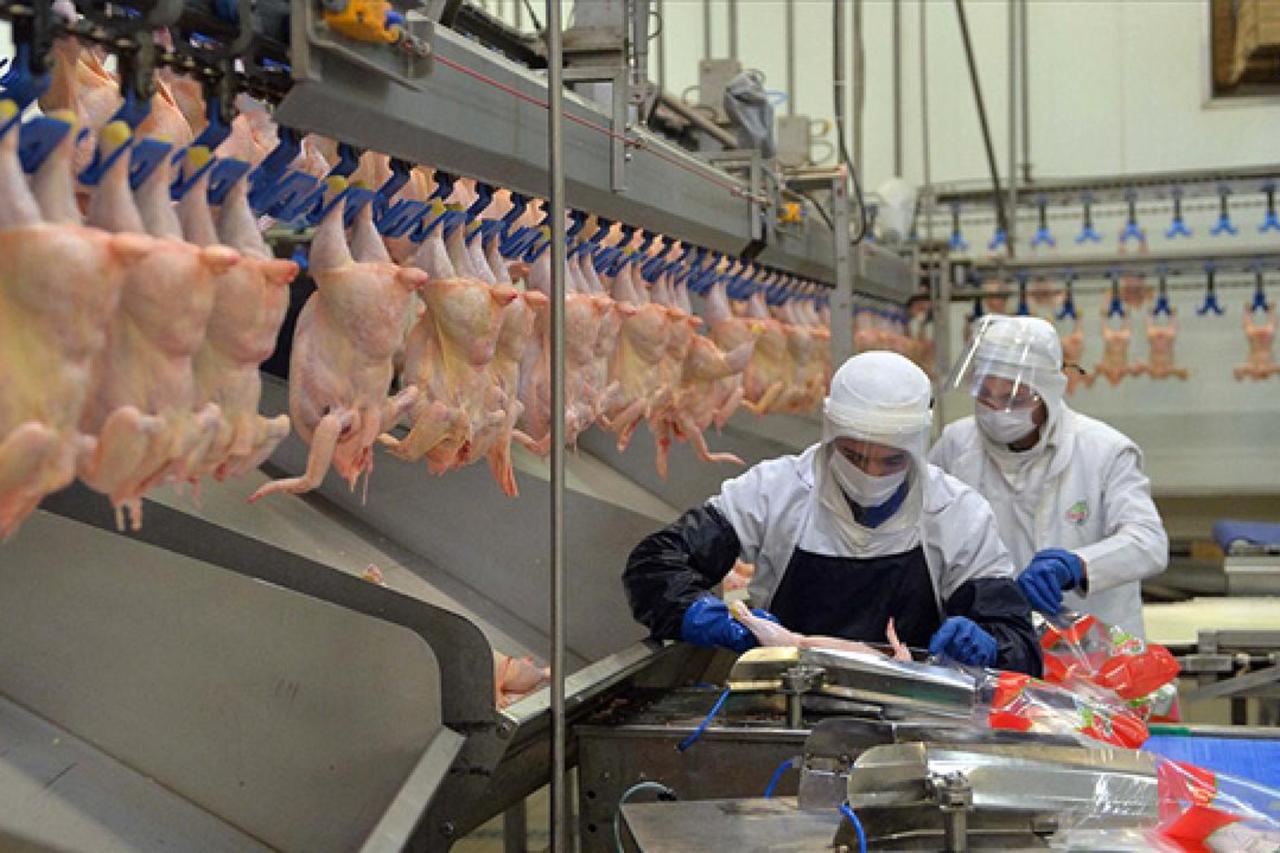


Last week, dawn raids were carried out against executives of several large companies operating in the poultry sector in Türkiye, and reports emerged that managers of the firms had been detained.
The issue quickly moved beyond the economy pages and became a matter of broad public concern. This is because the matter has evolved into a direct intervention in price increases through a police and judicial investigation.
At the center of the allegations is the claim that companies acted together on prices and production quantities instead of competing with one another, thereby weakening the competitive environment in the market and causing chicken meat prices to rise in a way that cannot be explained by economic factors alone.
In other words, it is alleged that behind the high prices consumers have to pay in markets, butcher shops, and bazaars, there may be not only cost and demand factors, but also price and production coordination among firms.
Within the scope of the investigation conducted by the Istanbul Chief Public Prosecutor’s Office, a decision was made to appoint supervisory trustees to 13 companies. Among them are some of the poultry sector’s largest and best-known firms, including Senpilic, Banvit, Keskinoglu, Lezita, Erpilic, and Akpilic.
The truly striking point begins here.
In Türkiye, competition violations have so far been handled primarily through investigations by the Competition Authority, administrative fines, and other financial sanctions imposed on companies. This time, however, the case has developed into an investigation conducted under the Turkish Penal Code.
The Prosecutor’s Office announced that the investigation is being carried out in relation to the offenses regulated under Article 220 of the Turkish Penal Code that mentions "establishing, managing, or becoming a member of an organization for the purpose of committing crimes," Article 237 that deals with "influencing prices," and Article 240, which states "refusal to sell goods or services."
In this respect, the case has gone beyond a typical administrative competition violation file and moved into the realm of criminal liability, making it a relatively uncommon example not only in Türkiye but also internationally.
So, what really happened? Did these companies harm consumers by violating competition rules, or will this case— as is sometimes suggested in public debate—become another controversial chapter in Türkiye’s legal system?


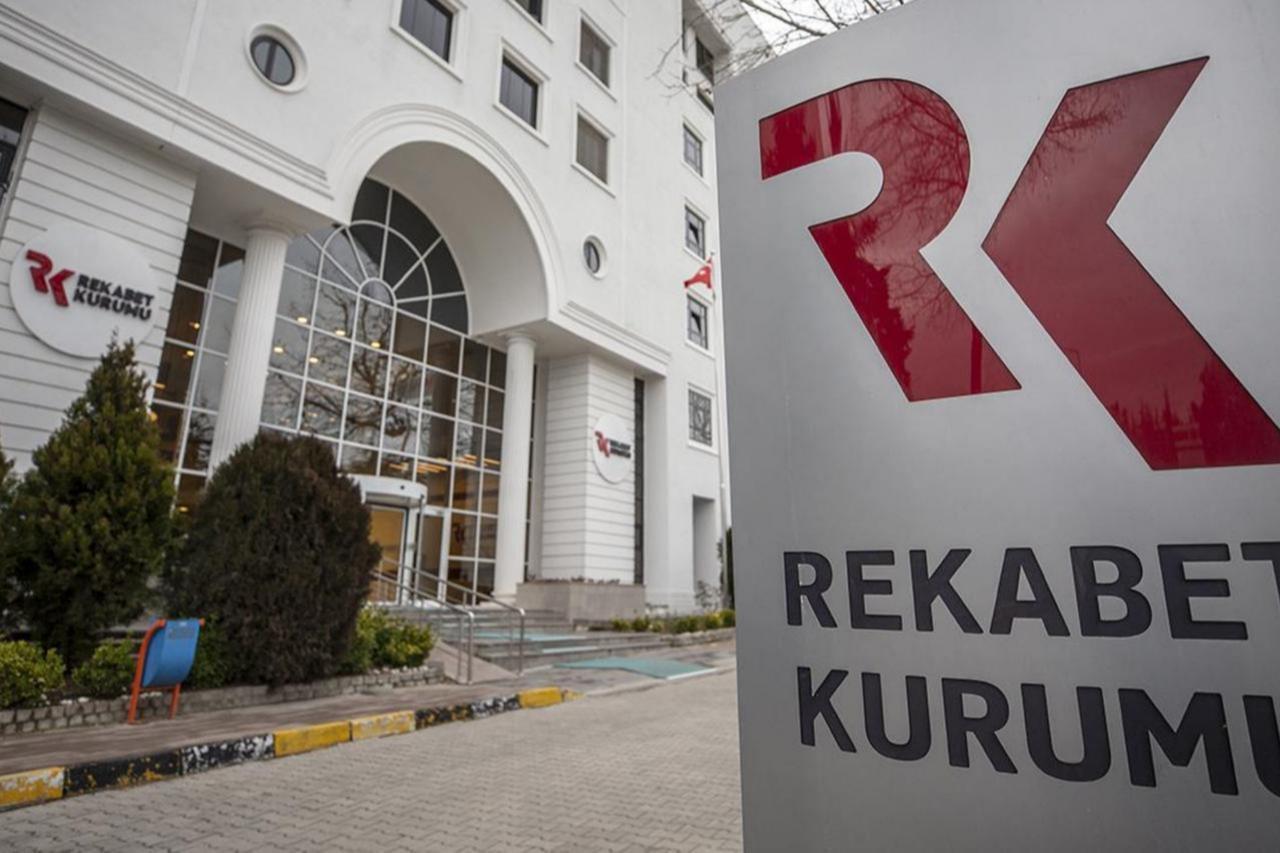
To answer this question properly, it is necessary to step back from the noise surrounding last week’s operation and examine the background of the case: a comprehensive white meat sector investigation concluded by the Competition Authority in September 2025, which resulted in administrative fines totaling ₺3.7 billion ($79.9 million).
In this inquiry, the domestic chicken meat sales activities of nine undertakings for the period between January 2019 and July 2024 were examined in detail. The firms’ monthly sales quantities, sales revenues, cost of goods sold, and operating expenses were analyzed using statistical methods. The data obtained revealed a striking picture regarding the sector’s pricing behavior.
The first notable aspect of this picture was that the weighted average prices of the firms followed a very similar course across all product groups. In the Competition Authority’s examination, prices were found to move in a highly parallel manner.
Of course, the fact that prices follow a similar pattern does not by itself constitute a competition violation. However, when evaluated together with other findings, this became one of the key elements of the investigation. One of the findings was that firms had prior knowledge of one another’s stocks, prices, and campaigns.
The second, and perhaps more striking, finding concerns the gap between prices and costs. In competition economics, this gap is roughly referred to as the mark-up. In other words, it shows how much firms are able to add to their costs when setting prices.
During the period between 2019 and 2022, the average total costs were at times seen to exceed the weighted average prices, indicating that firms were under cost pressure in certain periods. After 2022, however, the picture began to change. The gap between prices and costs widened significantly, and mark-up rates rose to substantial levels.
Simply put, the profit margins of the firms appear to have increased considerably after 2022. More importantly, during the same period, although real costs remained relatively stable, prices showed a strong upward trend. In other words, it became increasingly difficult to explain price increases solely through rising costs. The price increases observed by consumers on market shelves appear to have outpaced the increase in producers’ costs.
This is where the Competition Authority’s findings become particularly important. At the conclusion of its investigation, the Board unanimously decided that the relevant undertakings had violated Article 4 of the Protection of Competition by exchanging competitively sensitive information. Accordingly, under the third paragraph of Article 16 of the same law, it imposed administrative fines on the undertakings.
Moreover, while the number of firms examined by the Competition Authority was nine, trustees were appointed to thirteen companies. In other words, almost the entire sector, including both major and smaller firms, has been subjected to supervisory trusteeship.
Of course, the Competition Board’s decision deserves a more detailed discussion from the perspectives of competition economics and law. It would be more appropriate to leave that debate to another article. However, one point is clear: a significant portion of the companies named in the current judicial investigation were also included in the file previously examined by the Competition Board. Therefore, it would not be wrong to say that the evidentiary basis of the current judicial process relies heavily on that earlier competition investigation.
The main breaking point lies in the difference between the nature of the two processes. While the Competition Board’s proceedings resulted in administrative sanctions, namely monetary fines, the current investigation conducted by the Istanbul Chief Public Prosecutor’s Office is proceeding under criminal law.
The issue is no longer limited to the question of whether firms violated competition rules. It also raises the question of whether such conduct could amount to organized criminal activity under criminal law. If the allegations are proven, the case may set a precedent not only for the poultry sector but also for other essential markets.
Ultimately, the issue is not merely the price of chicken meat. The issue is whether the market is functioning competitively, whether consumers are being adequately protected, and through which instruments the state should intervene in market behavior.
This investigation, which began in the white meat sector, suggests that Türkiye’s approach to competition violations may be entering a new phase.
For this reason, the outcome of the case concerns not only the fate of a number of companies but also the future application of competition law and consumer protection in the country.


 Set as preferred source
 Set as preferred source


 1 min read
 1 min read