Newsletters


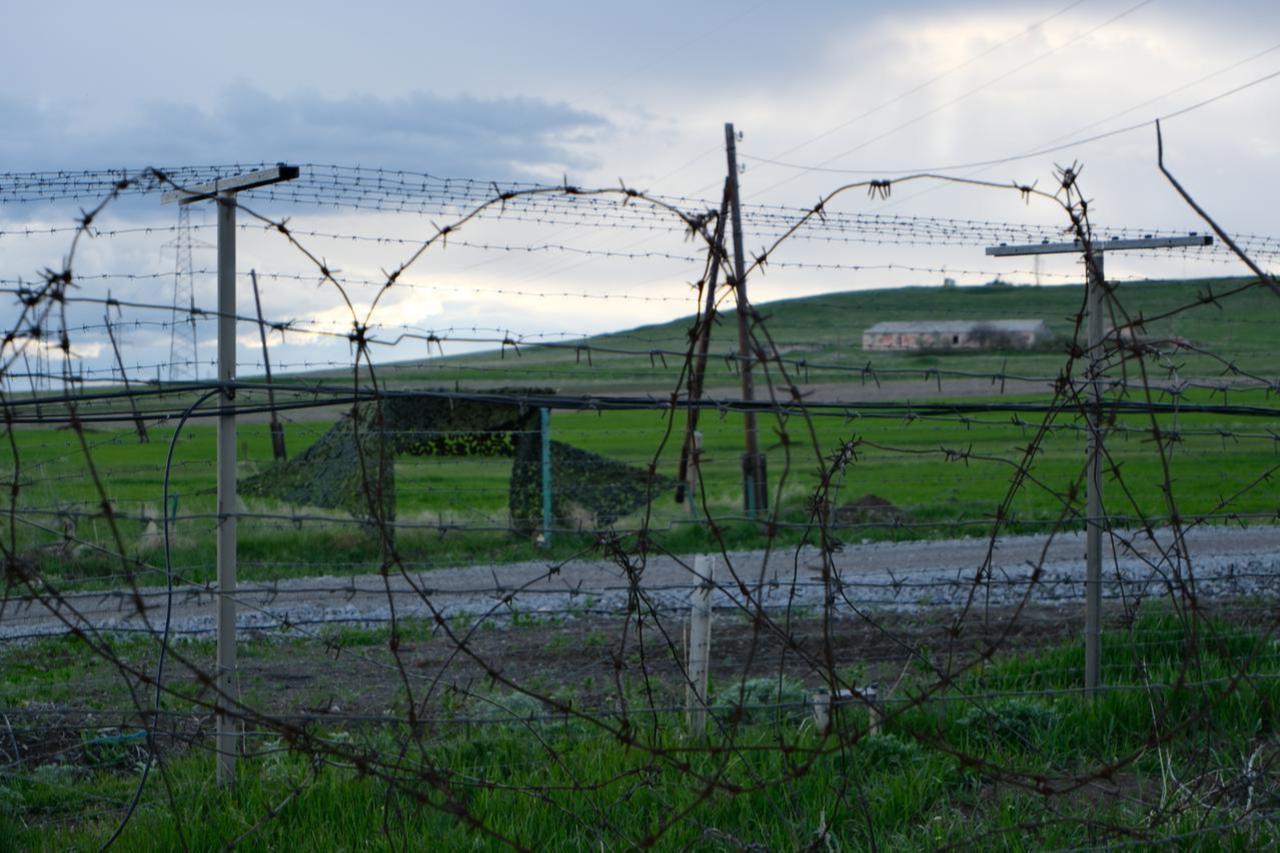


In the South Caucasus, where divided borders and long-frozen diplomatic channels are coming back to life, transport corridors are becoming an arena where geopolitical alignments are being reshaped.
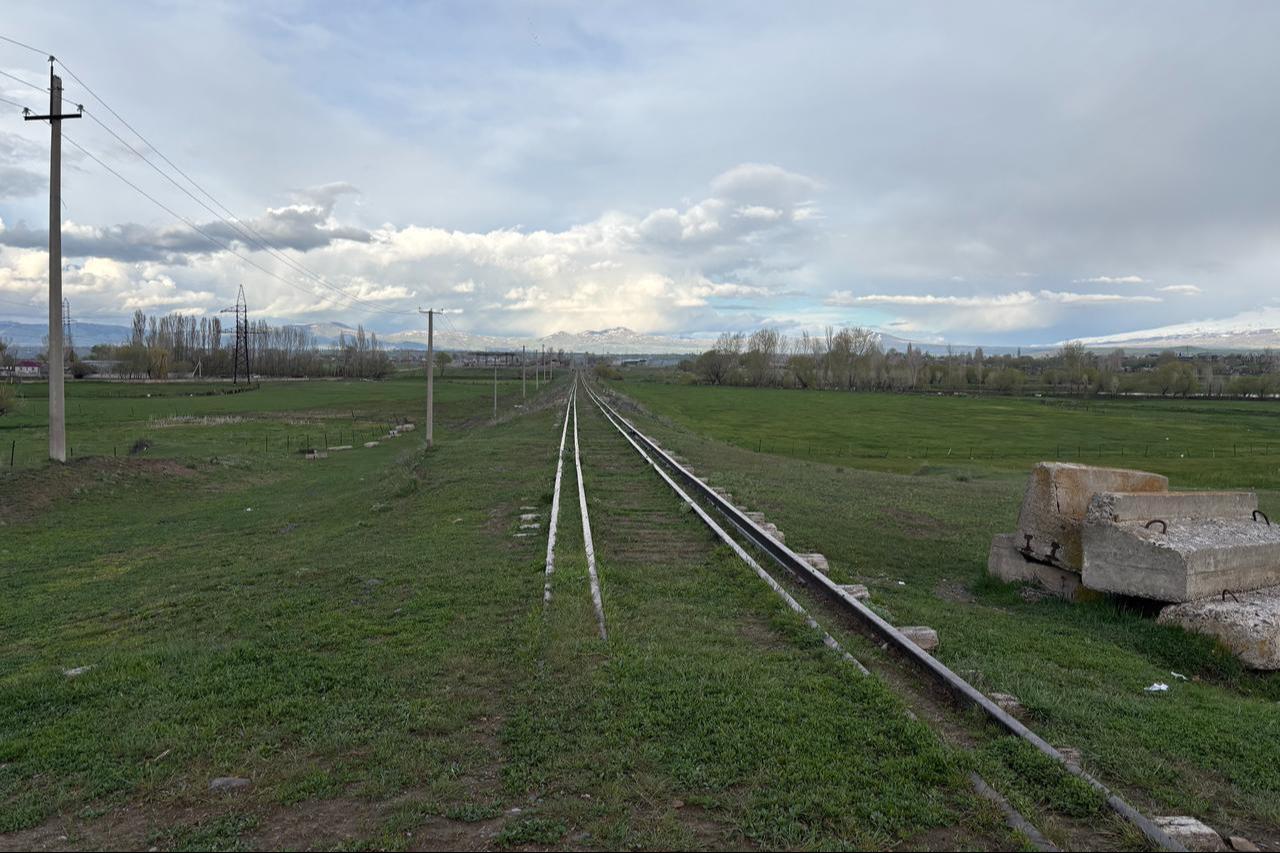
The announcement on May 24, 2026, that the Ahilkelek-Kars railway line had been opened to foreign trade by Armenia was one of the most tangible indicators of this transformation.
This development is viewed as part of a process affecting regional power balances.
The normalization process between Türkiye and Armenia, which has progressed through limited contacts over the years, has recently moved beyond symbolic steps to a more economic and infrastructural foundation.
The Joint Working Group, which met in Kars on April 28 for the first time since 1993, emerged as a critical milestone indicating that the long-standing diplomatic stalemate has begun to thaw.
Statements from Yerevan in the weeks following this meeting revealed a broader strategic framework in which regional connectivity is being redefined.
Armenian Prime Minister Nikol Pashinyan’s statement points to Armenia’s determination to rebuild its economic structure, which has been shaped over many years by closed borders and limited trade routes.
The vision of a multi-directional network—extending from Europe via Türkiye to the heart of Eurasia via the Azerbaijan and Georgia route—has evolved into a concrete roadmap, supported by tangible projects that go beyond the planning stage.
The opening of the Ahilkelek-Kars line not only facilitates cross-border trade but also brings with it a search for a new balance in the geo-economic architecture of the South Caucasus.
The restoration of rail services signals the beginning of a period of controlled opening in a region long defined by political isolation.

Diplomatic relations between Türkiye and Armenia remained frozen for many years following the closure of borders in 1993, centring on three key issues: the Karabakh conflict, historical grievances regarding the events of 1915, and Ankara’s strategic solidarity with Baku.
Within this equation, neither side possessed sufficient political motivation to sit down at the negotiating table. However, the situation began to change towards the end of 2021.
Following then-Turkish foreign minister Mevlut Çavusoglu’s announcement that the normalization process had been officially launched, both countries appointed special representatives.
Türkiye appointed its former ambassador to Washington, Serdar Kilic, whilst Armenia appointed Ruben Rubinyan, deputy speaker of the National Assembly, to the role.
The first face-to-face meeting, held in Moscow in January 2022, was a critical step taken after a long hiatus. The very fact that the parties had sat down to negotiate without imposing any preconditions was more significant than the outcome of the meeting.
The process that followed marked a series of small but significant steps. Direct flights between Istanbul and Yerevan, which had been suspended in 2020, resumed on Feb. 2, 2022. Armenia lifted its ban on Turkish products.
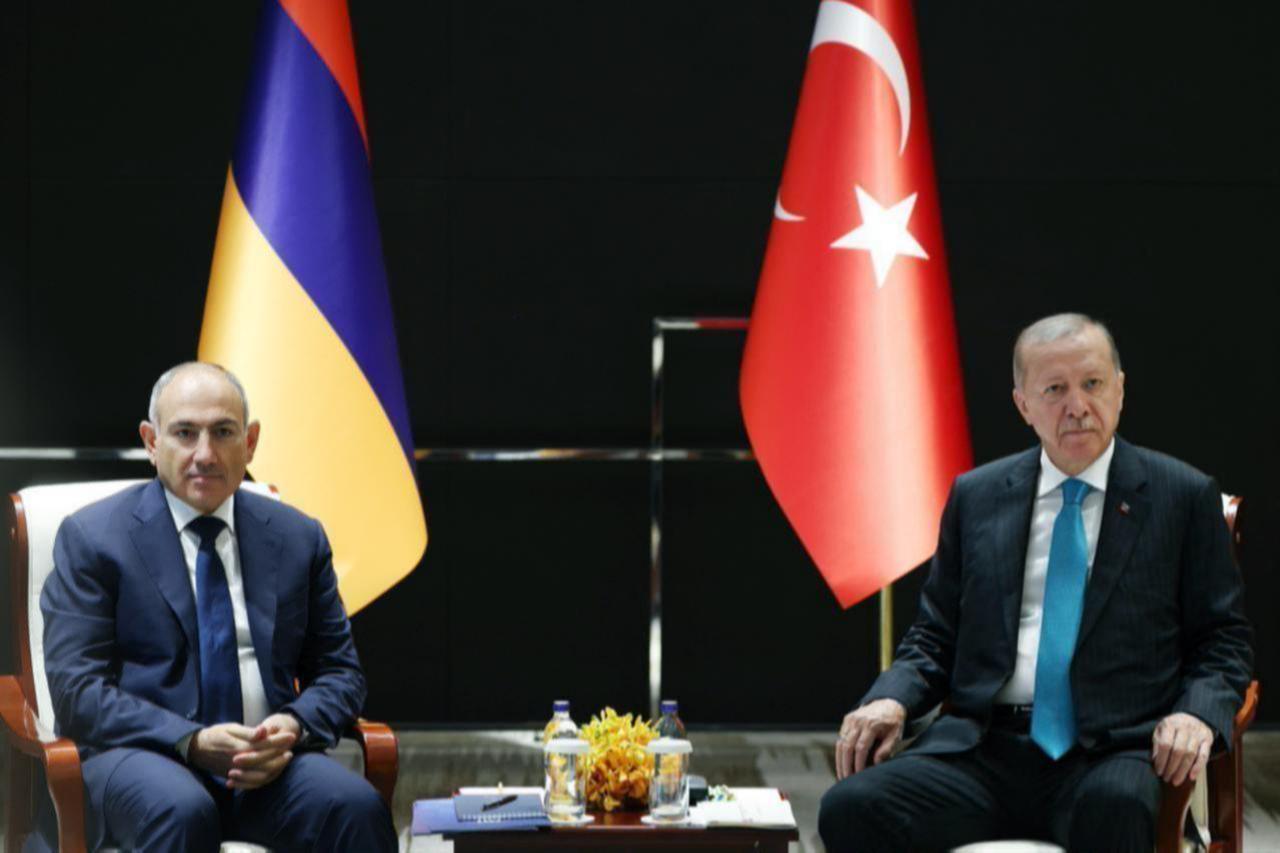
Prime Minister Pashinyan paid a working visit to Türkiye in June 2025. This visit was one of the highest-level contacts to take place following President Erdogan’s attendance at the inauguration ceremony in 2023.
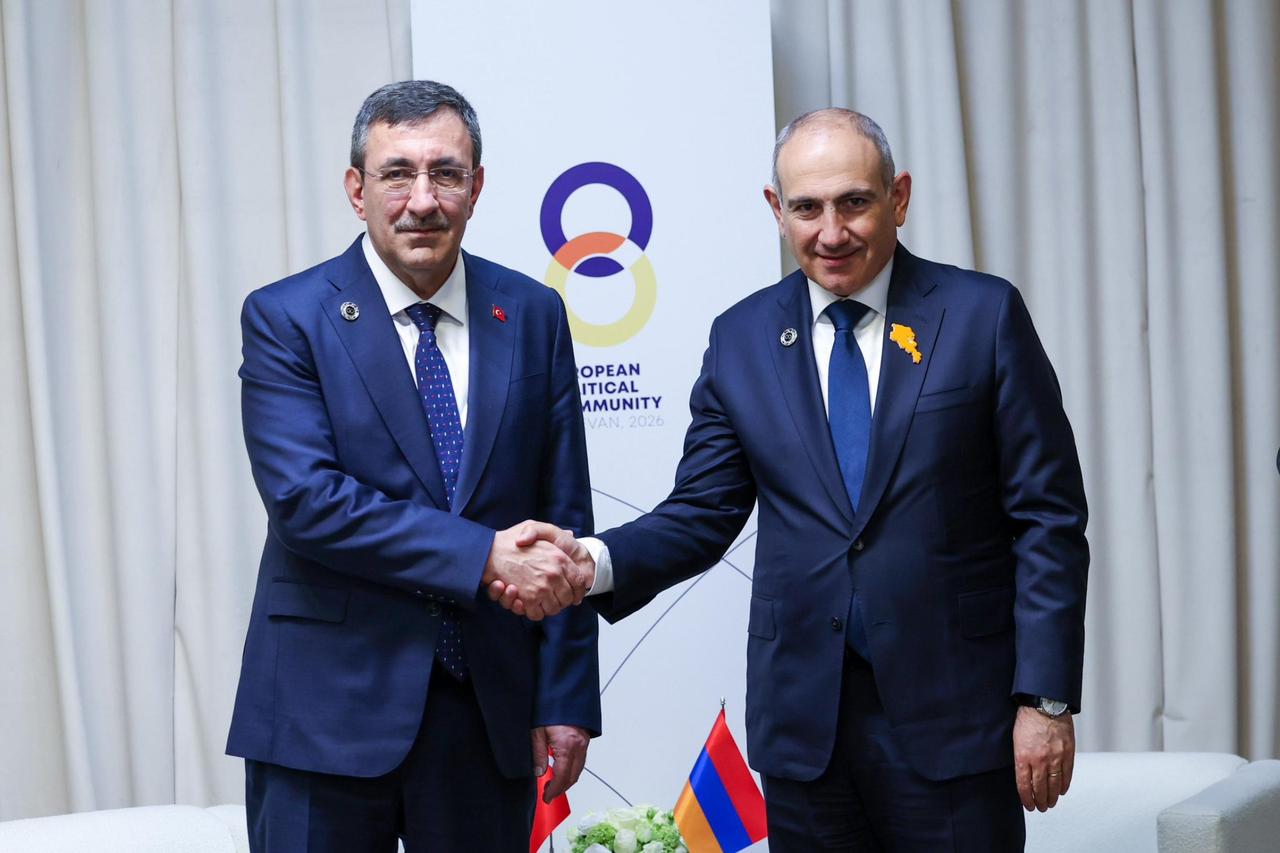
In May 2026, Deputy President Cevdet Yilmaz met with Pashinyan on the occasion of the European Political Community Summit held in Yerevan and signed a memorandum of understanding on the joint restoration of the historic Ani Bridge.
The Ani Bridge stands out as a political symbol in this context. The structure, which has one end in Türkiye and the other in Armenia, and is listed as a UNESCO World Heritage Site, was a key crossing point on the historic Silk Road.
The decision by the two countries to jointly restore both sides of the same bridge carries a significance that goes far beyond that of a mere technical project.
Technical and cultural cooperation projects are among the most sustainable steps towards diplomatic normalization, as such projects are far less affected by political crises.
On May 11, 2026, Oncu Keceli, spokesperson for the Turkish Ministry of Foreign Affairs, announced that the bureaucratic barriers to direct trade between the two countries had been removed.
With this regulation, it has become possible to specify the final destination and point of departure as directly “Armenia/Türkiye” for goods travelling from Türkiye to Armenia via a third country, or vice versa.
The opening of the Ahilkelek-Kars route completes the physical infrastructure for this trade liberalization.
The assessment of Serdar Kilic, Türkiye’s special representative for the normalization process, confirms this multifaceted nature: this step is of a nature that will foster the Türkiye-Armenia-Azerbaijan-Georgia quadrilateral cooperation and contribute to regional peace and stability.
From Türkiye’s perspective, the normalization process with Armenia forms part of a coherent series of strategic choices.
Since 2021, strained relations with Egypt, the UAE and Saudi Arabia have been repaired. Improvement in ties with Armenia has also taken place as a logical link in this multi-pronged diplomatic opening.
One of the most significant gains within this process is evident in the realm of pressure mechanisms.
Türkiye is effectively eroding the capacity of actors such as the U.S. and France to transform the Armenian issue into a tool of foreign policy pressure.
With the existence of an Armenia engaged in economic integration and political dialogue with a state that puts forward its own victimhood, the instrumentalization of this issue by third parties is becoming increasingly difficult.
On the Armenian front, however, the gains have taken on a far more striking dimension.
Following the 2020 Karabakh War and the region’s transfer to Azerbaijani control in 2023, Armenia has embarked on a profound process of strategic repositioning.
Breaking its military and economic dependence on Russia, diversifying relations with the West, and accelerating normalization with its neighbors form the three main pillars of this process.
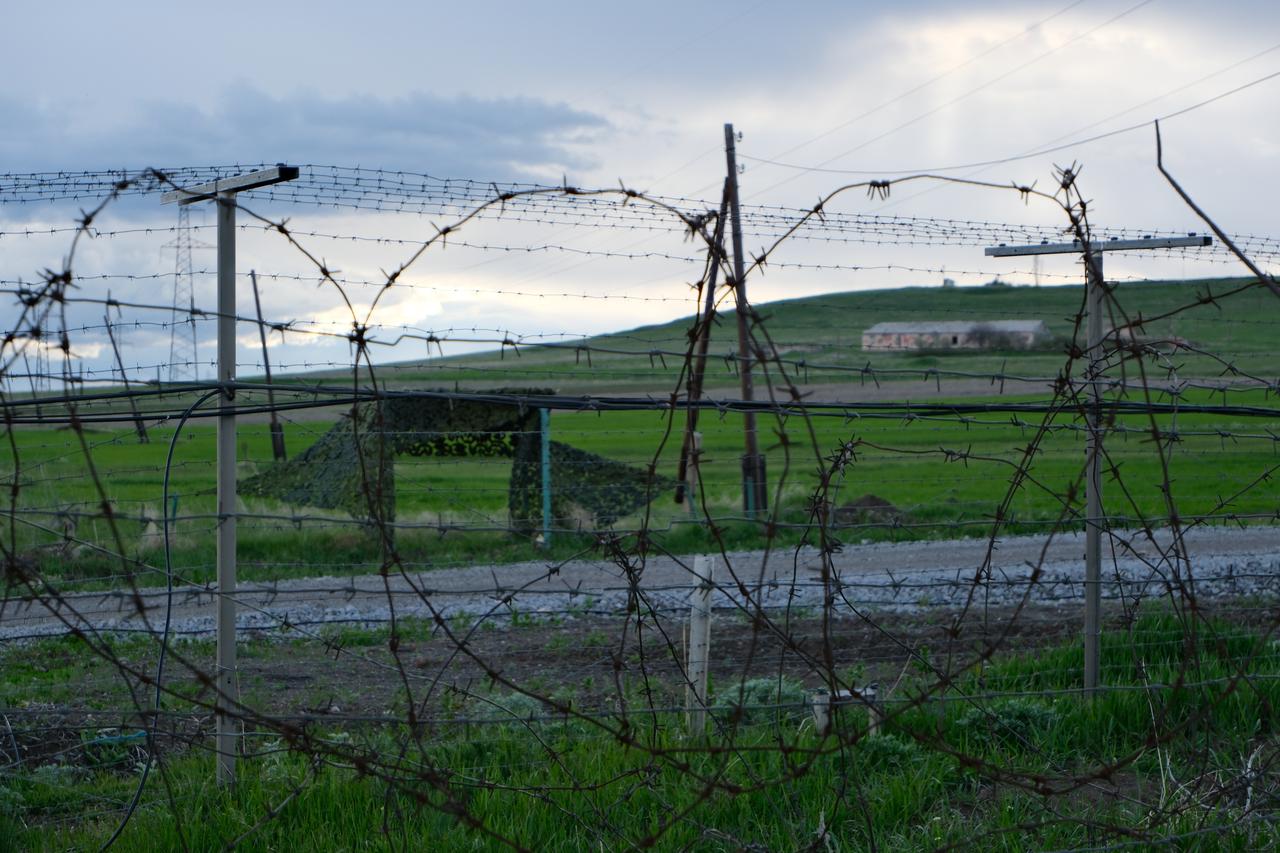
The agenda of the Joint Working Group meeting held in Kars on April 28 was precisely this: the improvement of the Ahilkelek-Kars route, which has been closed since 1993 and is considered one of the greatest obstacles to regional connectivity.
A look at the connectivity map outlined by Pashinyan clearly reveals the strategic vision: a railway network extending to Russia via Georgia and Azerbaijan, and from there to China via Kazakhstan; and to the European Union via Georgia and Türkiye.
This vision, which aims to position the country at the crossroads of both Eastern and Western trade corridors, is the most concrete expression of Armenia’s efforts to transform its geographical location from a historical handicap into a geo-economic advantage.
A country seeking to map out such a comprehensive network of connectivity in the South Caucasus is strengthening its bargaining power by freeing itself from dependence on a single partner.
Analyses suggesting that the preliminary peace agreement signed between Azerbaijan and Armenia will make the South Caucasus a more attractive investment area for China also add depth to this picture.
For Western actors seeking to balance Russia’s influence in the region and seeking stability in the South Caucasus, the normalization of relations between Türkiye and Armenia is viewed as a process worthy of investment.
Viewed within this framework, the opening of the Akhalkalaki-Kars route ceases to be a bilateral issue and becomes part of the broader equations of regional geopolitics.
The structural vulnerabilities of the process cannot be overlooked either.
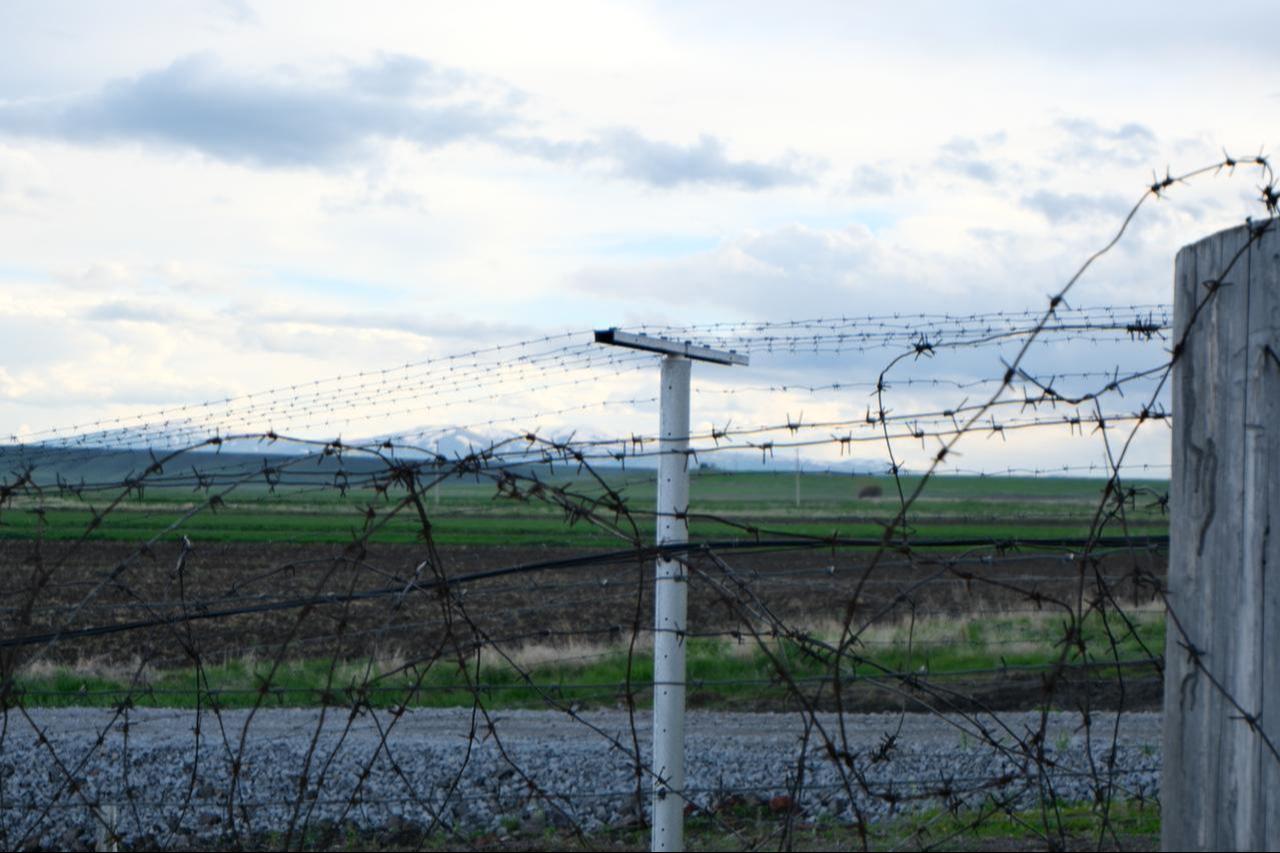
First and foremost, the land border between Türkiye and Armenia remains closed; technical and bureaucratic work is ongoing towards the permanent opening of the border.
The fact that diplomatic missions have not yet been established demonstrates that relations have not yet fully normalized.
Ankara’s tendency to conduct the process in parallel with Azerbaijan-Armenia relations, however, creates a structural complexity: any deadlock on the Baku axis could directly affect the Türkiye-Armenia axis.
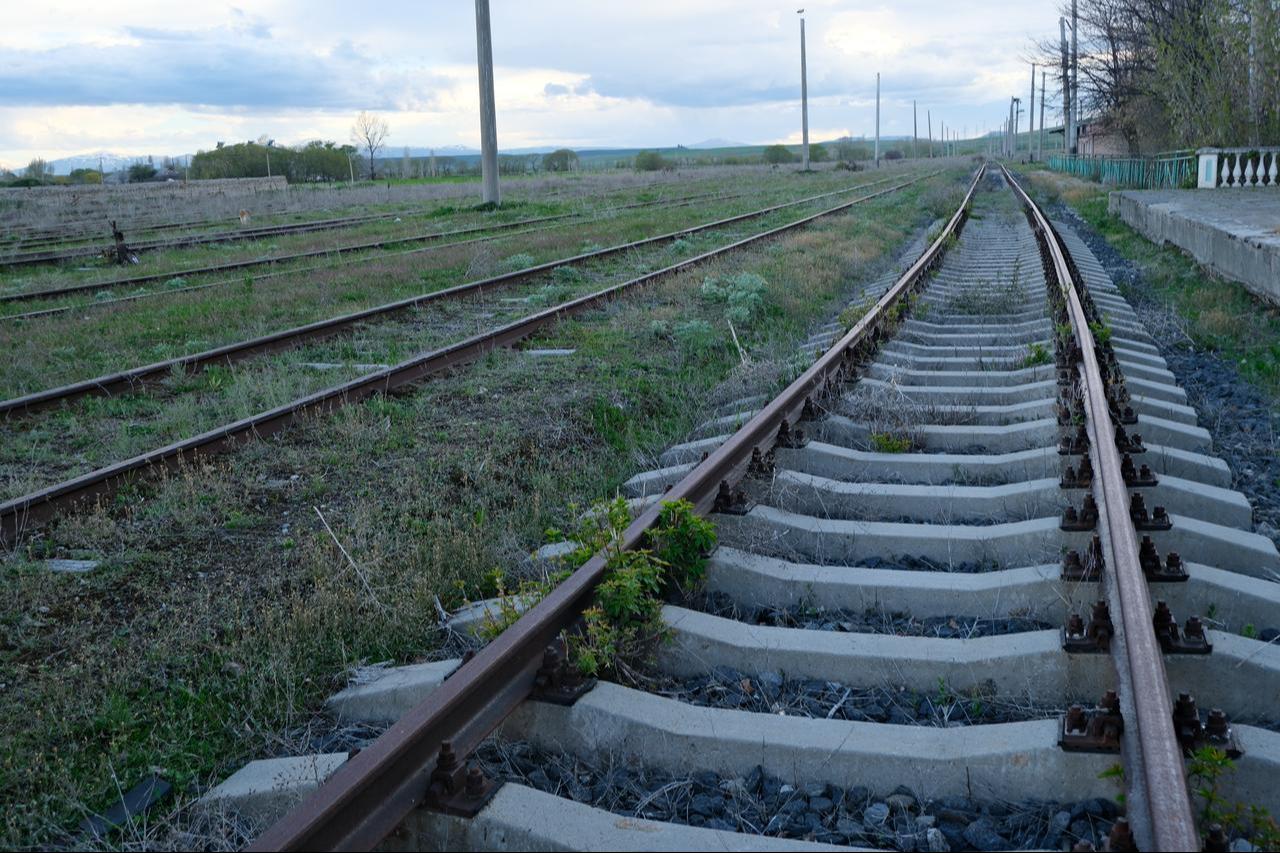
The Russian dimension, however, constitutes perhaps the least discussed, yet most decisive risk factor. Armenia’s railways are bound by Moscow’s concession regime, which is set to continue until 2038. This situation severely limits Yerevan’s capacity to establish an independent railway strategy.
The legal framework under which the Ahilkelek-Kars route will be managed is of just as crucial importance as the economic benefits.
The assessment of this situation by Ani Badalyan, spokesperson for the Armenian Ministry of Foreign Affairs, summarizes Yerevan’s perspective on the matter: this step is a significant milestone on the path towards developing full-scale and normal relations between the two countries.
The natural continuation of this process is the opening of the Armenia-Türkiye border and the establishment of diplomatic relations. From this perspective, Yerevan has clearly defined the next step and directed it towards Ankara.
In conclusion, the announcement dated May 24, 2026 is not merely about the opening of a railway line.
It is a testament to the potential that has accumulated behind decades of stagnation, mistrust and closed doors, now being set in motion by a slow but determined political will.
The tracks have been laid; regional trade is gradually coming to life.
The real issue is no longer technical, but political: can a lasting, reliable and mutually beneficial relationship be built upon these tracks?
The picture, which is beginning to emerge in the South Caucasus, warrants cautious optimism.


 Set as preferred source
 Set as preferred source


 1 min read
 1 min read