Newsletters




This article was originally written for Türkiye Today’s weekly economy newsletter, Turkish Economy in Brief, in its July 6 issue. Please make sure you are subscribed to the newsletter by clicking here.
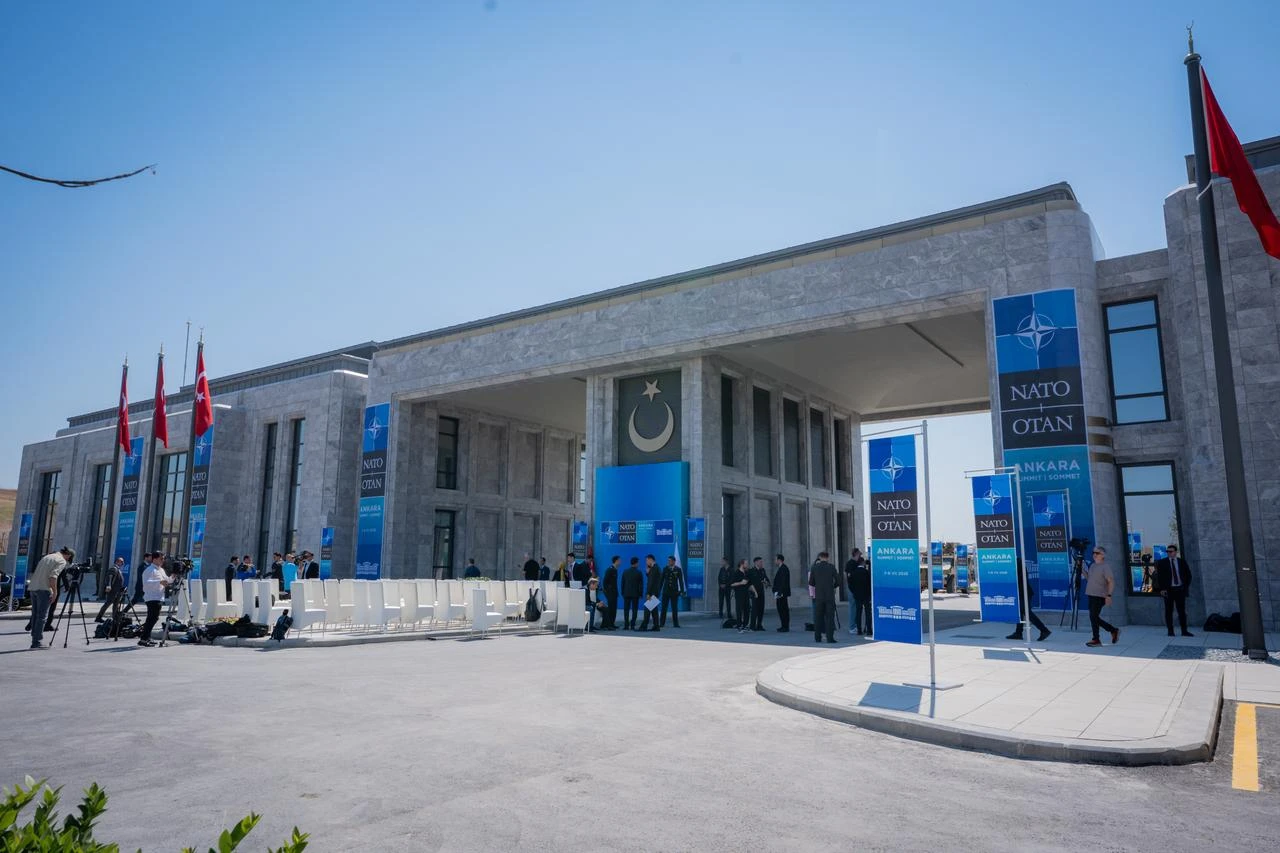
Ankara is preparing to host the 36th NATO Leaders Summit on July 7-8 under the auspices of the Turkish Presidency. Türkiye last hosted the summit in Istanbul in 2004. Twenty-two years later, the alliance is returning to Türkiye, making this major gathering even more significant with the participation of U.S. President Donald Trump, who has recently been critical of NATO.
The summit's agenda focuses on defense spending, the security of NATO member states, the latest developments in Ukraine and the Middle East, and particularly, cooperation in the defense industry. While the event stands out primarily for its diplomatic and military significance, it also carries the potential to create historic macroeconomic opportunities for Türkiye.
One of the summit's most tangible economic outcomes is expected to come from the NATO Summit Defense Industry Forum (NSDIF), which will be held alongside the main event. In recent years, Türkiye has made remarkable progress in the defense sector through companies such as Aselsan, Roketsan, TAI and Baykar, establishing itself as a major player in the global defense industry.
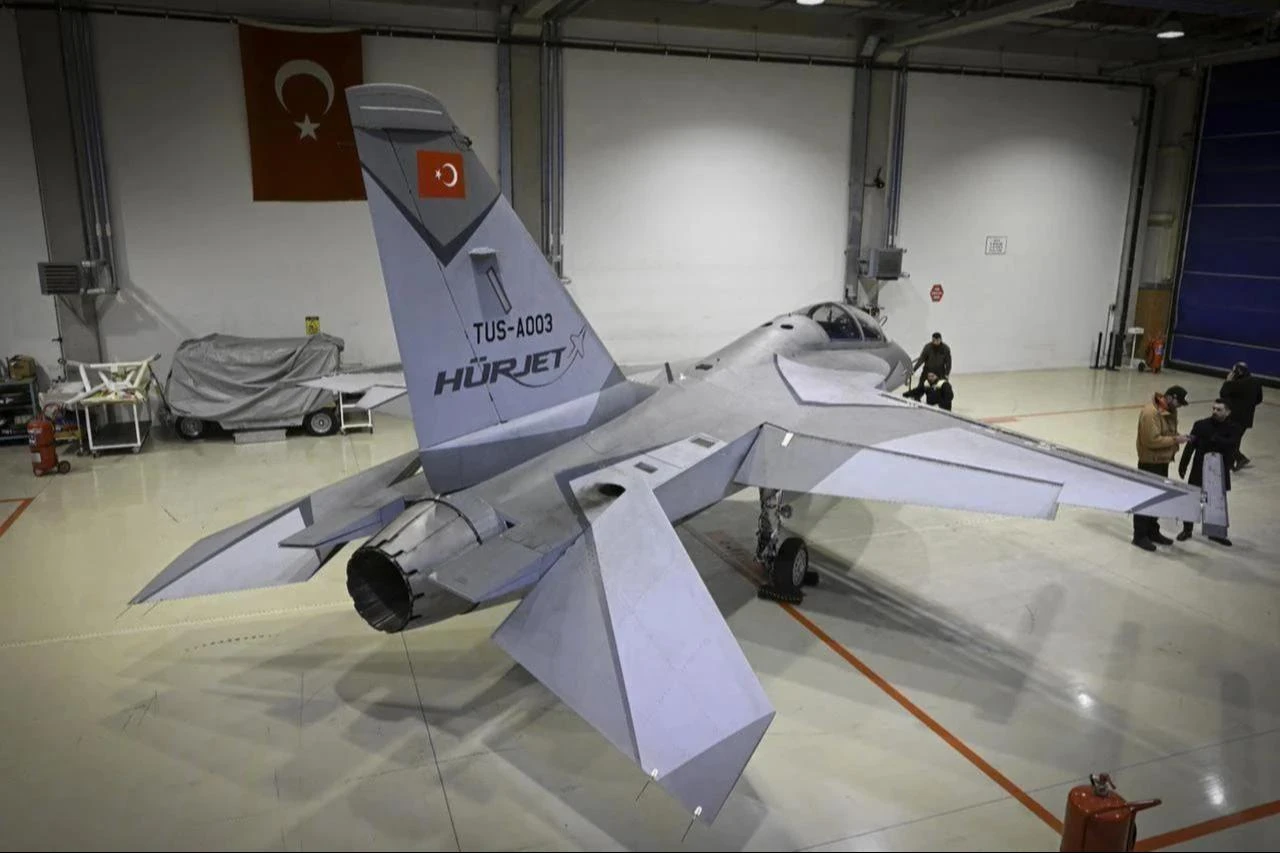

Decision-makers from NATO member countries will have the opportunity to examine the projects of Turkish defense companies firsthand, potentially paving the way for new export agreements. Given the high value-added nature of the defense industry, any deals reached could amount to billions of dollars.
Turkish companies are particularly competitive in unmanned aerial vehicles (UAVs), armed drones, electronic warfare systems and radar technologies. As NATO moves to increase defense spending, Turkish firms could secure a larger share of future projects, bringing additional foreign currency revenues into the country. Welcoming the leaders of the world's largest military alliance to Ankara would also reinforce confidence in the country's overall investment climate.
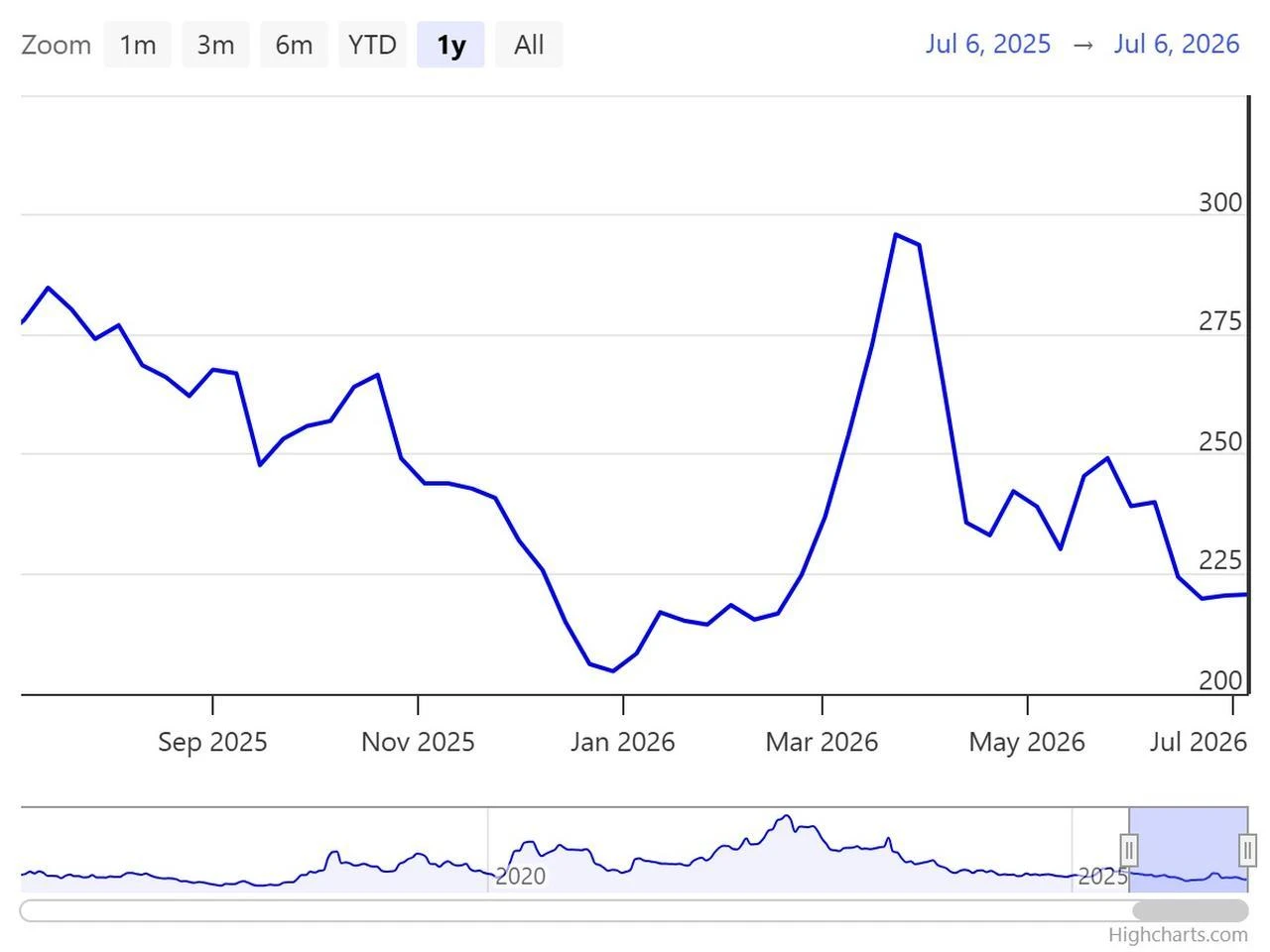
A successful summit could strengthen Türkiye's geopolitical standing while also contributing to a decline in the country's credit default swap (CDS) risk premium, potentially reducing external borrowing costs.
The Middle East crisis earlier this year and the temporary closure of the Strait of Hormuz once again highlighted the importance of energy supply security. The crisis has renewed global interest in alternative and secure transportation and energy routes.
At the NATO summit, Türkiye will have an opportunity to highlight its strategic location connecting the Balkans, the Black Sea, the Caucasus, the Eastern Mediterranean and the Middle East. As a result, Türkiye-centered energy projects, transportation corridors and related logistics investments could emerge as key topics during the summit.
The summit could also create opportunities for bilateral economic talks. This may open the door to cooperation in sectors beyond defense, including energy, logistics and technology.
In that sense, the summit could serve as a platform for what might be described as economic diplomacy, helping Türkiye both preserve its existing export markets and gain access to new ones.
The summit is expected to host heads of state from all 32 NATO member countries, along with numerous ministers, senior officials, more than 56,000 security personnel and around 3,000 international journalists in Ankara.
Such a large-scale event is expected to generate significant economic activity across the hospitality, transportation, food service and event management sectors. Some estimates suggest the services sector could benefit by ₺8-10 billion ($170.9 million to $213.6 million).
U.S. President Donald Trump, who has been engaged in conflict with Iran since March and has at times criticized NATO during this period, has confirmed that he will attend the Ankara summit at the invitation of President Recep Tayyip Erdogan. He has also hinted that he has "some surprises" in store.
While relations between Türkiye and the United States remain positive at the presidential level, challenges persist, including the Countering America's Adversaries Through Sanctions Act (CAATSA) sanctions imposed by the U.S. Congress and the ongoing dispute over Türkiye's exclusion from the F-35 fighter jet program.
Considering that the long-running Halkbank case in the U.S. was recently dismissed, the Ankara summit could prove critical for progress on these and other outstanding issues.


 Set as preferred source
 Set as preferred source


 7 min read