

 Newsletters


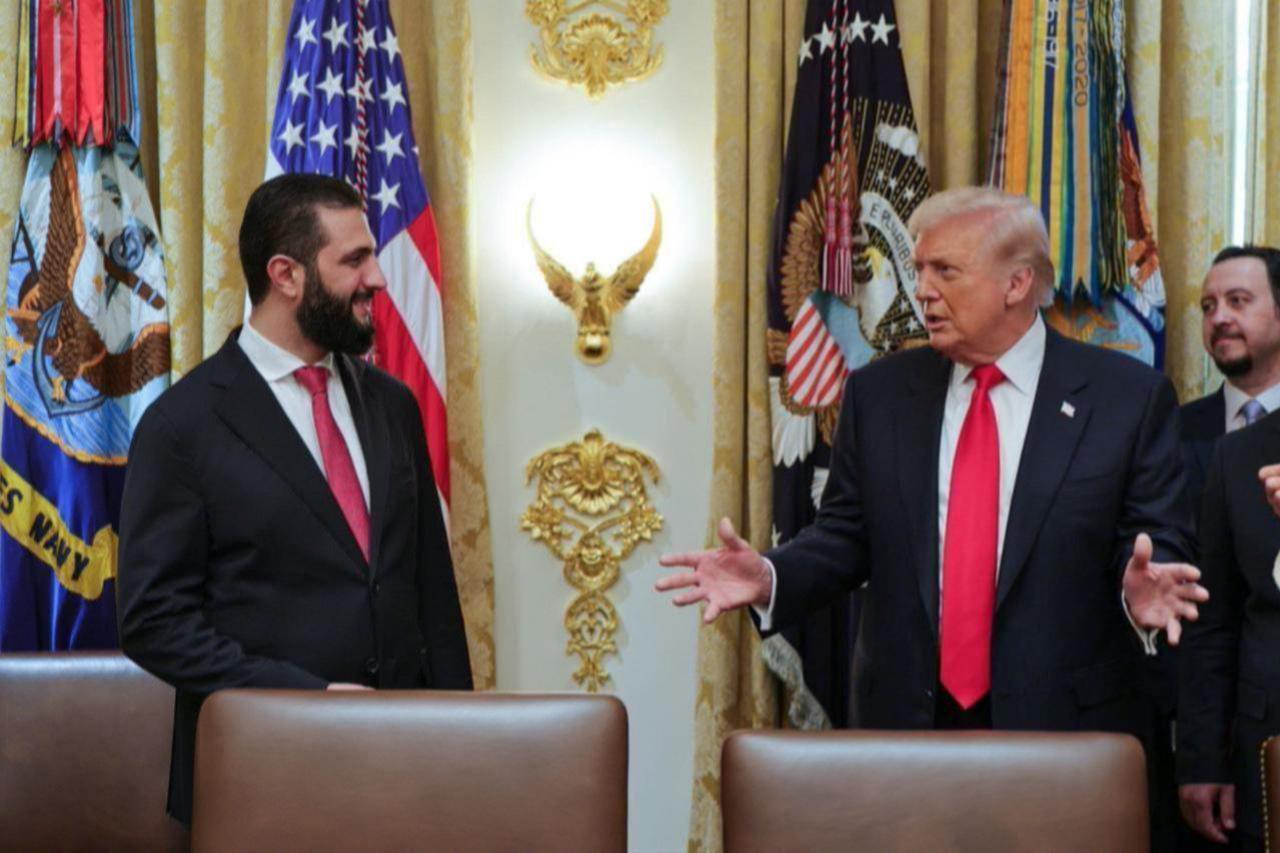


Syrian President Ahmed al-Sharaa spoke by telephone with U.S. President Donald Trump on Sunday, with the two leaders addressing bilateral relations, regional security developments, and pathways to economic cooperation as Syria continues its reconstruction efforts following the fall of Bashar al-Assad's government.
According to a statement from the Syrian presidency, al-Sharaa emphasized that lifting the remaining U.S. sanctions on Syria represents a fundamental step toward reviving the country's economy and improving living conditions for its citizens. The Syrian president said the removal of those restrictions would attract investment and create conditions for the implementation of development projects across vital sectors of the economy.
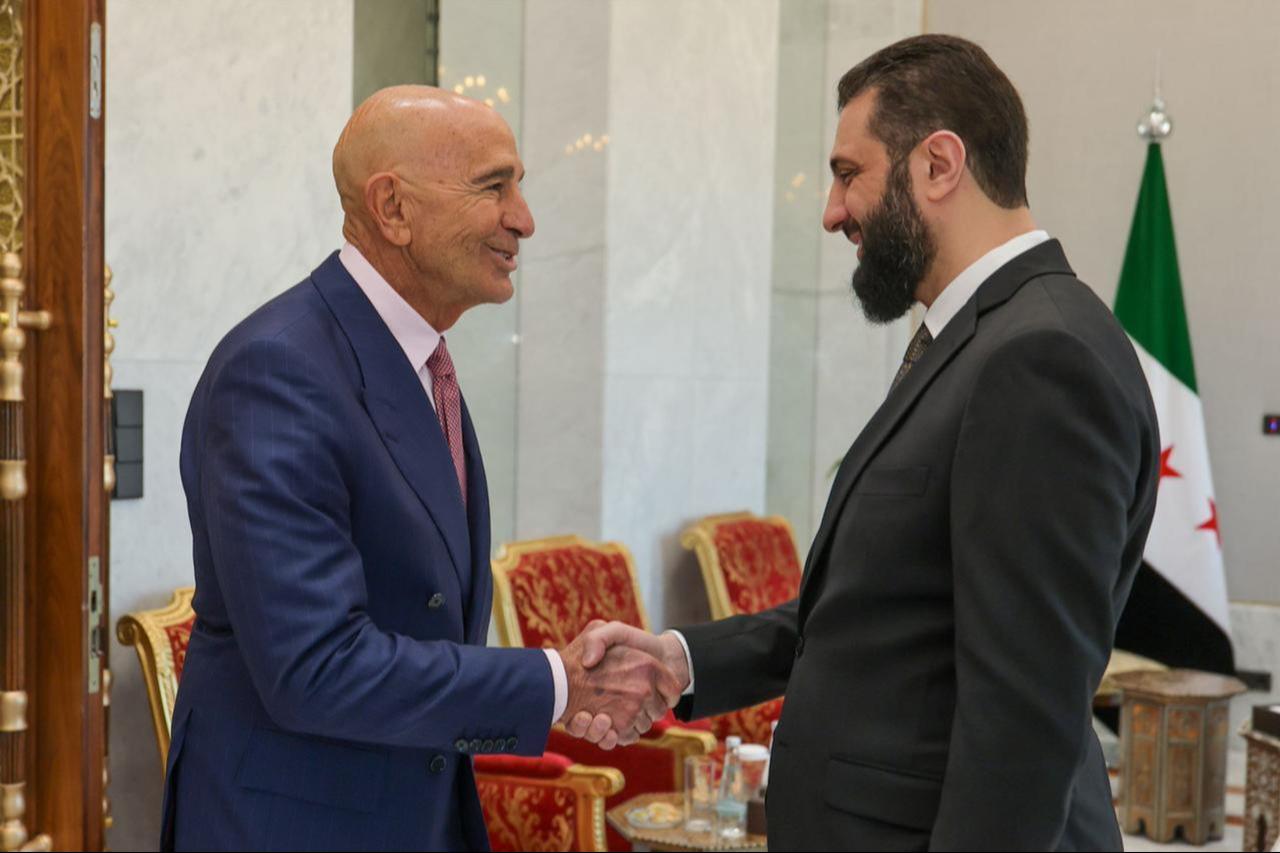

Al-Sharaa stressed that prioritizing diplomatic channels and dialogue would contribute to strengthening regional security and peace, and would help shield the region from further escalation. Trump, for his part, said he was closely following developments in Syria and the broader region, and underscored the importance of preserving stability while supporting Syria's recovery and reconstruction.
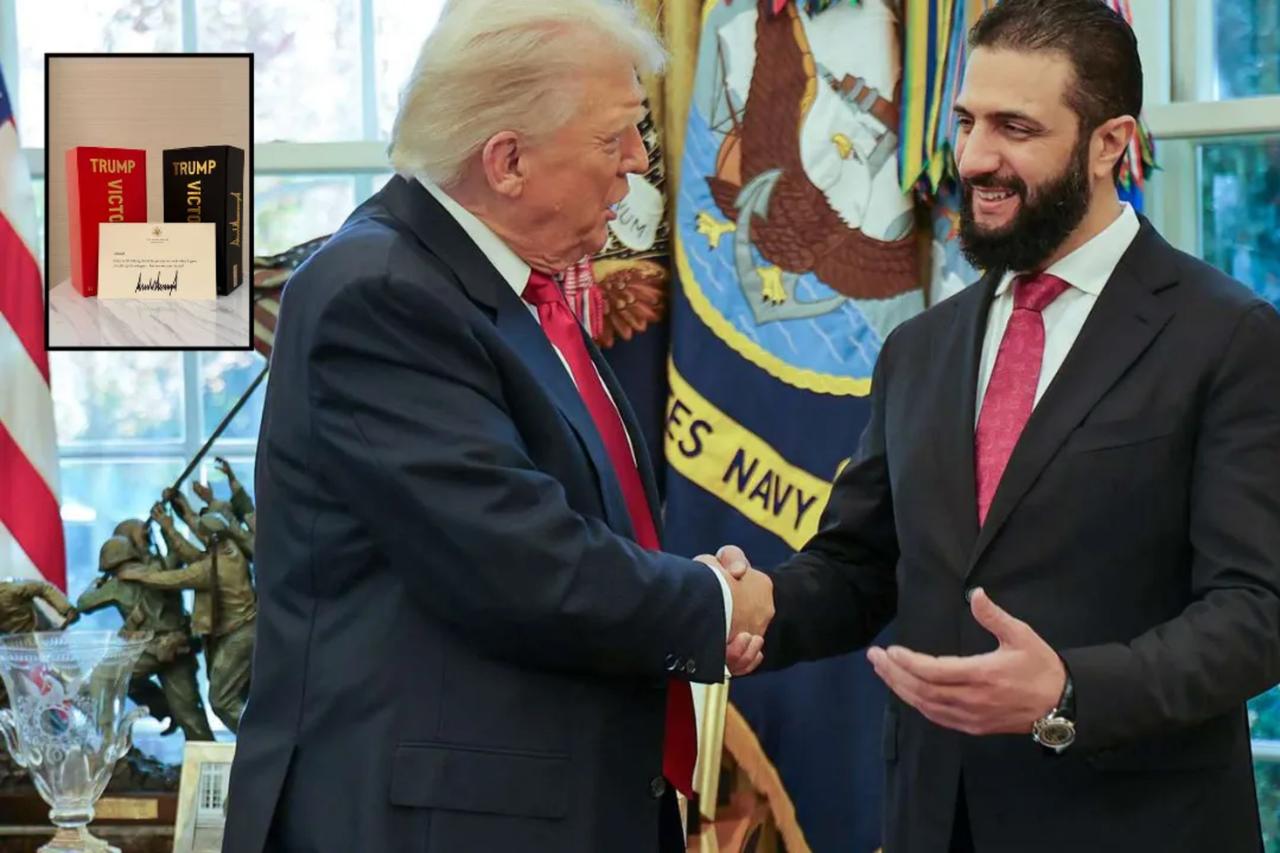
The call reflects a broader warming in U.S.-Syria relations that has unfolded since Assad's ouster in late 2024. Trump met al-Sharaa in Saudi Arabia in May 2025, and the Syrian leader later made a historic visit to the White House in November 2025, the first by a Syrian president since the country's independence in 1946. The U.S. has previously issued sanctions waivers to ease economic pressure on Damascus, though Syria has continued to push for a full and permanent lifting of remaining restrictions.
During Sunday's call, the two presidents assessed avenues for joint cooperation that would support Syria's stability and contribute to its economic recovery going forward. Regional security conditions and the challenges posed by ongoing tensions were also on the agenda.
The conversation comes as Syria's new leadership works to consolidate governance and attract international support for reconstruction, a task that officials in Damascus have consistently framed as contingent on sanctions relief unlocking access to global financial systems and foreign investment.
The two leaders concluded the call by agreeing to maintain contact and coordination, and to continue following up on files of shared importance. Both sides stated that this approach would serve the interests of the two countries and support security and stability in the region.


 Set as preferred source
 Set as preferred source


 1 min read
 1 min read


