Newsletters


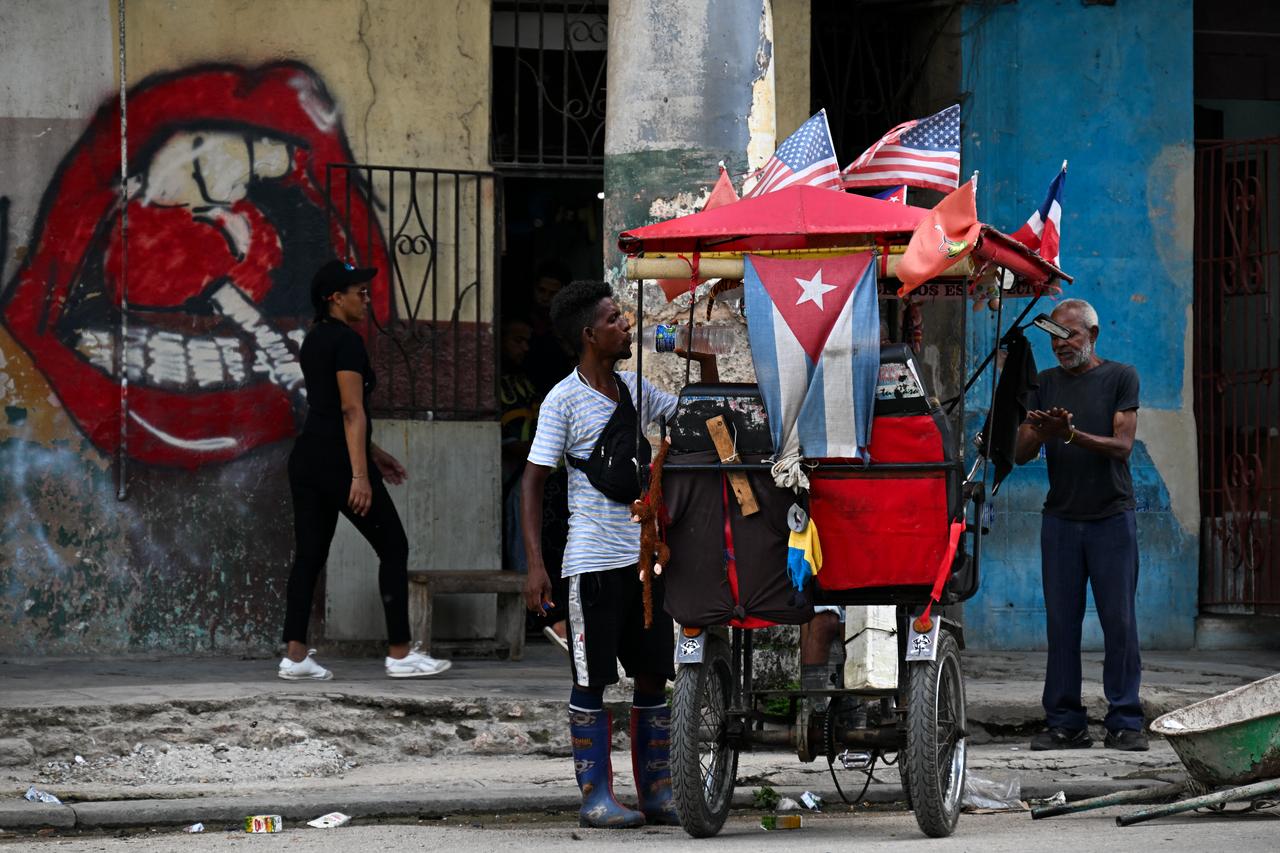


In January 2026, Cuba faced the deepest energy crisis in its history. The trigger was an unexpected development: a U.S. military operation in Venezuela and the capture of Nicolas Maduro. With Maduro’s ouster, the Trump administration immediately halted Venezuela’s oil exports to Cuba. When this flow, Cuba’s primary energy source for decades, was cut off, the island was plunged into darkness almost instantly.
This crisis is not accidental; it is the product of a structural and strategic calculation. Does this calculation rest on a coherent vision of foreign policy, or does it overlook the long-term damage caused by a short-term pressure game?
On January 29, 2026, Trump issued an executive order declaring Cuba an “unusual and extraordinary threat” to U.S. national security. He declared a national emergency, establishing a new mechanism to impose additional tariffs on countries selling oil to Cuba. This move went far beyond the existing embargo, placing pressure on third countries—primarily Mexico. Indeed, in June 2025, Trump had reimposed a ban on U.S. citizens traveling to Cuba for tourism and restricted financial transactions with entities linked to the Cuban military. This pressure intensified with Venezuela’s decline.
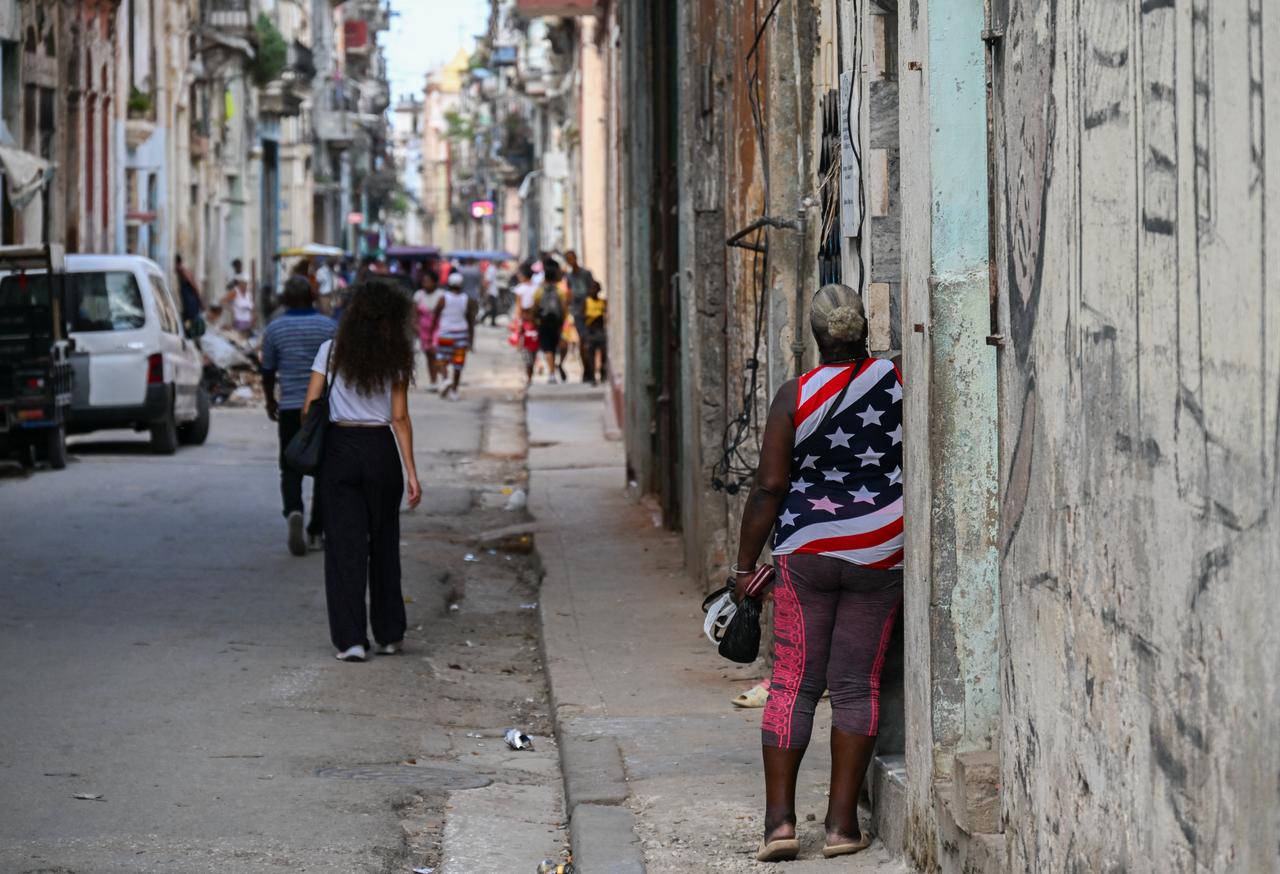
The result was devastating. Last year, Cuba was managing approximately 100,000 barrels of oil and derivatives per day. This covered only 65% of the country’s needs. Now even that figure is out of reach. While the United Nations warned in February that Cuba could be heading toward a complete “collapse,” tens of thousands of surgeries were canceled, and garbage piles formed in the streets of Havana as garbage trucks could not find fuel. In February 2026, the Cuban Ministry of Public Health announced that 32,880 pregnant women were unable to access obstetric ultrasound services and that infant vaccination programs had been disrupted due to fuel shortages.
This picture paints not a portrait of state repression, but of the collapse of a civilian population.

The Trump administration’s strategy appears simple on the surface: corner Cuba economically, bring the regime to the negotiating table, or wait for its collapse. As one of Trump’s advisors told Axios, the strategy is “classic Trump”: destabilize your enemy. Indeed, Trump described Cuba as “doomed to collapse on its own” and even mentioned the possibility of a “friendly takeover.”
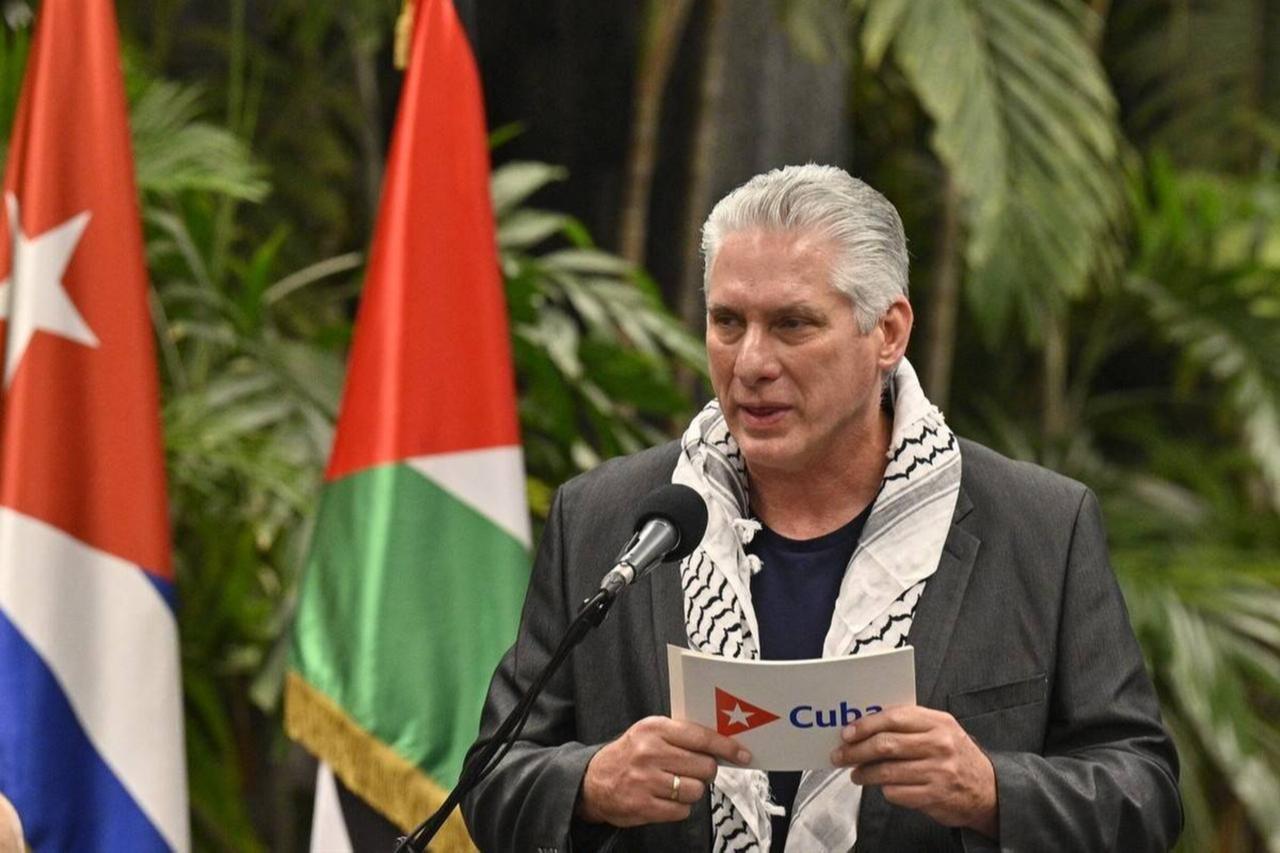
On the other hand, Cuban President Miguel Diaz-Canel publicly acknowledged for the first time in March 2026 that his government was engaged in negotiations with the U.S. and released more than 2,000 political prisoners in April. This is a significant concession. However, the fact that Secretary of State Marco Rubio tied his mid-May offer of $100 million in humanitarian aid to the condition that the Cuban government implement reforms under its communist regime clearly demonstrates that what is being demanded is not negotiation, but surrender.
How realistic is this approach from a foreign policy perspective? Historical experience calls for skepticism. Is attempting to topple a regime that has weathered over 60 years of embargoes through an “oil cutoff” within a few months a strategic calculation? Or is it merely an ideological wish? It has been proven time and again that the Cuban government tends to harden its stance under pressure. Moreover, encouraging China and Russia to seek alternative channels of support runs counter to U.S. long-term interests.
Another dimension of the crisis is regional dynamics. After the Supreme Court ruled that tariffs imposed under the IEEPA exceeded the president’s authority, the Trump administration shifted its strategy toward sanctions. This flexibility indicates not that Washington considers its tools for pressuring Cuba to be inexhaustible, but rather that it is pushing the legal boundaries.
What is even more striking is this: Francisco Pichon, the U.N. resident coordinator in Cuba, announced that they have prepared an emergency action plan covering approximately two million people across eight provinces in the country. The fact that Cuba, often viewed as a relic of the Cold War, is entering the humanitarian emergency agenda with such force by 2026 carries a cost for the U.S. image, even in the eyes of the West. In Latin America, such a pressure policy risks alienating even countries that do not sympathize with the Cuban regime from Washington.
It may be tempting to view the policy toward Cuba as nothing more than a geopolitical chess game. But the reality on the ground is different: Hospitals are operating below capacity, surgeries are being postponed, access to clean water is being cut off, and infants are at risk. It is not the regime but the civilian population of 11 million that is paying the price for a policy aimed at bringing down a regime.
In foreign policy analysis, “maximum pressure” strategies are evaluated not only based on the target’s resistance but also on the costs the implementer can bear and the long-term consequences. In the case of Cuba, the current situation points not to a strategic victory but a humanitarian breaking point.
When and how Washington recalculates this equation will be decisive for both regional stability and the U.S.’s global credibility. For history is written not by embargoes, but by the orders established at the negotiating table. Burying Cuba in darkness may be a strategy, but as the darkness lingers, the number of those sitting around that table dwindles. And declaring victory at an empty table resembles loneliness more than victory.


 Set as preferred source
 Set as preferred source


 1 min read
 1 min read