Newsletters


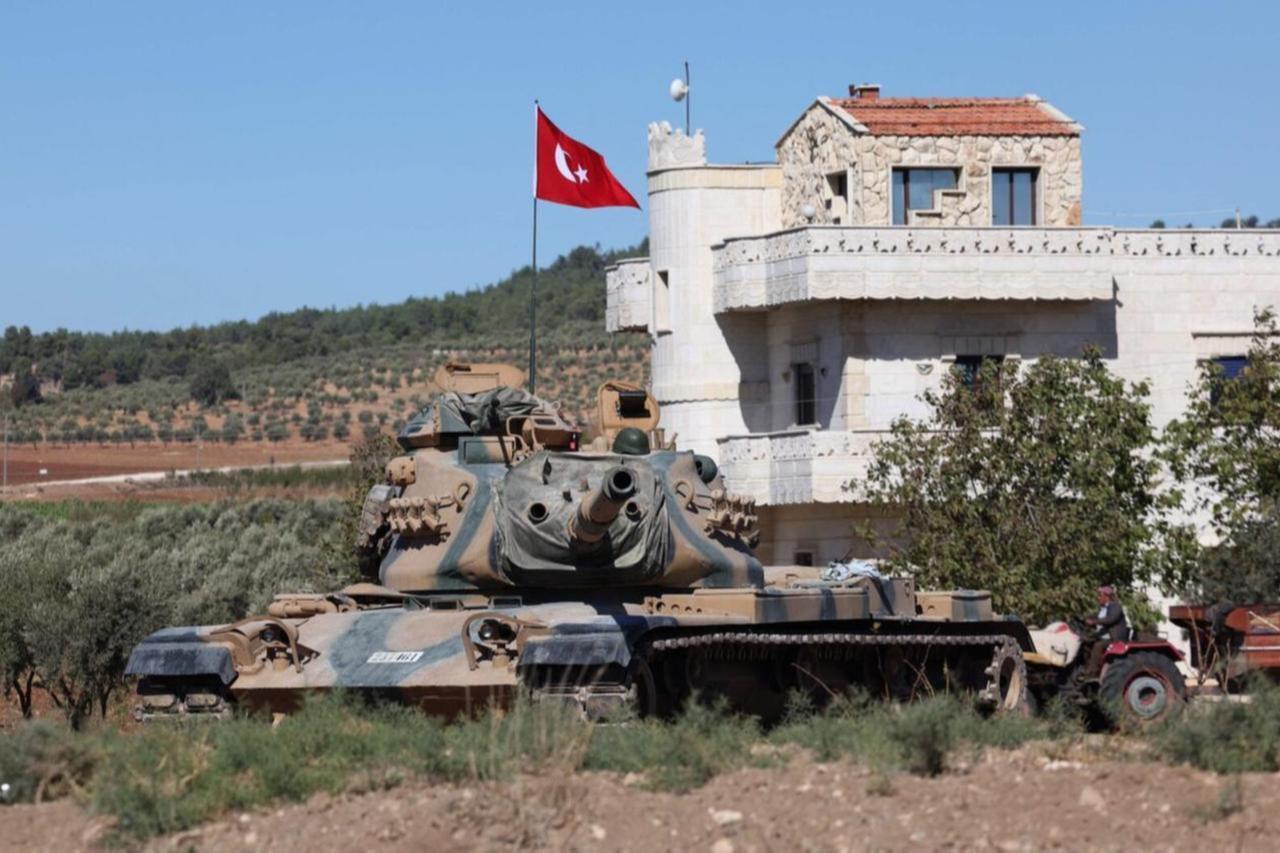


The newly released national security strategy of the United States of America contains a glimpse into the geopolitical thinking of the Trump administration and its overall strategic priorities.
When it comes to the Middle East and Türkiye, the document sheds a perspective that may further encourage Turkish-American collaboration and coordination.
Since Trump’s inauguration, it has been clear that his vision entails reducing American efforts in the Middle East in favor of a more robust approach vis-à-vis China.
However, the Middle East didn’t allow the U.S. to shift its focus from the Middle East to Asia. The Gaza conflict, the 12-day war between Iran and Israel, and the toppling of the Assad regime force the U.S. to be more engaged with the region.
However, the document clearly underlines that the US no longer sees the Middle East as vital and has zero interest in regime-change policies. Instead of shaping the region, the US wants to benefit from regional dynamics and facilitate trade and economic bonds.
But this also means that if the American approach fails, the US won’t be able to implement its overall national security strategy. Apparently, the belief is that the US was for long been a source of turmoil in the region, and an ideological withdrawal from liberal agendas will facilitate stability.
Secondly, the Trump administration believes that the ceasefire deal in Gaza will hold and open the doors for regional normalization of relations.
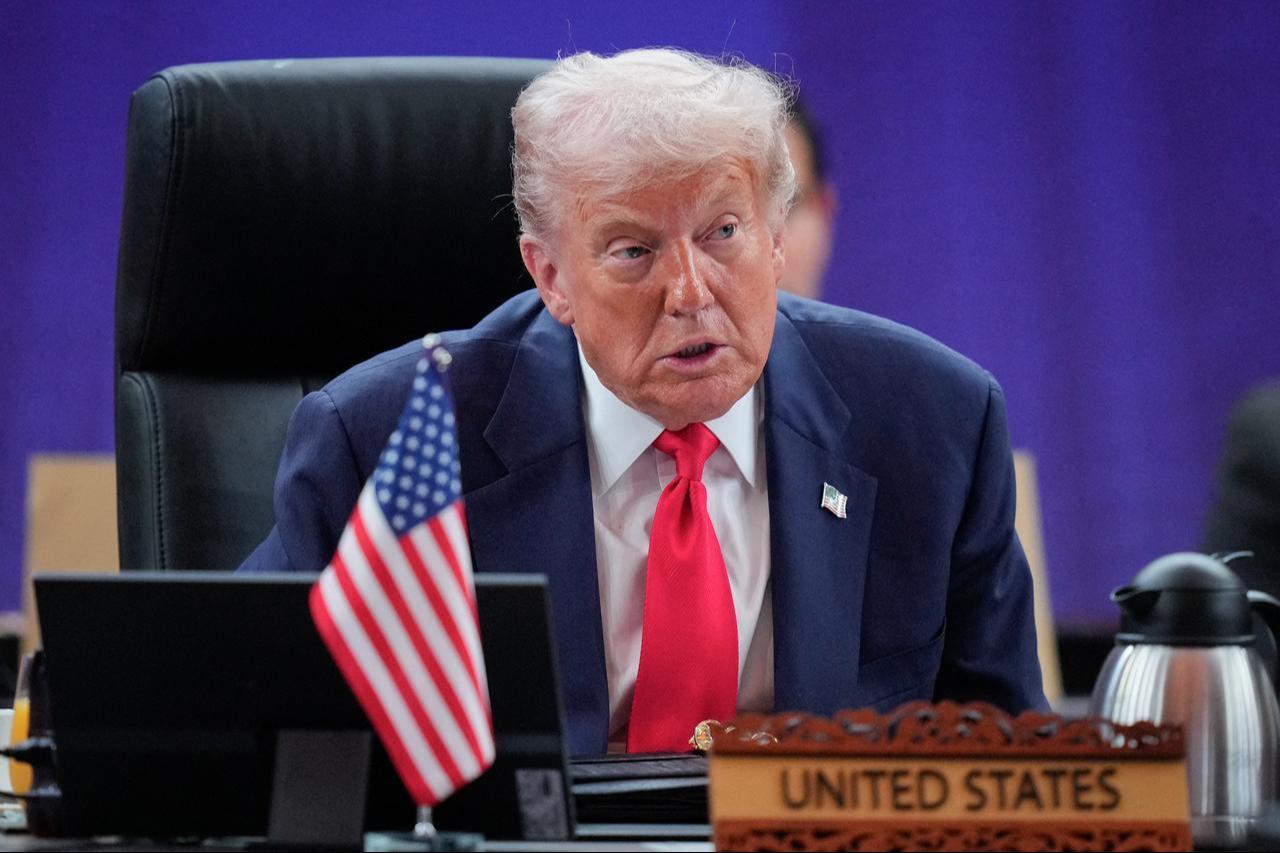

For Türkiye, this will have major ramifications. Firstly, if the U.S. doesn’t want to be dragged back into the Middle East, it needs Israel to limit itself, and it needs to ensure that the Gaza ceasefire holds.
Türkiye is crucial for both as it is the regional balancing actor vis-à-vis Israel, and its integration into the international stabilization force in Gaza may be the key to the success of the ceasefire.
In short, the Israeli objection to a Turkish role in the stabilization force can be interpreted as an Israeli objection to the American national security strategy. Without Türkiye, the stabilization force will likely fail to achieve its goal.
Secondly, this strategy means that the Trump administration will double down on its policy to delegate responsibilities to special envoys and to regional partners and allies. This would mean that we can expect Wittkoff and Barrack to be more and more influential in shaping the U.S.’ Middle East policy.
And we can expect the U.S. to be expanding its cooperation with Türkiye. In the end, Türkiye is the single Muslim nation in the Middle East that can be a partner for the U.S. and has the capacity to project power beyond its borders.


 Set as preferred source
 Set as preferred source


 1 min read
 1 min read