Newsletters


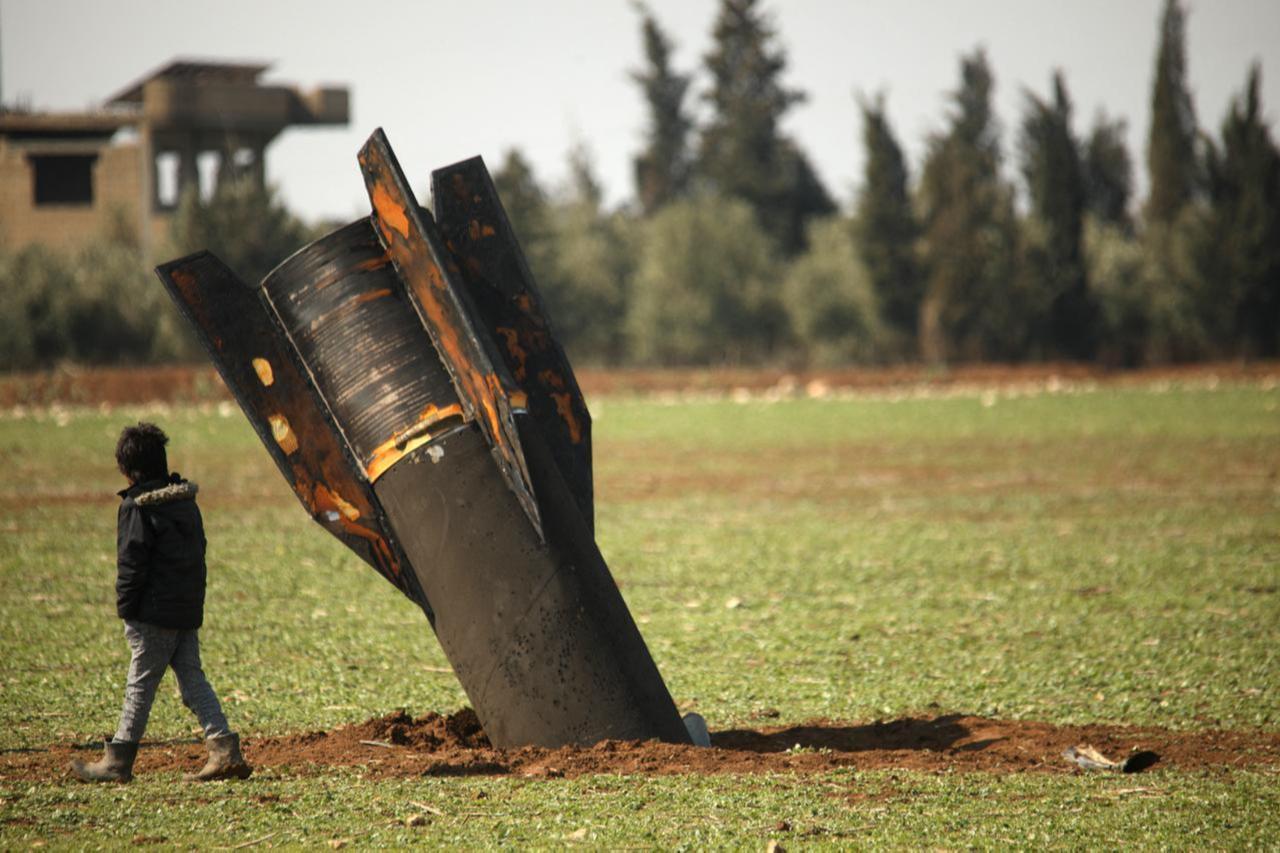


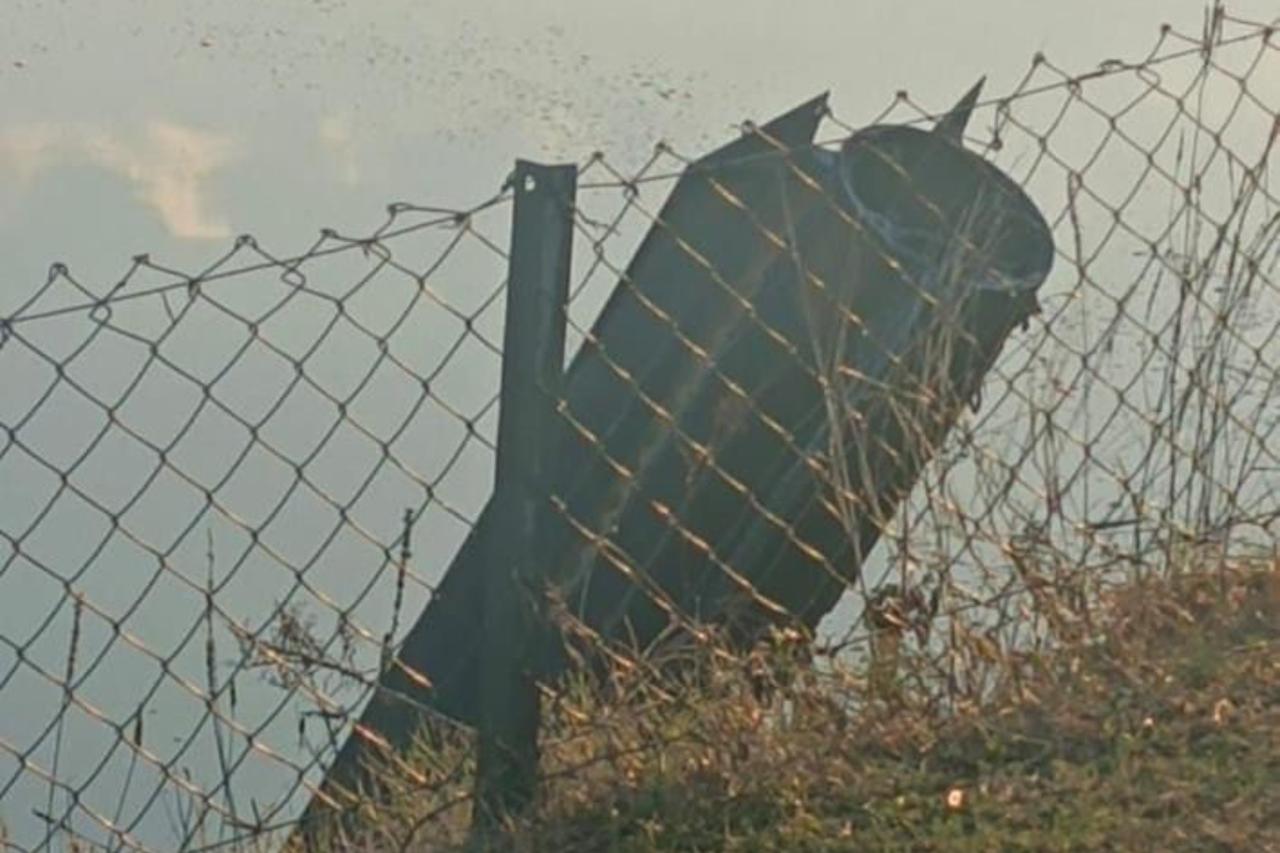
The recent incidents in which ballistic missiles launched by Iran were intercepted near Türkiye have once again highlighted the fragility and complexity of the region’s security environment.
In the immediate aftermath of the event, public debate quickly focused on technical questions: which radar detected the missile first? Was it the radar at Kurecik? Was the interception carried out by a U.S. destroyer in the Mediterranean?
In reality, ballistic missile defense is far too complex to be reduced to a single radar or interceptor. What occurred was the result of a highly integrated defense architecture in which multiple sensors, command networks, and interceptor systems operate simultaneously.
The more important question, however, is strategic: why would Iran launch ballistic missiles toward Türkiye? What military objective would such an action serve, and does Türkiye have the capacity to defend itself against such threats?
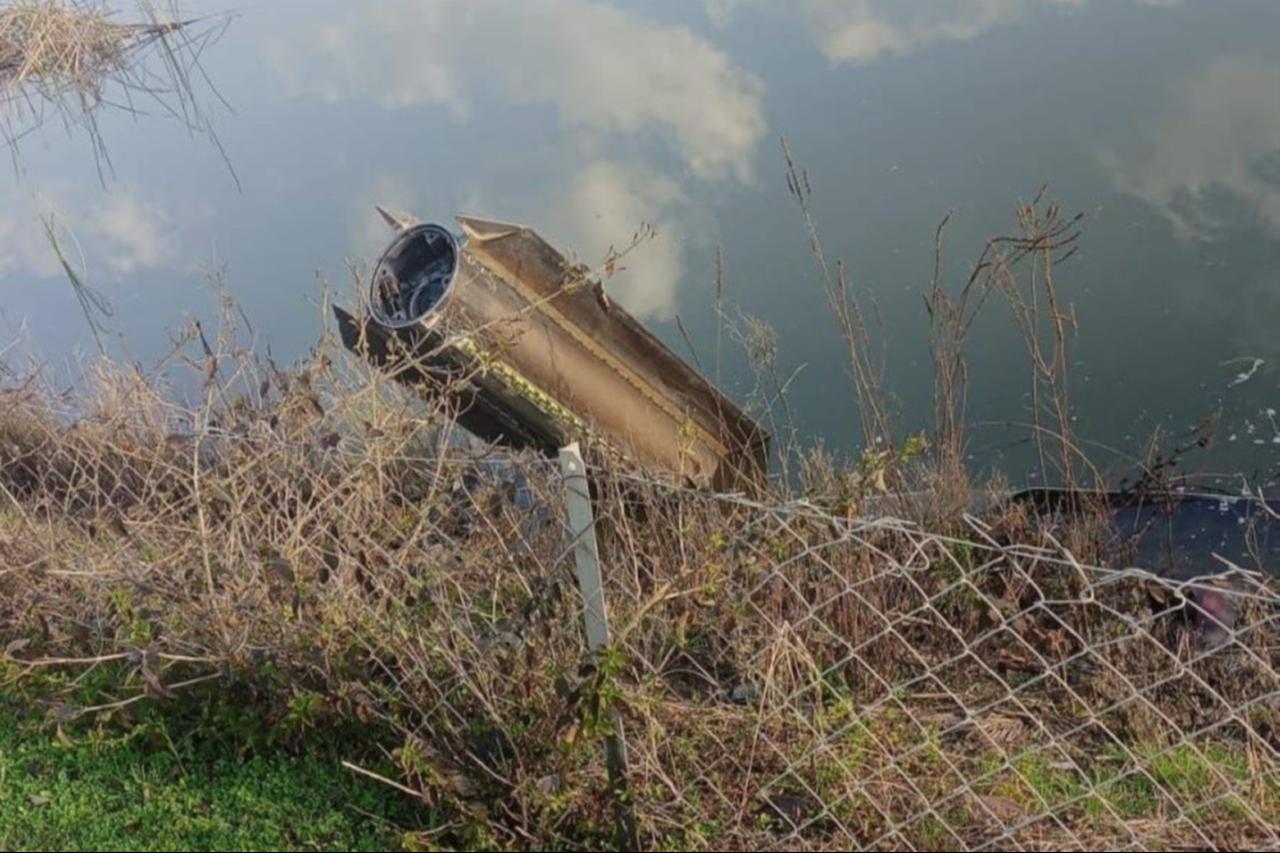

Iran’s ballistic missile program is the largest in the Middle East and has become a central pillar of its deterrence strategy. Unlike many Western countries that rely heavily on airpower for long-range strike missions, Iran has invested heavily in ballistic missiles as a means of projecting power across the region.
Starting with urgent off-the-shelf procurement during the war with Iraq in the 1980s, Iran steadily invested in research and development infrastructure and, with the help of allies such as North Korea, consistently improved the capabilities of its missiles.
After more than four decades, Iran's missile portfolio is based on three main product lines: the Fateh-110 solid fuel missile and the Shahab-3 and Khorramshahr liquid fuel missile families. Iran's strike range is around 2,000 kilometers (1242.7 miles), an upper limit that was publicly declared by the then-Supreme Leader Ali Khamenei.
Right after the combined attack by the United States and Israel on Feb. 28, Iran responded with salvoes of missiles and kamikaze drones against targets over a large region. Along with their military impact, these strikes also convey political messages to Gulf countries, Iran's neighbors, and even to Europe.
For missiles that were fired towards Türkiye, the primary objective is unlikely to be purely military destruction. Instead, the logic is largely strategic signaling. Ballistic missiles serve as instruments of political messaging as much as military capability.
Three main objectives can be identified here:
First, deterrence signaling. By demonstrating the ability to strike targets across the region, including NATO territory, Iran reinforces the credibility of its missile forces and signals that any regional confrontation could rapidly escalate.
Second, pressure on NATO’s southeastern flank. Türkiye occupies a unique position as both a NATO member and a regional power bordering the Middle East. A missile launch toward Türkiye can be interpreted as a message directed not only at Ankara but also at NATO’s broader missile defense architecture in the region.
Third, testing the defensive system and preferably creating gaps in it. Many of Iran's missiles and drones have already inflicted significant damage on the U.S.'s and Gulf countries' early warning capability in the region. Many high-profile radar and communication systems have either been destroyed or suffered heavy damage.
The AN/TPY-2 early warning radar system based in Türkiye's Kurecik is a very critical element of NATO's integrated air and missile defense (IAMD) network. Additionally, the Incirlik base is a major hub for US and NATO air operations in the region.
Therefore, targeting either of the sites may provide valuable intelligence to Iran on the reaction performance of the US and its allies, both in terms of military capability and political positioning.
 1 min read
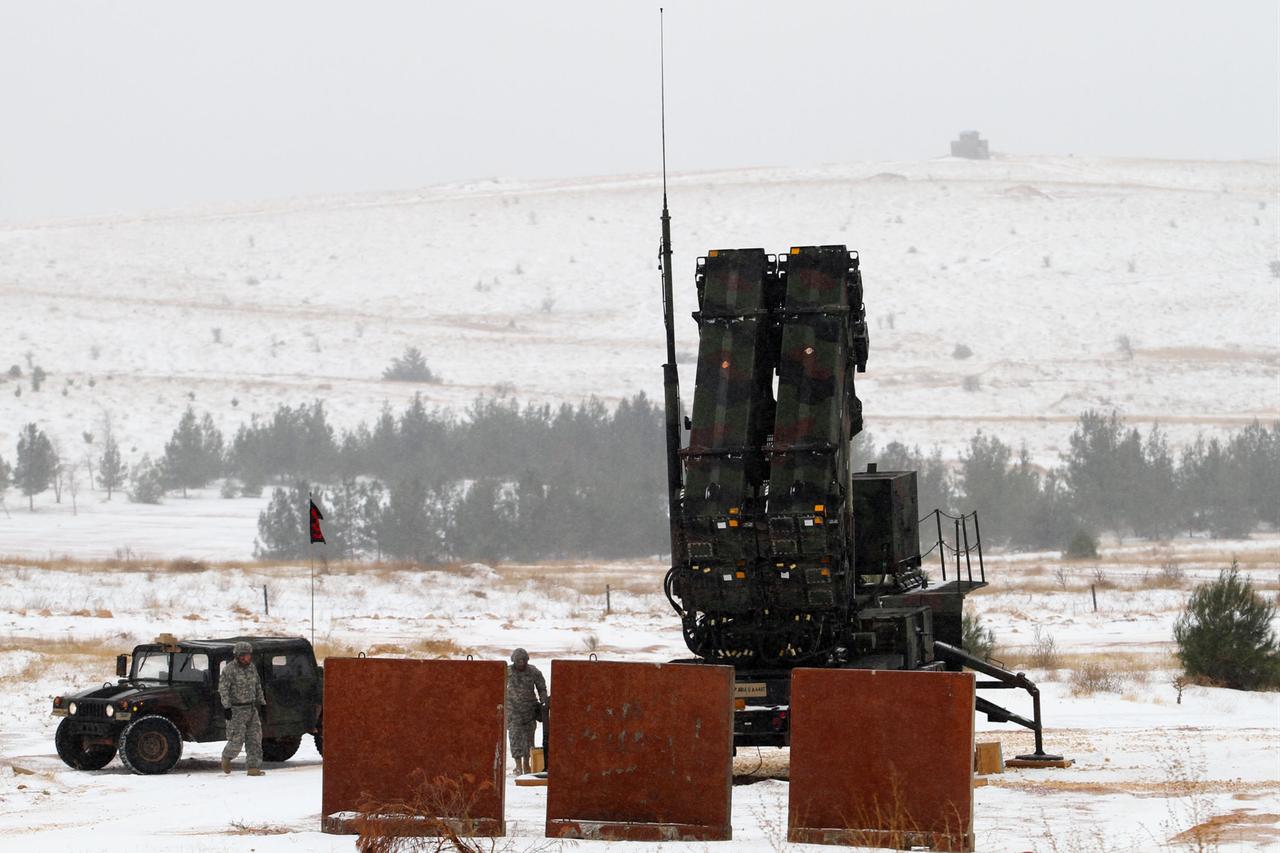
Türkiye’s air and missile defense capability is evolving but remains a work in progress. For many years, Türkiye relied heavily on NATO systems for long-range missile defense.
One of the most important elements of this architecture is the AN/TPY-2 early-warning radar located in Kurecik, in eastern Türkiye. This radar is capable of detecting ballistic missiles shortly after launch, during the boost phase of flight.
Because of its geographical position, it can detect missiles launched from the Middle East at a very early stage, providing critical warning time.
However, early warning alone does not neutralize a missile. The interception itself typically relies on interceptor systems deployed across the NATO missile defense network.
In the recent incidents, incoming missiles were intercepted by SM-3 interceptor missiles launched from US Navy AEGIS destroyers operating in the Mediterranean.
These interceptors are designed to destroy ballistic missiles outside the atmosphere using a kinetic “hit-to-kill” mechanism.
Within NATO, the overall missile defense architecture is coordinated through Allied Air Command (AIRCOM) in Ramstein, Germany, where sensor data from radars, including Kurecik and the two AEGIS Ashore sites in Poland and Romania; satellites; and ships are fused into a common operational picture.
Once a missile trajectory is calculated, the most suitable interceptor system is assigned. The whole process is completed within a span of minutes, with minimal, if not entirely zero, manual intervention by humans.
From this perspective, Türkiye’s defense against ballistic missiles is not based on national assets but on a networked NATO defense architecture.
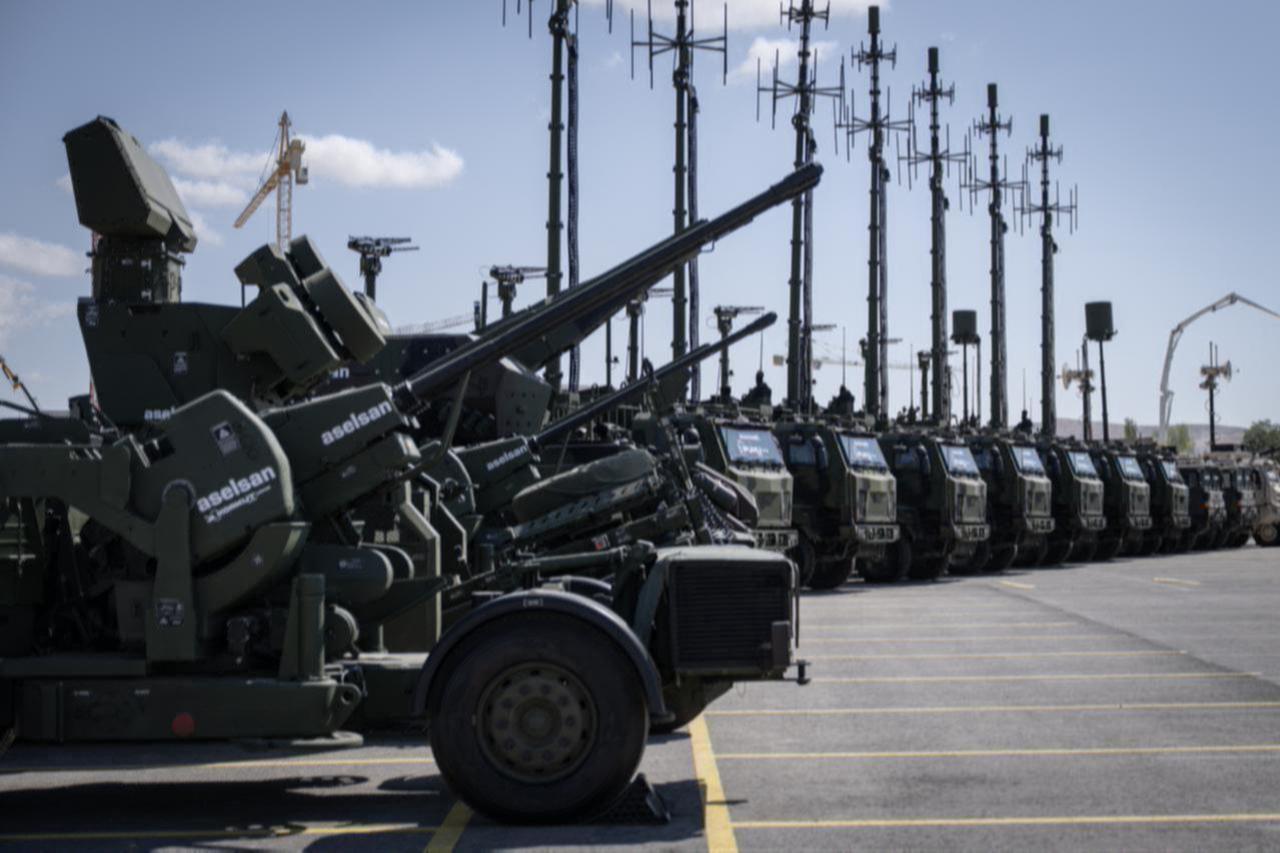
At the national level, Türkiye currently operates several air defense systems, including legacy systems such as I-HAWK and Rapier, as well as newer indigenous systems like HISAR-A, HISAR-O and the long-range SİPER system, which is now entering service.
These systems are part of a broader national integrated air defense architecture often referred to as “Steel Dome” (Celik Kubbe).
Nevertheless, Türkiye’s dedicated ballistic missile interception capability is still developing, and for high-altitude missile defense, the country continues to rely significantly on NATO assets.
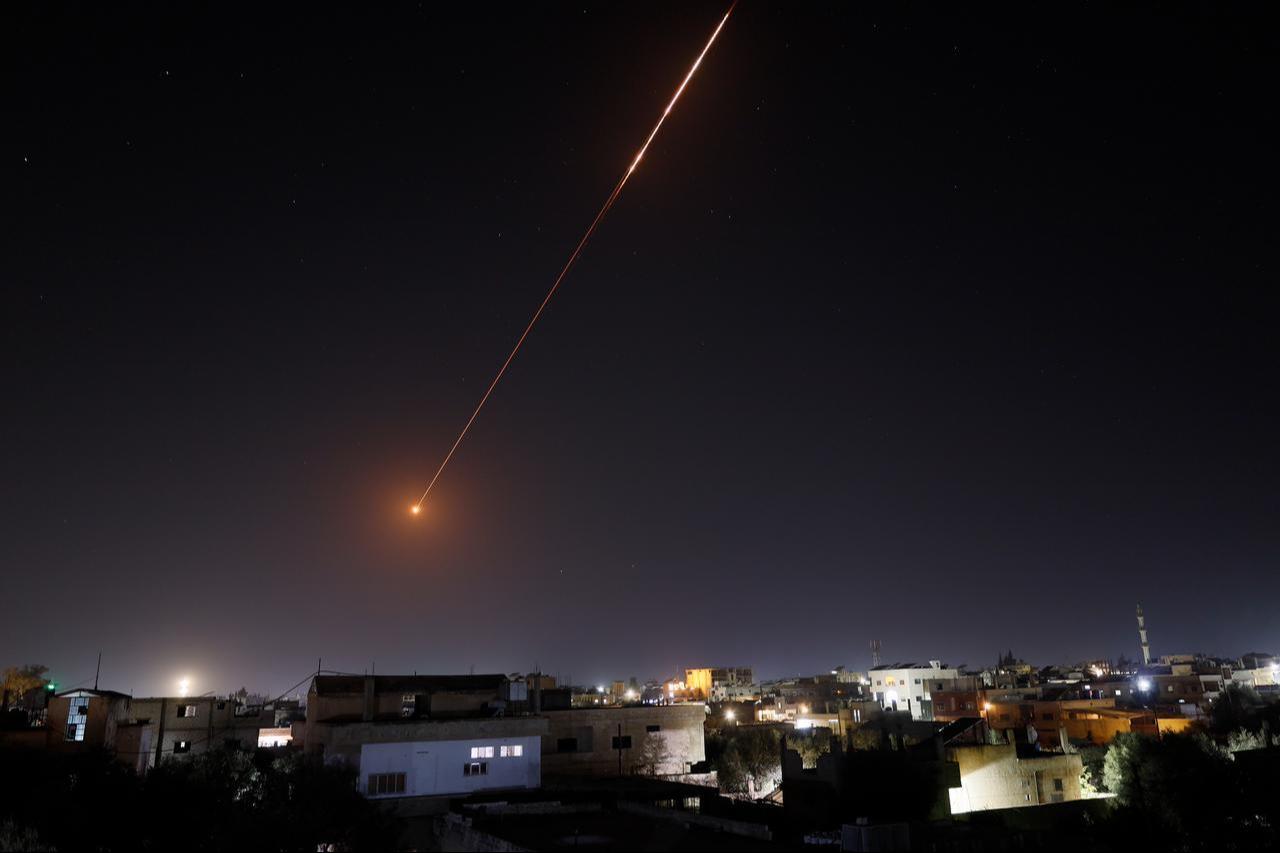
Ballistic missile defense is widely considered one of the most technically challenging tasks in modern warfare. The difficulty stems from several factors.
First, speed. A ballistic missile travels at extremely high velocities—often several kilometers per second. From launch to impact, the entire flight may take only 10–20 minutes, depending on the range.
Second, trajectory complexity. After the boost phase, the missile follows a ballistic trajectory through space before re-entering the atmosphere at hypersonic speeds. Intercepting a target moving this fast requires extremely precise tracking and guidance.
Third, the statistical nature of interception. Missile defense systems rarely rely on a single interceptor. In many cases, two or more interceptors are launched against a single incoming missile to increase the probability of success.
Finally, there is the cost asymmetry. Ballistic missiles can be relatively inexpensive to produce compared with the interceptors designed to destroy them. For example, modern SM-3 interceptors can cost tens of millions of dollars per unit.
This creates a strategic imbalance: An attacker can potentially launch large numbers of missiles, while defenders must expend costly interceptors to stop them.
Ultimately, ballistic missile defense cannot be understood as a single weapon system. It is best described as a “system of systems”, which means a complex network of radars, satellites, command centers, and interceptor platforms working together in real time.
The recent incidents near Türkiye illustrate this reality clearly. The missile was not detected by just one radar, nor intercepted by a single isolated system. Instead, a network of sensors detected the launch, data were processed through NATO command networks and an interceptor platform was assigned to neutralize the threat within minutes.
But one thing is certain now: Deterrence, defense, and political signaling now travel at the same hypersonic speed, and Türkiye sits directly on that trajectory.


 Set as preferred source
 Set as preferred source


 1 min read