Newsletters


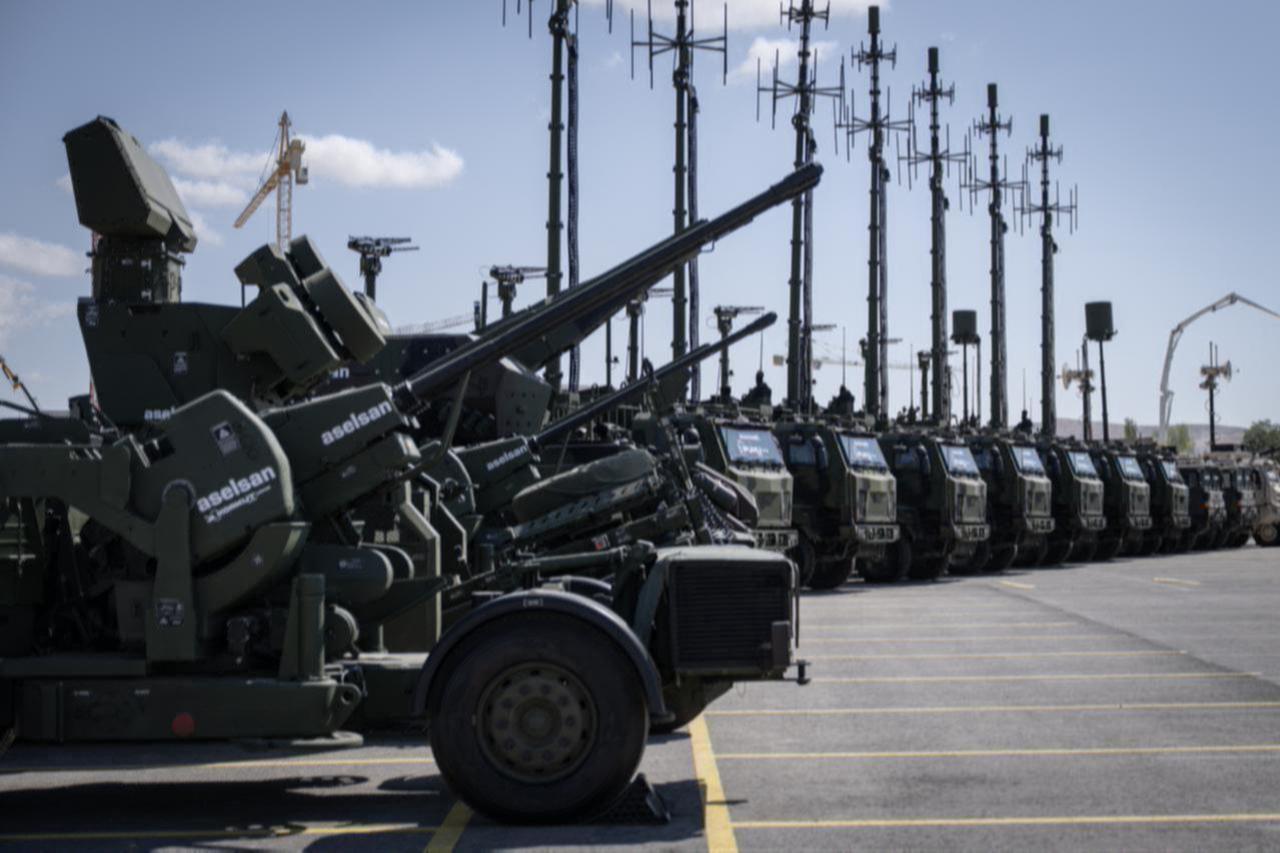


As the threat of Iran deploying ballistic missiles across the region intensifies, Türkiye has emerged as a key nation prioritizing ballistic missile defense, a matter of critical importance for Ankara following three separate Iranian strikes launched near its southern borders.
Building a credible ballistic missile defense system, however, is among the most demanding undertakings in modern defense procurement.
Unlike conventional air defense, which targets aircraft and cruise missiles, ballistic missile interception requires detecting threats at extreme altitudes, tracking them across vast distances, and neutralizing warheads traveling at hypersonic speeds.
The cost burden is equally staggering as development programs for such systems routinely run into the tens of billions of dollars, and that figure climbs further when production and deployment costs are factored in. Even wealthy, technologically advanced nations have struggled to shoulder these expenses independently.
This is precisely why ballistic missile defense, as in many cases such as Europe’s, has been structured as a multinational endeavor. Sharing technological risk, distributing financial costs, and cementing strategic partnerships have all served as compelling reasons for countries to pool resources rather than pursue fully sovereign solutions.
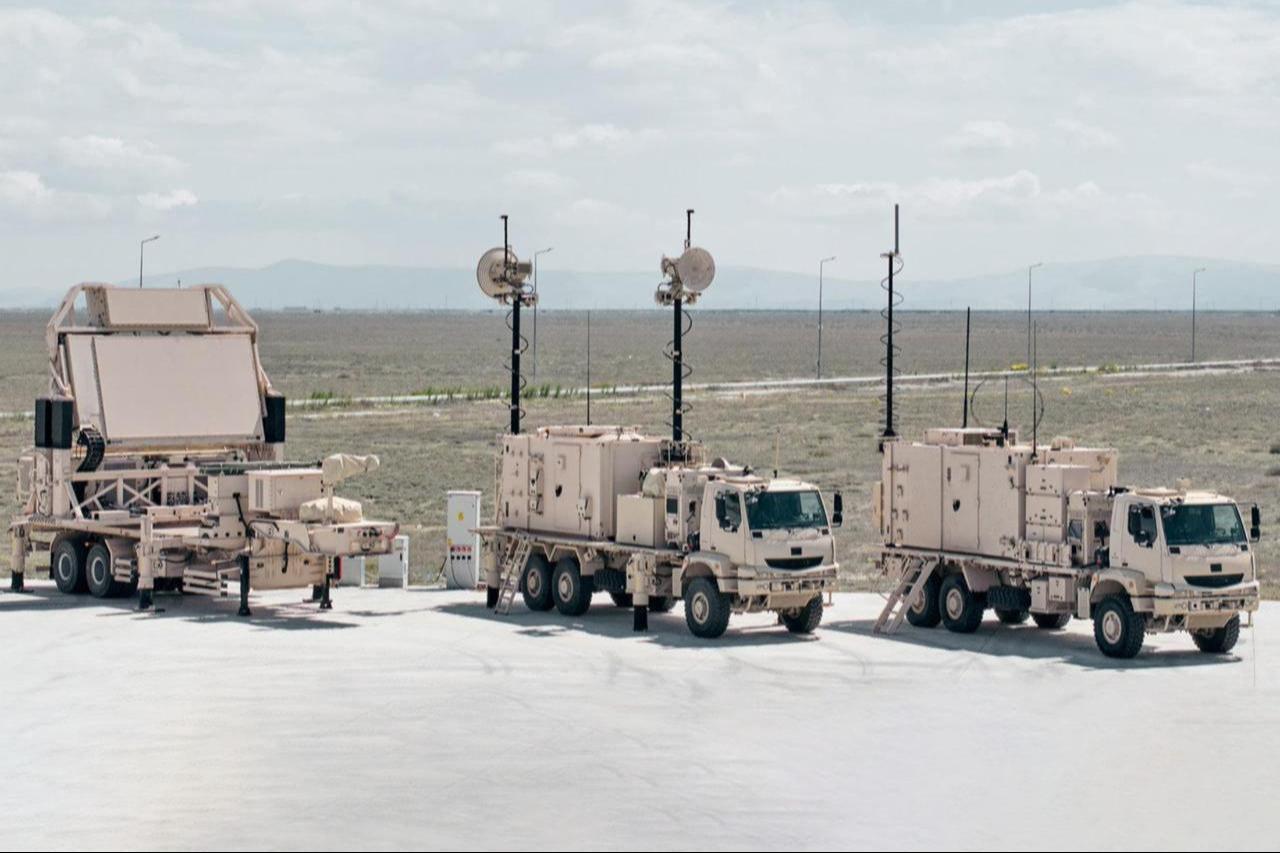

Türkiye's domestically developed air and missile defense system, SIPER, has made measurable progress in recent years.
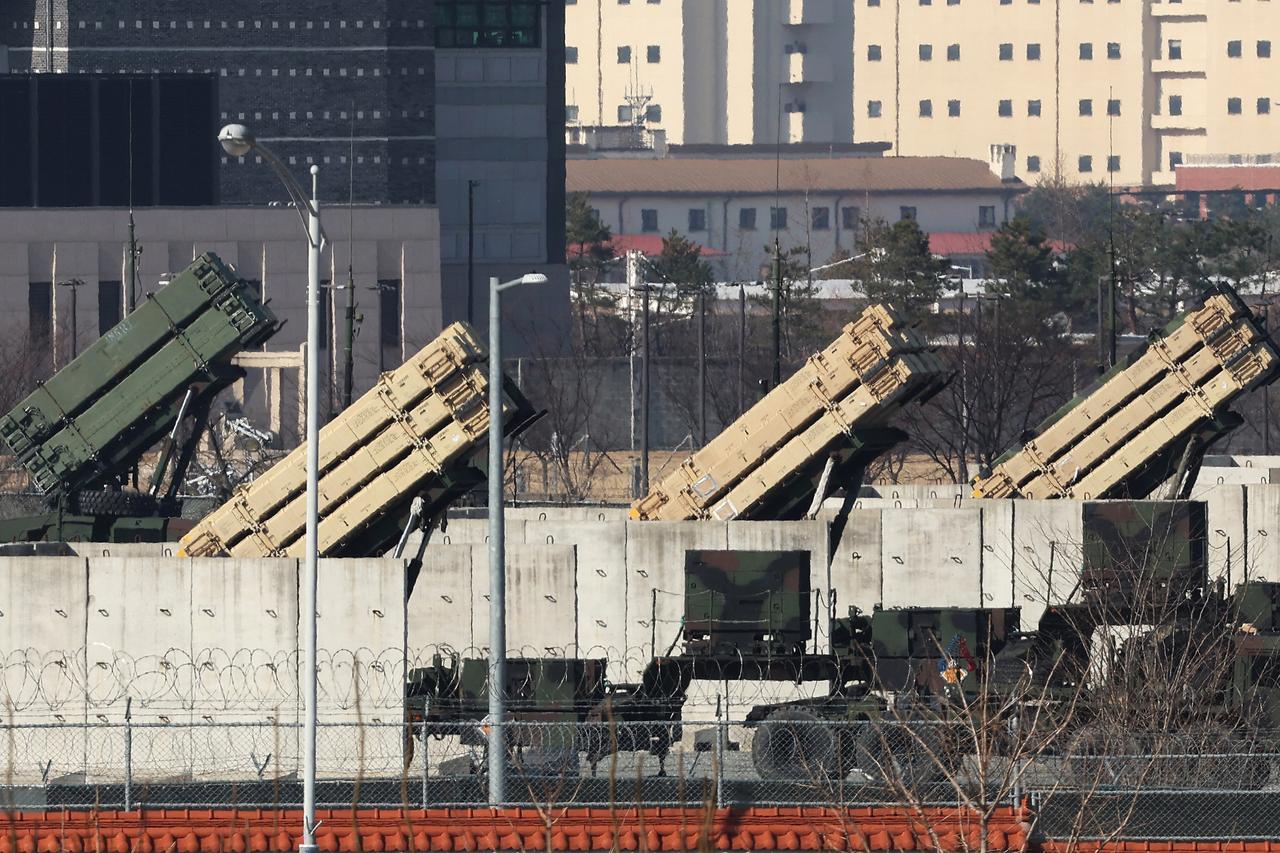
Based on publicly available information, the program appears to have reached a capability level broadly comparable to the Patriot PAC-2/PAC-3 threshold. This signifies the development of a comprehensive ballistic missile shield capable of neutralizing incoming threats through high-agility maneuvering, active radar homing, and kinetic hit-to-kill precision.
Detailed commentary on SIPER's current configuration, precise timelines, or exact capability blocks carries inherent limitations, as much of the operational detail remains appropriately classified or subject to ongoing development.
What is publicly known, however, is that the roadmap has always included ballistic missile interception as a stated objective.
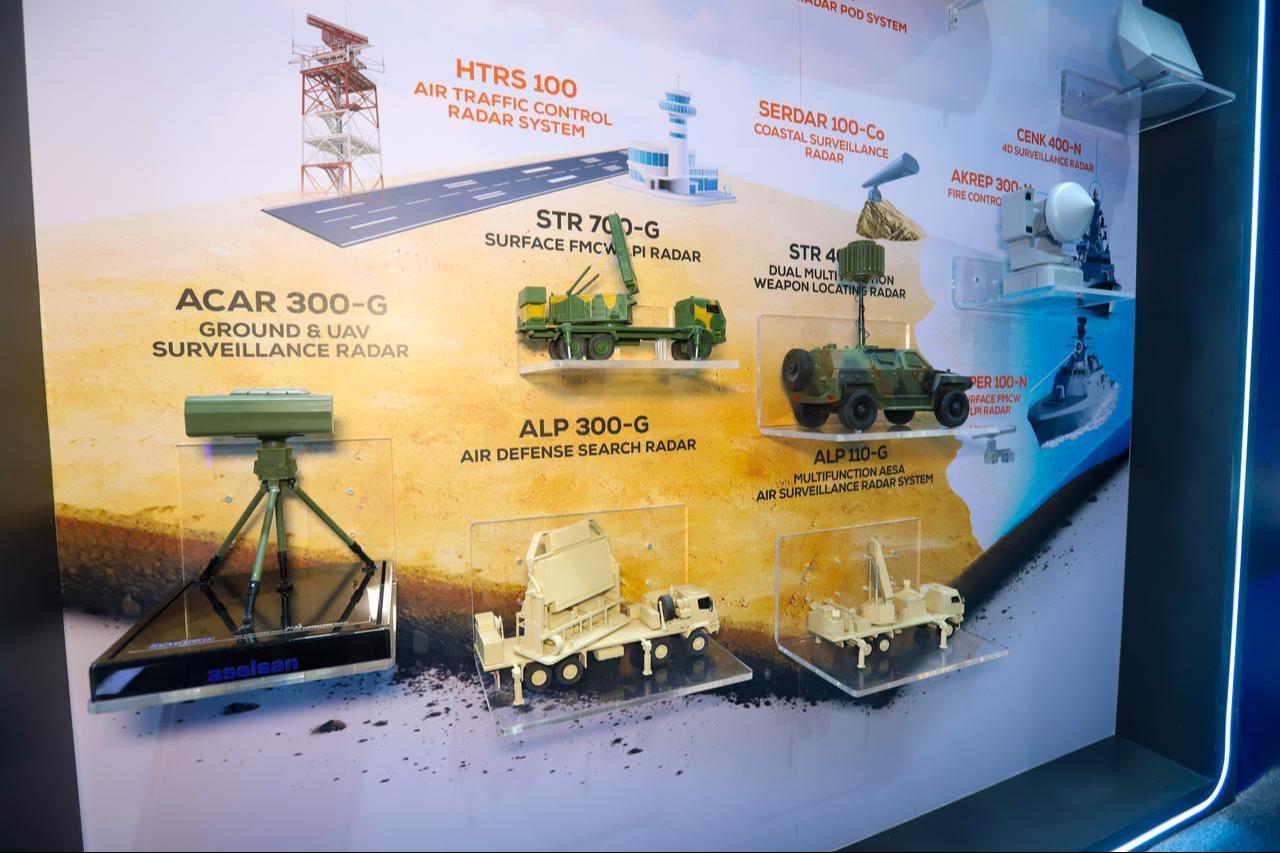
Work on expanding SIPER's ballistic defense capability is understood to be ongoing. The ALP 300-G early warning radar system, along with plans for more advanced, fixed, large-scale ground-based early warning radar installations, has been referenced in Türkiye's publicly disclosed development roadmap.
These are the foundational components that any credible national ballistic missile shield would require.
The geographic reality of ballistic missile defense creates a structural incentive toward international cooperation.
Sensors capable of detecting ballistic threats early enough to enable interception need to be spread across wide areas, and in many cases, that means stationing detection equipment on foreign soil.
The United States, for example, has deployed Aegis Ashore systems in Romania and Poland as part of NATO's ballistic missile defense architecture.
Positioning sensors or interceptors in another country's territory is not a routine military agreement, as it requires deep military, political, and strategic trust between the nations involved.
While the U.S. built its ballistic defense capability largely through its own resources, Israel developed its layered missile defense architecture with substantial American support.
In Europe, France and Italy have collaborated on joint programs, and Germany, at one point, pursued a system with American backing, the product of which was the Medium Extended Air Defense System (MEADS) project.
Türkiye is navigating this same landscape as it defines its own path forward.
 1 min read
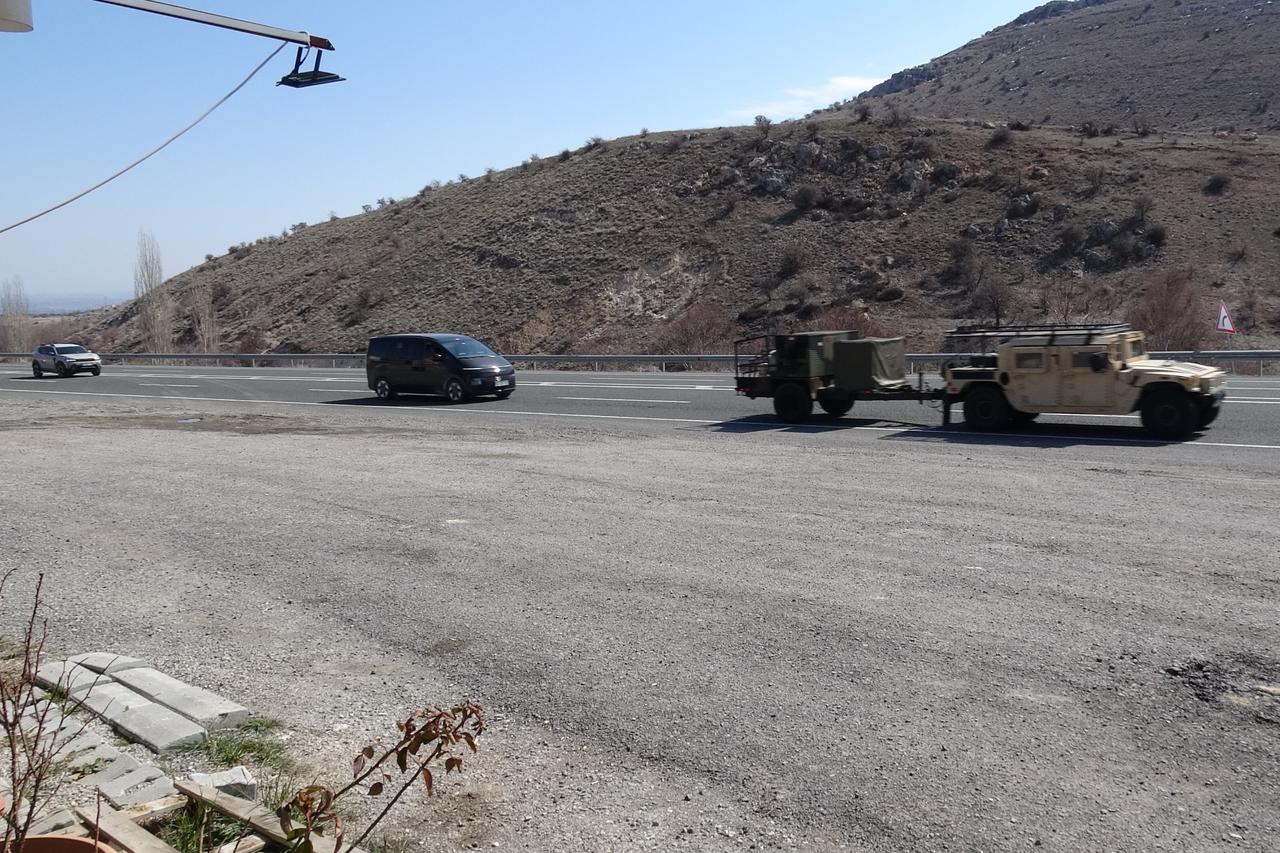
Türkiye's potential involvement in a next-generation version of the Franco-Italian SAMP/T air and missile defense system, a program that has been discussed, paused, revived, and discussed again, represents one of the most persistently unresolved questions in Turkish defense procurement.
The origins of these talks stretch back to the early 2010s, when Türkiye was simultaneously negotiating with China over the HQ-9 system in what became the T-LORAMIDS competition.
During that same period, Ankara was in parallel discussions with the French-Italian consortium about co-developing what was then called SAMP/T Next Generation. Progress was made on workshare distribution, though differences in budgetary expectations, technical requirements, and program timelines had not been fully resolved.
When Türkiye's negotiations with China collapsed in 2015, those parallel talks with France and Italy effectively wound down as well.
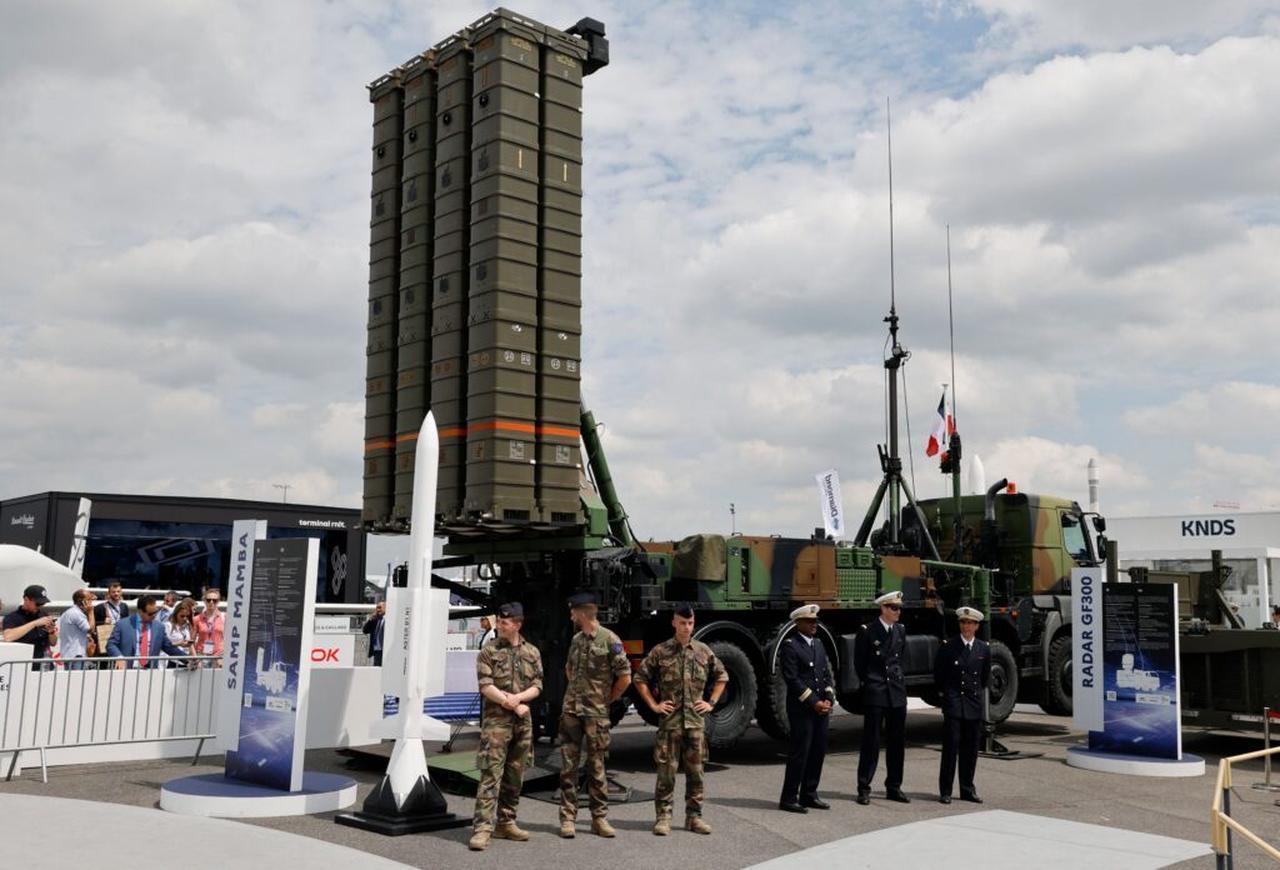
Dialogue between Türkiye, France, and Italy over the SAMP/T Next Generation program was eventually restarted, this time on a different footing.
A Memorandum of Understanding (MoU) was signed in July 2017 by Türkiye's then-Defense Minister Fikri Isik, signaling Ankara's formal interest in joining the program.
By that point, France and Italy had largely settled their own workshare arrangements, having had nearly a decade to work through the technical and industrial details between themselves. Türkiye's prospective integration into the program remained more ambiguous.
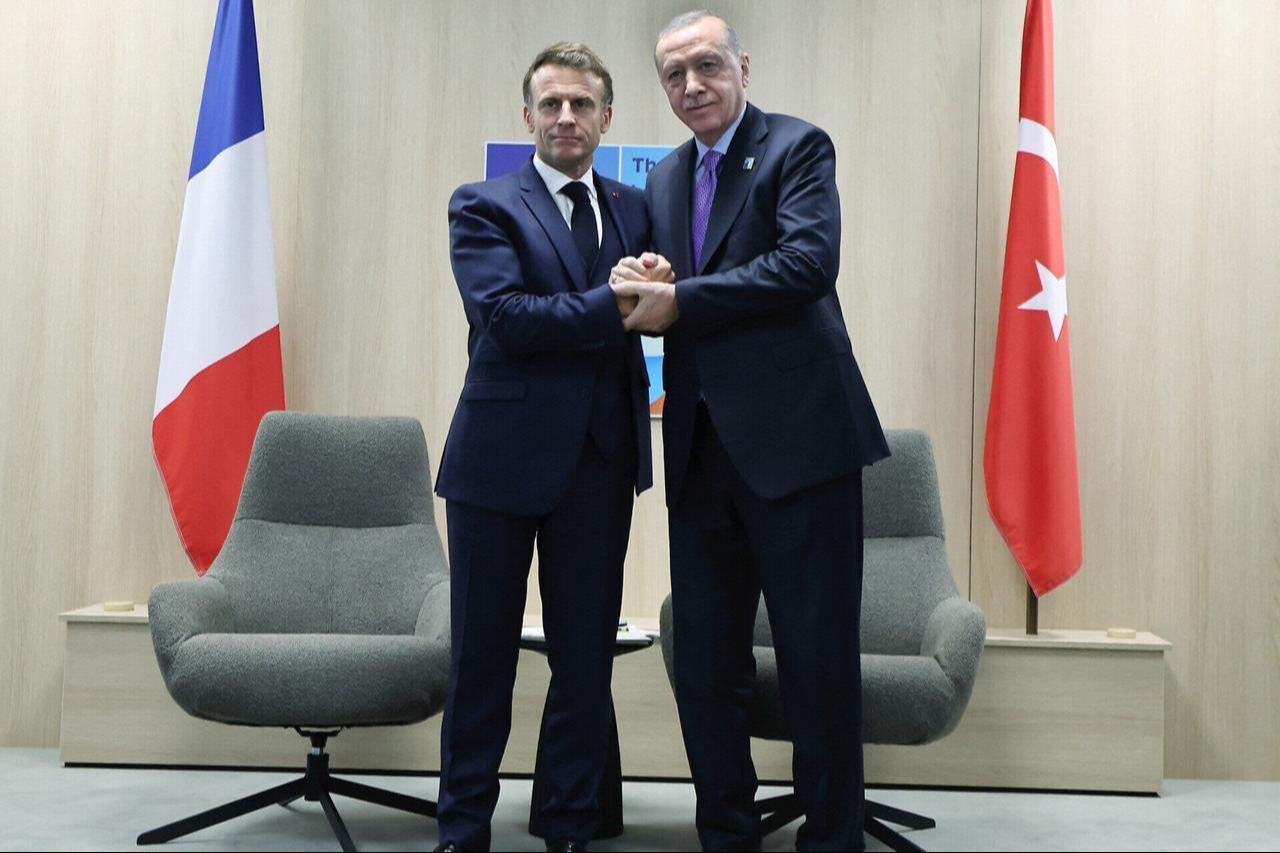
The most recent indication that this track remains active came during a meeting between President Erdogan and French President Macron, following which Turkish officials referenced continuing or accelerating defense industry cooperation in June 2025.
While SIPER anchors the lower and mid tiers, SAMP/T Next Generation would extend that coverage upward, addressing the higher-tier ballistic missile threats that SIPER is not yet configured to intercept. Together, they would give Türkiye a defense architecture with far fewer exploitable gaps than either system could provide alone.
Whatever the diplomatic trajectory of the SAMP/T talks, however, the financial dimension of ballistic missile defense development cannot be avoided.
Systems capable of intercepting ballistic missiles, such as encompassing sensors, command architecture, interceptors, and the extensive testing required to validate them, can comfortably reach double-digit billions of dollars in development costs alone, before production expenditures are added.
This fiscal reality creates a structural argument for Türkiye to pursue a cooperative framework rather than an entirely independent program, regardless of domestic industrial ambitions.
Türkiye's defense industry has matured considerably in recent years, and the technical competence to contribute meaningfully to such a program is no longer in question. The issue is one of cost distribution.
For now, the evolving Türkiye-NATO relationship and Ankara's growing role in European defense discussions all feed into a strategic calculation that Turkish defense planners will need to resolve.
The pieces are largely in place; what remains is the political will and the right negotiating conditions to bring them together.


 Set as preferred source
 Set as preferred source


 1 min read