

 Newsletters


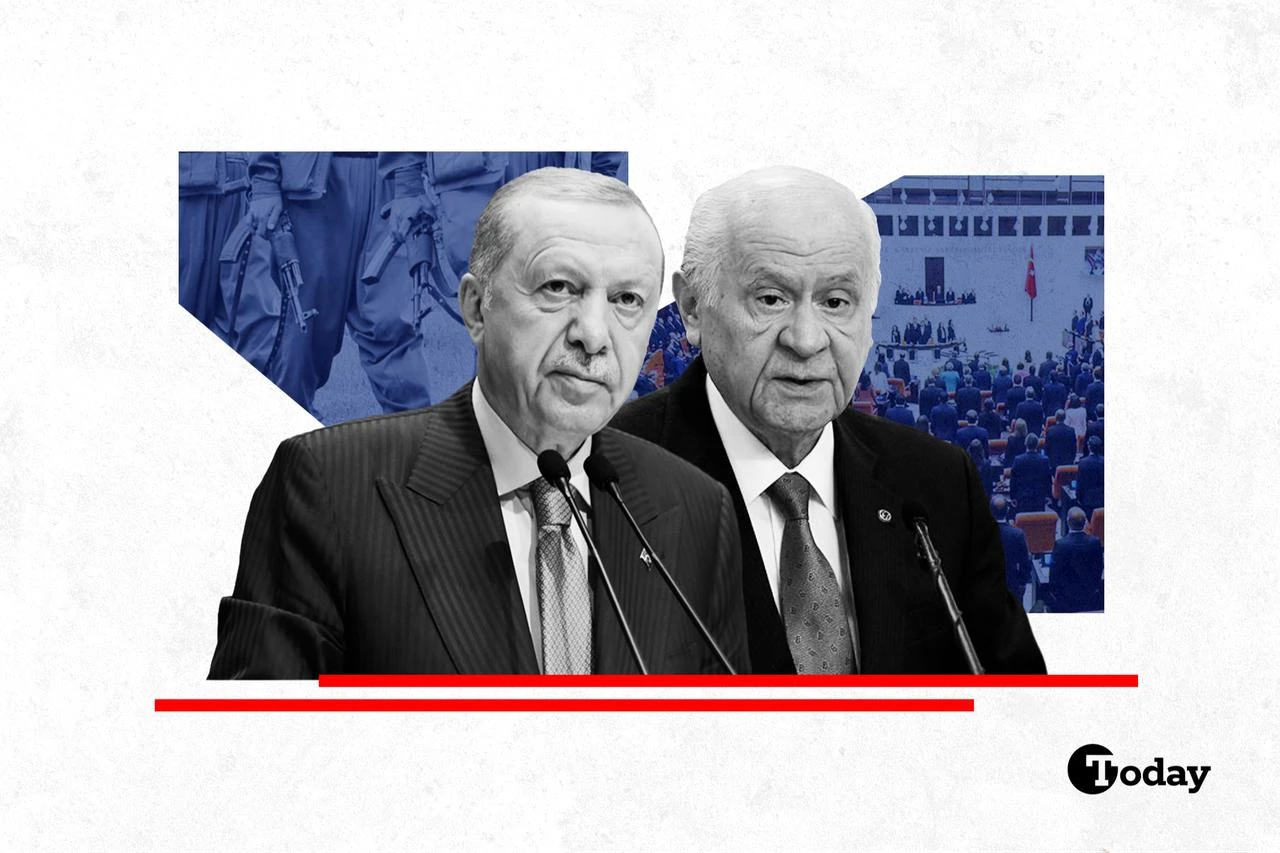


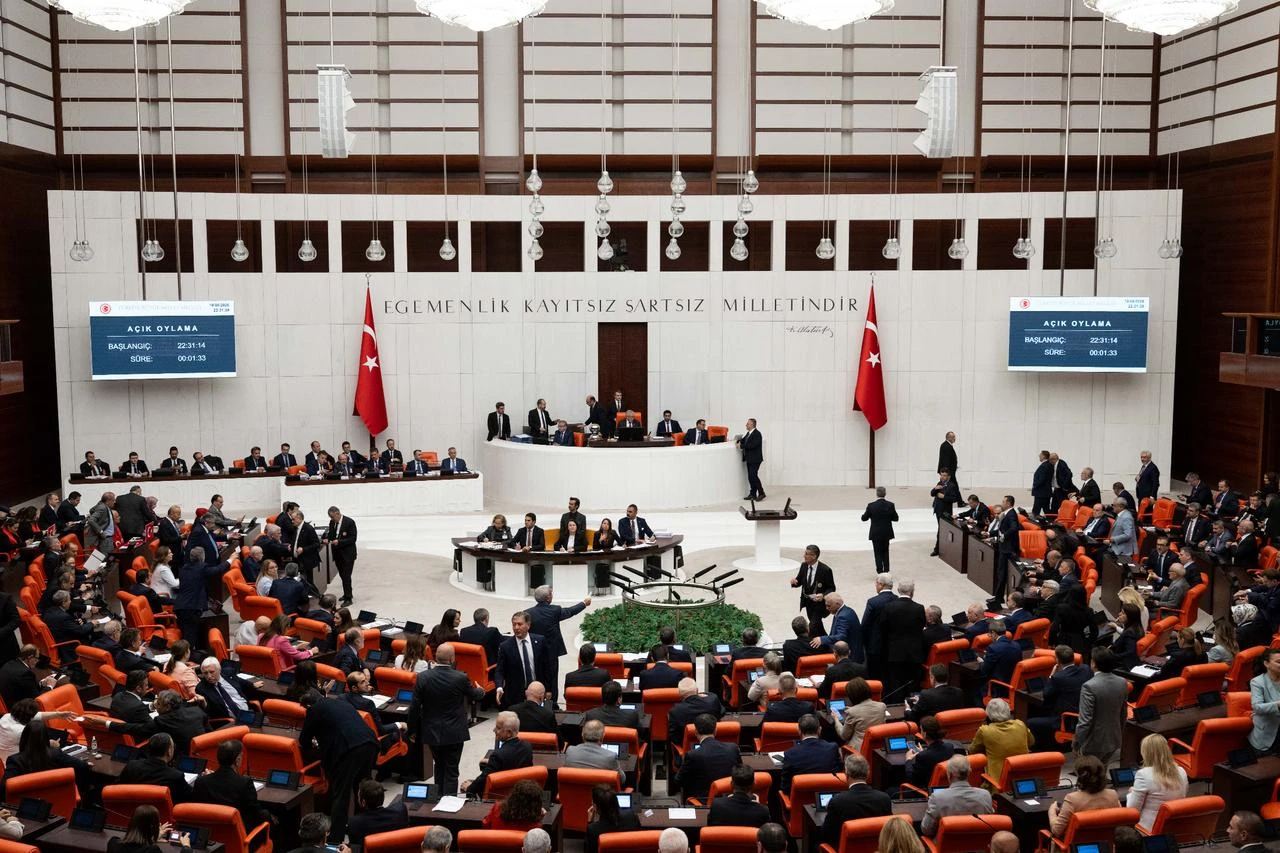
The law recently approved by the Turkish Parliament represents the first tangible step toward addressing the future of terrorist group PKK members, the dissolution of the organization, and their reintegration into civilian life.
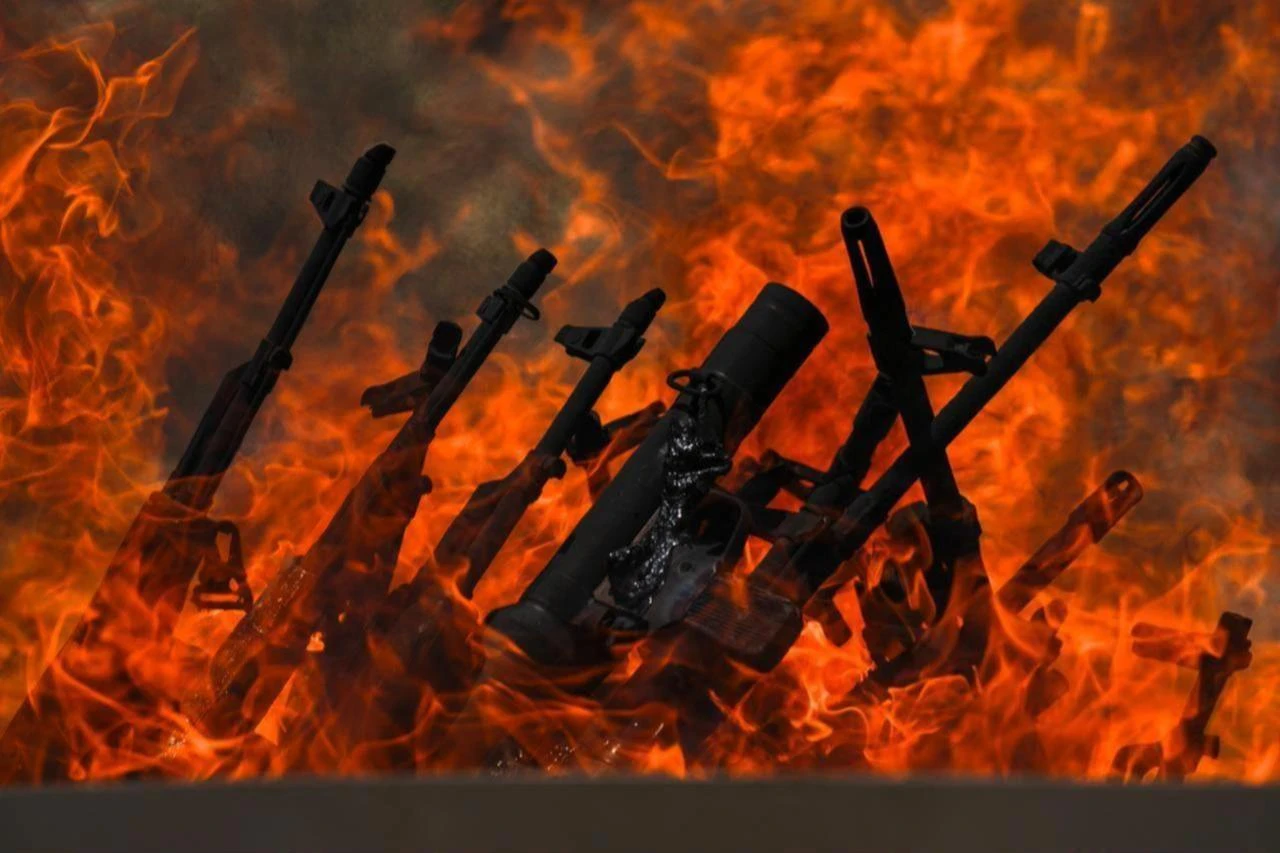
Although the legislation alone does not determine the broader trajectory of the peace process, it provides a legal framework for the PKK’s disarmament and the demobilization of its members, including pathways for reintegration through measures such as deferred sentences.
A closer look at the law itself reveals how technical and conditional the framework actually is. The legislation makes the entire process contingent upon security institutions verifying that the organization has ended its operational existence and handed over its weapons and ammunition. This determination must then be formalized through a National Security Council decision and published in the Official Gazette. Until that threshold is reached, none of the law’s provisions are activated.
The scope of the law includes crimes such as establishing, leading, or joining an organization, knowingly providing assistance, conducting propaganda, and other offenses committed within the framework of organizational activities, including terrorist financing.
However, it explicitly excludes intentional homicide and crimes committed before 2005 that carry life imprisonment or aggravated life imprisonment penalties. Therefore, the framework should not be interpreted as a blanket amnesty; rather, it establishes a limited and conditional legal mechanism.
The provisions on the suspension of investigations and prosecutions also introduce a tiered system. For offenses carrying a maximum sentence of 15 years or less, the suspension period is set at five years, while more serious offenses are subject to a 10-year suspension period.
If a new terrorism-related offense is committed during the suspension period, the suspension is automatically revoked, and the case resumes from where it was left.
The postponement of the enforcement of convictions follows a similar logic. Oversight of the process will be carried out by a committee chaired by the vice president and composed of the ministers of justice, foreign affairs, interior, and national defense, along with the National Intelligence Organization (MIT) and the Secretariat General of the National Security Council (MGK).
The committee will provide regular updates to the Turkish Parliament, while a separate Monitoring Commission will also be established. Applications under the framework will be subject to a six-month deadline.
In short, what we are looking at is a criminal and sentencing law framework that sets out, line by line, who can benefit from which provisions and under what conditions.
Critics of the law and the broader process argue that it should be subjected to a referendum. However, in Türkiye, referendums are primarily reserved for constitutional amendments.
More importantly, conflict resolution processes are not designed as popular votes; they are complex, phased processes that begin with intelligence, military, and security measures, progress through legal and political arrangements, and eventually aim at reintegration.
The critical decisions taken before and during disarmament and demobilization involve sensitive security assessments, verification procedures, and operational details that cannot realistically be reduced to a simple yes-or-no question on a referendum ballot.
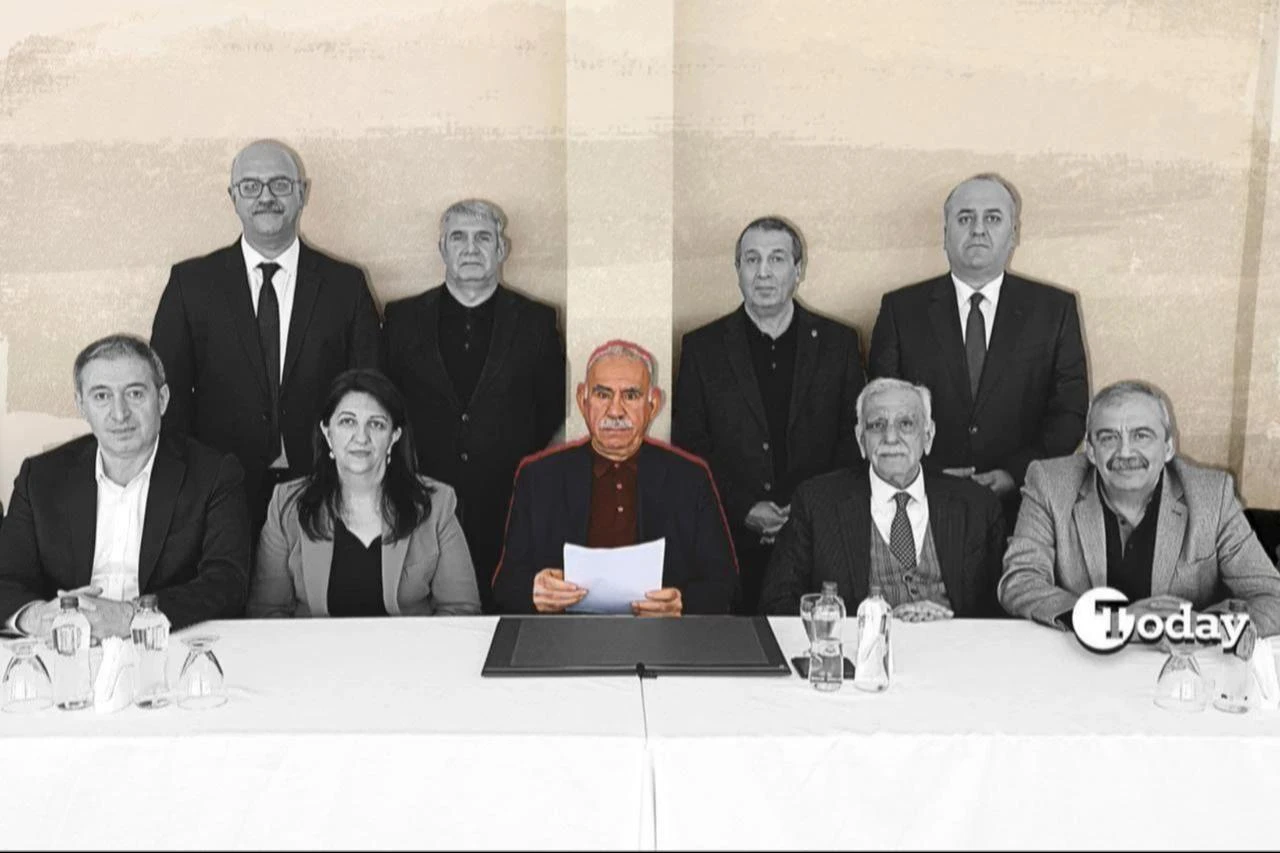

The Colombian case illustrates precisely why putting such processes to a referendum can carry significant risks. In 2016, after four years of negotiations between the Colombian government and the FARC, the comprehensive peace agreement was submitted to a popular vote and narrowly rejected, with 50.2% of voters casting a “No” vote.
However, the process did not collapse. The agreement was revised in response to public concerns and was subsequently approved directly by Congress and brought into force.
In other words, even Colombia’s own experience demonstrated that, after the initial attempt failed, highly technical elements of the peace process were ultimately handled through parliamentary approval rather than a referendum.
The aftermath of the process also provides a lesson that goes beyond the referendum debate. Some former FARC commanders who opposed the agreement or later broke away from the process reorganized as “FARC dissidents” and became involved in Colombia’s drug economy.
In certain areas, these groups evolved into local partners—and even franchise-like affiliates—of Mexican criminal organizations such as the Sinaloa and Jalisco New Generation cartels.
Yet the overall picture is more complex. The majority of the approximately 13,000 FARC members who surrendered their weapons successfully transitioned into civilian life, with many entering politics through the Comunes party. Academic research places the rate of former combatants returning to criminal activity at roughly 20%–24%, indicating that more than three-quarters of former members remained outside armed or criminal networks.
The rate is even lower among former combatants with higher levels of education and those who have established families. But there is another side of the story as well: some former FARC members became victims rather than perpetrators of crime. Hundreds of former fighters who laid down their arms were later killed by other armed groups.
The fragility of reintegration is therefore not determined by a single law or legal framework alone. It is shaped by broader factors, including security gaps, economic incentives offered by illicit networks, and the state’s ability to maintain a sustained presence on the ground.
 1 min read
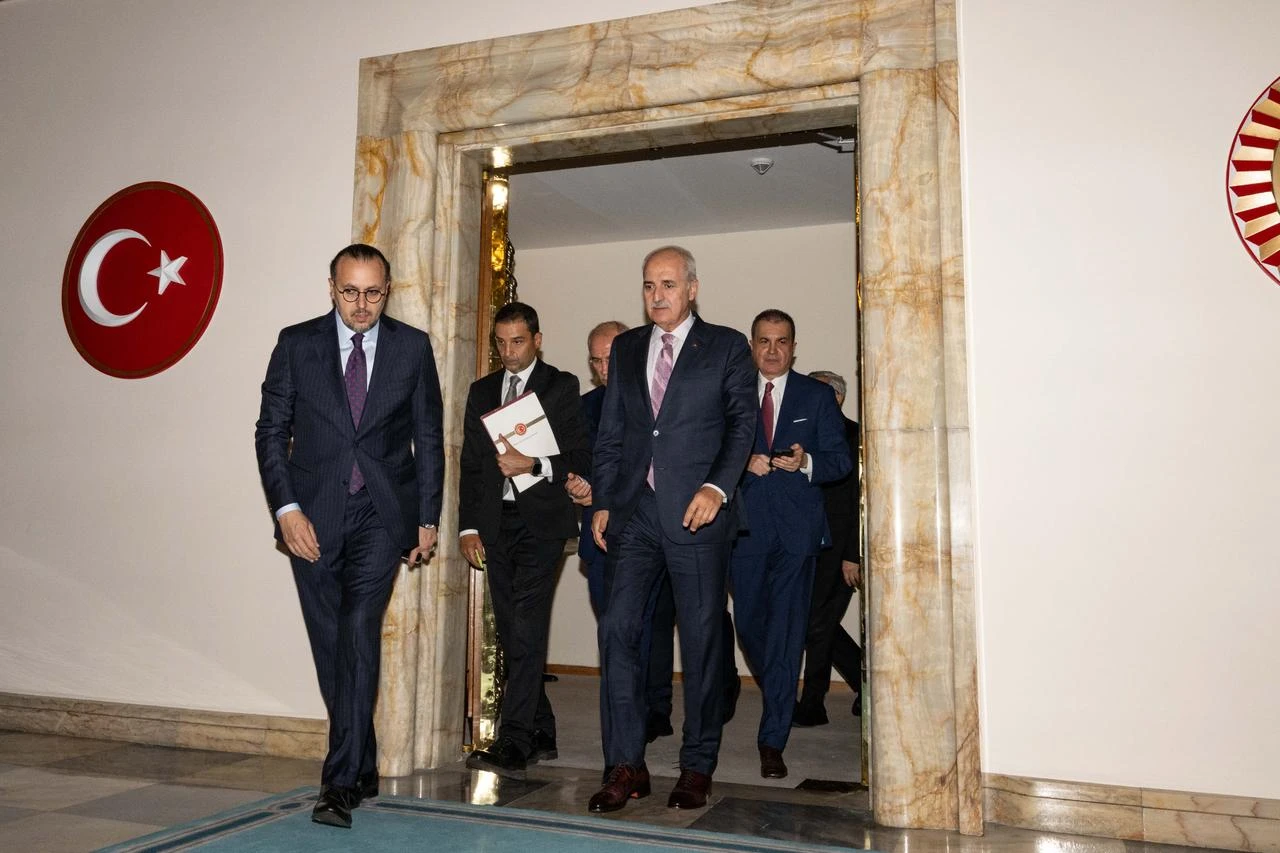
Türkiye’s decision to approach the process with these lessons in mind is precisely why the law establishes such a detailed framework for implementation, monitoring, and oversight. The extensive legal and institutional mechanisms reflect an effort to incorporate the lessons learned from previous international experiences.
Some point to the Irish example in response, but the nature of that referendum was fundamentally different. In 1998, simultaneous referendums were held in both Northern Ireland and the Republic of Ireland, and the agreement was approved by overwhelming majorities—71% in Northern Ireland and 94% in the Republic of Ireland.
However, the question put to voters in Northern Ireland was whether they supported a 65-page political settlement as a whole, including the creation of a new devolved parliament, the disarmament of paramilitary groups, and police reform. In the Republic of Ireland, voters were asked to approve a constitutional amendment that removed the country’s territorial claim over Northern Ireland.
Only after the public endorsed these principles were they translated into a detailed legal framework. The technical legislation implementing the agreement, the Northern Ireland Act 1998, was subsequently passed by the British Parliament.
In other words, the legal framework that enabled the process—one to be carried out through intelligence, military, and security mechanisms—was not put to a public vote. What voters were asked to approve was the broader vision and political framework.
Laws are technical instruments, and reducing that technical process to a simple ballot question would risk repeating the very mistake Colombia made in its first attempt.
The law adopted by Türkiye is a step in this process. It envisions that, if the PKK meets certain conditions, its members can move through the stages of disarmament, demobilization, and reintegration.
While the most visible and emotionally charged phase appears to be the laying down and surrendering of weapons, the real challenge, and arguably the most important stage, will be the integration phase.
Until then, it is fair to say that the structure of the process, at least at this stage, appears to be designed in an appropriate manner. The law and the broader initiative have faced criticism from those who argue that “terrorists are being pardoned” or that “a group that was already being defeated is now being negotiated with.”
However, these objections often appear to overlook the wider regional context, and it is also clear that many critics have not examined the text of the law itself or how the mechanism is designed to operate.
Ultimately, peace is a consequence of wars, and peace agreements rarely satisfy all sides completely. They are usually the product of difficult calculations, imperfect compromises, and the recognition that long-term stability often requires choices that may not fully satisfy any single constituency.


 Set as preferred source
 Set as preferred source


 1 min read


