Newsletters


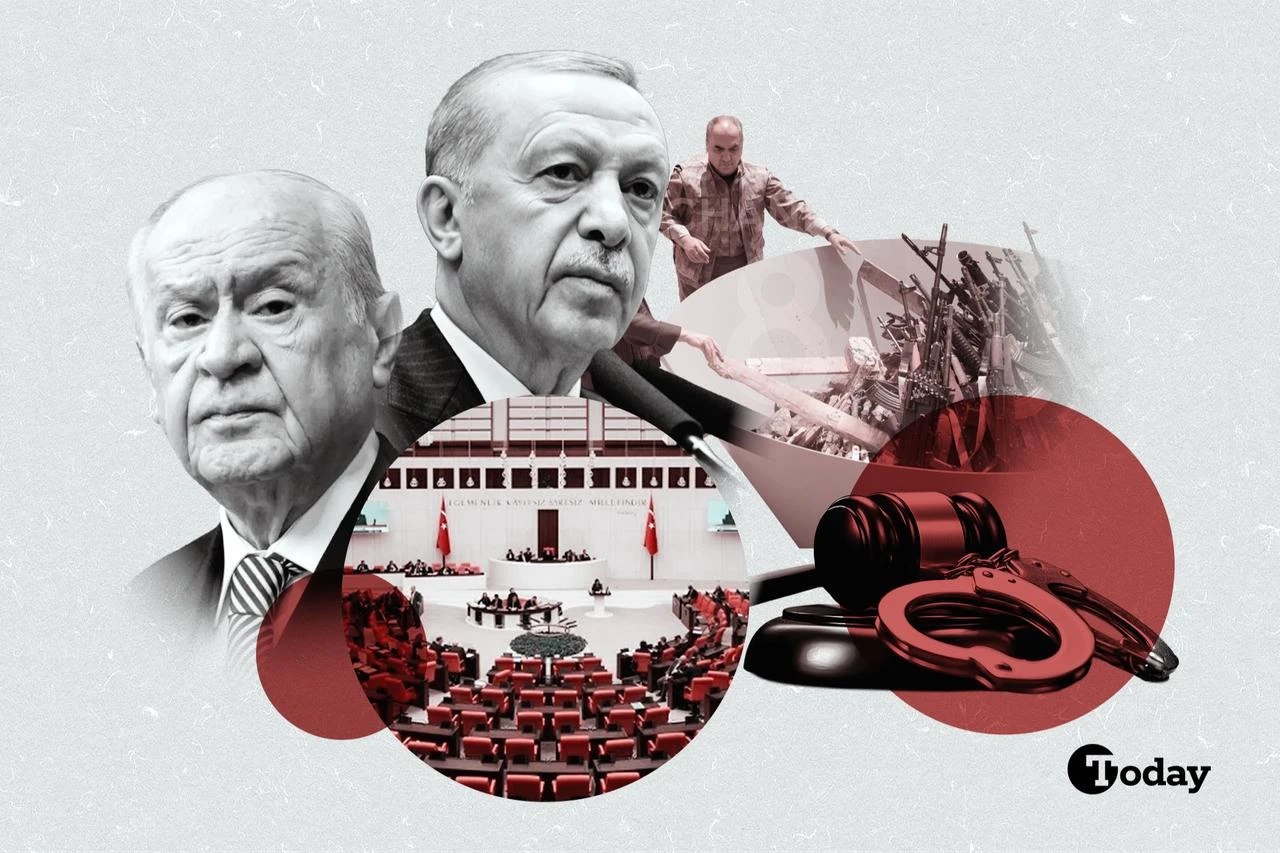


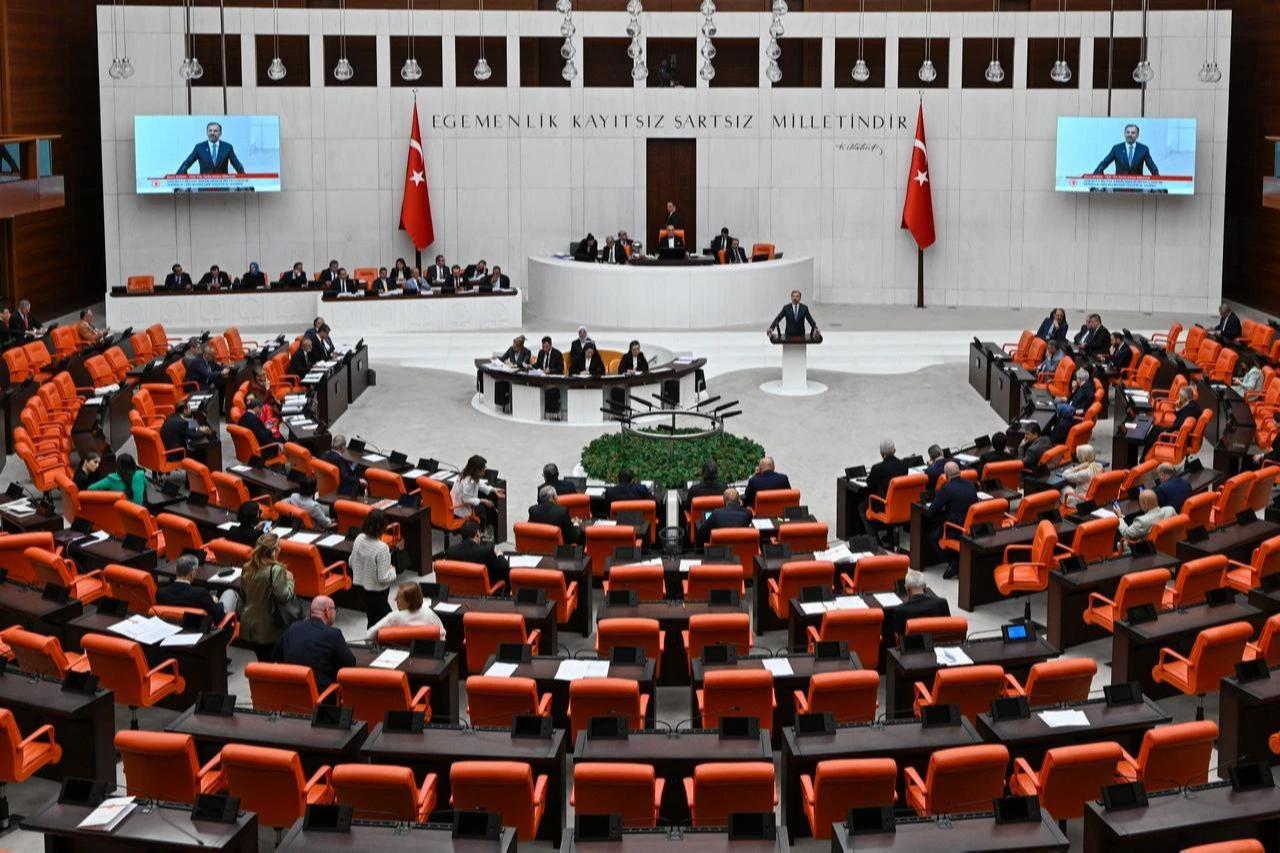
Türkiye’s Parliament approved the Law on Strengthening National Solidarity and Social Integration, establishing a new legal framework for handling investigations, prosecutions and prison sentencesrelated to the terrorist group PKK/KCK as part of the country’s “Terror-Free Türkiye” process.
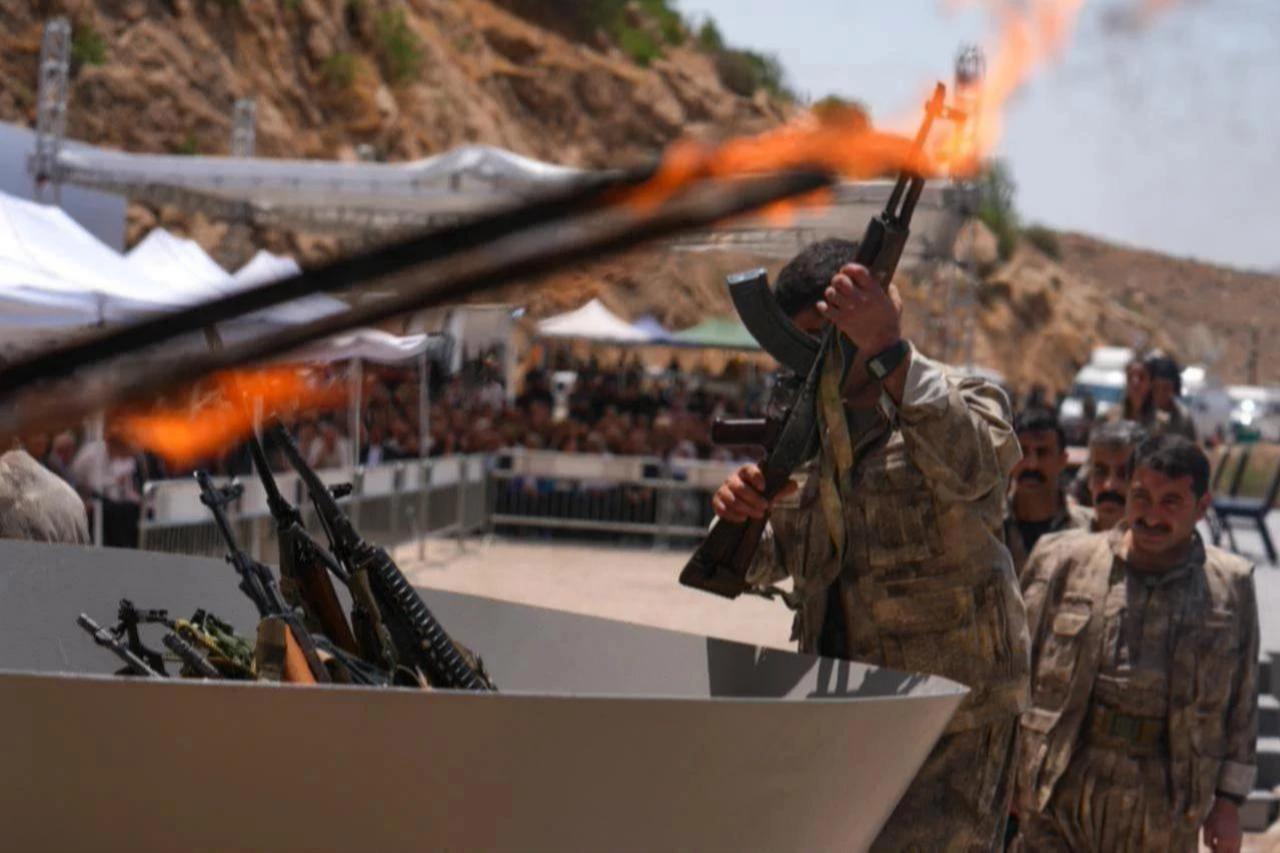
The law sets out what happens after Turkish security institutions determine that the PKK/KCK and its linked formations have ended their actual existence and surrendered all weapons and ammunition under their control.
That determination alone, however, is not enough to activate the law’s main legal mechanisms. It must also be confirmed by a National Security Council (MGK) decision published in the Official Gazette.
Here is what the law does, in 10 questions.
The law establishes procedures for postponing investigations, prosecutions and the enforcement of prison sentences after the PKK/KCK dissolution and disarmament have been formally verified.
It covers offenses involving establishing or leading the PKK/KCK, membership in the organization, knowingly and willingly aiding it and making propaganda for it.
It also applies to crimes committed as part of the organization’s activities and offenses committed in its favor under Türkiye’s Law on the Prevention of the Financing of Terrorism.
The mechanism becomes applicable only after security institutions determine that the PKK/KCK and the formations linked to it have ended their actual existence and surrendered all weapons and ammunition under their control, and after an MGK decision confirming that determination is published in the Official Gazette.
The legislation does not formally define the mechanism as an amnesty.
It does not immediately erase convictions, terminate criminal responsibility or automatically close pending criminal cases.
Instead, it establishes a conditional system under which investigations, prosecutions and the enforcement of existing prison sentences can be postponed for five or 10 years.
The ultimate legal outcome depends on what happens during that period.
If a person whose investigation or prosecution has been postponed does not commit another terrorism offense during the specified period, the investigation will end with a decision not to prosecute, or an ongoing criminal case will be dismissed.
For those already convicted, the sentence will be considered served if the postponement period is completed without another terrorism offense.

The law contains specific exceptions.
Investigations and prosecutions over intentional homicide committed as part of the organization’s activities are excluded from the postponement mechanism.
Also excluded are offenses committed before June 1, 2005, that carry life imprisonment or aggravated life imprisonment.
The same exclusions apply to people already convicted and seeking postponement of the enforcement of their sentences.
For covered offenses carrying a maximum sentence of 15 years or less, investigations and prosecutions will be postponed for five years.
For offenses carrying more than 15 years in prison, life imprisonment or aggravated life imprisonment, the postponement period will be 10 years.
The statute of limitations will not run during the postponement period.
Postponement decisions will be entered into a dedicated system. Those records can be used only for specified purposes when requested by a prosecutor, judge or court in connection with an investigation or prosecution.
If a terrorism offense is committed during the postponement period, the decision will be lifted and the investigation or prosecution will resume.
For people convicted of crimes covered by the law, the calculation is based on the total prison sentence imposed.
The enforcement of sentences totaling 15 years or less will be postponed for five years.
For sentences totaling more than 15 years, as well as life imprisonment or aggravated life imprisonment, enforcement will be postponed for 10 years.
The decision will be made by a sentence-enforcement judge.
The postponement will not prevent confiscation orders from being carried out, and the statute of limitations on the sentence will not run during the postponement period.
If the person completes the entire five- or 10-year period without committing another terrorism offense, the sentence will be considered served.
Chief public prosecutors’ offices will track the postponement decisions.
Eligibility is conditional on not committing another terrorism offense during the postponement period.
If a terrorism offense is committed after an investigation or prosecution has been postponed, the postponement will be lifted and criminal proceedings will continue.
For a person whose prison sentence has been postponed, the sentence enforcement judge will lift the postponement and order the sentence to continue being enforced.
The mechanism therefore does not provide an unconditional termination of criminal proceedings or sentences.
The law provides a mechanism through which certain restrictions on rights resulting from convictions can potentially be removed, but this will not happen automatically.
For five-year postponement decisions, at least two years must pass from the date of the decision before such a request can be made.
For 10-year postponements, at least three years must pass.
The relevant judicial authority will ultimately decide whether the restrictions are removed.
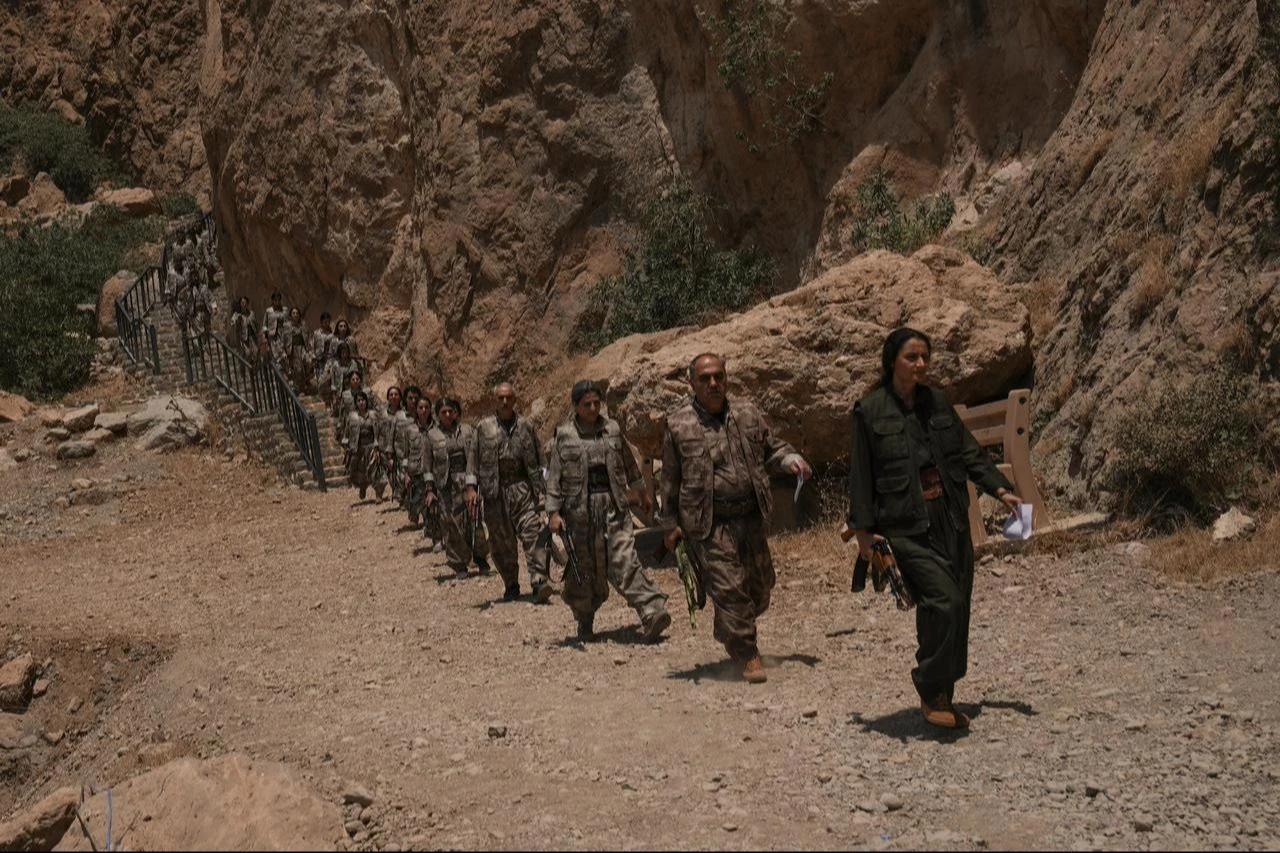
Implementation will be monitored and evaluated by a high-level board chaired by the vice president.
The board will include the ministers of justice, foreign affairs, interior and national defense; the secretary-general of the Presidency; the head of the National Intelligence Organization (MIT); and the secretary-general of the National Security Council.
The board can establish subcommissions and invite representatives of ministries, institutions and other individuals deemed necessary to its meetings.
It can also assign officials through subcommissions to follow progress involving the organization.
Parliament will have a separate monitoring role.
The board will regularly brief Parliament on its work, while the Office of the Speaker will establish a monitoring commission to follow activities carried out under the law and make recommendations.
The Presidency’s General Secretariat will provide secretariat services for the board.
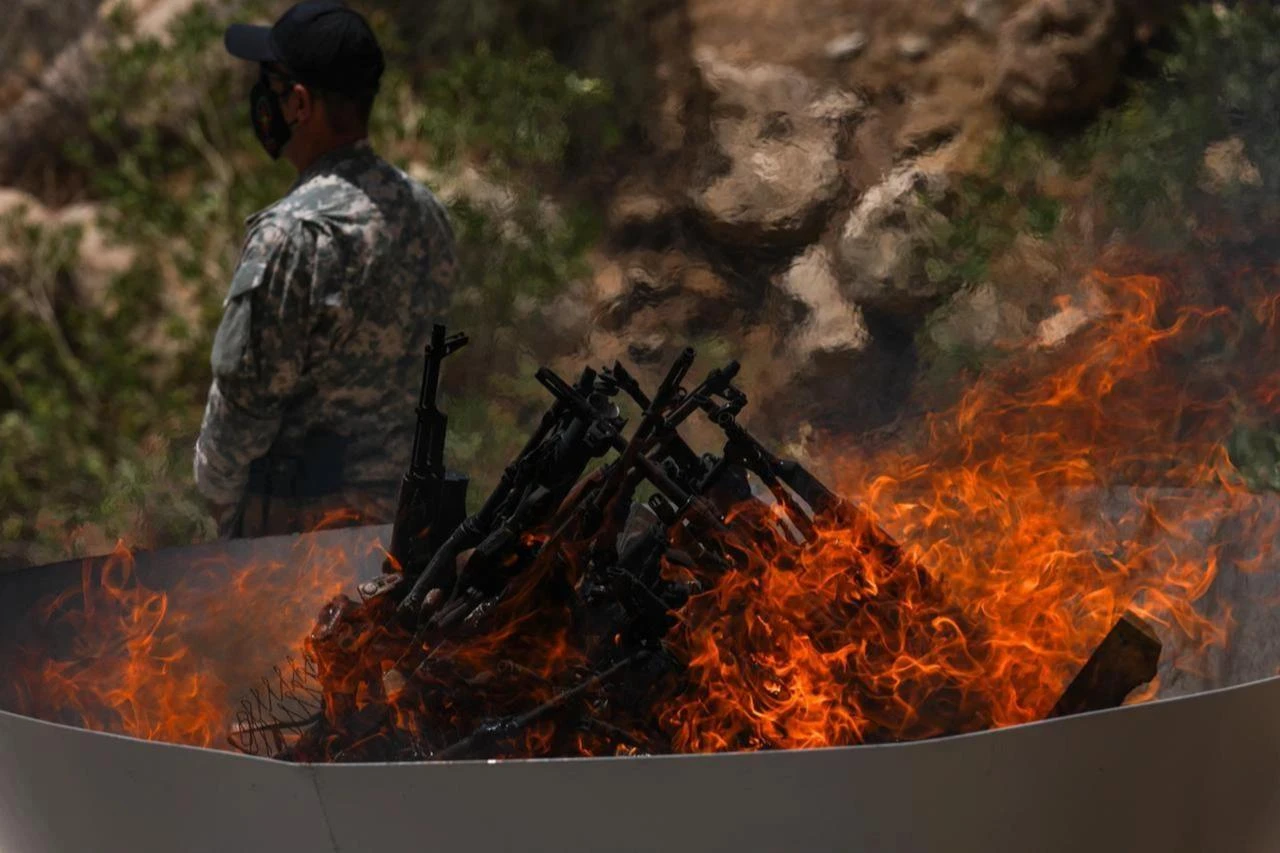
Weapons, ammunition, vehicles, equipment, explosives and other materials brought in or declared by organization members covered by the law will be officially recorded.
The Interior Ministry and the National Defense Ministry will determine the procedures and principles governing the process after receiving the views of security institutions.
The provision forms part of the broader mechanism for documenting the organization’s disarmament.
 2 min read
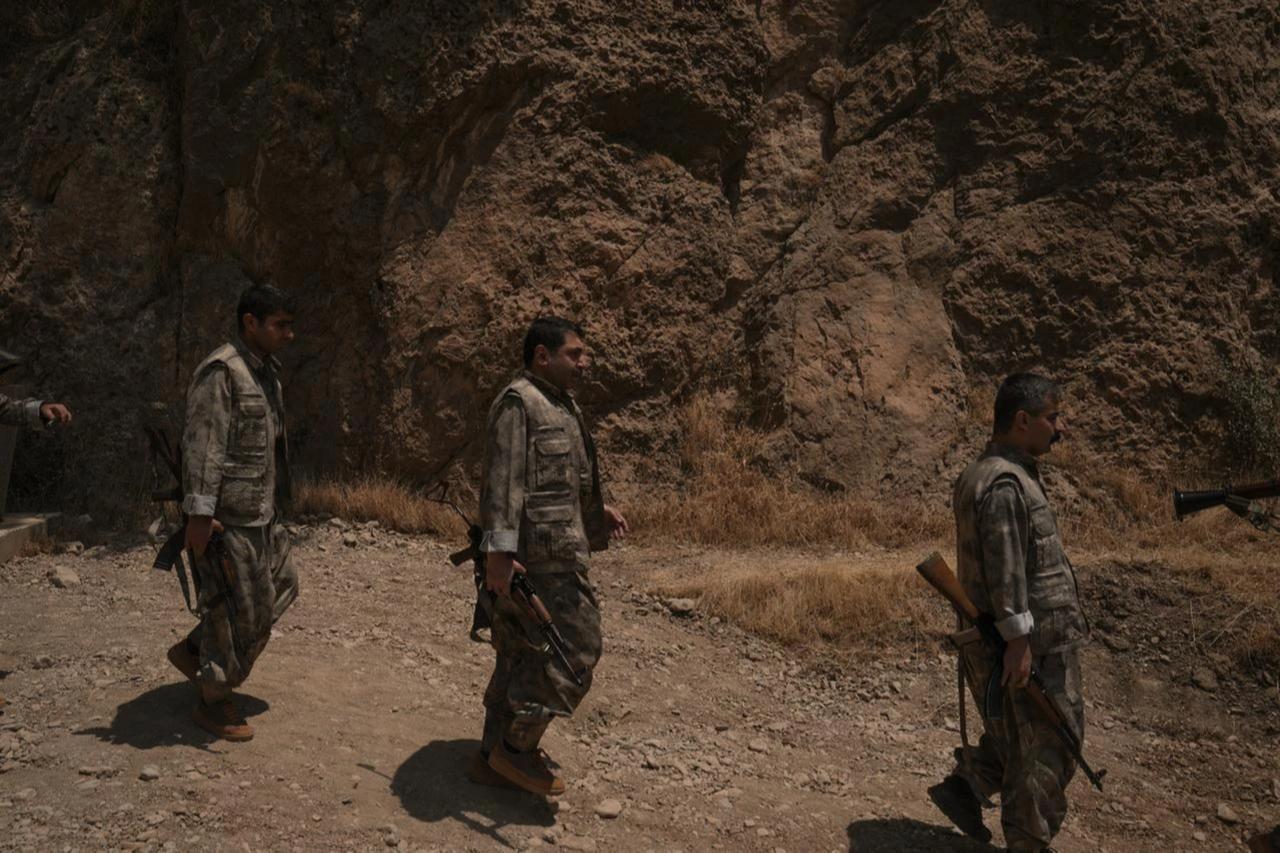
The law will apply after security institutions determine that the PKK/KCK and formations linked to it have ended their actual existence and surrendered all weapons and ammunition under their control, and after an MGK decision confirming that determination is published in the Official Gazette.
From the publication of the MGK decision, people seeking to benefit from the law will have six months to submit a written application.
Applications can be made to the chief public prosecutor’s office in the applicant’s location or to institutions designated by the implementation board.
The law therefore creates the legal framework for the process, but its core criminal justice provisions remain dependent on the formal verification of the PKK/KCK’s dissolution and disarmament.


 Set as preferred source
 Set as preferred source


 1 min read