Newsletters


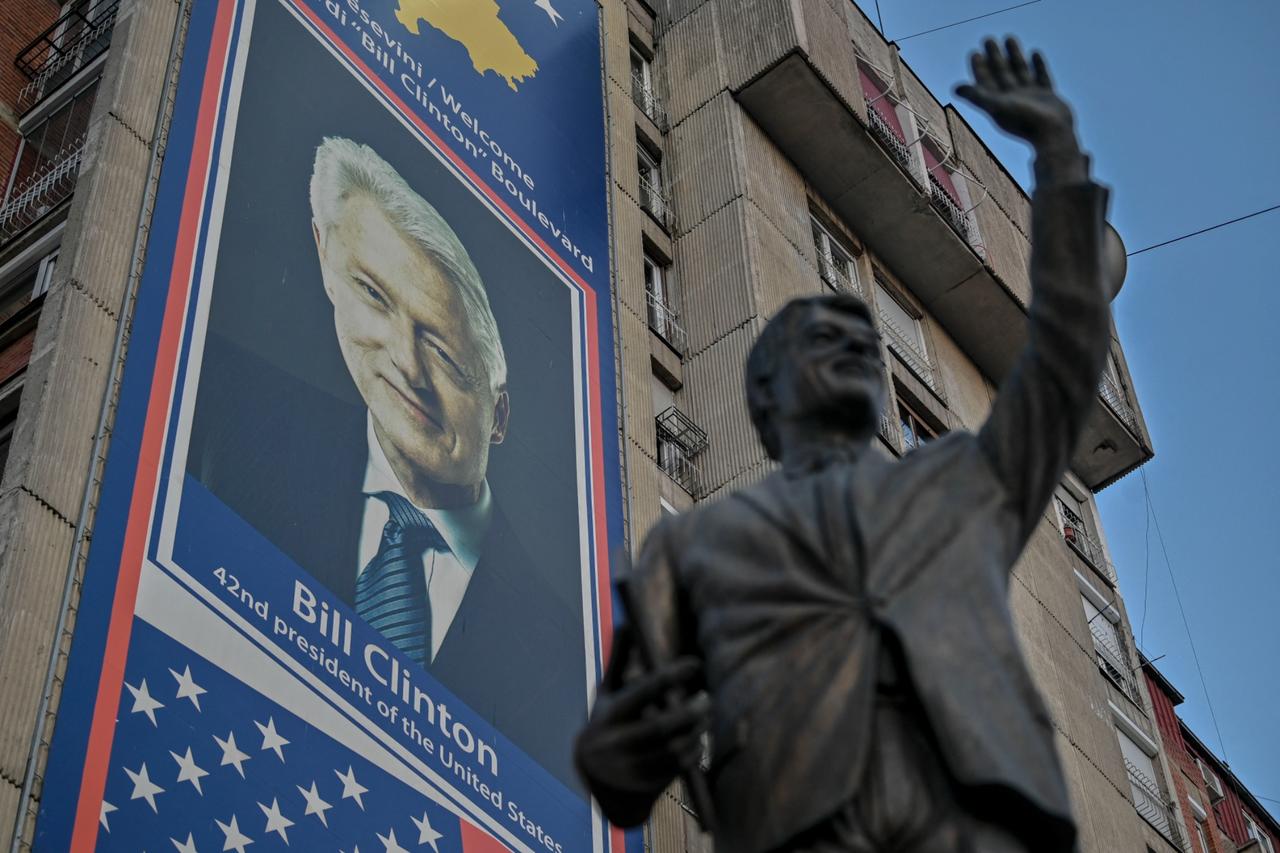


Washington rarely raises its voice with Kosovo. It does not need to. When the U.S. Embassy says the strategic dialogue remains suspended pending “concrete steps to reduce tensions,” the message is not rhetorical—it is procedural, deliberate, and pointed. Behind the careful phrasing lies a clear signal: patience has narrowed, expectations have hardened, and responsibility for the next move has been placed squarely in Pristina’s hands.
“As we have made clear to the caretaker government, the door remains open to improving relations and resuming cooperation. However, this requires concrete steps by caretaker Prime Minister (Albin) Kurti to reduce tensions and advance our shared goal of strengthening peace and stability as the foundation for mutual economic prosperity.”

At first glance, the statement appears balanced, even reassuring. The door is “open.” Cooperation is “possible.” Shared goals are reaffirmed. But diplomacy is not read by tone alone—it is read by structure, sequencing, and emphasis. And when read carefully, this statement is less an invitation than a conditional notice.
The sentence pivots sharply on a single word: however. Everything before it is procedural politeness. Everything after it is the substance.
Washington is not announcing a timeline, nor a pathway, nor even a roadmap. It is announcing a precondition and placing responsibility squarely on one actor: the caretaker prime minister of Kosovo.
The phrase “concrete steps” is intentionally undefined. This is not accidental; it is leverage. By avoiding a checklist, the United States preserves flexibility while signaling dissatisfaction with the status quo. What matters here is not what is listed, but what is implied: words are no longer sufficient.
In American diplomatic usage, “concrete” means visible, verifiable, and politically costly. It excludes statements, explanations, and moral positioning. It demands action that can be pointed to and evaluated.
Just as important is what the statement does not say. It does not reference Serbian actions. It does not acknowledge provocations, sabotage, or hybrid aggression. It does not balance responsibility. The focus is unilateral—not because Washington is blind to Serbia’s behavior, but because this message is addressed to a partner, not an adversary.
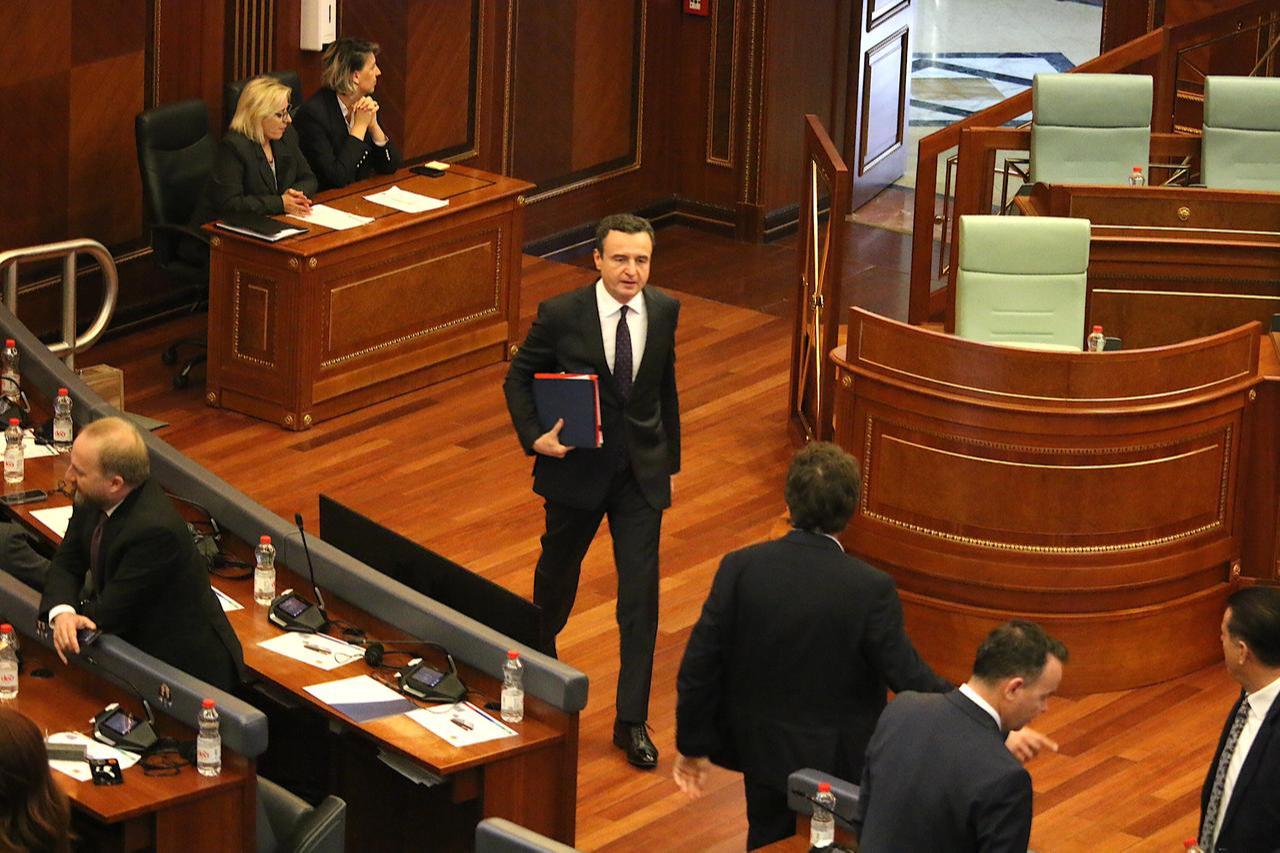
The second key phrase—“to reduce tensions”—is not a judgment on sovereignty or legality. It is a judgment on process.
Washington is signaling that recent actions by Pristina, regardless of their legal grounding, are viewed as escalatory in effect and insufficiently coordinated in method. This is a procedural critique, not a philosophical one—but in diplomacy, procedural failures carry strategic consequences.
To the United States, the core issue is not what Kosovo wants in the north, but how those objectives are pursued, with whom they are coordinated, and whether allies are surprised by their execution.
Surprise, in alliance management, is treated as erosion of trust.
This statement cannot be separated from the September decision to suspend the strategic dialogue. That suspension was not symbolic; it was corrective. It reflected Washington’s assessment that the relationship had drifted from coordination into friction.
The continued suspension now serves as pressure—not punishment. The Embassy’s final line underscores this posture:
“We will continue to assess the actions of the caretaker government. We have nothing further to announce at this time.”
This is diplomatic stillness by design. No escalation, no concession, no movement. The message is simple: action precedes engagement.
Here lies the political and moral tension at the heart of the issue. Kosovo is facing consequences while Serbia—despite a record of destabilization, non-accountability, and hybrid pressure—continues to maneuver with relative latitude.
This asymmetry feels unjust, and in many respects it is. But it also reveals how Washington categorizes actors. Serbia is treated as a problem to be managed. Kosovo is treated as a partner expected to self-correct.
Higher expectations are not a sign of abandonment; they are a sign of responsibility being imposed.
Stripped of diplomatic cushioning, the statement delivers three core messages:
1. The United States is not disengaging, but it is no longer accommodating.
2. Trust must be rebuilt through behavior, not argument.
3. Kosovo’s strategic value is assumed—but its strategic discipline is being tested.
The door remains open. But doors, in diplomacy, do not swing inward on goodwill alone. They open when the balance between principle and predictability is restored.
For Kosovo, the challenge ahead is not to prove that it is right, but to prove that it is reliable.
And in Washington’s eyes, reliability now comes before rhetoric.
This article was first published on the Kosovo Dispatch website.
DISCLAIMER: The views and opinions expressed in this article are those of the author and may not necessarily reflect the editorial policy of Türkiye Today.


 Set as preferred source
 Set as preferred source


 1 min read
 1 min read