Newsletters





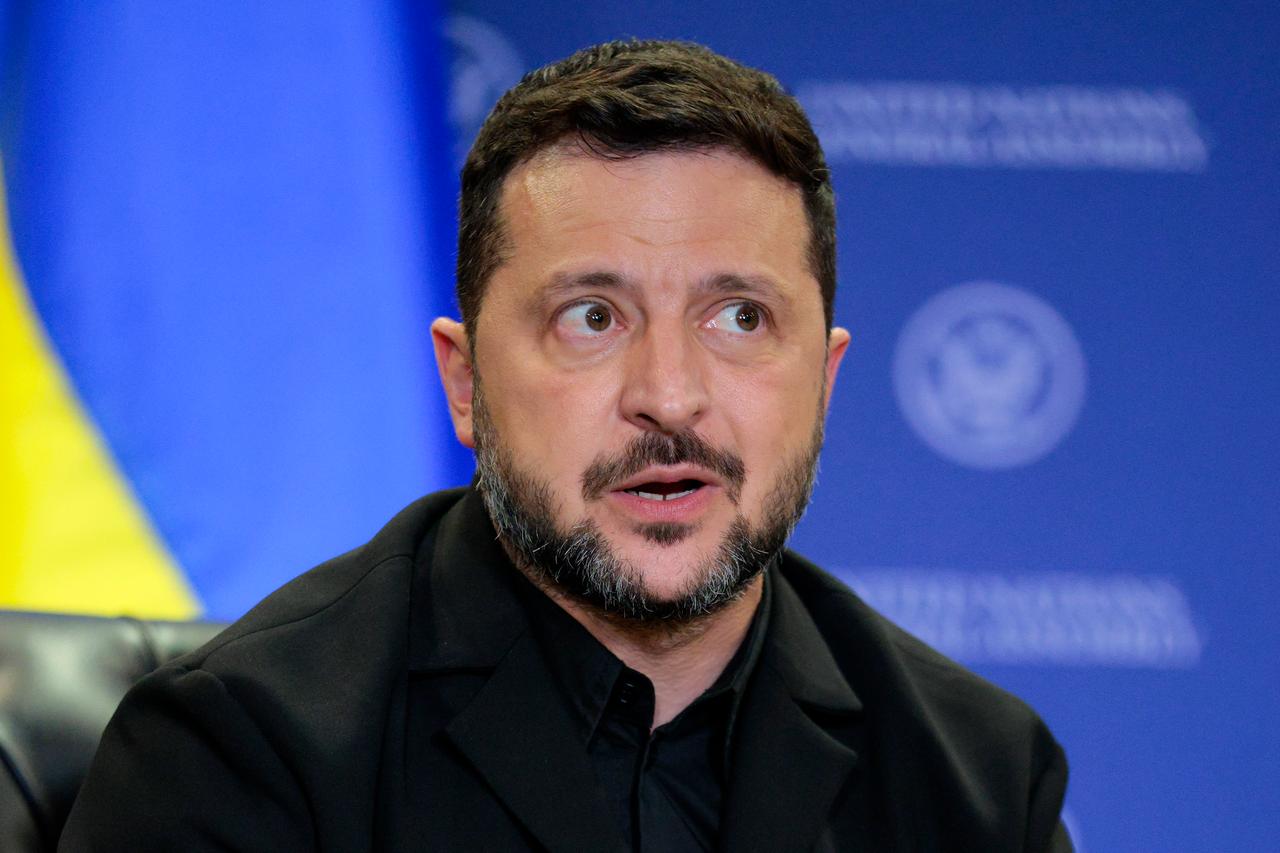
“Our flag is the blue sky and the golden wheat field.” With these words in 2022, President Volodymyr Zelenskyy highlighted the importance of wheat as a national symbol and value for Ukraine.
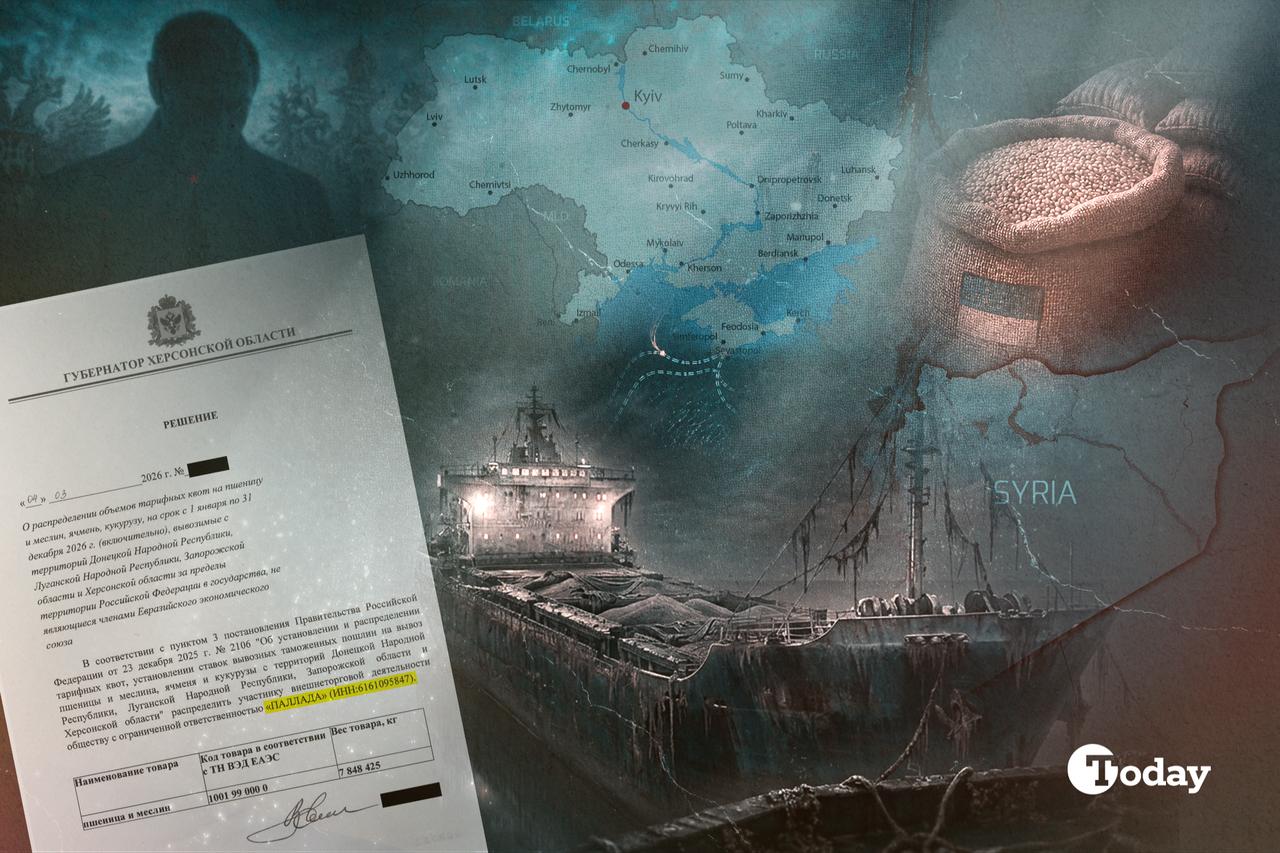
As the world’s fifth-largest grain exporter, Ukraine currently has a large proportion of its grain waiting in storage and is unable to export it through the Black Sea. Since July, increased attacks by Russia and Ukraine on ports, commercial vessels, grain terminals, and storage facilities in the Black Sea and Sea of Azov have brought maritime grain exports almost to a halt, making a significant share of the world’s wheat trade inaccessible to buyers.
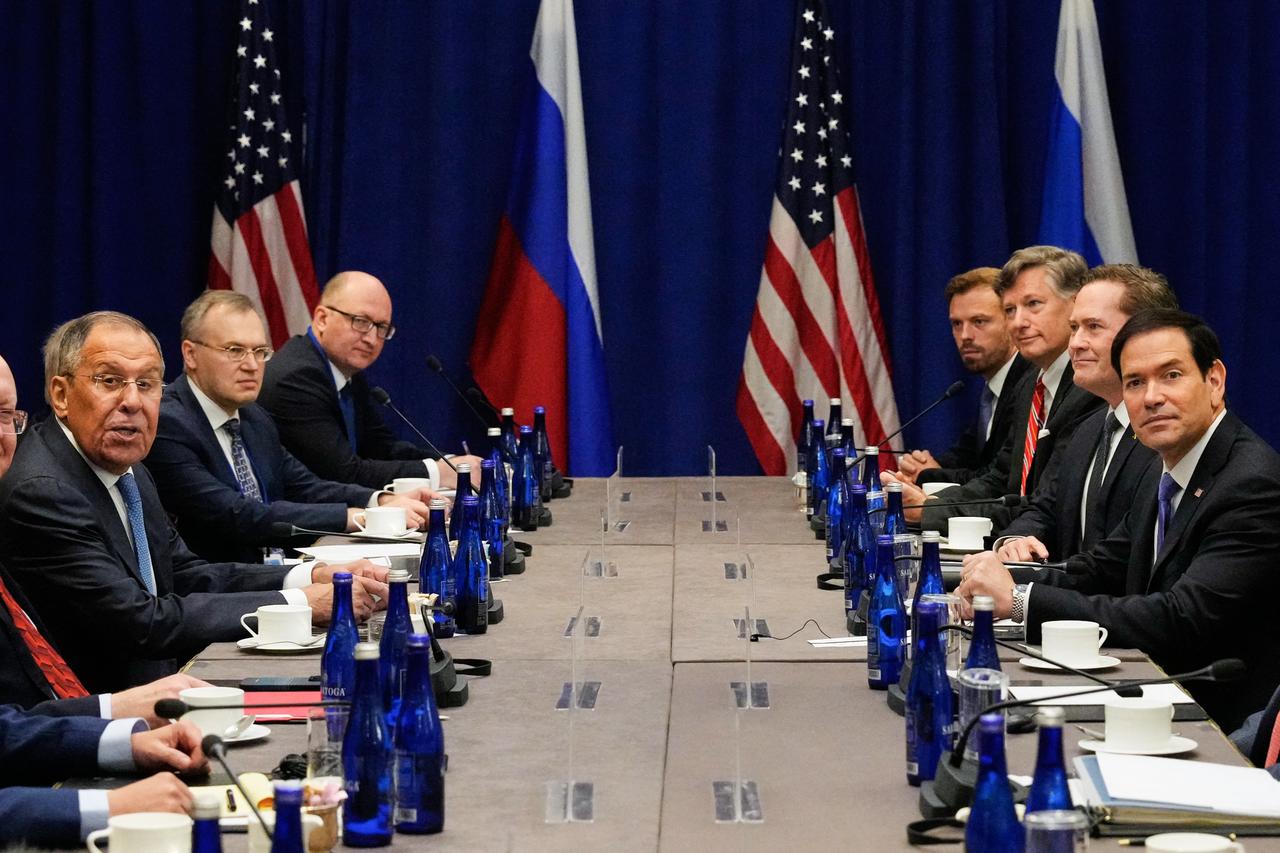
The issue was also high on the agenda of decision-makers gathered in New York for the United Nations General Assembly. At a ministerial-level side event hosted by the European Union, France, Romania, and Ukraine, several European foreign ministers highlighted the urgency and supported the EU’s call for a Black Sea moratorium. They warned that without immediate action to restore freedom of navigation for commercial shipping, the disruption could have long-term effects on millions of people through food shortages and price shocks.
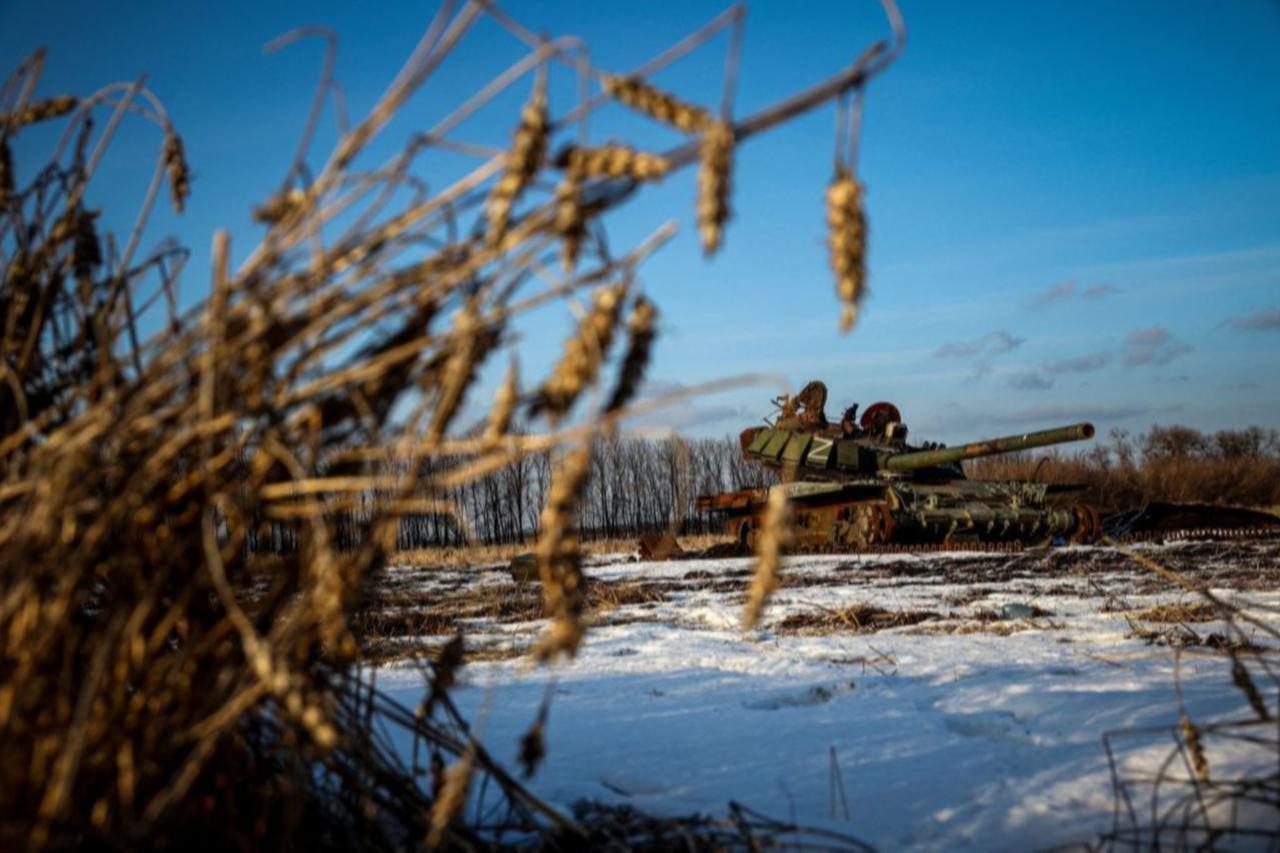

Since the end of July, Russia’s attacks on grain terminals in Ukrainian ports and its targeting of vessels carrying grain have been met by responses from most European ministers that “food should never be used as a weapon.” As Europe tries to fill the gap left by the United States, Ukraine faces a €23 billion budget deficit despite a €90 million EU support loan. Agricultural exports account for 60% of Ukraine’s export revenues. Ukrainian wheat exports have fallen by half year-on-year, while 10 million tons of last year’s grain remain in storage. Ukraine exported 49 million tons in 2022/2023 but is projected to export only 29.6 million tons in 2026/2027.
If wheat, maize, and barley stocks currently held in storage cannot be exported, there will be a significant decline in Ukrainian government revenues, further damaging an economy that is already under severe pressure. Storage capacity could also be saturated within months, while farmers unable to sell this year’s wheat may plant less this autumn, affecting the next harvest.
Since May 2022, Ukraine has also used the EU Solidarity Lanes, including rail, river, and road routes. Wheat exports have relied particularly on Romania’s Port of Constanța via the Danube, but infrastructure problems and the prioritization of higher-priced cargo are now slowing shipments. Even with all alternative routes operating, infrastructure and capacity limits mean they can replace only half of the Greater Odesa ports’ export capacity, while the Black Sea handles 90% of Ukraine’s agricultural exports.

In August, wheat prices reached their highest level since May 2024 and were 15% above August 2025, driven by Black Sea export disruptions, lower European production prospects following hot and dry weather, and a weaker U.S. dollar that made U.S. wheat more competitive.
Rising security risk in the Black Sea has led wheat importers toward more expensive supplies from the United States, Baltic countries, Romania, Argentina, India, and Australia, as buyers favor safer routes despite cheaper Black Sea wheat being available. This has contributed to global wheat prices remaining high, although futures prices have declined somewhat in recent trading sessions compared with August.
Although wheat supply is at levels similar to those of previous periods, longer shipping times and port congestion have reduced spot-market availability, making short-term supplies harder to secure for import-dependent countries and exposing them to higher prices.
In addition, drought, adverse weather, and high fertilizer costs are also reducing wheat production and exports worldwide, while experts believe that lower planting in Russia and Ukraine could push food inflation higher in import-dependent countries by year-end. Global food prices are forecast to rise by nearly 12% this year and by a further 4.8% in 2027.
Russia and Ukraine’s combined wheat trade, which accounts for 27% of global wheat trade, is estimated to fall by half compared with the July–September period last year.
We are not yet facing a food crisis or serious price shock, but without urgent action to restore wheat exports and enable new-season planting, the disruption could extend into 2027, making it more difficult for import-dependent economies to secure sufficient wheat supplies and potentially driving up food prices.
To end this situation, Ukraine proposed through a third party on Aug. 13 that both sides cease attacks on civilian targets in the Black Sea, but Russia rejected the proposal. The EU has recently called for a moratorium on attacks in the Black Sea, specifically to allow food and grain exports to continue reaching global markets.
The issue is particularly important for Türkiye, which sources most of its wheat imports from the Black Sea. After several Turkish-operated commercial vessels were attacked last summer, Türkiye, a key architect of the 2022 Black Sea Grain Initiative, called for a moratorium in July and this month presented Russia and Ukraine with a proposal inspired by the 2022 grain corridor mechanism. President Erdogan raised the issue again with the parties both during his meeting with Putin this month and during his meeting with Zelenskyy in New York this week. So far, none of these initiatives has produced a concrete solution.
Civil society has also proposed solutions. A new Tony Blair Institute for Global Change study outlines three measures to address disruptions to grain exports in the Black Sea: reducing financial risks for vessels and cargo, expanding cheaper overland grain routes through neighboring EU countries, and using surplus grain to expand Ukraine’s domestic biofuels market.
First, a Maritime Coalition of the Willing could allow Ukrainian agricultural vessels to sail under the flags of members such as the United Kingdom and France, increasing those governments’ interest in their safety and the costs of attacks.
Second, Ukraine should expand overland exports through temporary EU agreements allowing grain to transit to third countries without entering the EU market, backed by controls such as GPS tracking and pre-approved contracts.
Finally, Ukraine could reduce its grain surplus by expanding biofuel production, easing regulations, increasing storage, and temporarily widening EU access for Ukrainian ethanol.
For Ukraine, wheat is closely tied to the country’s identity, economy, and everyday life. Keeping its “golden wheat fields” connected to global markets therefore has implications that extend well beyond food security, including the continued functioning of Ukraine’s war economy.


 Set as preferred source
 Set as preferred source


 1 min read
 1 min read