Newsletters


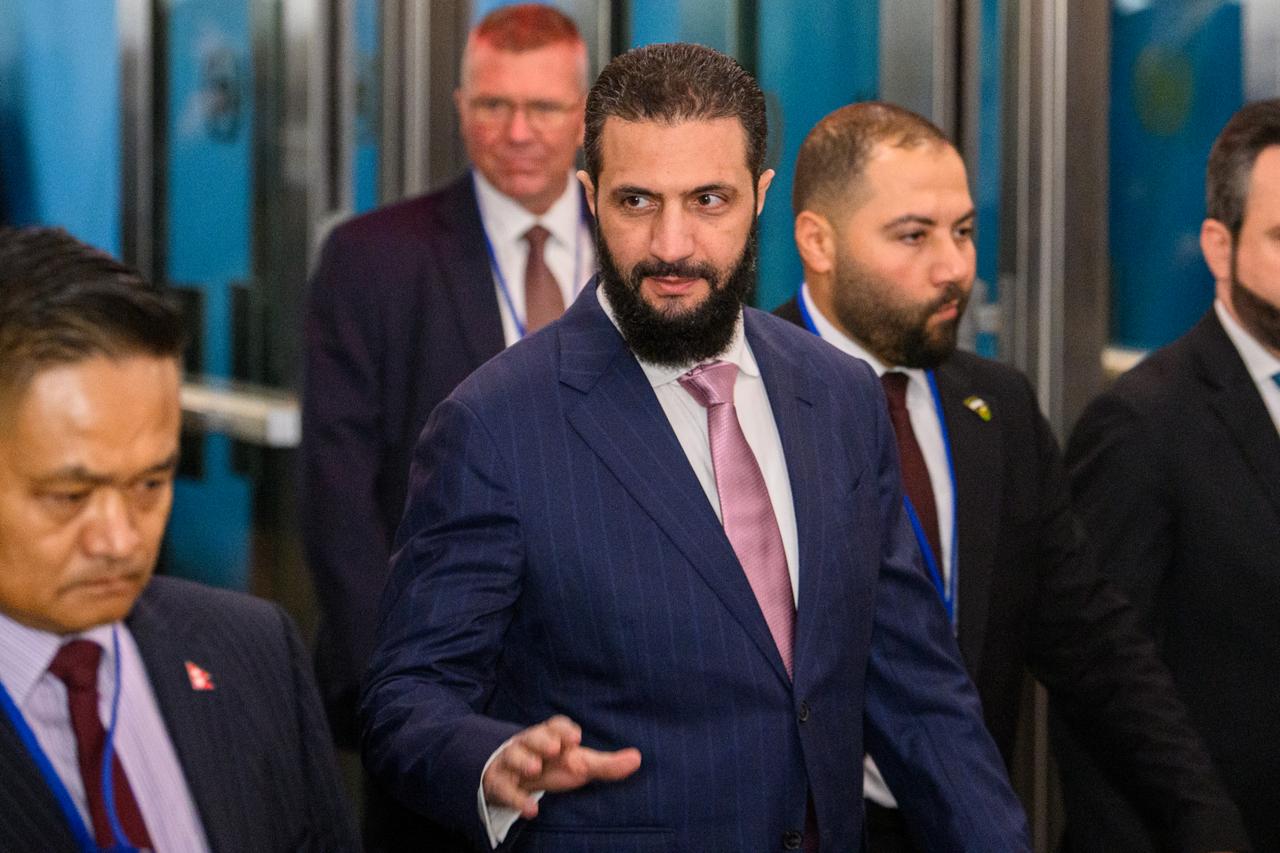


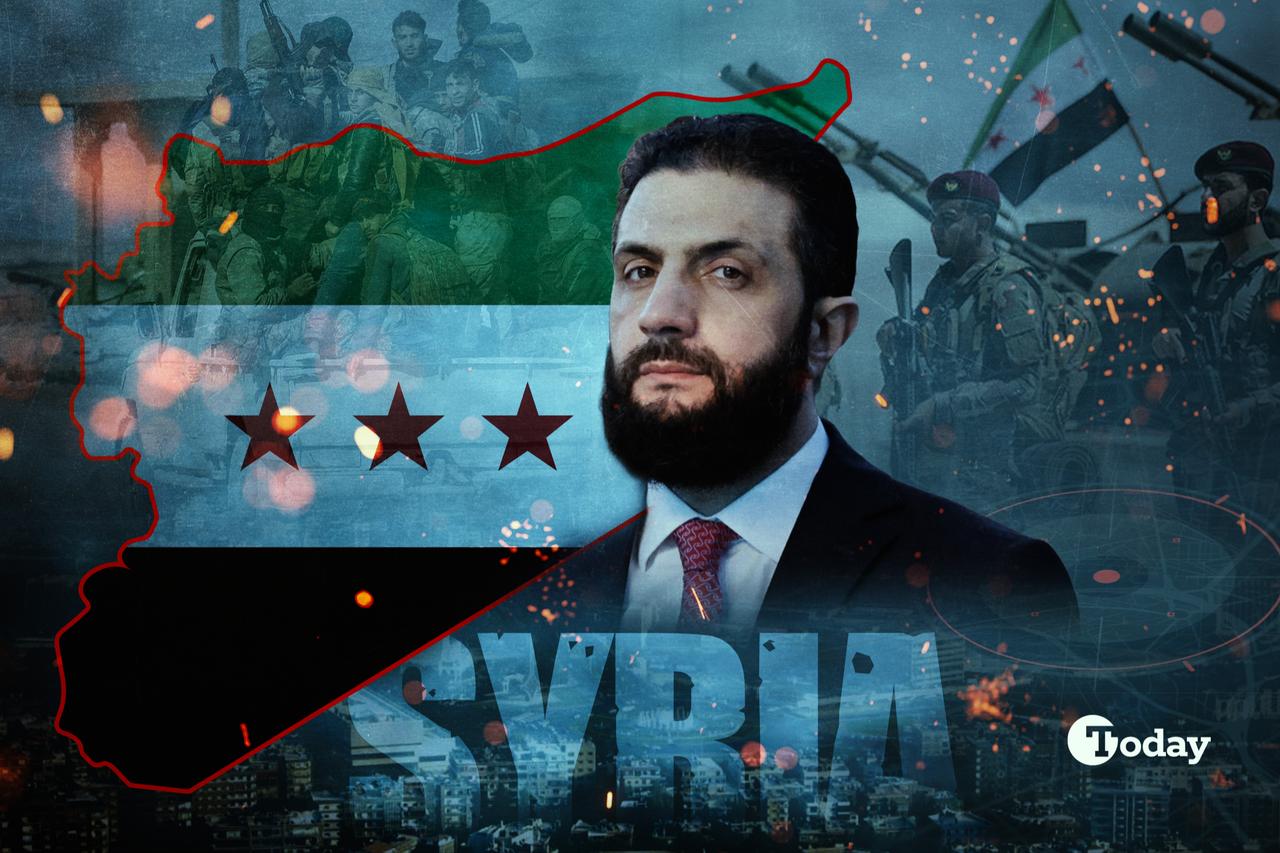
Ahmad al-Sharaa's showed up to the United Nations General Assembly for a second year in a row—proof, on paper, that Syria's new government isn't going anywhere. But scratch the surface of his side events, and it's clear the questions that have dogged him since he took power haven't gone anywhere either.
Every time the president responds to a question by saying he has already answered it, or that his reply is simply a repetition of the past, it is actually a sign that key questions about him remain. And these questions, until comprehensively resolved, will continue to haunt Syria's future.
In a bold move, the Syrian president's team wanted the Atlantic Council's well-known former U.S. Special Envoy against Daesh, Brett McGurk, as the moderator for his public event. For many Syrians, the decision was deeply frustrating, given McGurk's troubled history—his policies of normalizing Bashar Assad, empowering Iran-backed Nouri al-Maliki, and partnering with the PKK's Syrian branch all hurt the Syrian people and helped facilitate the rise of Daesh.
Furthermore, McGurk repeatedly portrayed Hayat Tahrir al-Sham's presence in Idlib as the biggest al-Qaeda safe haven in the world. It is widely known that McGurk opposed the Trump administration's Syria policy almost entirely.
When he met with the Syrian president, his questions revolved around Sharaa's personal history, his stance on 9/11, his ideological position, the Kurds, and Israel. The Syrian president repeatedly had to say that he had already answered such questions.
He was right. These kinds of questions had already been asked of Sharaa multiple times, a year and a half ago. Syria is now in a different place. For Syrians, the public panel was like going back in time.
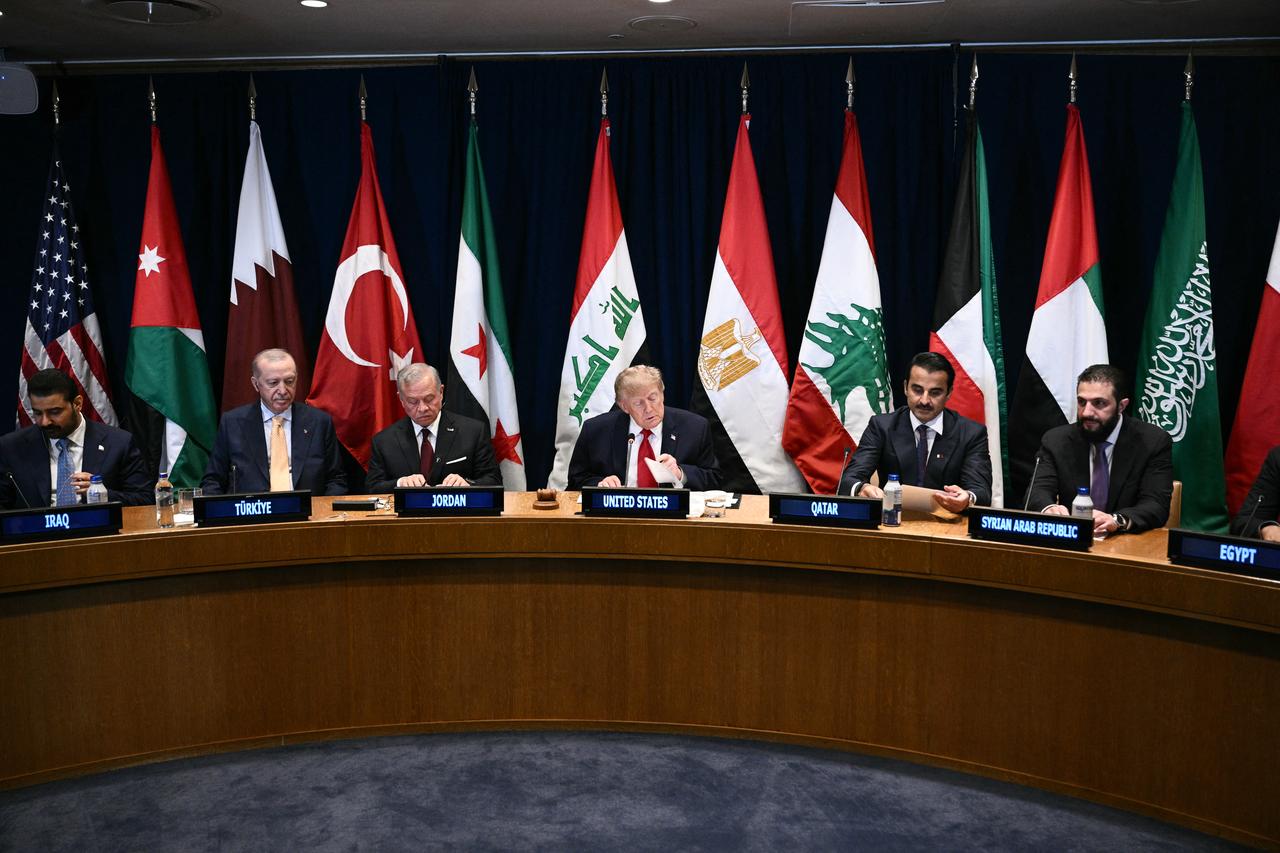

But this explicitly shows the vulnerability of Sharaa. Despite all the efforts and the de-designations, many folks in the U.S. keep circling back to Sharaa's past. And no one can guarantee what the overall U.S. attitude will be in a post-Trump scenario.
However, there is little to nothing Damascus can do to further address this issue. A new international PR campaign would be neither very effective nor something Syria can afford.
The Syrian government must focus more on domestic issues. The time when Sharaa had to prove himself to the world is over.
But apparently, the Syrian government is also not over its emotional need to prove itself to the international community.
This must change. Now, Ahmad al-Sharaa must make sure his legitimacy comes from the Syrian people. He already has their support.
He just needs to cement it formally and make it visible by focusing his public appearances on domestic issues and Syria's national interests.


 Set as preferred source
 Set as preferred source


 1 min read
 1 min read