Newsletters


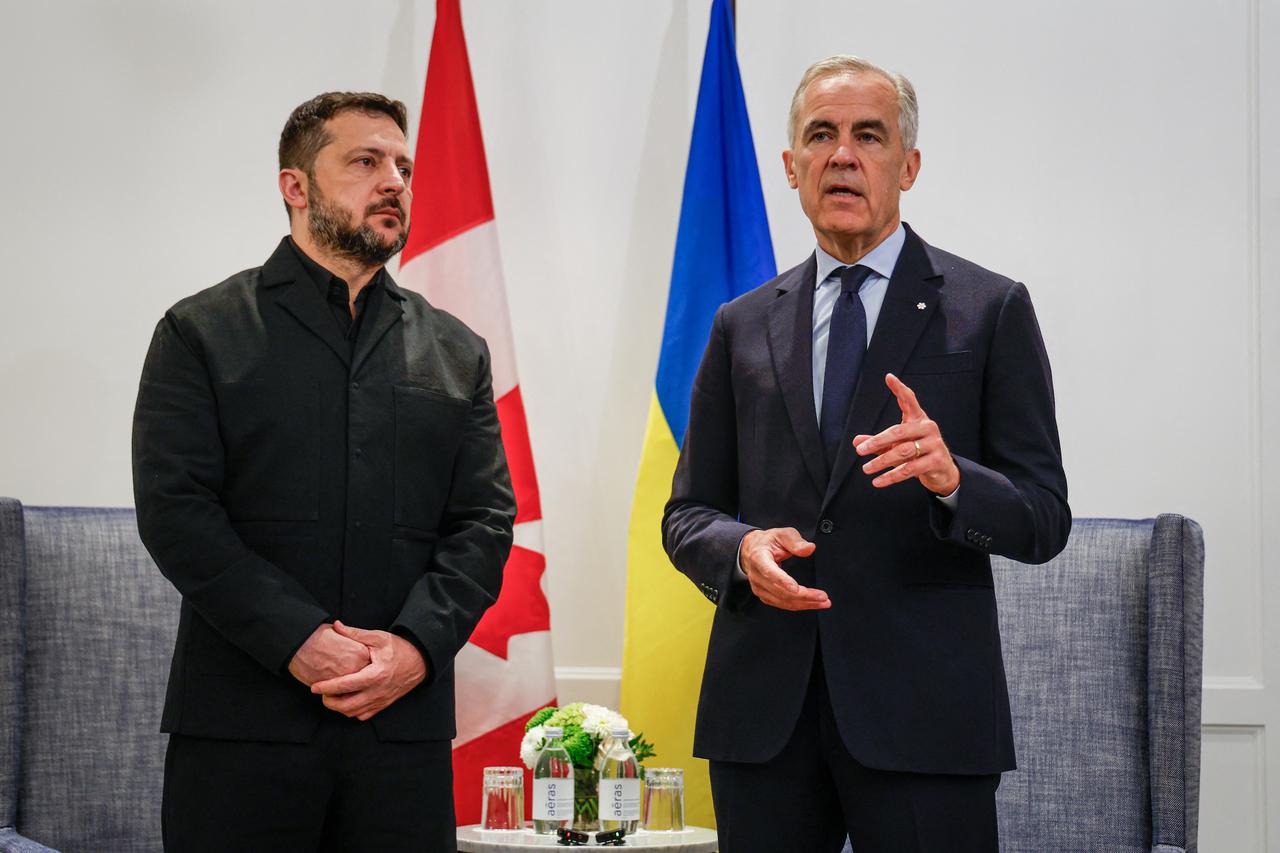


While Berlin argued over a single budget line, Calgary signed away a century.
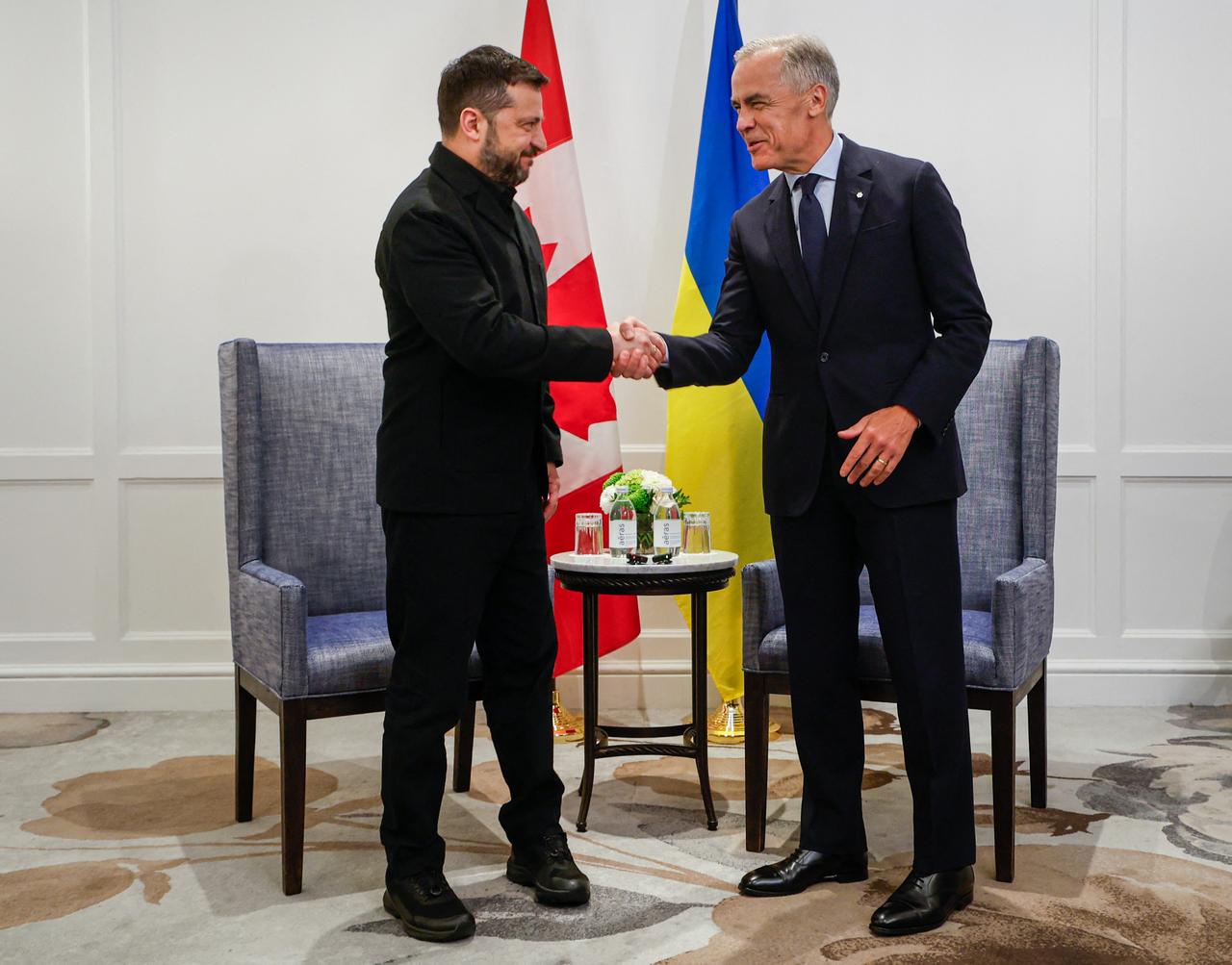
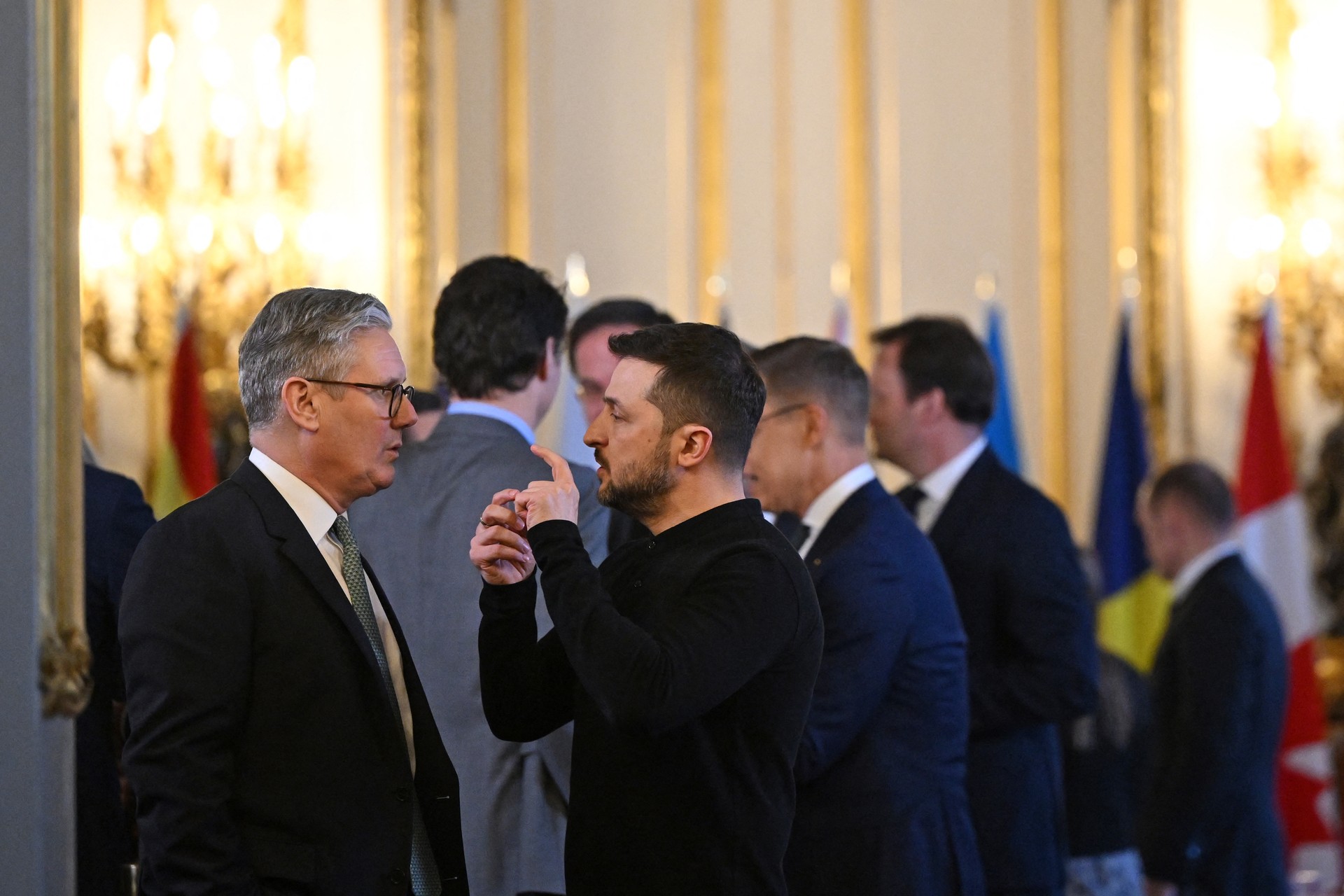
On Sept. 10, standing beside Ukrainian President Volodymyr Zelenskyy, the Canadian leader unveiled an alliance designed to outlast every living politician.
"Our relationship has flourished over 100 years," Carney told reporters. The prime minister argued that an enduring partnership must extend decades beyond the present conflict.
The meeting produced the Canada-Ukraine Declaration for a 100-Year Partnership.
While European governments debate whether they can sustain assistance through the coming winter, Ottawa and Kyiv established an alliance spanning the next century.
Canada supported the agreement with an immediate $350 million allocation for air defense interceptors through the multinational defense program called JUMPSTART.
This centenary agreement exposes the structural failure of Europe's incremental defense model. Non-European allies recognize that deterrence requires institutional permanence. European capitals, by contrast, remain paralyzed by annual fiscal disputes that hand Russian President Vladimir Putin a predictable timetable for Western exhaustion.

In Berlin, the contrast is brutal.
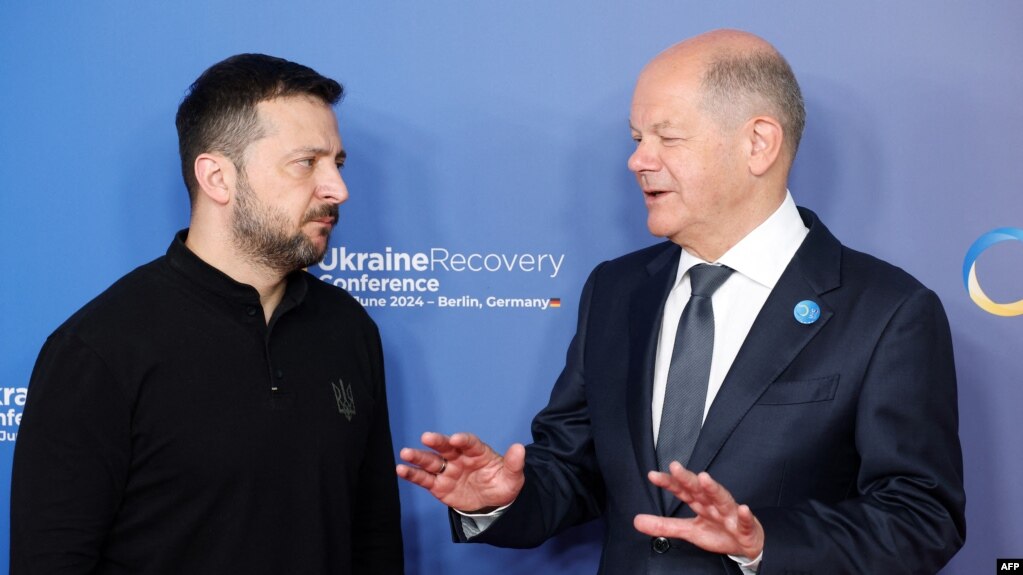
On Sept. 11, the Bundestag concluded its heated first reading of the draft 2027 federal budget. German Finance Minister Lars Klingbeil warned lawmakers that Germany cannot defend itself without taking on new debt to fund €152 billion ($175.52 billion) in security commitments. Klingbeil compared defense rearmament without borrowing to flying to the moon without a rocket.
However, German Chancellor Friedrich Merz continues to defend the constitutional debt brake. Merz ruled out another constitutional amendment before the current parliamentary term ends, citing the unachievable two-thirds threshold in the Bundesrat.
The result is fiscal cuts to the internal budget. To fund minimal Bundeswehr procurement, Berlin is carving cuts out of domestic programs, handing the far-right Alternative for Germany (AfD) fresh political ammunition following its surge in Saxony-Anhalt.
Germany is not an isolated case. Across the European Union, military assistance to Kyiv remains fractured among 27 national capitals. Most bilateral security agreements signed by European leaders extend for only 10 years, with funding subject to annual parliamentary votes.
Deterrence cannot survive such short horizons. When a state lives year to year, its defense industry will do the same.
European manufacturers face chronic uncertainty. While European defense contractors possess sophisticated engineering capacity, they refuse to invest private capital in new munitions production lines without guaranteed multi-year purchase orders from sovereign defense ministries.
The French and British governments have attempted to bridge that gap with isolated bilateral treaties. However, because those agreements lack binding multi-decade capital appropriations, defense executives in Munich and Toulouse, key industrial centers in Europe, continue to treat assembly lines as temporary emergency measures.
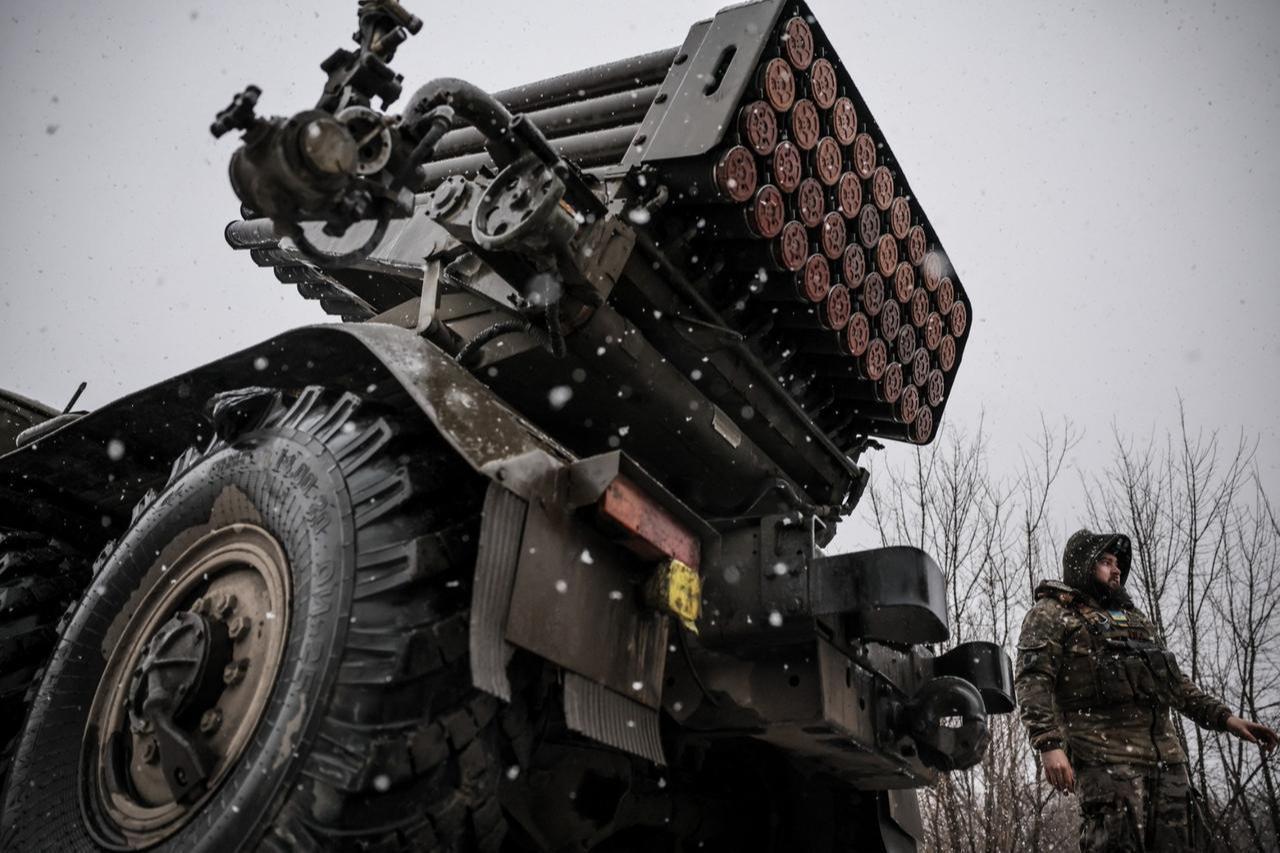
Carney approached the problem through an industrial perspective. The Calgary agreement integrates Canadian capital directly with Ukrainian battlefield engineering through the new Defense Drone Initiative Marketplace. The initiative aims to build millions of uncrewed systems across joint production lines over the next two years.
That structure solves a major industrial problem. Western defense contractors have hesitated to build dedicated military equipment facilities because government orders evaporate after 12 months. Long contracts change that calculation completely. By guaranteeing a century of institutional partnership, Ottawa gives private manufacturers the regulatory security needed to construct permanent manufacturing capacity.
To be sure, diplomatic realists in Paris and Berlin dismiss century-long pacts as empty political theater. Current governments cannot force future lawmakers to follow their promises.
Frontline brigades in Zaporizhzhia, in southeastern Ukraine, need 155mm artillery shells and Patriot interceptor missiles today, not communiques celebrating distant centenary anniversaries.
That skepticism misses how deterrence works.
Putin does not calibrate his strategic ambitions against next month's European artillery shipments. In Moscow, strategic doctrine relies on the expectation that democratic electorates will tire of the financial burden by 2027, fracturing Western coalitions and leaving Ukraine vulnerable.
A 100-year security commitment attacks the core assumption of Russian strategy.
Because it demonstrates that transatlantic defense cooperation will survive shifting political administrations in North America, it strips Moscow of the strategic patience on which Russian war planning fundamentally depends. Canada has built an enduring defense-industrial corridor across the Atlantic Ocean.
European capitals should adopt the Canadian model before their domestic politics fragments further. Continuing to rely on fragile annual bilateral memorandums leaves the European Commission vulnerable whenever a national government changes hands in an election.
European Commission President Ursula von der Leyen should table a unified, generational European defense procurement framework funded through joint EU security bonds.
Such an instrument would bypass national vetoes. By replacing the mechanism that routinely paralyzes the European Peace Facility, it would offer European arms manufacturers the multi-decade visibility that Ottawa just provided to its own domestic contractors.
The clock is ticking.
Durable deterrence demands long-term institutional permanence. Mark Carney proved in Calgary that democratic leaders can look beyond the next election cycle.
If European governments cannot match that horizon, they will spend the next century paying for the instability they failed to prevent.


 Set as preferred source
 Set as preferred source


 1 min read

 1 min read