Newsletters




This article was originally written for Türkiye Today’s bi-weekly Balkans newsletter, BalkanLine, in its Jan. 16, 2026 issue. Please make sure you are subscribed to the newsletter by clicking here.
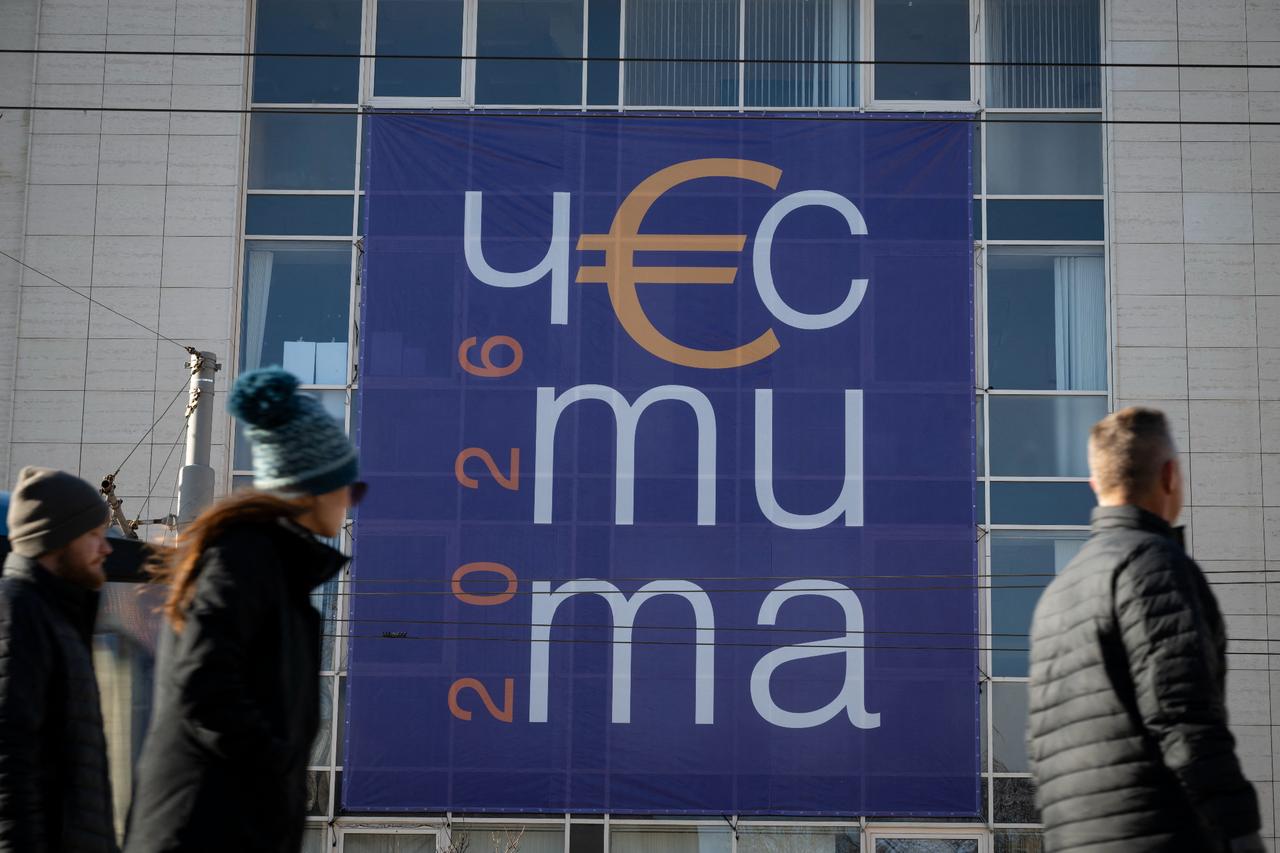
On Jan. 1, Bulgaria officially adopted the euro, a historic milestone nearly two decades in the making. Yet the atmosphere in Sofia is far from celebratory. The Balkan country now faces a profound paradox: it has achieved its most significant technical goal in years, yet it lacks a functioning government to steer it.
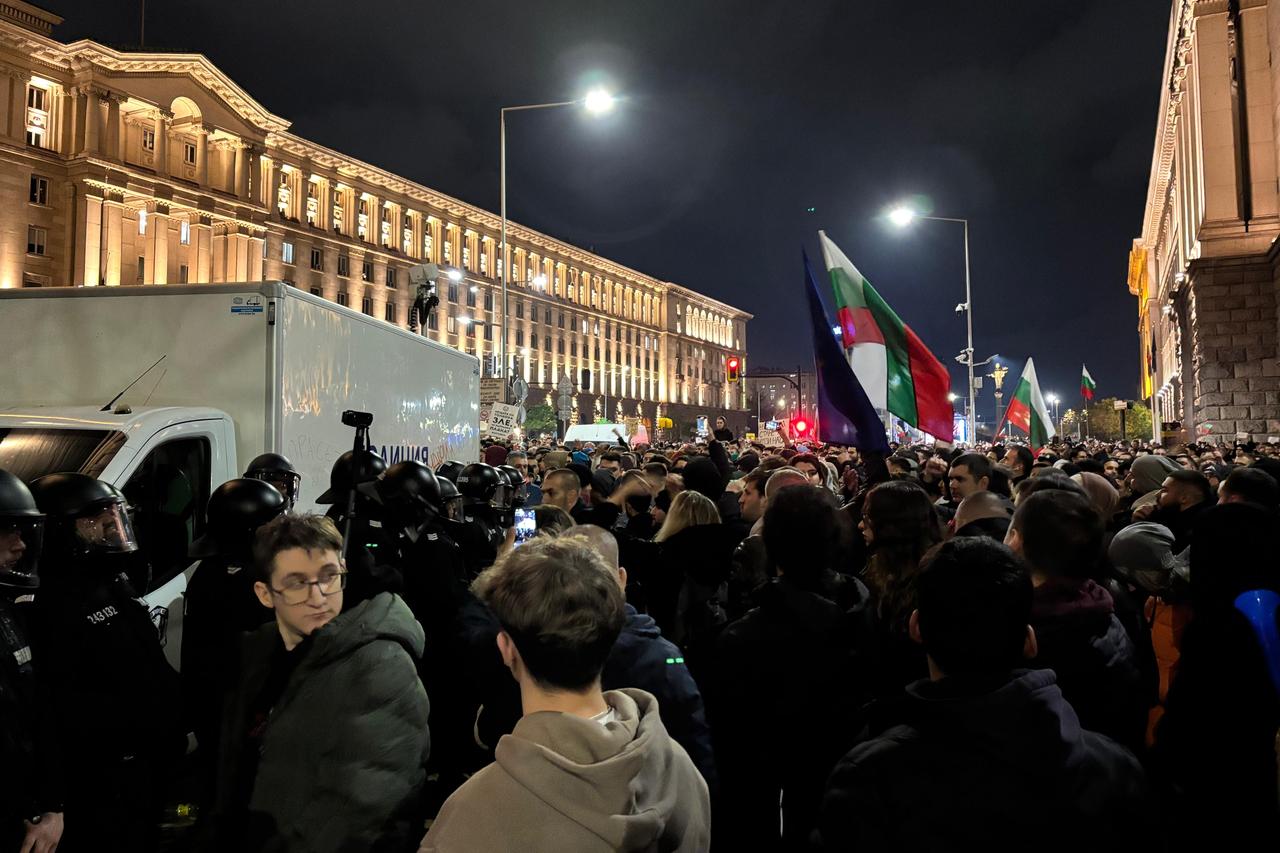
Bulgaria has remained mired in political uncertainty since the resignation of Prime Minister Rosen Zhelyazkov’s government in December, following sustained protests against state corruption and a proposed budget that would have increased some taxes.

President Rumen Radev was expected to hand a cabinet-forming mandate to the largest parliamentary group in an effort to break the deadlock.
This week, however, pro-Russian Radev’s attempts to form a government yielded no results. First, Bulgaria's largest parliamentary grouping, the center-right GERB-SDS, declined the request on Jan. 12.
Then, on Jan. 14, the reformist PP-DB coalition, the second-largest group in parliament, returned the mandate unfulfilled. These refusals significantly increase the likelihood of a snap election. If confirmed, this would be Bulgaria’s eighth election in just four years, a grim statistic that points to deep institutional paralysis.
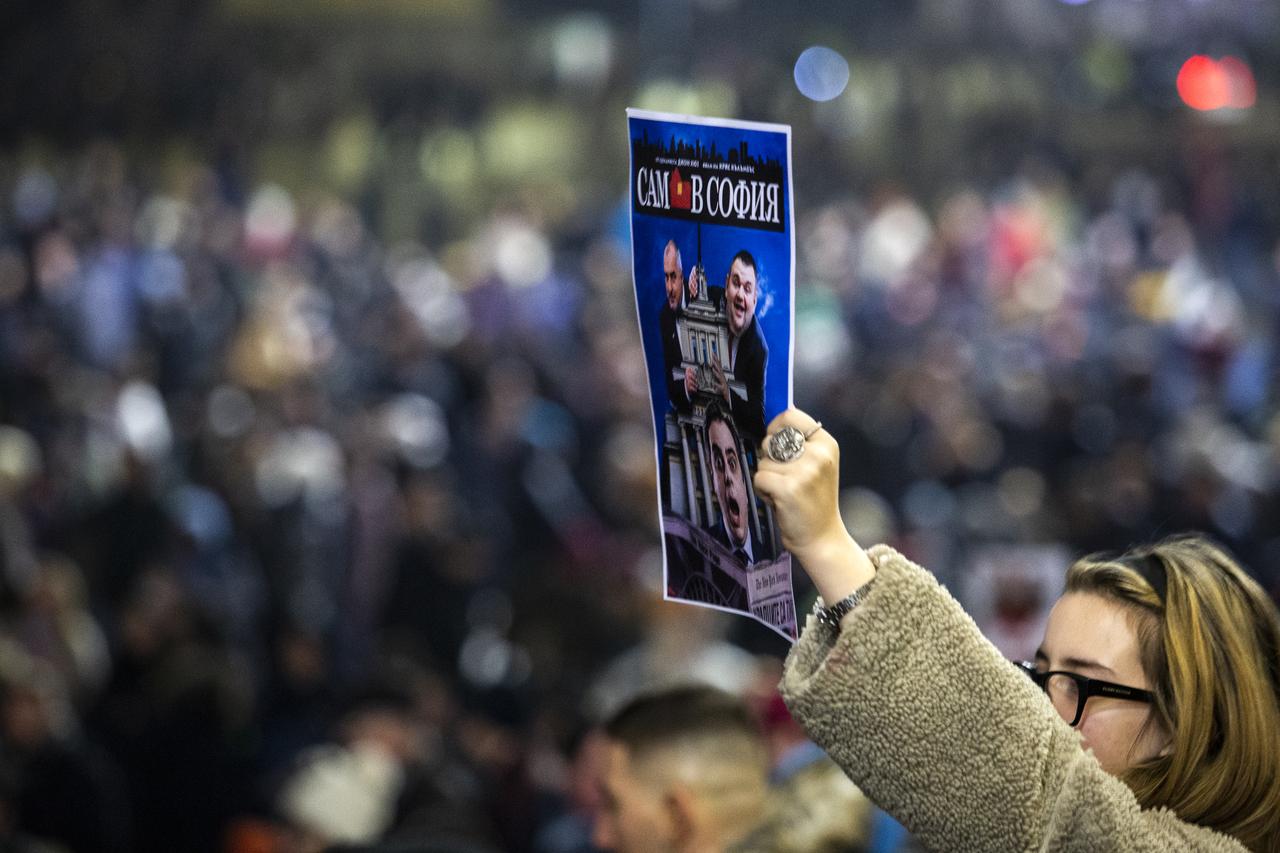
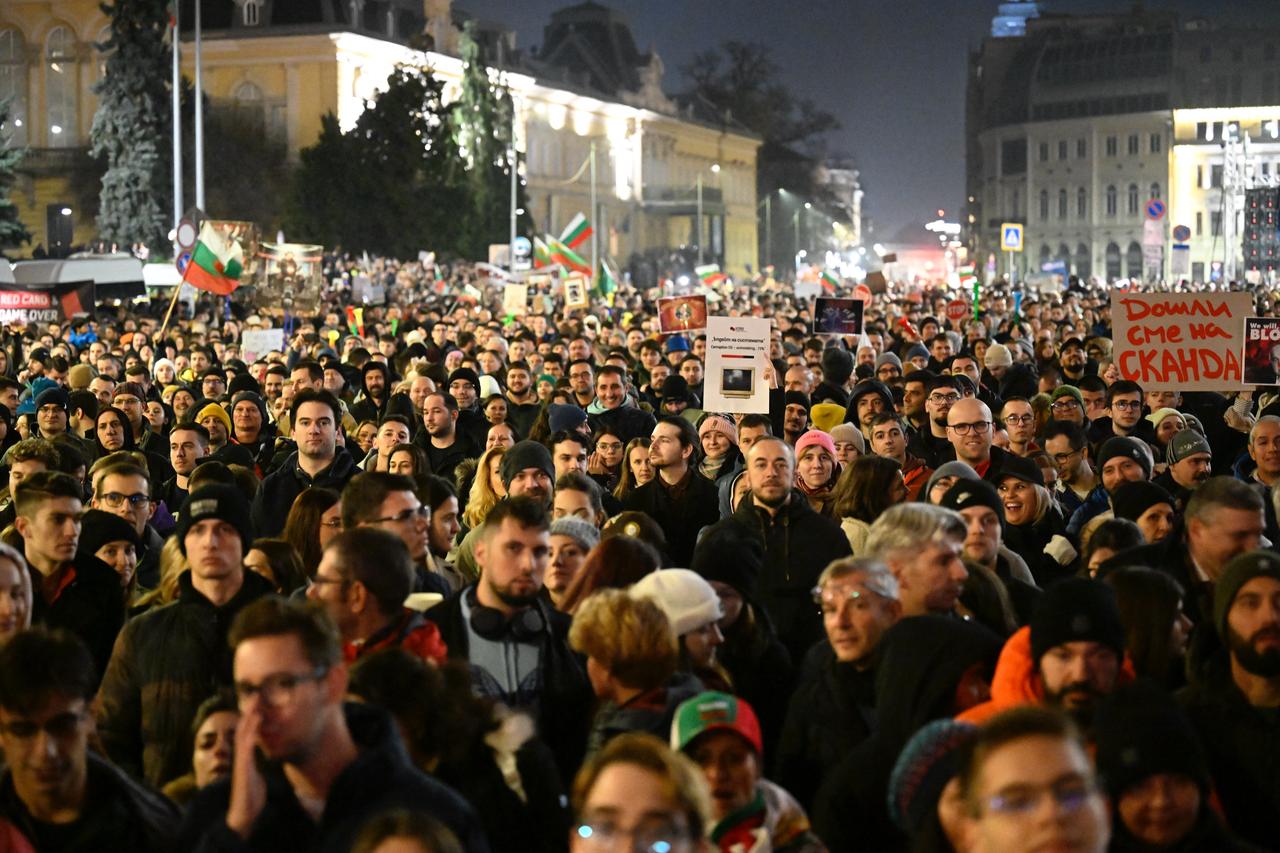
While political deadlock is nothing new in Sofia, the current instability is distinct in how it came about. The previous administration didn't fall due to a standard vote of no confidence; it collapsed in December following mass protests led largely by "Gen Z" demonstrators.
These protests were triggered by the 2026 budget proposal, which included sharp tax hikes that young workers viewed as a penalty for the state's failure to reform.
 1 min read
That deadlock is cemented by the parliament's "toxic" math. To form a stable government, any winning party needs a mathematically impossible majority without crossing a fatal "red line."
This means either sharing power with pro-Russian nationalist parties or relying on the support of sanctioned figures like tycoon Delyan Peevski, one of the primary targets of the protesters.
I have to underline that this instability matters because it carries real economic risks. The timing is particularly sensitive, as the inability to form a government threatens to erode investor confidence at precisely the moment euro adoption was expected to strengthen it.
If an anticipated snap election again fails to produce a clear governing majority, as now seems likely, Bulgaria risks becoming a cautionary tale: a case study in successful economic integration without political consolidation.
President Radev is now expected to offer one final chance to govern to another party. If that mandate is again returned unfulfilled, he will have to call snap elections soon. We will see if this next vote can break the cycle, or if the country is destined for another year of drift.


 Set as preferred source
 Set as preferred source


 1 min read