Newsletters


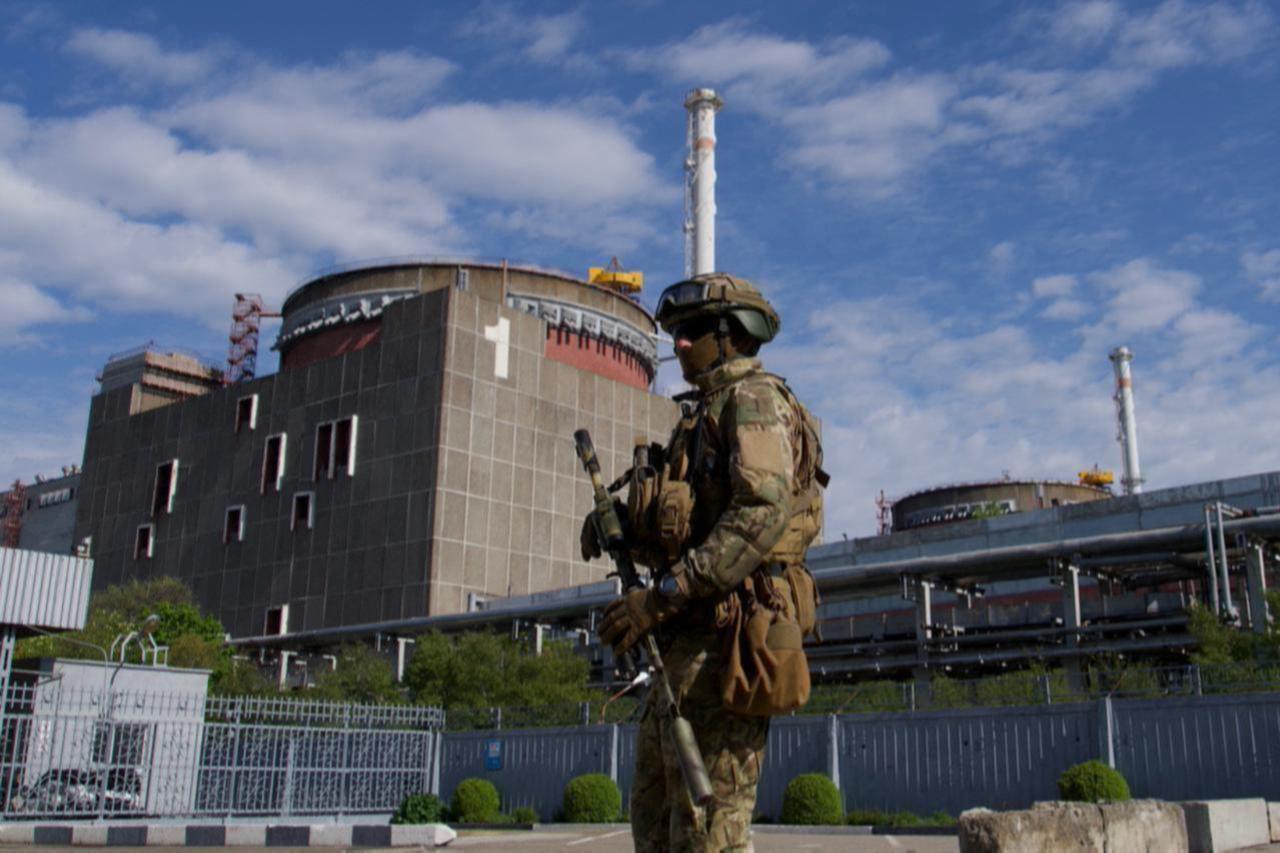


For over four years, the Zaporizhzhia Nuclear Power Plant (ZNPP) has remained at the center of the global political and information agenda.
There are several reasons for this. The Russian occupation of the facility has been defined by systematic provocations and relentless psychological pressure on its operators. Moscow continues to exploit the nuclear threat against Ukraine and its allies as a tool of intimidation, weaponizing the threat of catastrophe to intimidate Ukraine and project fear across the Western world.
Unfortunately, to date, diplomatic efforts aimed at forcing Russia to change its position regarding the ZNPP have not produced tangible results. Among the unresolved issues is also the fate of part of the plant’s personnel, who continue to be illegally detained by Russian forces.
Ukraine’s diplomacy, together with its international partners, continues to make every possible effort on the diplomatic front to draw global attention to the situation surrounding the Zaporizhzhia Nuclear Power Plant.
In recent weeks, Ukrainian representatives and their allies have organized a series of political and public events aimed at highlighting the risks created by Russia’s occupation of the plant and the continuing pressure on its personnel.
For example, within the framework of diplomatic activities in Vienna, several political and public initiatives were held to emphasize the humanitarian and security dimensions of the crisis.
One particularly powerful moment came from the testimonies of family members of more than 30 employees of the Zaporizhzhia Nuclear Power Plant who have been illegally detained by Russia. Their so-called “crime” was refusing to sign employment contracts with Russia’s state nuclear corporation, Rosatom, after the occupation of the facility.
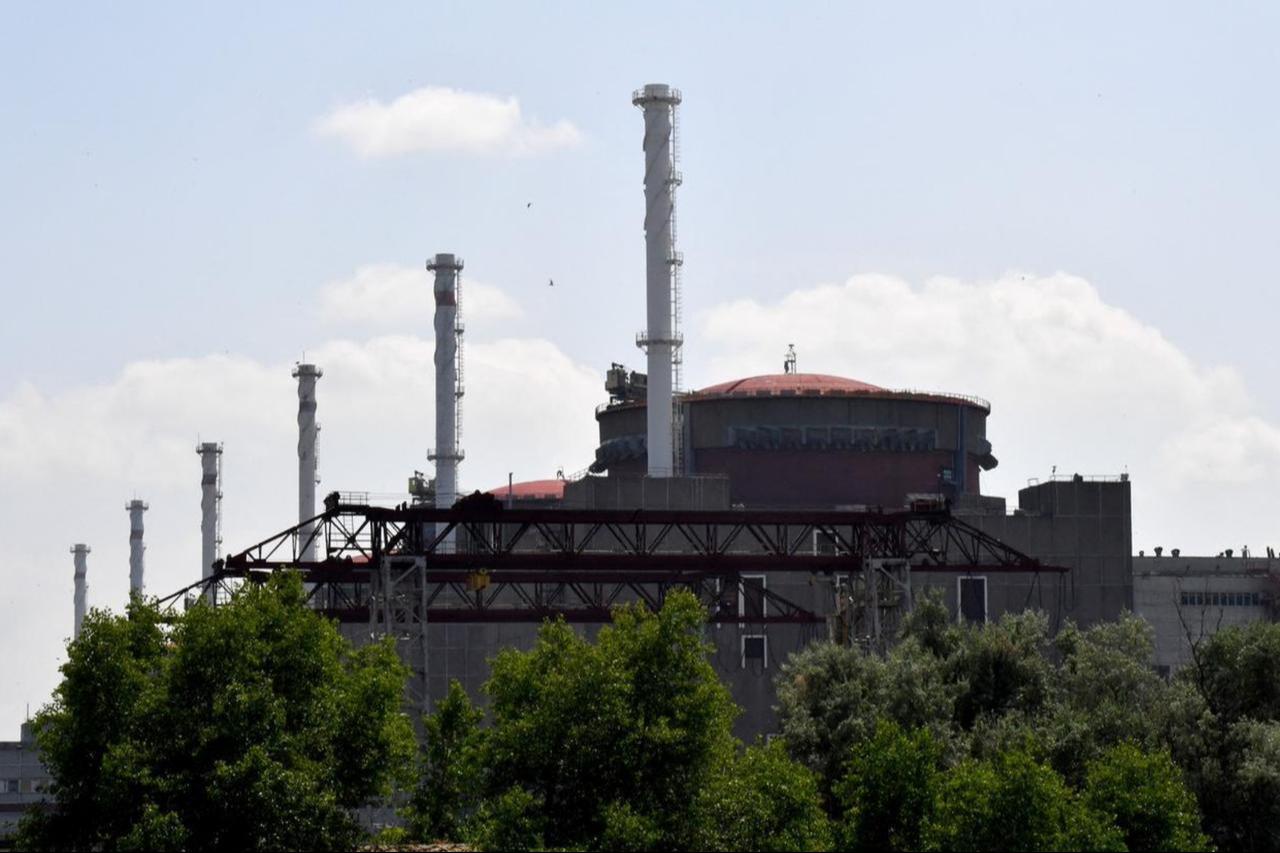

According to publicly available information, Russia has detained at least 35 employees of the plant, and 10 of them have already been sentenced to prison terms ranging from five to 25 years.
This issue has also been raised at the level of the European Union and international organizations. During a recent session of the Board of Governors of the International Atomic Energy Agency (IAEA) in Vienna, the European Union issued a strong statement condemning Russia’s actions.
The EU emphasized that the unlawful detention of Ukrainian nuclear specialists violates a core principle of nuclear safety: operating personnel must be able to perform their duties without political pressure, intimidation or coercion.
The European Union called for the immediate release of detained ZNPP employees and the return of the plant to its legitimate owner, Ukraine. Concurrently, the EU reaffirmed its unwavering support for the IAEA’s efforts to maintain nuclear safety and security in Ukraine under unprecedented wartime conditions.
The statement also highlighted the importance of continued monitoring of the situation by the IAEA, including the risks associated with unstable electrical infrastructure and potential threats to nuclear safety.
These diplomatic initiatives demonstrate that the international community continues to treat the situation around the Zaporizhzhia Nuclear Power Plant as one of the most serious nuclear security challenges in Europe since the end of the Cold War.
However, despite growing international pressure, the issue remains unresolved, and the risks associated with the continued Russian occupation of the plant persist.
At present, there is already substantial evidence of crimes against humanity committed by Russian forces with the support and involvement of representatives of the Russian state nuclear corporation Rosatom against the Ukrainian personnel of the Zaporizhzhia Nuclear Power Plant.
These crimes include cases of killings, torture, abductions and systematic intimidation of Ukrainian nuclear specialists, as well as threats against their families. Such actions were carried out with the aim of forcing Ukrainian staff to cooperate with the occupation authorities and to sign employment contracts with Rosatom.
It is also important to emphasize that Russian nuclear specialists were unable to simply replace the Ukrainian personnel of the ZNPP for purely technical reasons.
The plant operates six VVER-1000 reactors designed during the Soviet period. However, after Ukraine regained independence, significant modernization work was carried out at the plant with the participation of Ukrainian and American specialists.
As a result, it now operates using unique technical documentation and upgraded systems jointly maintained by Ukrainian institutions and international partners. In addition, the reactors were adapted to operate with nuclear fuel produced by the American company Westinghouse Electric, replacing the fuel assemblies previously supplied by Russia.
For this reason, technical personnel transferred from Russian nuclear facilities lack the necessary expertise, licenses, and operational experience required for the safe and efficient functioning of ZNPP. This creates additional risks for nuclear safety and further demonstrates the irresponsible nature of Russia’s actions.
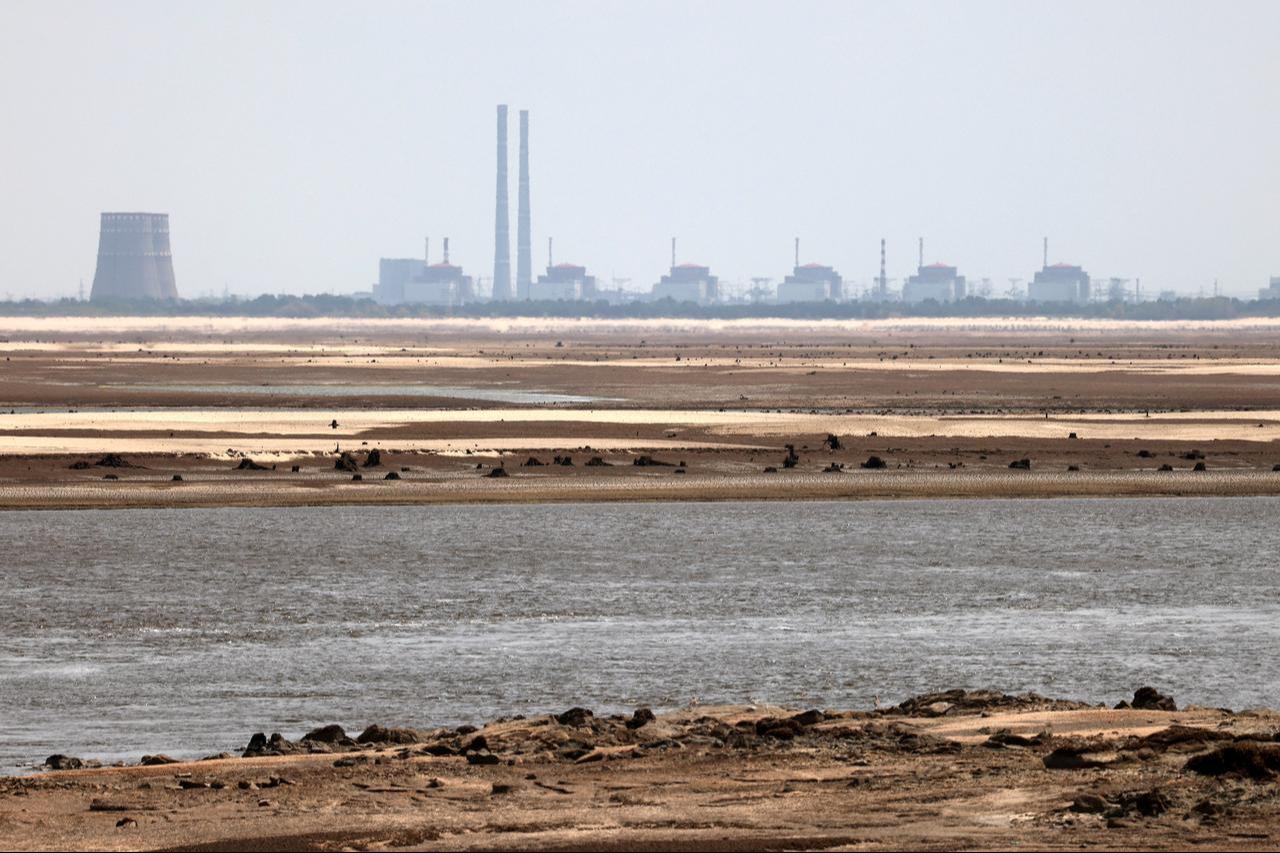
Undoubtedly, the overall situation creates a deeply negative trend that continues to undermine nuclear security in the region. Under these circumstances, it would be reasonable to intensify international diplomatic efforts aimed at securing the release of illegally detained ZNPP employees.
One potential step forward could be the promotion of a resolution within the Parliamentary Assembly of the Council of Europe (PACE) calling for the immediate release of the unlawfully detained personnel at the plant.
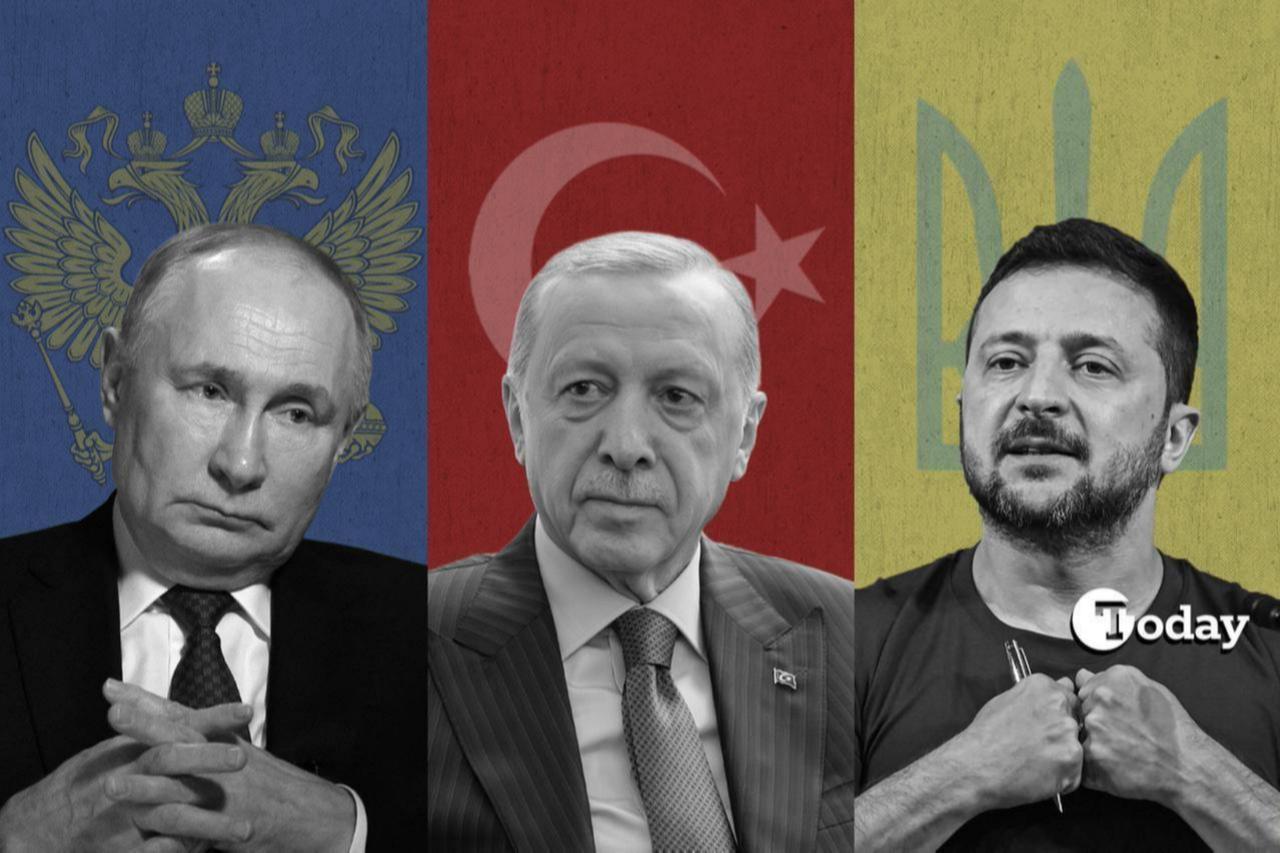
Ankara could play a pivotal mediating role in this effort. As a key regional actor with a proven track record of facilitating negotiations and humanitarian exchanges during the conflict, Türkiye possesses the diplomatic channels and political leverage necessary to secure the release of detained Ukrainian nuclear specialists and de-escalate tensions at the Zaporizhzhia Nuclear Power Plant.


 Set as preferred source
 Set as preferred source


 1 min read

 1 min read