Newsletters


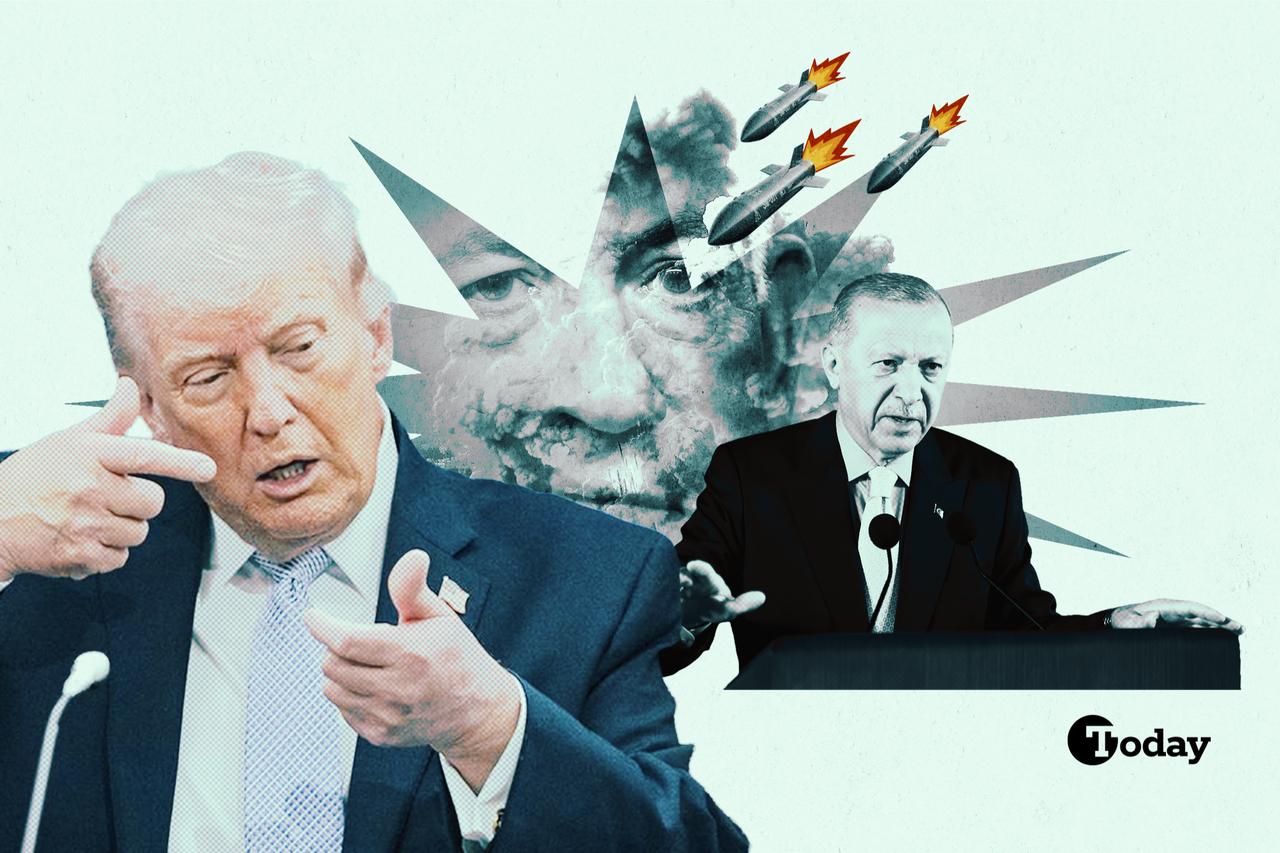


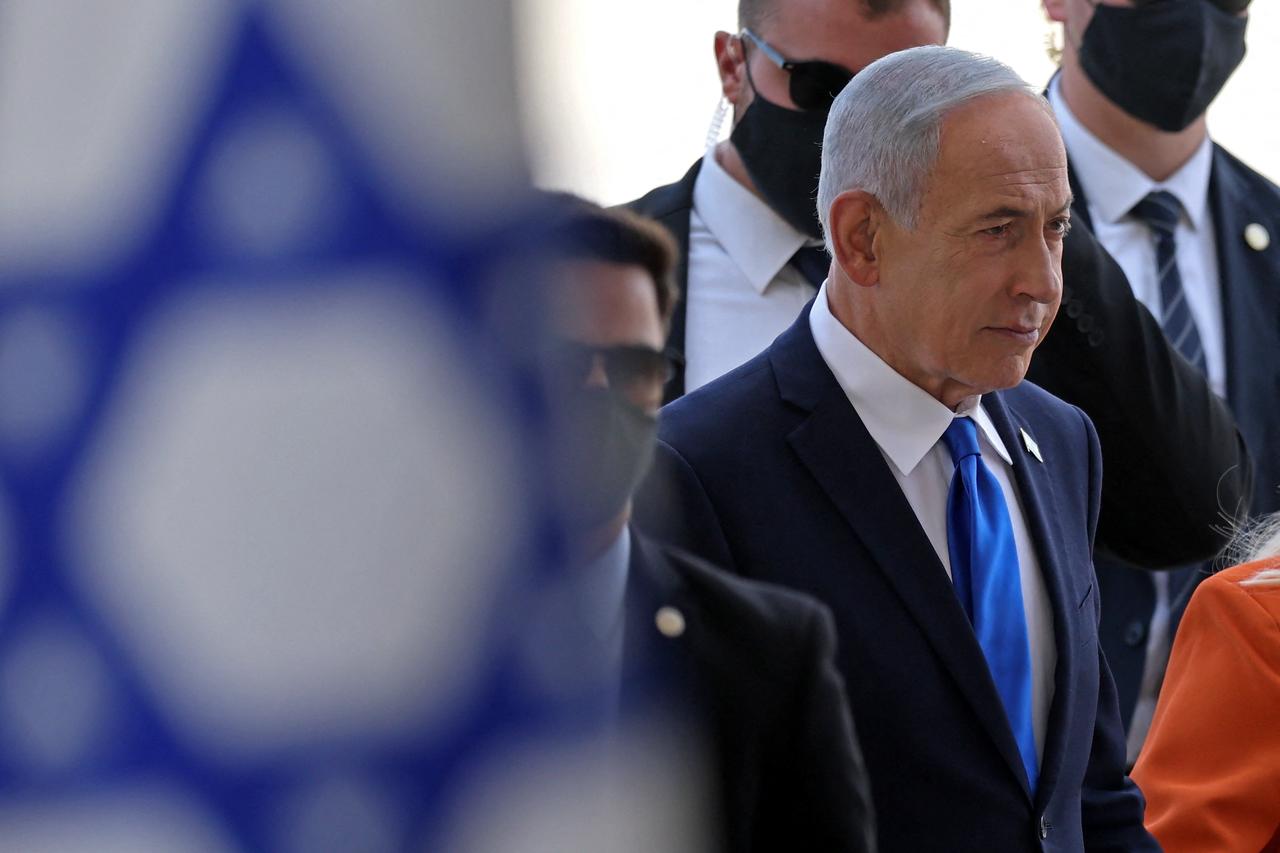
Reports indicate that Israeli Prime Minister Benjamin Netanyahu played a pivotal role in persuading President Donald Trump to launch military operations against Iran during a high-stakes, secret meeting in the White House Situation Room on Feb. 11, 2026.
This escalation, however, appears to be only one chapter in Israel’s much larger regional playbook.
Despite the indecisive results of the war of choice with Iran, Israel is not yet done attempting to draw the United States into "forever wars" in the Middle East.
Having engaged in genocidal campaigns in Palestine and Lebanon, Netanyahu has increasingly framed these conflicts as prerequisites for the establishment of a new regional and even global power status.
This push is a clear attempt to realize the vision of a "Greater Israel"—the biblical Eretz Yisrael that spans territories from the Nile to the Euphrates through the conquest of territory and the assertion of regional hegemony.
Netanyahu has been remarkably candid about these intentions.
In August 2025, during an interview with i24NEWS, he expressed explicit support for the concept of Greater Israel, describing his administration’s work as a historic and spiritual mission to fulfill this vision.
This is why, as the smoke barely clears from the primary theaters in Iran, a new and more dangerous narrative is already being crafted in the corridors of Washington’s most influential pro-Israeli think tanks.
There is now only one country standing in the way of Israel’s expansionist agenda: Türkiye.
For decades, a coordinated chorus of voices branded Iran as the singular existential threat to Israel’s security to justify U.S. military interventions, repeating the claim for 30 years that Iran was mere weeks away from a nuclear bomb.
Now, those same voices are shifting their gaze toward Ankara, framing Türkiye as an existential threat to Israel.
The question now haunting political analysts and American taxpayers alike is whether Israel can convince America to wage another war of choice, this time against the Republic of Türkiye.
This is no longer a whispered conspiracy; it is an unequivocally stated strategic outlook. Consider this, for instance: former Israeli Prime Minister Naftali Bennett has explicitly framed Türkiye as "the new Iran," implying that Ankara is not merely a diplomatic adversary but a strategic menace that must be neutralized.
This sentiment is echoed by a powerful network of Israeli and pro-Israel think tanks and lobby organizations in the United States, including the Hudson Institute, the Foundation for Defense of Democracies (FDD), the Washington Institute for Near East Policy (WINEP), JINSA, AIPAC and the Middle East Forum.
For example, the influential “Israel First” think tank, FDD, recently claimed, "Türkiye, the new Iran?" Ankara's growing challenge to Western interests.”
Their collective thesis is clear: Türkiye’s growing military might, its defensive capabilities, and its pursuit of strategic autonomy represent an unacceptable challenge to Israeli hegemony.
According to this worldview, once the "Iranian problem" is fully settled, the crosshairs must inevitably move to Türkiye.
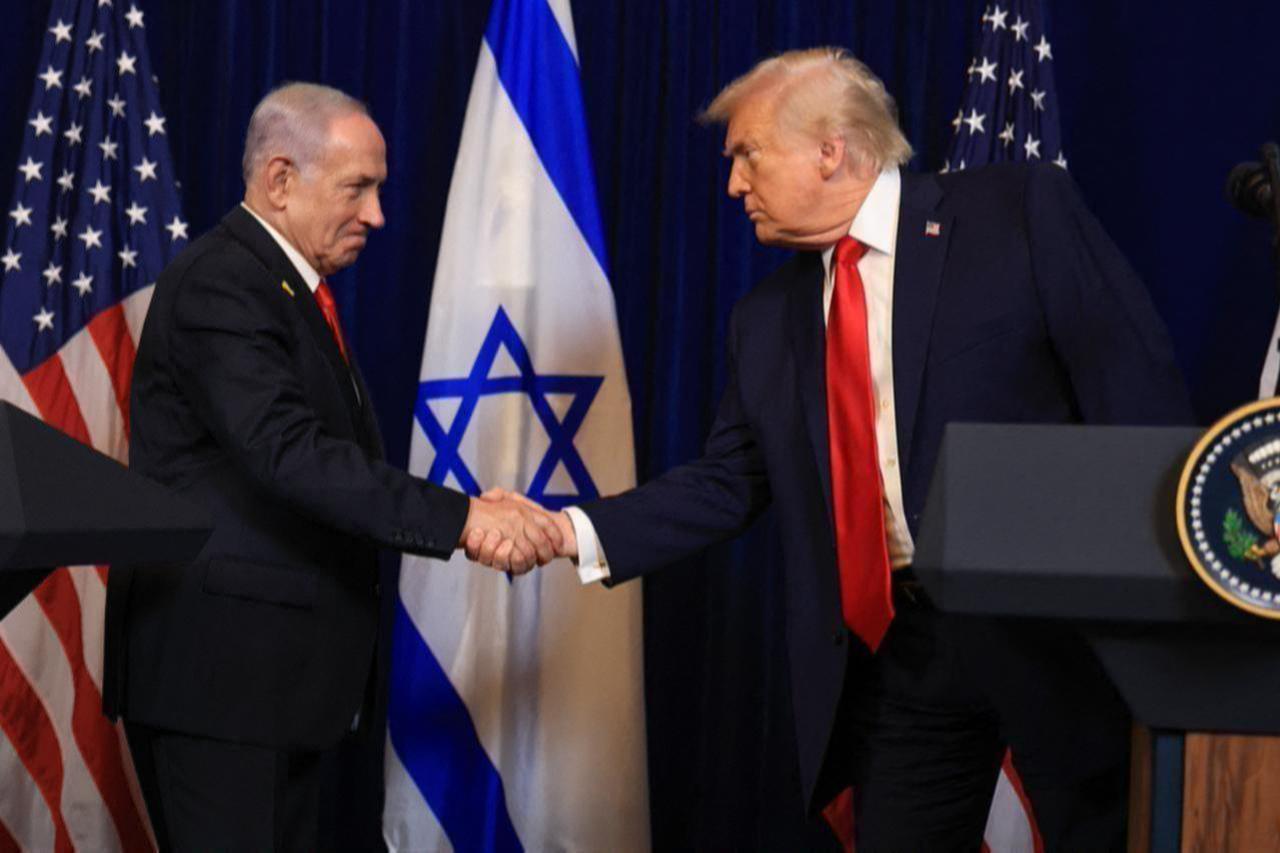

However, those seeking to demonize Türkiye and drag the United States into a confrontation are ignoring a fundamental reality: Türkiye is not Iran.
Any attempt to replicate the "maximum pressure" campaign or military interventionism seen in Tehran would encounter a brick wall of geopolitical and military obstacles.
First and foremost is the NATO shield. Unlike Iran, which has been a pariah for nearly half a century, Türkiye is a cornerstone of the NATO alliance.
As a treaty ally with the second-largest military in the alliance, an attack on Türkiye would represent the formal dissolution of the Western security architecture.
A direct military confrontation would likely require the U.S. to exit NATO—a move President Trump has already signaled following his allies' refusal to join the war with Iran.
While this shift is often framed as a reaction to uncooperative allies, former National Counterterrorism Center Director Joe Kent offers a more targeted theory: withdrawing from NATO could be a calculated step to side with Israel in a future clash with Türkiye over conflicting interests in Syria.
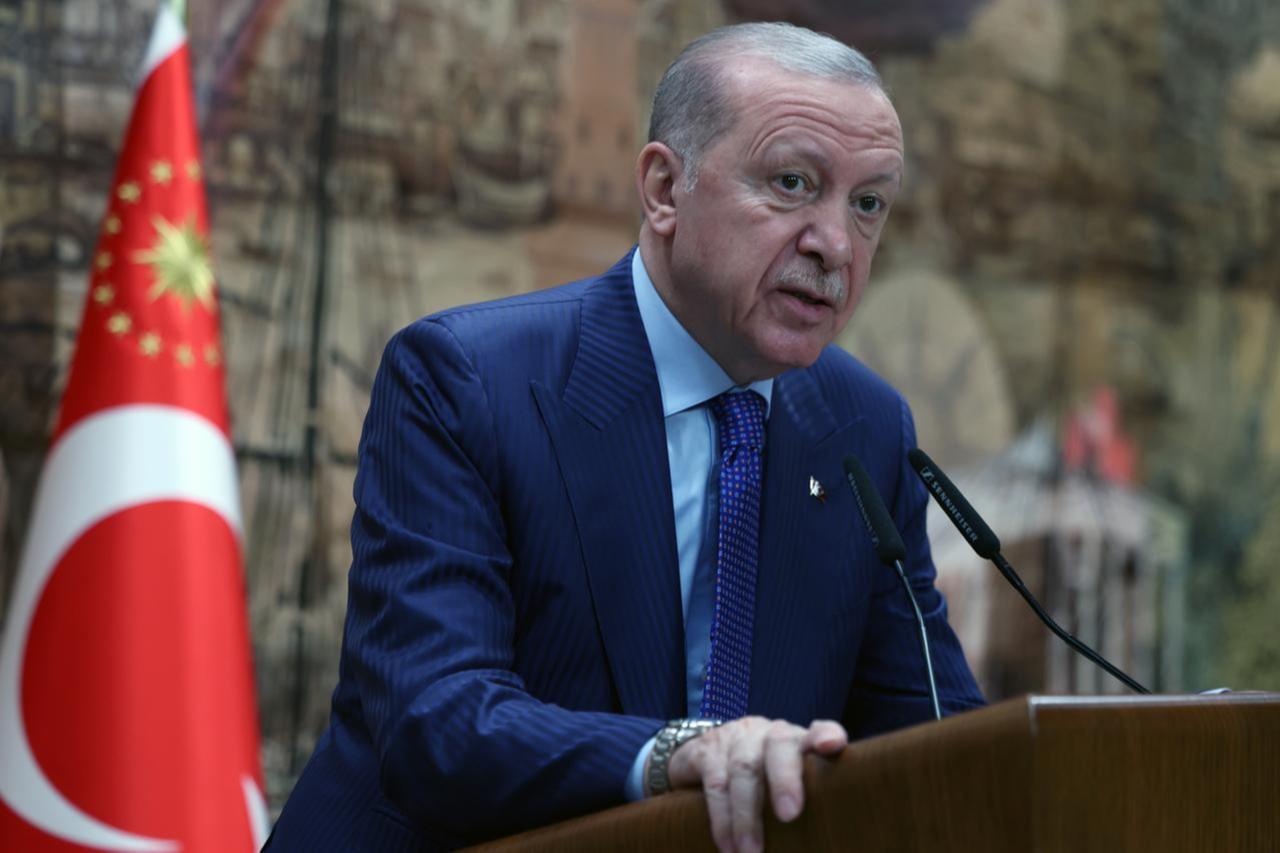
Furthermore, the personal dimension of diplomacy remains a significant hurdle. President Trump has consistently maintained a rapport with President Recep Tayyip Erdogan.
In Trump’s Washington, the appetite for destroying a functional strategic partnership with Türkiye is low, complicating the efforts of pro-Israel hawks who rely on the dehumanization of foreign nations to sell wars.
Additionally, the lessons of the recent "40-Day War" with Iran remain a sobering deterrent. Billed by Netanyahu as a "walk in the park" that would lead to immediate regime collapse, the reality was a brutal conflict that triggered a global crisis in energy, shipping and aviation.
If a war with an isolated Iran caused such global pain, a war with a globally integrated G20 economy like Türkiye would be economic and geopolitical suicide for the United States.
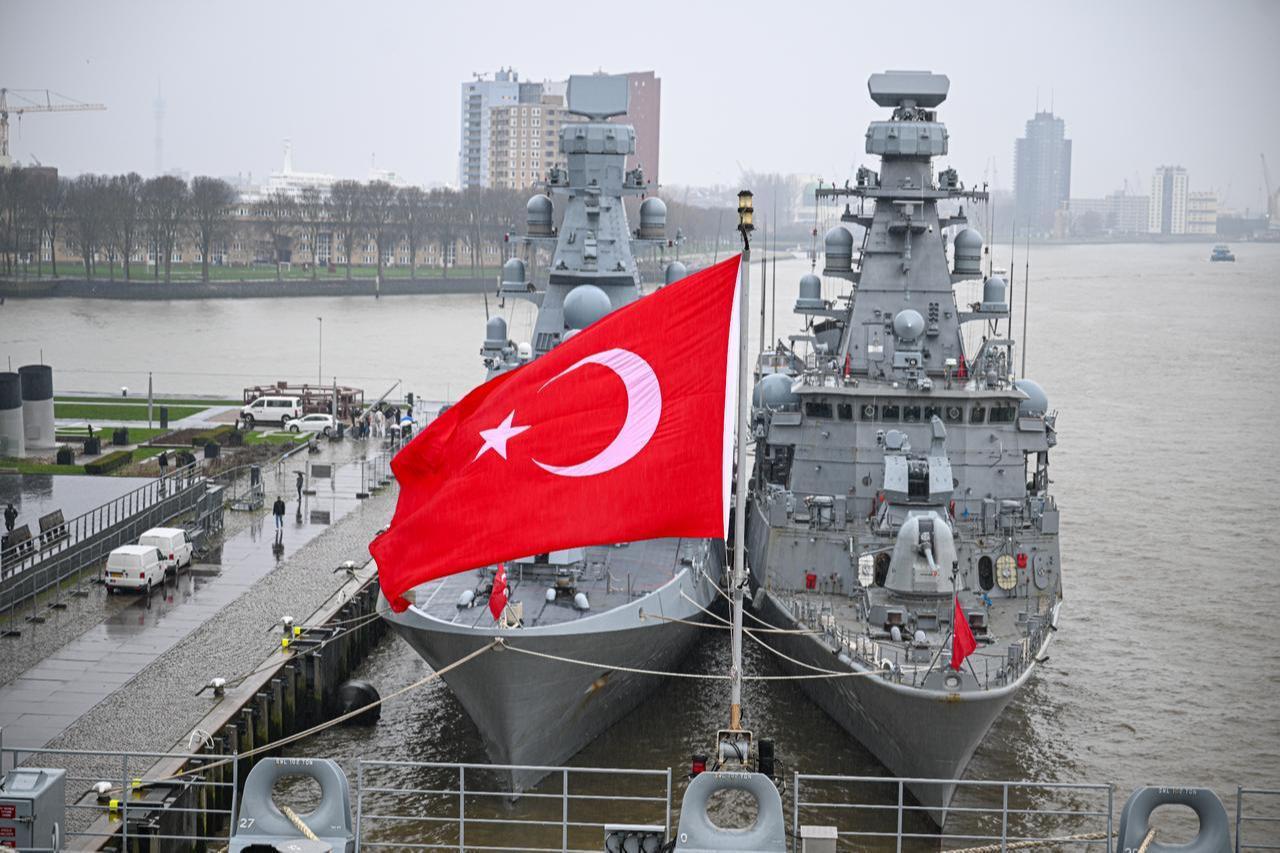
The push by the Israel lobby for foreign conflicts, particularly the unprovoked 2026 U.S.-Israel aggression against Iran, has created a significant divide within the American right and the MAGA movement.
A clear rift has emerged between the "America First" and "Israel First" factions of the movement.
While figures like Miriam Adelson, Larry Ellison, Mark Levin, Ben Shapiro, Bari Weiss, and Laura Loomer work to create a pro-Zionist echo chamber in the U.S. media, they face increasing opposition from vocal "America First" conservatives like Tucker Carlson, Megyn Kelly, Marjorie Taylor Greene, and Candace Owens.
These critics argue that dragging the United States into foreign conflicts serves no national interest and only benefits a foreign power’s regional expansion.
They also point to the staggering hypocrisy of fearing an ascendant Türkiye while Israel remains the only country in the Middle East with a massive, undeclared nuclear arsenal.
Given Türkiye’s NATO ally status and close personal ties between the leaders in Washington and Ankara, a direct U.S. confrontation with Türkiye is highly unlikely, but Israel is not going to simply give up.
If the pro-Israel lobby in Washington fails to convince America to launch a kinetic war against Türkiye, including in the Syrian theater, the campaign of destabilization will likely continue through "war by other means."
This involves the support of Kurdish separatist movements and militant organizations like the PKK to erode Turkish national cohesion.
For Israel, as an actor that thrives on regional instability, chaos in neighboring states is not a failure of policy; it is the desired outcome.
The American people now stand at a crossroads. For thirty years, they were told Iran was a week away from a bomb to justify wars that have finally come to pass with devastating results.
Striking a NATO ally would be more than madness; it would be the final nail in the coffin of American global credibility.
While a conflict with Türkiye may seem unimaginable, President Trump’s strategic blunders and juvenile tantrums—including threats to blow up Iranian civilian infrastructure, including every bridge and power plant, and wipe out the "whole civilization" and send Iran "back to the stone ages"—indicate a susceptibility to manipulation.
If the U.S. moves to abandon its NATO commitments, the chances of being dragged into an Israeli-desired conflict with Türkiye will rise significantly.
The stakes are high, and Washington needs to realize that another war of choice is a choice America simply cannot make.


 Set as preferred source
 Set as preferred source


 1 min read
 1 min read