Newsletters




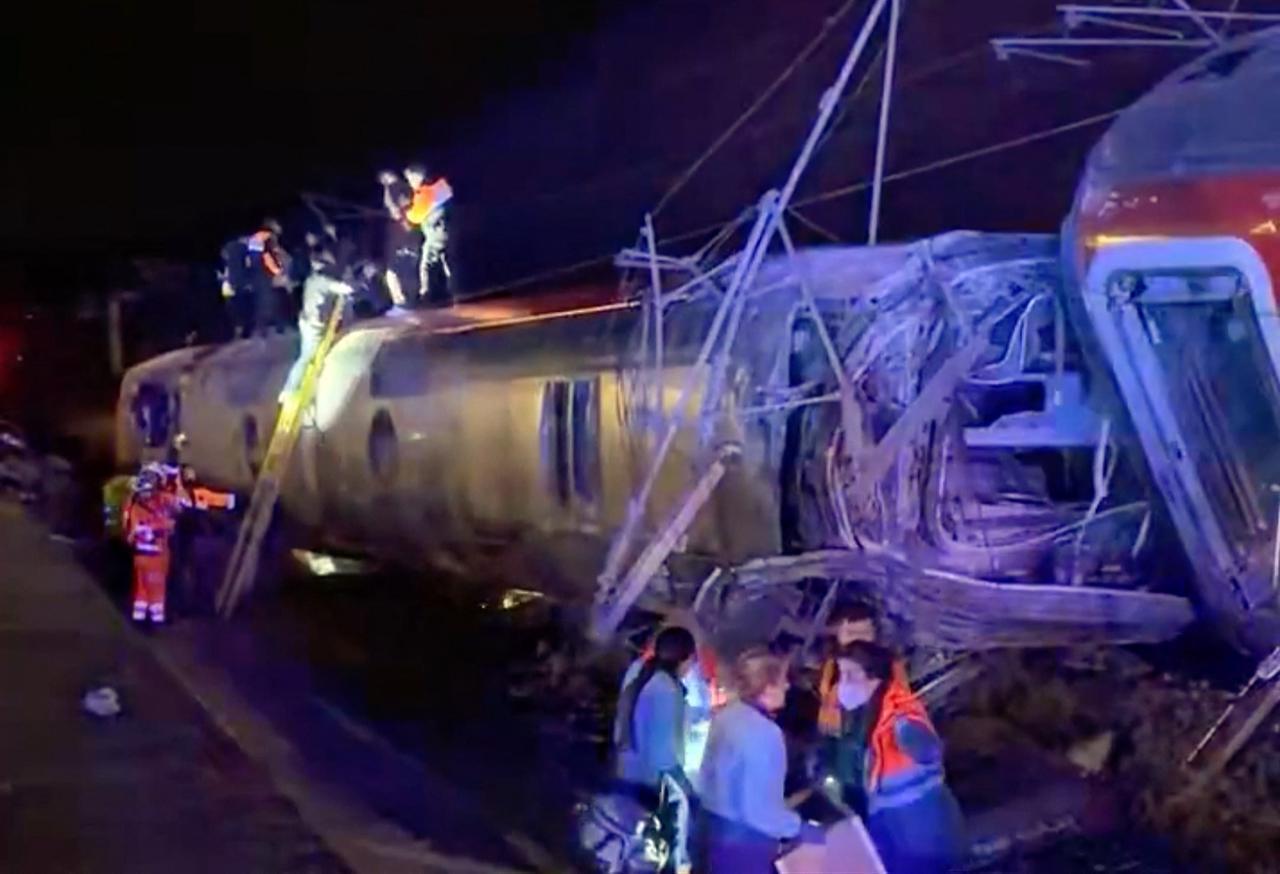
At least 39 people were killed and around 152 others injured on Sunday evening when two high-speed trains collided near Adamuz in the southern Spanish region of Andalusia, state broadcaster RTVE reported on Monday, citing police sources.
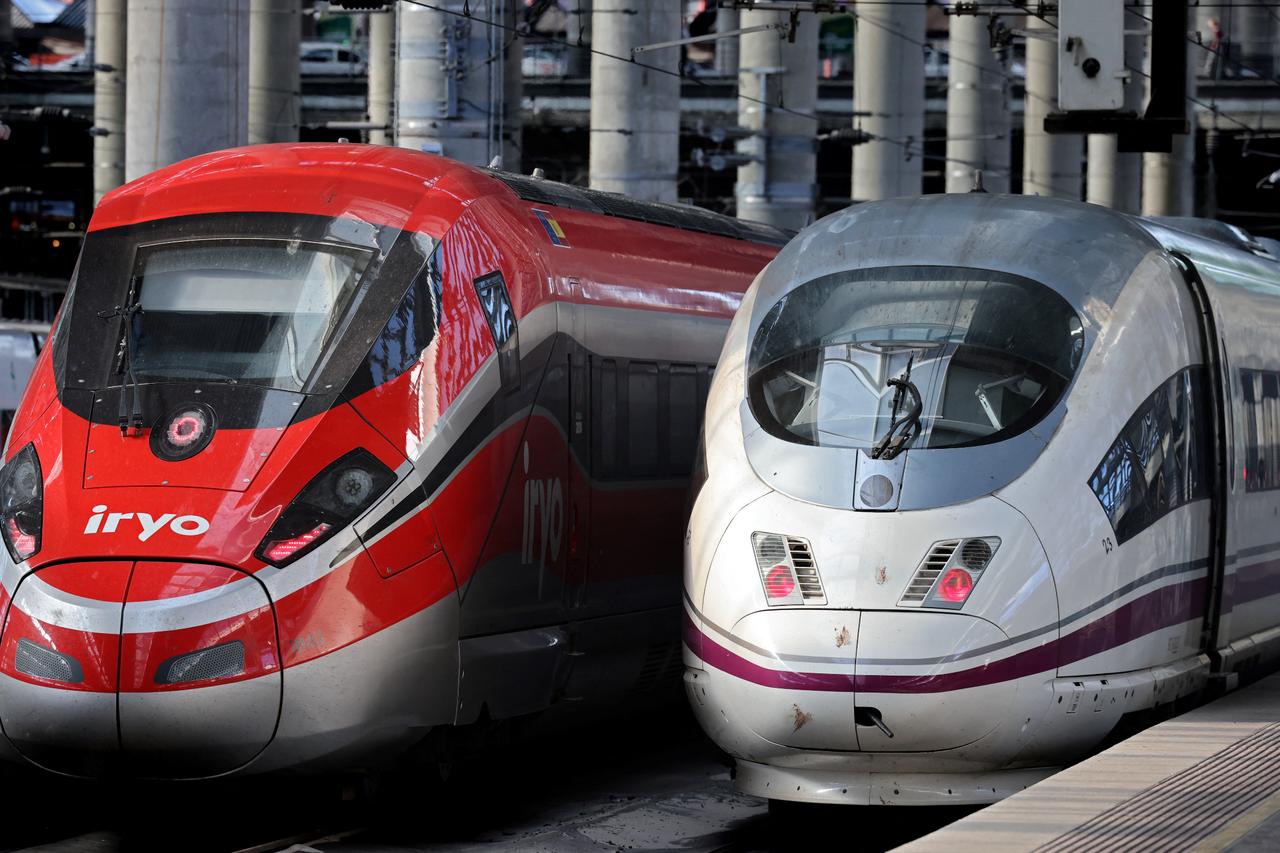
The accident, which took place around 7:40 p.m. local time (6:40 p.m. GMT), involved a Malaga–Madrid train that derailed and encroached onto an adjacent track, triggering a secondary derailment of an oncoming Madrid–Huelva service.
Spain’s rail infrastructure operator, Adif, stated the collision occurred on a straight segment of fully renovated track. Despite the section's recent upgrades and the near-new condition of the first train, the cause of the derailment remains unclear.
According to Transport Minister Oscar Puente, 30 people were transported to hospitals in serious condition. A total of around 152 individuals were injured, with at least 25 listed as critical. Many of the injured were trapped in wreckage, complicating rescue efforts.
Some train cars reportedly tumbled down a four-meter embankment, further hampering rescue work. Authorities noted the complexity of the incident and acknowledged the possibility of a rising death toll.
Adif confirmed that high-speed services between Madrid and Andalusian cities, including Cordoba, Seville, Malaga, and Huelva, would be suspended for at least all of Monday.

Following the fatal collision, Prime Minister Pedro Sanchez canceled his schedule and described the incident on X as a "night of deep pain." He added, "No words can alleviate such great suffering, but I want them to know that the whole country is by their side in this tough moment."
Spain’s Defence Ministry deployed approximately 40 members of its Military Emergency Unit and 15 vehicles to assist rescue efforts. Psychological support services were also dispatched to key stations, including Madrid’s Atocha, where families awaited news of their loved ones.
Spain operates the largest high-speed rail network in Europe, with over 3,000 kilometers (1,800 miles) of dedicated tracks connecting major cities. Sunday’s disaster was the country’s deadliest rail crash since 2013, when a high-speed train derailment near Santiago de Compostela killed 80 people and injured over 140.


 Set as preferred source
 Set as preferred source


 1 min read
 1 min read