Newsletters


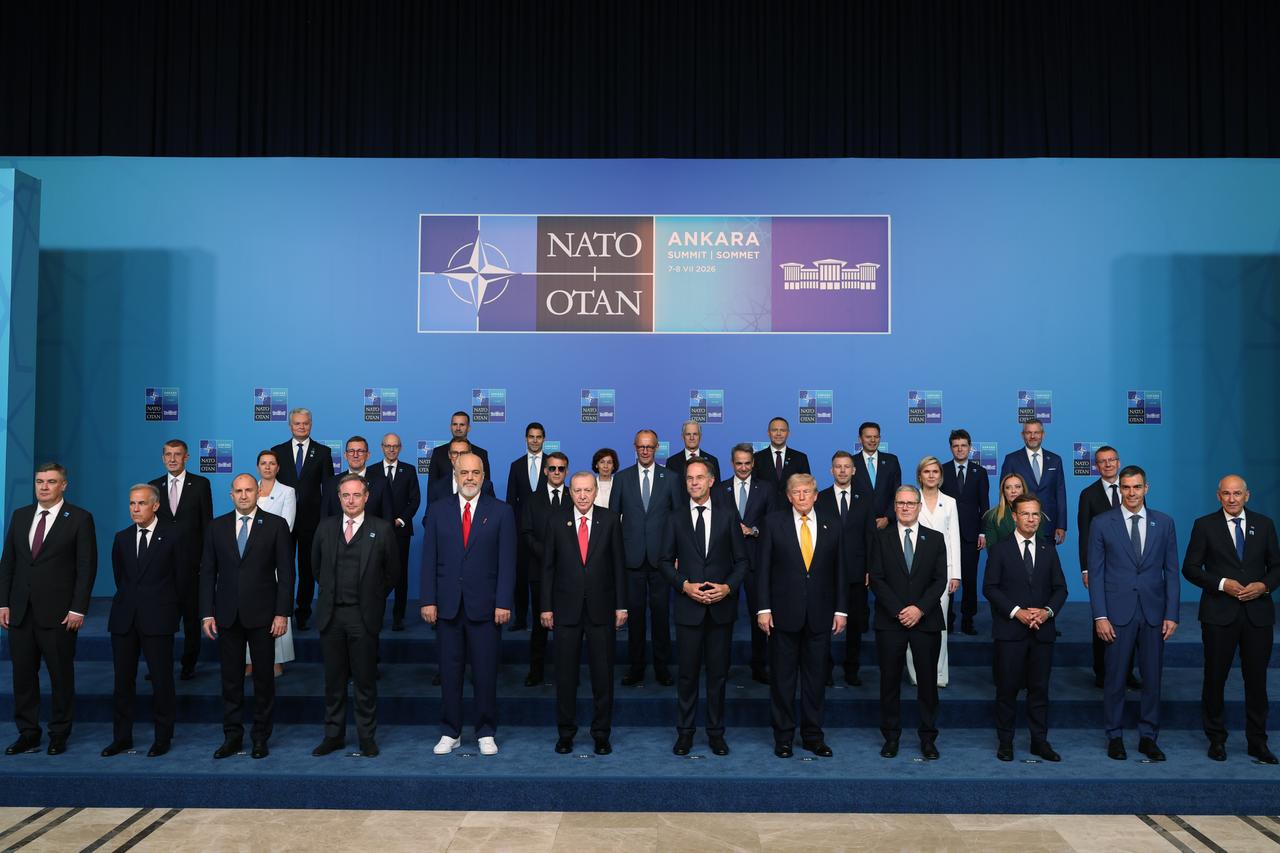


More than one-third of respondents in Türkiye believe NATO would not support the country in a potential crisis with Israel, while 40.2% expect the alliance to stand by Türkiye, according to an IstanPol survey published in July 2026.
The “Perceptions and Attitudes towards NATO” study was based on telephone interviews with 1,773 respondents conducted between June 22 and 29 across 21 provinces and 57 districts in Türkiye.
The survey used the CATI method, with quotas based on age, gender, education level, and voting preferences in the 2023 elections. It has a margin of error of plus or minus 2.3 percentage points at a 95% confidence level.
The research, supported by the Heinrich Boll Foundation Türkiye Office, examined perceptions of Türkiye’s NATO membership, the alliance’s role in national security, and the future of Türkiye-NATO relations.
Asked whether NATO would stand by Türkiye if a crisis broke out between Türkiye and Israel, 40.2% of respondents agreed, while 34.3% disagreed.
Another 12.3% neither agreed nor disagreed, while 13.1% expressed no opinion.
Expectations that NATO would support Türkiye were strongest among Justice and Development Party (AK Party) and Nationalist Movement Party (MHP) voters. Among AK Party voters, 55.8% said NATO would stand by Türkiye, compared with 26.7% who disagreed.
Among MHP voters, 54.5% expected NATO support, while 30.1% did not.
Support was lower among Republican People's Party (CHP) and pro-Kurdish Peoples' Equality and Democracy Party (DEM Party) voters. Among CHP voters, 35.8% agreed that NATO would back Türkiye, while 39.8% disagreed.
Among DEM Party voters, 37.5% expected NATO support and 42.3% did not. Among IYI Party voters, 43.5% agreed and 41.8% disagreed.
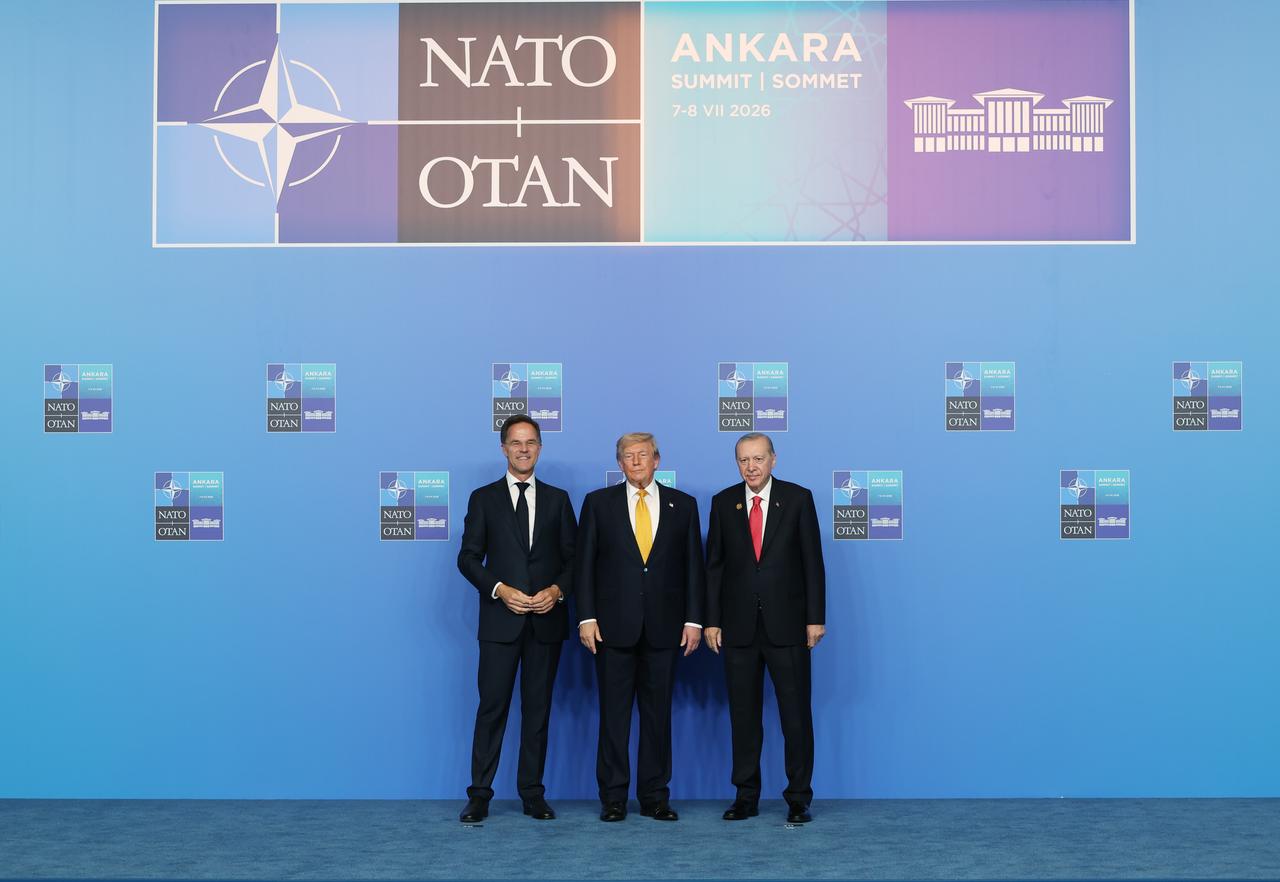

The survey found that 64.3% of respondents believe NATO membership benefits Türkiye’s security, while 16.4% said it does not.
The view that membership provides security benefits was widely shared among voters of different political parties.
A total of 51.1% agreed that NATO membership provided Türkiye with a protective shield during the war between the U.S. and Iran. Another 25.2% disagreed, 11.9% remained neutral, and 11.8% expressed no opinion.
Confidence was lower when respondents were asked whether NATO would defend Türkiye if the country came under direct attack.
A total of 43.1% said NATO would defend Türkiye, while 32.1% said it would not. Another 12.4% neither agreed nor disagreed, and 12.3% had no opinion.
Despite broad support for the security benefits of NATO membership, 41.7% of respondents said Türkiye should pursue a foreign policy independent of the alliance.
A total of 30.3% disagreed with acting independently of NATO, while 16.2% neither agreed nor disagreed and 11.8% expressed no opinion.
The report said the findings indicate that viewing NATO membership as beneficial to Türkiye’s security and supporting greater autonomy in foreign policy can coexist within society.
Support for an independent foreign policy was recorded at 55% among AK Party voters and 52.8% among MHP voters. It stood at 44.8% among CHP voters and 42.7% among DEM Party voters.
Among Good Party (IYI Party) voters, 27.6% supported acting independently of NATO, while 53.2% disagreed.
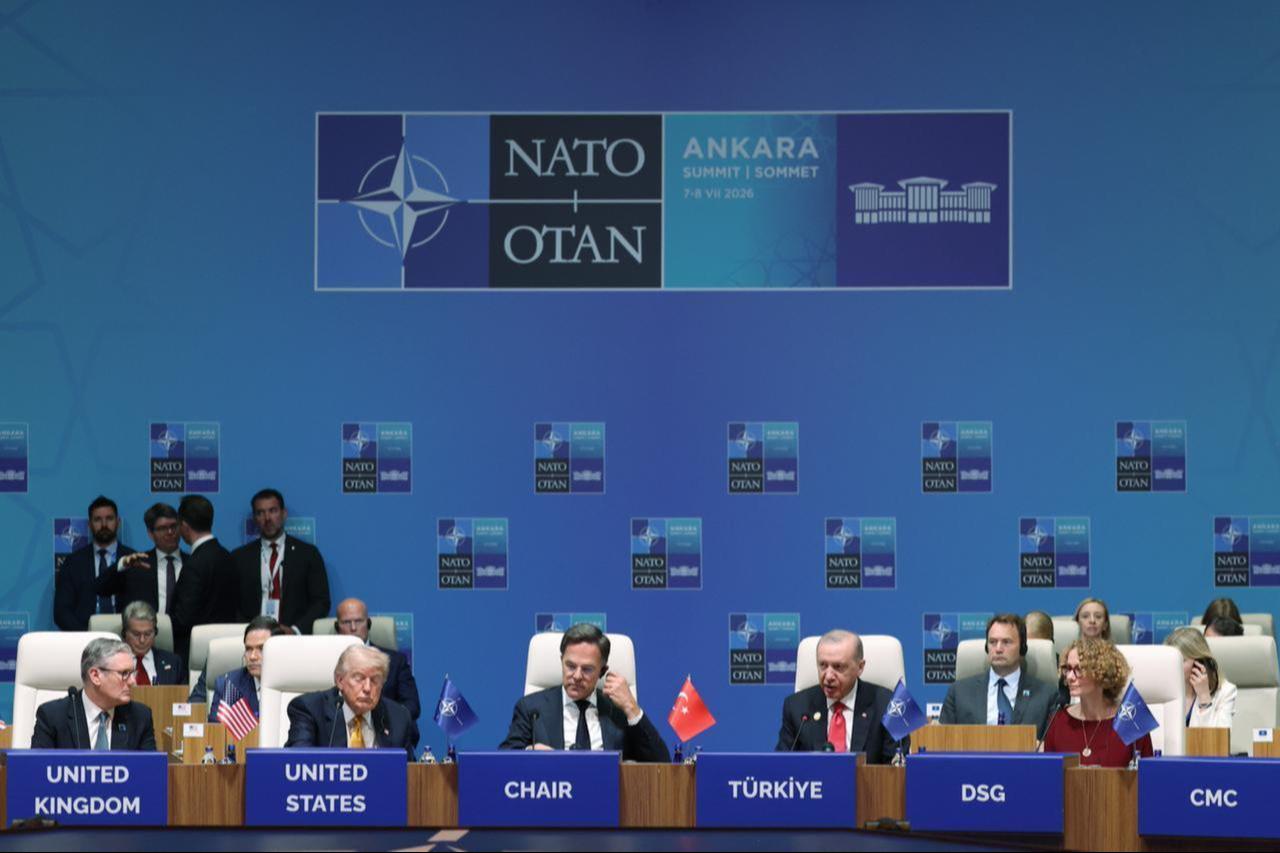
The survey found that 55.1% of respondents believe hosting the NATO Summit in Ankara increases Türkiye’s international standing.
A total of 21.5% disagreed, while 12.5% neither agreed nor disagreed and 11% expressed no opinion.
Support was particularly strong among AK Party and MHP voters. The view was backed by 66.6% of AK Party voters and 67.1% of MHP voters.
Respondents were also asked whether U.S. President Donald Trump’s participation in the NATO meeting in Ankara was a result of President Recep Tayyip Erdogan’s personal diplomacy.
A total of 40.1% agreed with that assessment, while 32.8% disagreed. Another 13.4% remained neutral, and 13.8% expressed no opinion.


 Set as preferred source
 Set as preferred source


 1 min read
 1 min read