Newsletters


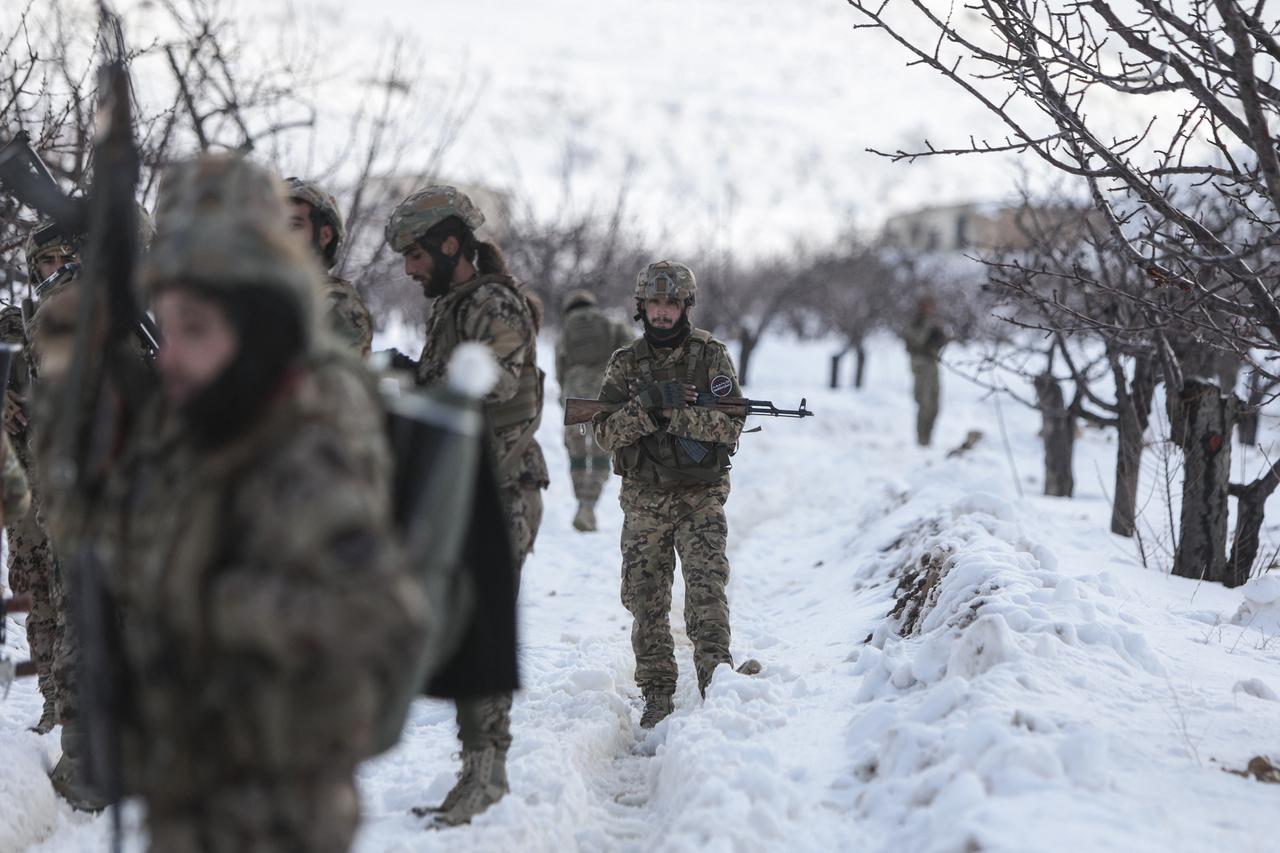


A new public opinion report examining perceptions of Türkiye’s foreign policy finds that Syria continues to be one of the most contested and multifaceted issues for the Turkish public, with opinions shaped strongly by views on security, military presence, refugees, and Kurdish participation in post-war governance.
The research titled "Changing Power Dynamics in the Middle East and Perceptions of Turkish Foreign Policy 2025" was prepared by IstanPol and draws on face-to-face surveys with 2,000 respondents across 21 provinces and 56 districts, along with in-depth group interviews in several cities.
The study explored public attitudes toward regional developments, including the aftermath of the Syrian civil war and Türkiye’s role in shaping post-conflict outcomes.
According to the report, 57.6% of participants believe that Türkiye was an effective actor in Syria's regime change process that ended the decadeslong Assad regime. The results highlighted widespread public recognition of Ankara’s regional engagement.
Around 20.3% viewed Türkiye’s influence as limited or unclear, while 22.1% said it had no impact.
These responses indicate a dominant perception among the public that Türkiye has been a significant regional actor, even as views on specific policies vary.
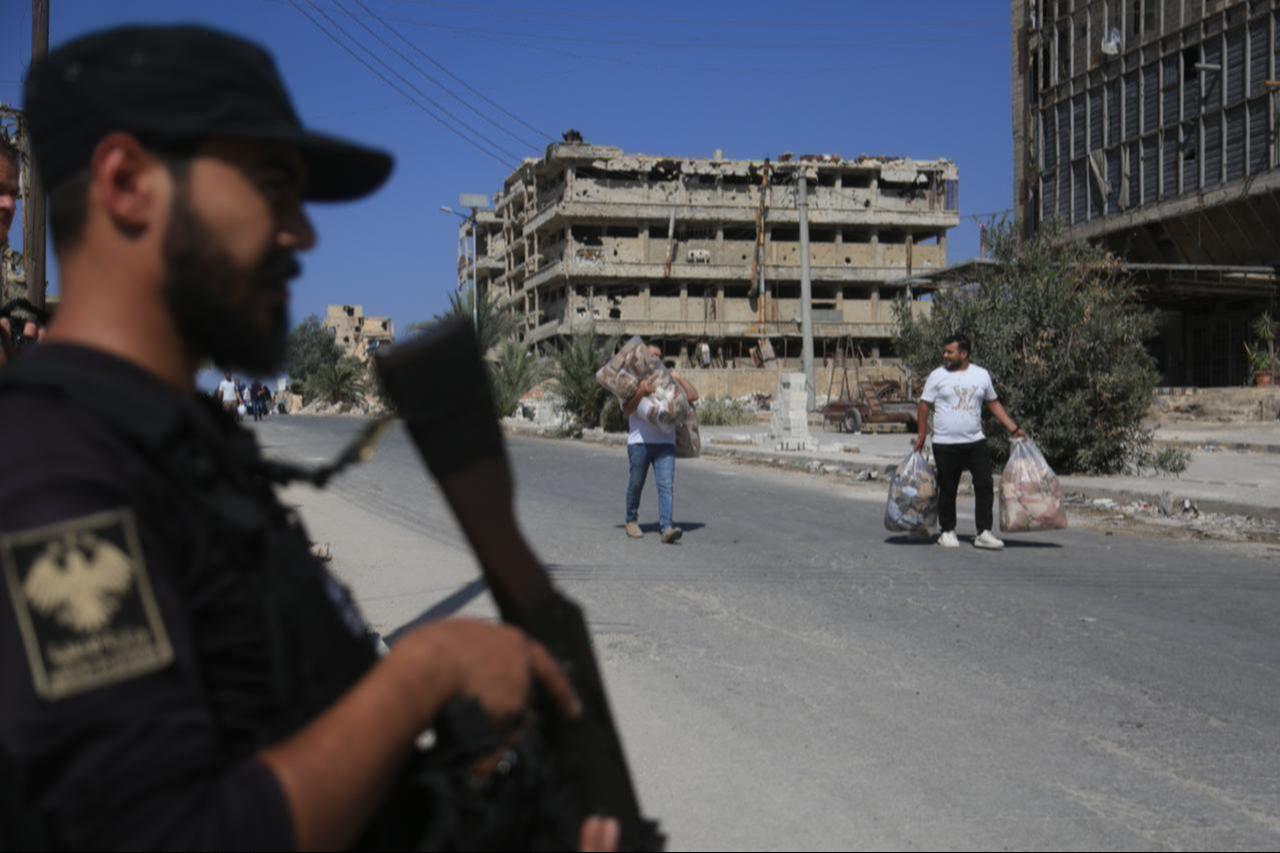

The study finds that Turkish society is almost evenly divided over whether Türkiye should continue its military presence in Syria.
Some 44.2% of respondents support maintaining troops in the country, reflecting concerns over national security and border stability, while 41.4% oppose continued military deployment, and 7.8% remain undecided.
This near-even split demonstrates how Syria policy remains a deeply contested issue within the electorate.
Public opinion also shows significant resistance to the idea of Syrian Kurdish groups playing an active role in the country’s future governance.
Only 35.8% of respondents support a future role for Syrian Kurds, while 48.7% oppose it.
The report notes that these attitudes vary notably by party affiliation: supporters of some parties are more open to Kurdish participation, whereas others see it as a security risk tied to domestic and regional stability concerns.
The research highlights that the Syrian issue for many in Türkiye is perceived through multiple dimensions; not just geopolitics but also security, border integrity, migration and economic burden.
For many respondents, these interconnected concerns shape broader views of Türkiye’s policy options, underscoring the complexity of public sentiment on the matter.
Overall, the report shows that Syria remains one of the most salient foreign policy issues for Turkish citizens, with strong opinions that do not always align neatly with official policy.
Public expectations, informed by security imperatives and normative preferences, continue to drive debate around Türkiye’s role in Syria’s reconstruction and future governance; a dynamic that could influence Ankara’s foreign policy discussions going forward.


 Set as preferred source
 Set as preferred source


 1 min read

 1 min read