

 Newsletters


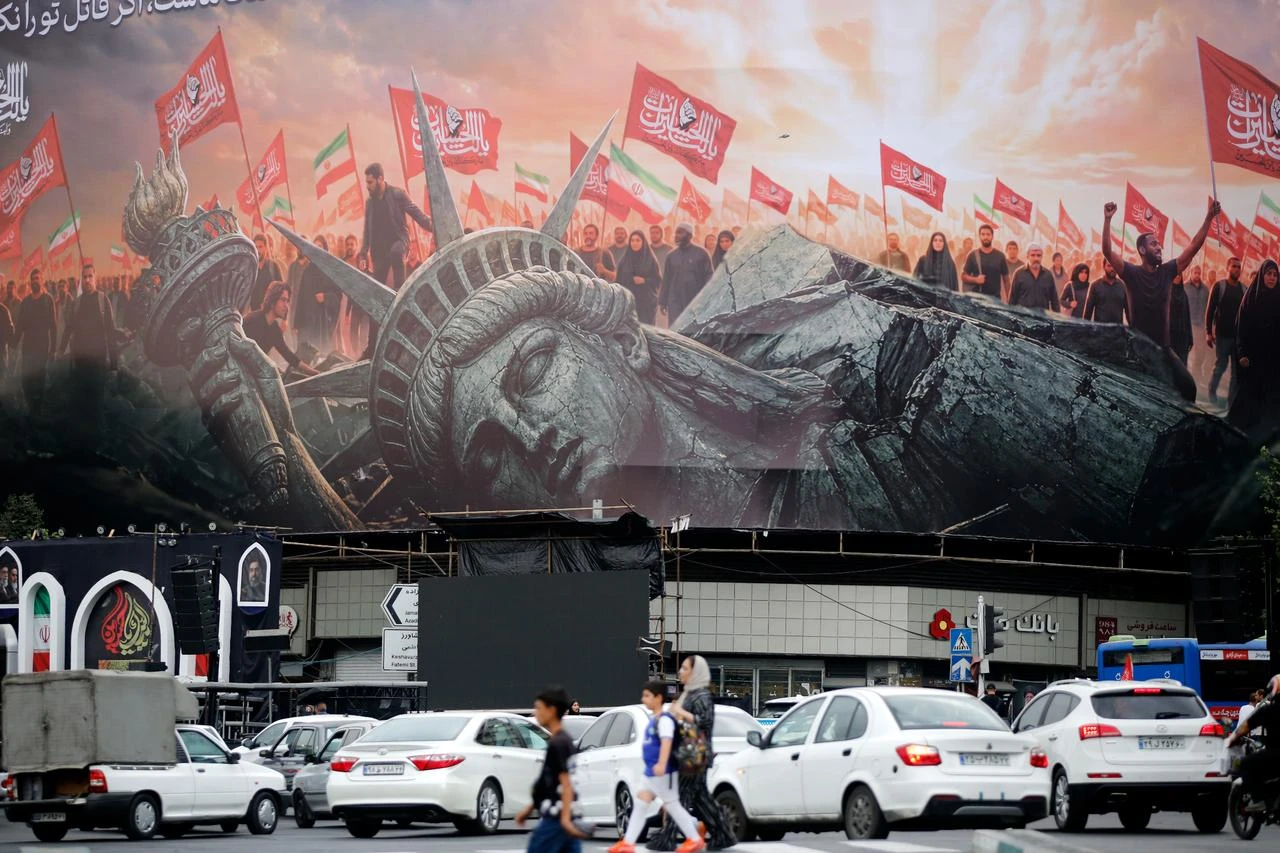


Iran's Foreign Ministry said Monday that a 60-day deadline referenced in connection with the June 18 memorandum of Understanding (MoU) between Tehran and Washington has become "entirely moot" because the United States violated the agreement before any talks under it could begin.
Ministry spokesman Esmail Baghaei addressed a wide-ranging weekly press conference covering new U.S. sanctions threats, Gulf environmental damage claims, the Strait of Hormuz, detained Iranian pilots, a denial of a secret Iran-U.S. meeting in Erbil, and a diplomatic dispute with France.
"There is no provision in the memorandum of understanding referring to a '60-day deadline,' and the Islamic Republic of Iran never formulates its policies under pressure, ultimatums or time limits," Baghaei said.
He said the memorandum had envisaged a 60-day period for talks on two issues, "the lifting of sanctions" and "the nuclear issue," which could have been extended if no agreement was reached within that window.
"Due to the gross and widespread violation of the June 18 memorandum by the United States just a few weeks after it was signed, no talks were initiated," Baghaei said.
"As a result, the issue of a 60-day deadline became entirely moot," he noted.
He added that Iran's armed forces "are watching every movement with open eyes and full vigilance," and said strengthening relations with various countries remains part of the Foreign Ministry's ongoing work.
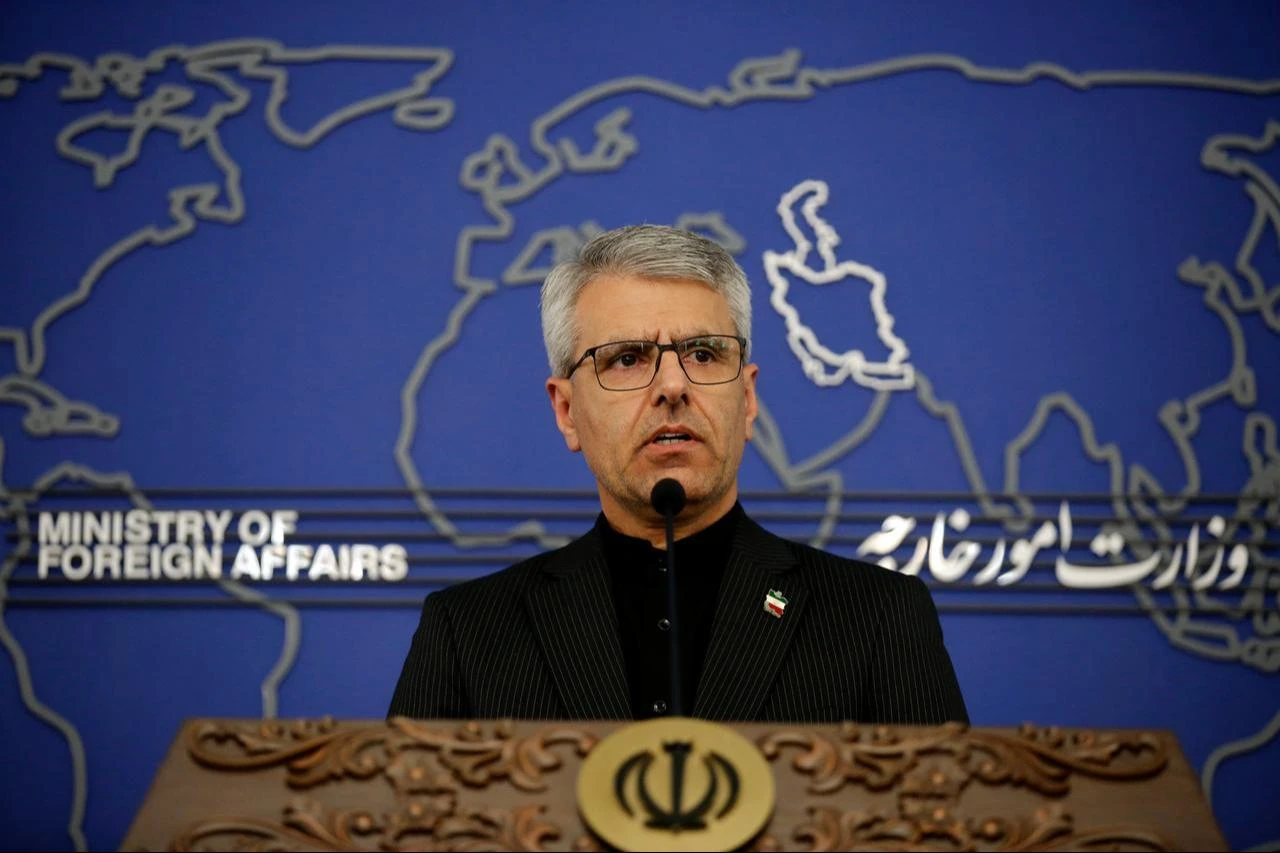

Asked about the Trump administration's announced plans for what it has called unprecedented new sanctions on Iran, including a reported land blockade, Baghaei said the measures "have no effect on Iran's position."
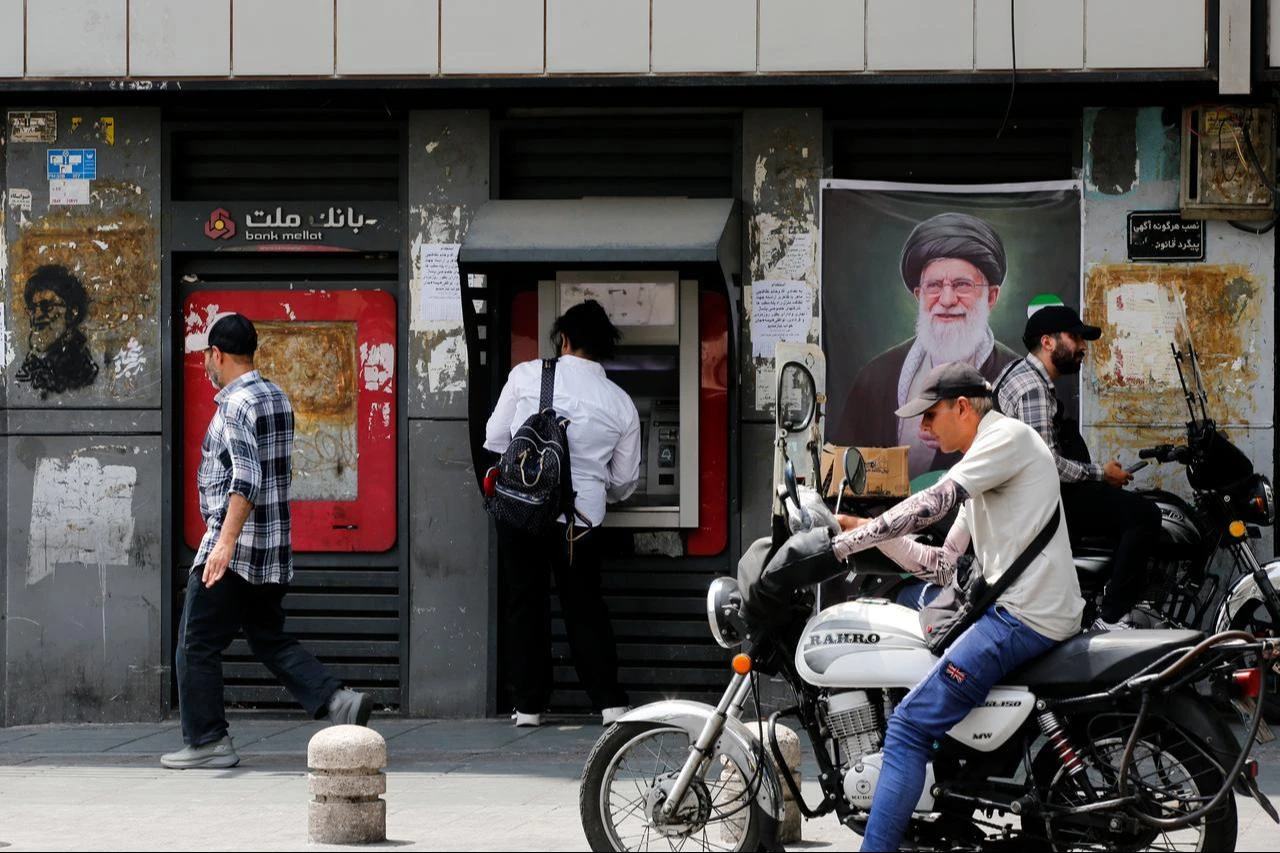
He accused Washington of being trapped in a "vicious cycle of war, discrimination, pressure and sanctions" dating to the 1953 coup in Iran.
Baghaei said previous U.S. campaigns, including "crippling sanctions" under Democratic administrations and the "maximum pressure" campaign during Trump's first term, had failed.
"They cut off medicines for our people and tried every possible means of putting pressure on Iran," he said, adding that Washington ultimately "resorted to an illegal military aggression" whose consequences it is still paying for.
"From now on as well, rest assured that such methods, methods that have been tried before and produced no results, are not going to produce a different outcome," he said.
Baghaei said Iran has long prepared for various scenarios in which the U.S. might continue what he called its "wrongdoing" against Iran, and that Tehran "will definitely use all of its tools to confront the new circumstances."
Baghaei said the U.S. and Israeli military campaign against Iran "is a war based on false claims," and that the two countries, now "trapped in a quagmire of their own making," have been forced to continually shift their stated objectives to justify their failures.
He said the resulting insecurity in the region and disruption to the Strait of Hormuz are direct results of that campaign.
"The best path for the United States is to acknowledge its miscalculation and withdraw from this consequential situation as quickly as possible," he said, "though it seems unlikely that American decision-makers possess such courage."
Baghaei said decades of U.S. military presence and recent attacks by the U.S. and Israel have caused environmental damage in the Persian Gulf and Gulf of Oman amounting to trillions of dollars.
"The damage inflicted on the environment of the Persian Gulf and the Gulf of Oman is not limited to the past six months or one year," he said.
"Rather, our region has faced the military presence of the United States and its allies continuously over the past five decades. This continued presence, accompanied by the deployment of the most advanced weapons, numerous military exercises and the imposition of various wars on the region, has caused enormous environmental damage amounting to trillions of dollars," the Iranian official added.
He said the damage intensified over the past two years due to U.S. and Israeli attacks on facilities along the Persian Gulf coast, and due to the ongoing U.S. military presence itself, and said Iran "will certainly pursue these matters."
He said such damage is not confined to Iran but affects all countries bordering the Persian Gulf and Gulf of Oman "and beyond," calling it "the shared responsibility of all countries" to hold the U.S. and other parties accountable.
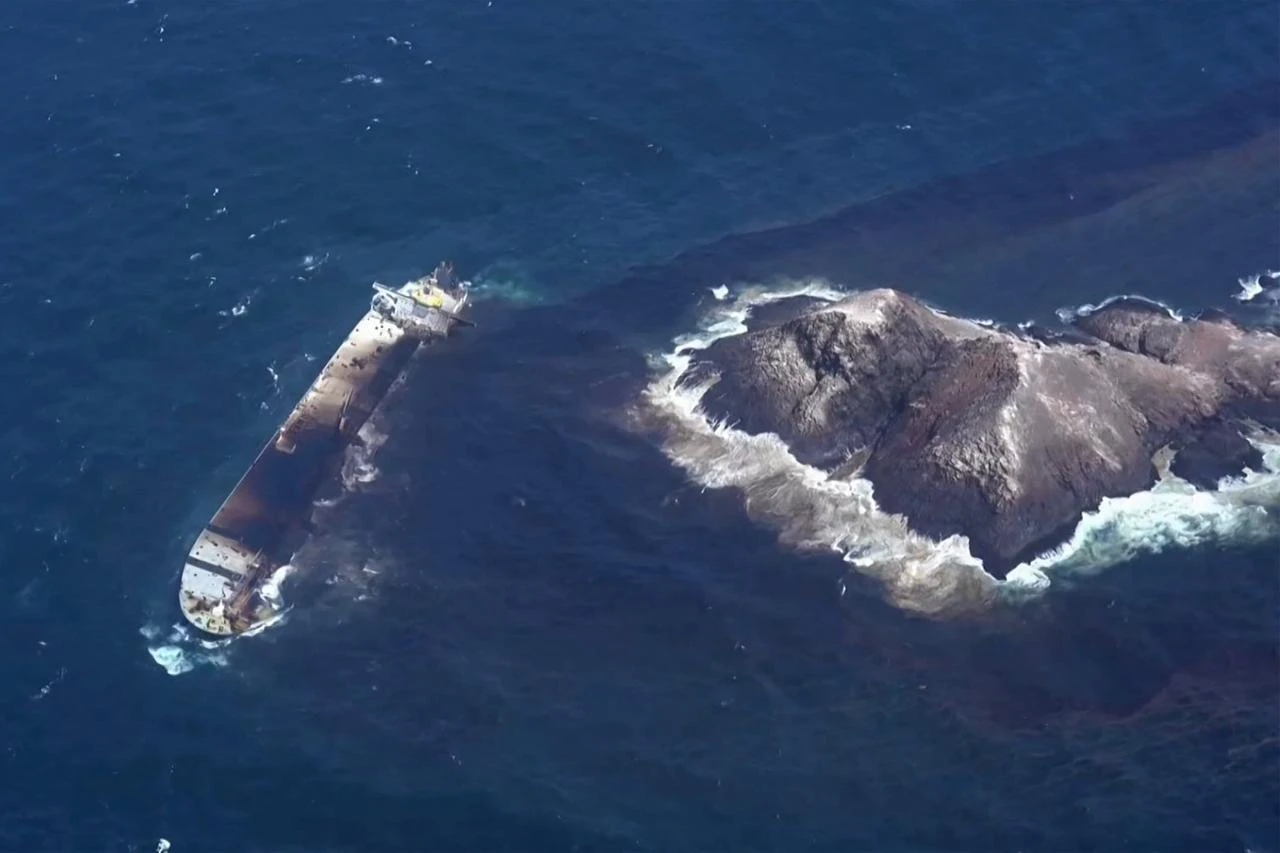
Separately, Iran called last week for compensation after an oil slick in the Strait of Hormuz reached the island of Qeshm, affecting beaches and an environmentally sensitive mangrove forest. At the time, Baghaei cited preliminary evidence identifying "a foreign bulk carrier" as the source of the spill, which Iranian officials later said had been "completely cleaned up."
Separately, Omani state media reported that an oil slick from a tanker that ran aground off Oman had reached the coastline.
An Agence France-Presse (AFP) investigation previously found the vessel had been stranded for weeks near Oman's Al-Qibliyyah island after being damaged by explosions.
Asked whether European countries were now mediating between Tehran and Washington, Baghaei said Pakistan remains the mediator on Iran-U.S. matters, with Qatar also making efforts.
"It is also entirely natural for some European countries to express their views and indicate their readiness in bilateral contacts to offer their 'good offices,'" he said, adding that "But this does not mean that a new mediator has emerged or been accepted in the course of Iran-U.S. relations."
"Essentially, the main challenge between Iran and the US is not a matter of mediation," Baghaei said.
"Rather, it stems from the outlook, miscalculations and insistence of the U.S. administration on methods and approaches whose failure has been demonstrated hundreds of times," adding that Washington's insistence on repeating failed approaches "will certainly not achieve a different result from before."
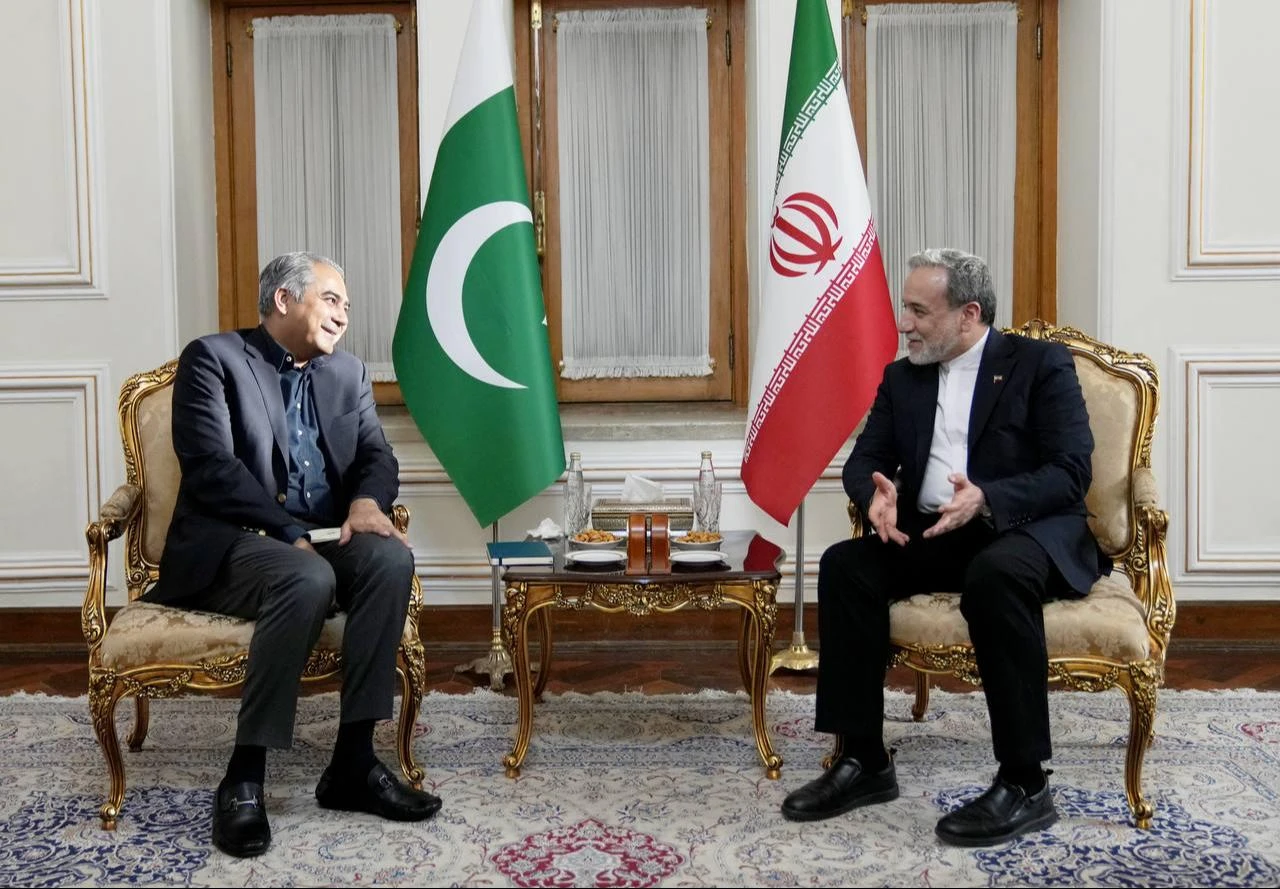
Baghaei said talks with Oman on a maritime transit route through the Strait of Hormuz are continuing, describing the process as inherently complex.
Clarifying earlier remarks, he said: "I did not say roadmap; I said map, the map of the transit route. Regarding the transit route map, an understanding has been reached, but we are to finalize the understanding within a single final package: the map plus a joint statement."
He cited three reasons for the process taking time:
He said, "the efforts of certain ill-intentioned parties who have shown that they never value peace and security in the region" and who prefer the region to remain in "conflict and turmoil."
"Drawing up the maritime transit route plan with Oman has been time-consuming due to security complexities arising from the actions of the US and the Israeli regime, the number of actors involved and obstruction by disruptive elements," Baghaei said.
"The insecurity imposed on the Strait of Hormuz, the region and the world has resulted from the illegal military action by the United States and the Israeli regime," the Iranian official noted.
He said the proposed mechanism marks "the first time that a mechanism is being developed to simultaneously safeguard the sovereign rights of the two littoral states and ensure the safe passage of commercial vessels."
He added that "despite previous U.S. reneging on its commitments, intensive talks between Iran and Oman to finalize a joint statement and establish a secure mechanism that safeguards mutual interests are continuing in earnest."
Baghaei said existing Iranian legislation already covers the country's "sovereign rights" in the Persian Gulf, the Strait of Hormuz and the Gulf of Oman, and that the Foreign Ministry would continue cooperating with parliament on related legislation.
"The Foreign Ministry has always taken into account both the current laws and developments on the ground," he said.
"The position of Parliament is clear and explicit under the Constitution, and the Foreign Ministry considers itself obliged to cooperate with Parliament as necessary throughout all legislative processes," Baghaei noted.
He said the ministry had already provided expert views on a related bill and would do so again if requested.
Asked about reports that the ministry had sent a letter asking parliament to shelve a proposed strategic action plan on Hormuz and Gulf security, Baghaei said, "No such letter was sent by the Foreign Ministry. We respect the decisions and processes that begin, continue and are discussed within the honorable Islamic Consultative Assembly."
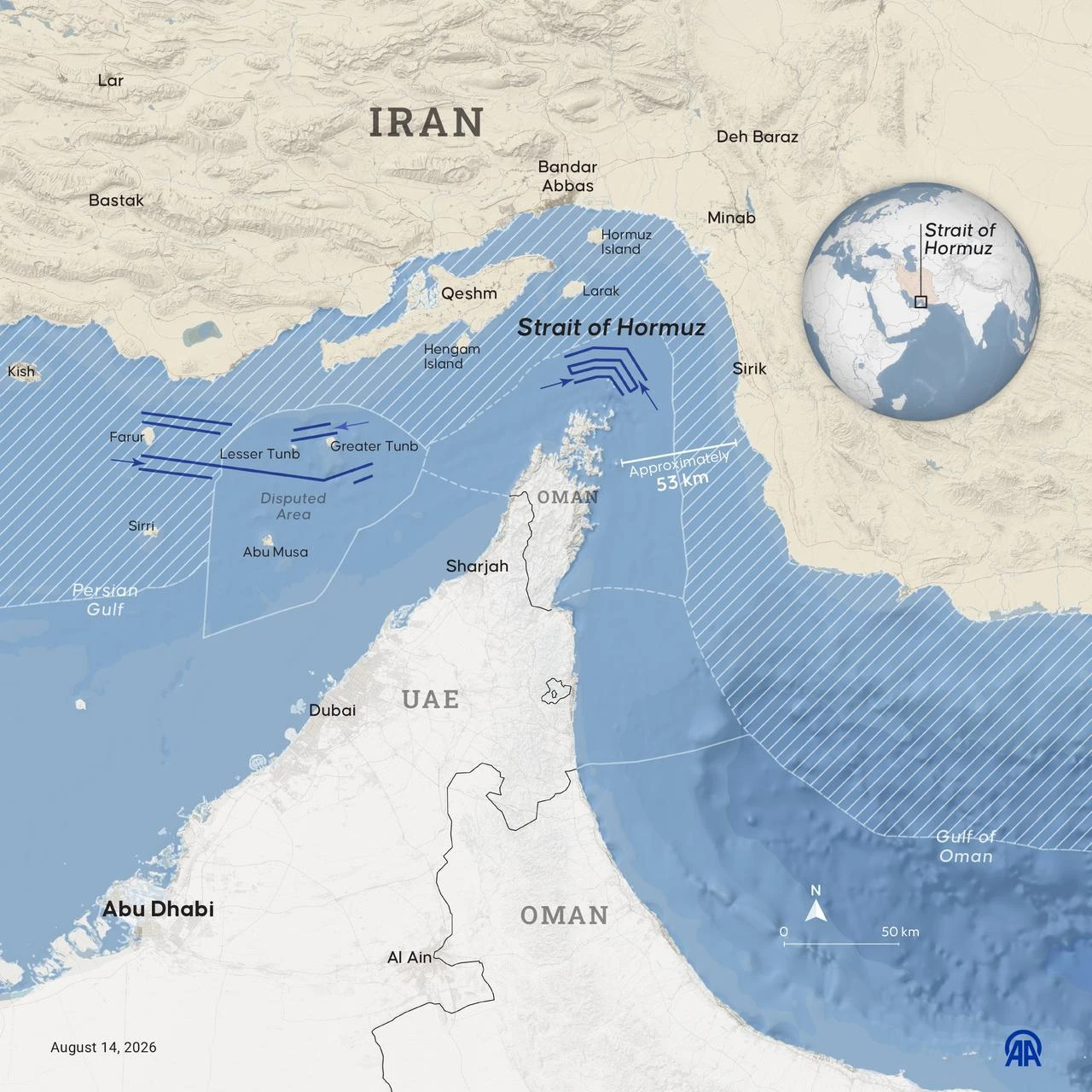
Asked about a claim by Axios of informal contact between Washington and Iran's Islamic Revolutionary Guard Corps (IRGC) through Iraq’s Kurdish Regional Government (KRG), intended to confirm the armed forces' support for the negotiating process, and about reports of a confidential Iran-U.S. meeting in Erbil, Baghaei said, "The news report of a secret meeting between Iran and the United States in Erbil is completely fabricated."
"The report mentioned is one of the media tactics and psychological operations aimed at creating discord among the decision-making bodies of the Islamic Republic of Iran, and do not doubt that such behaviors are carried out out of desperation," he said.
He said the past six months had shown "unprecedented" cohesion among Iran's decision-making bodies on matters of war and peace, and that Iran's negotiating delegation "enjoys the complete trust of all pillars of the state, including the country's defense sectors."
Asked about diplomatic tension with Qatar over the fate of Iranian pilots whose aircraft was shot down in the war's opening days, and about the roughly six-month gap before Iran's first correspondence with the Red Cross on the matter, Baghaei said pursuing the pilots' status does not conflict with Iran's relationship with Qatar.
"Our pursuit of this matter is not at odds with our relationship with Qatar," he said.
"Even as we maintain regular, ongoing exchanges, and even as the Qataris play a role in matters related to the process launched with the United States, we must also certainly state our own concerns and considerations," the Iranian spokesperson added.
"Regarding the four brave pilots of the army of the Islamic Republic of Iran, who set out in those very first days, on March 1, 2026, on a defensive operation to target the origin and source of America's military aggression against the Islamic Republic of Iran, the demand to clarify their status is a serious demand," Baghaei said.
He said follow-up began immediately: "I happened to be beside Dr. Araghchi when he learned of the incident, that very evening in the first days of the war, and immediately, pursuing the fate of the brave pilots was placed on our agenda. On the 25th or 26th of Esfand, the Foreign Ministry made its first correspondence with the Red Cross," alongside parallel efforts by Iran's embassy in Doha and through Qatar's embassy in Tehran.
"As long as their status has not been clarified, the presumption is that they have been taken captive," Baghaei said, adding, "Therefore we will use all our bilateral, multilateral capacities and our rights to clarify the status of our pilots."
He said Iran sends its respects "to the pure soul of the pilot whose body was returned to the homeland," indicating one of the four is confirmed dead.
Asked about the dispute with France over two embassy staff members Iran's Intelligence Ministry accused of illegal activity, and about France's public response, Baghaei said Iran expected a different reaction from Paris.
"What matters to us, regardless of the private character of individuals, is the position that is issued in the name of a government, and this position is in no way acceptable," he said.
"It was expected that the relevant French officials would react rationally and apologize for the fact that their two embassy employees, who themselves stated they were embassy agents, without using the term diplomat, by their own admission were engaged in assisting Iranian civil society," Baghaei said.
He argued that framing itself amounted to an admission that the Vienna Convention on diplomatic relations had been violated, since such activity by embassy personnel "is not conventional in diplomatic law."
Baghaei said France's ambassador was summoned from the outset and a formal protest lodged, that the two individuals involved left Iran, and that Iran has officially announced they will not be permitted to return.
"Therefore, what was the Foreign Ministry's responsibility has been carried out," he said, adding that other Iranian bodies, including the Intelligence Ministry, are free to state their own views and concerns as they see fit.
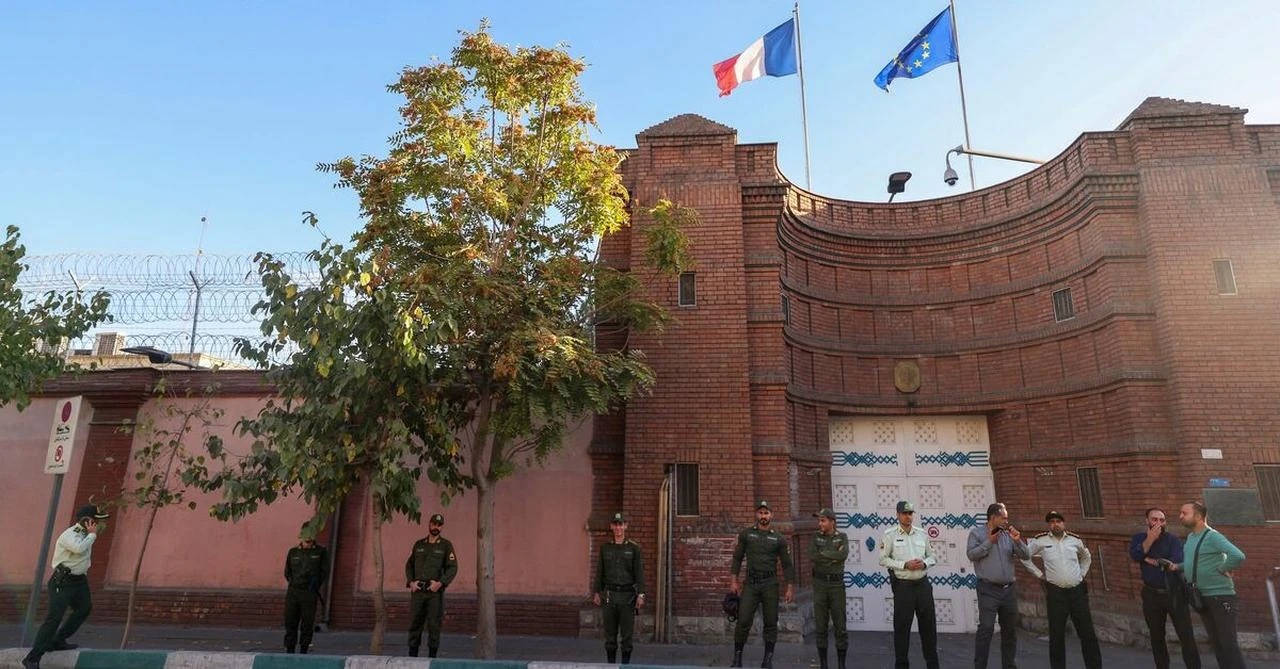
Baghaei said Pakistan's interior minister traveled to Tehran at the invitation of his Iranian counterpart, discussing bilateral matters and regional developments.
"Pakistan is trying to make use of its capacities to play a mediating role," he said.
"To say there was a special or particular message would not be accurate; rather, this visit took place as a continuation of Pakistan's role as a mediator," the Iranian official noted.
He said Iran-U.S. negotiations are important to Pakistan because it played a key role in shaping the Islamabad memorandum.
"We are truly sorry that, for the umpteenth time, America's breach of commitments and violation of obligations has damaged the institution of mediation, something that happened previously with regard to Oman, and which we are now witnessing again with regard to Pakistan," Baghaei said.


 Set as preferred source
 Set as preferred source


 2 min read
 1 min read



