Newsletters


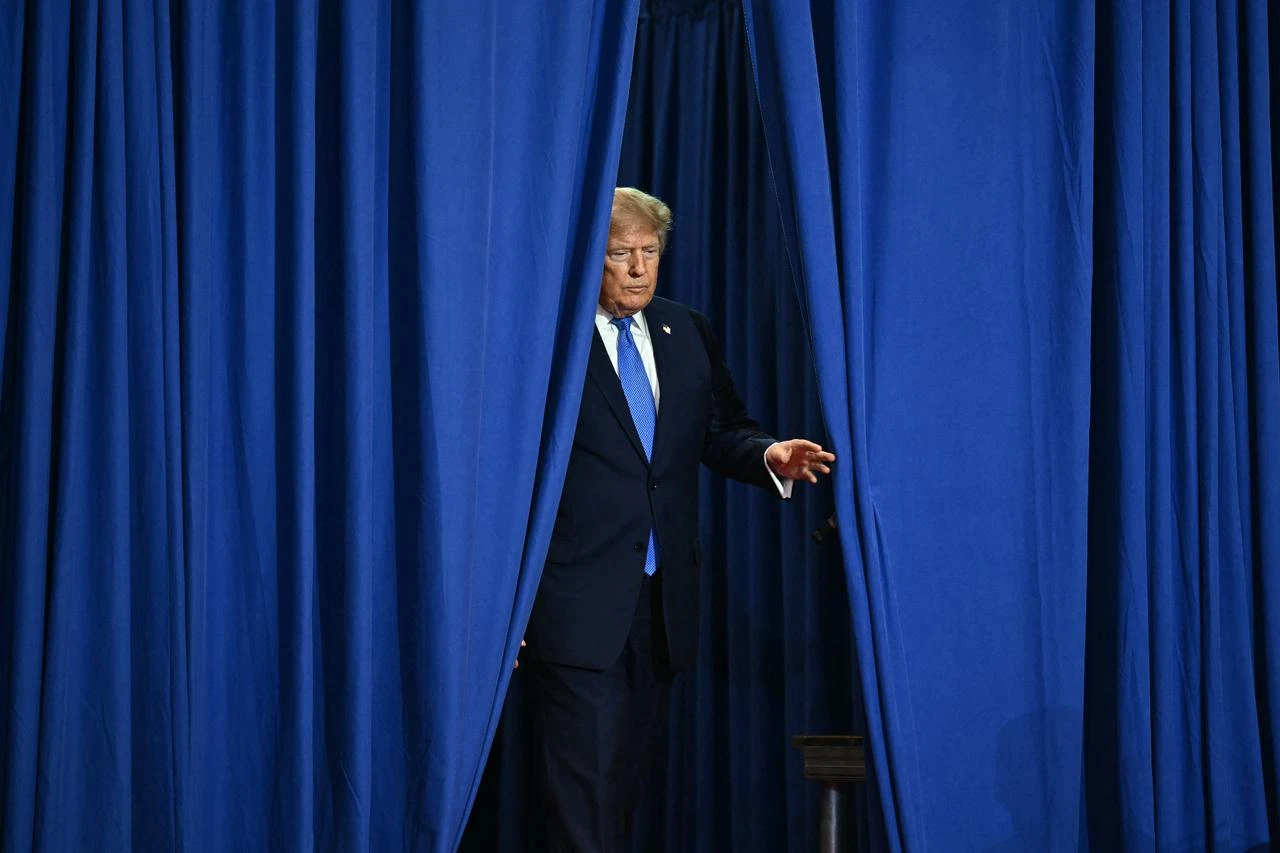


The Trump administration used Nechirvan Barzani, leader of Iraq’s Kurdish Regional Government (KRG), as a secret backchannel to Iran's Islamic Revolutionary Guard Corps (IRGC) in May, after U.S. negotiators questioned whether Iranian officials at the table actually spoke for the IRGC, Axios reported, citing three sources with direct knowledge.
After an April 8 ceasefire and a summit in Islamabad days later, the U.S. and Iran attempted to negotiate an end to the war.
In early May, the White House felt it was closing in on a deal, but Iran delayed its response for more than 10 days. White House negotiators began to suspect that Iranian negotiators, Parliament Speaker Mohammad Bagher Ghalibaf and Foreign Minister Abbas Araghchi, were not empowered to finalize a deal and were being overruled by the IRGC.
The White House realized it needed a direct line to IRGC leadership, according to Axios.
Around May 10, then-Director of National Intelligence Tulsi Gabbard called Barzani.
According to two sources with direct knowledge of the call, Gabbard told Barzani the administration believed he could help establish contact with IRGC commander Gen. Ahmad Vahidi.
Barzani lived in Iran during the Iran-Iraq war and studied at the University of Tehran.
He is fluent in Farsi and has personal relationships with many senior members of the Iranian regime, including top IRGC officials, one of the sources told Axios.
"Nechirvan Barzani is a pragmatic problem solver. He's respected across the region. He knows nearly everyone in Tehran as well as Washington. That's who you call in a pinch," Brett McGurk, who has served as a Middle East adviser to four U.S. presidents, told Axios.
The source said Gabbard made clear to Barzani she was making the call with the approval of U.S. President Donald Trump and Vice President JD Vance.
Gabbard told Barzani the White House wanted to know whether Vahidi and IRGC leadership were on board with what Ghalibaf and Araghchi had been negotiating or whether they had other demands, noting that the U.S. mediators had been unable to reach Vahidi directly to clarify that, the source said.
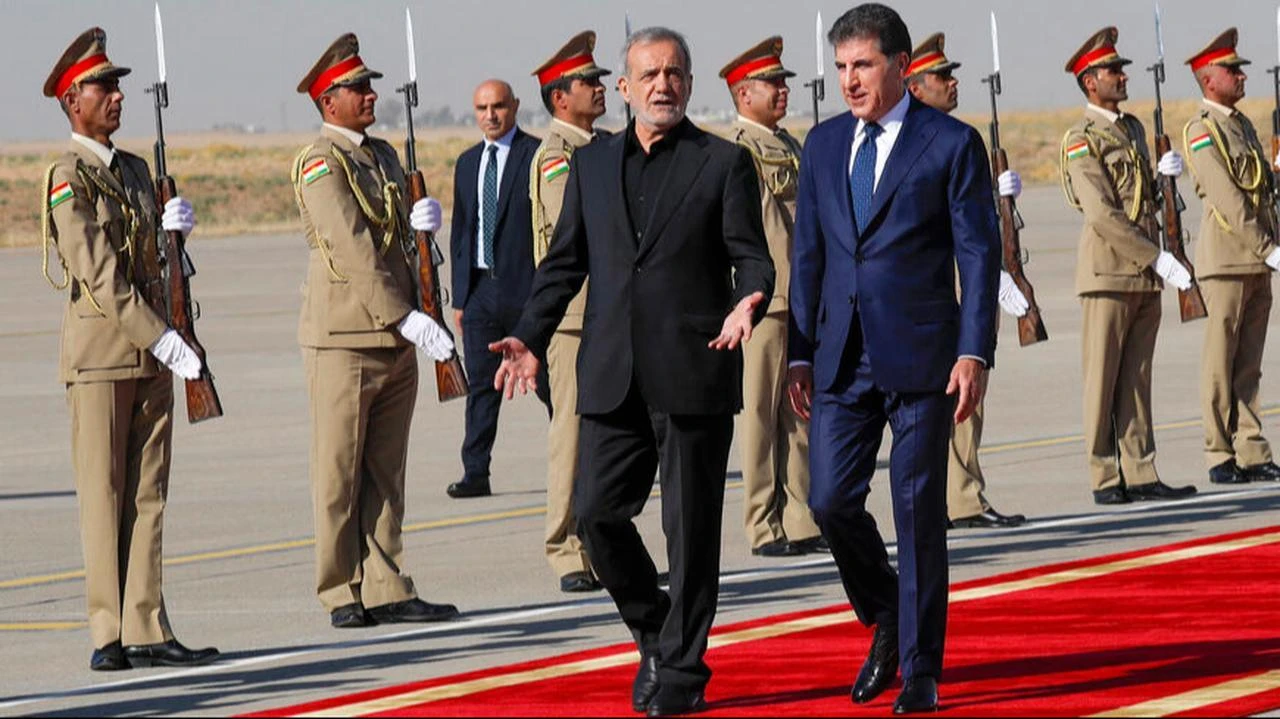

Barzani agreed to Gabbard's request and reached out to his IRGC contacts, telling them he had a message from the Trump administration.
"But I want to talk directly to Gen. Vahidi," Barzani stressed, according to one of the sources.
The Iranians agreed. On May 14, an IRGC official arrived at Barzani's office in Erbil, carrying an encrypted phone to conduct a secure call.
Barzani asked Vahidi whether he was aligned with the Iranian negotiators.
The Iranian general said he was.
"I fully support them, and this is also the position of the IRGC. We prefer to solve this crisis through negotiations," Vahidi said, according to a source with direct knowledge cited by Axios.
Three sources, including a White House official, told Axios that Barzani called Gabbard immediately after his conversation with Vahidi and briefed her on the Iranian response. Gabbard then briefed the White House.
After receiving the Iranian response, the Trump administration returned with another proposal.
Washington wanted Barzani to host secret talks between senior U.S. and Iranian negotiators in Erbil, according to Axios. Barzani relayed the message to the Iranians again. The Iranians did not rule it out but were concerned about their security, a source told Axios. They believed Israeli intelligence had significant assets in the KRG and feared Israel would try to assassinate them in Erbil or while traveling to or from the city.
The proposed Erbil meeting never took place.
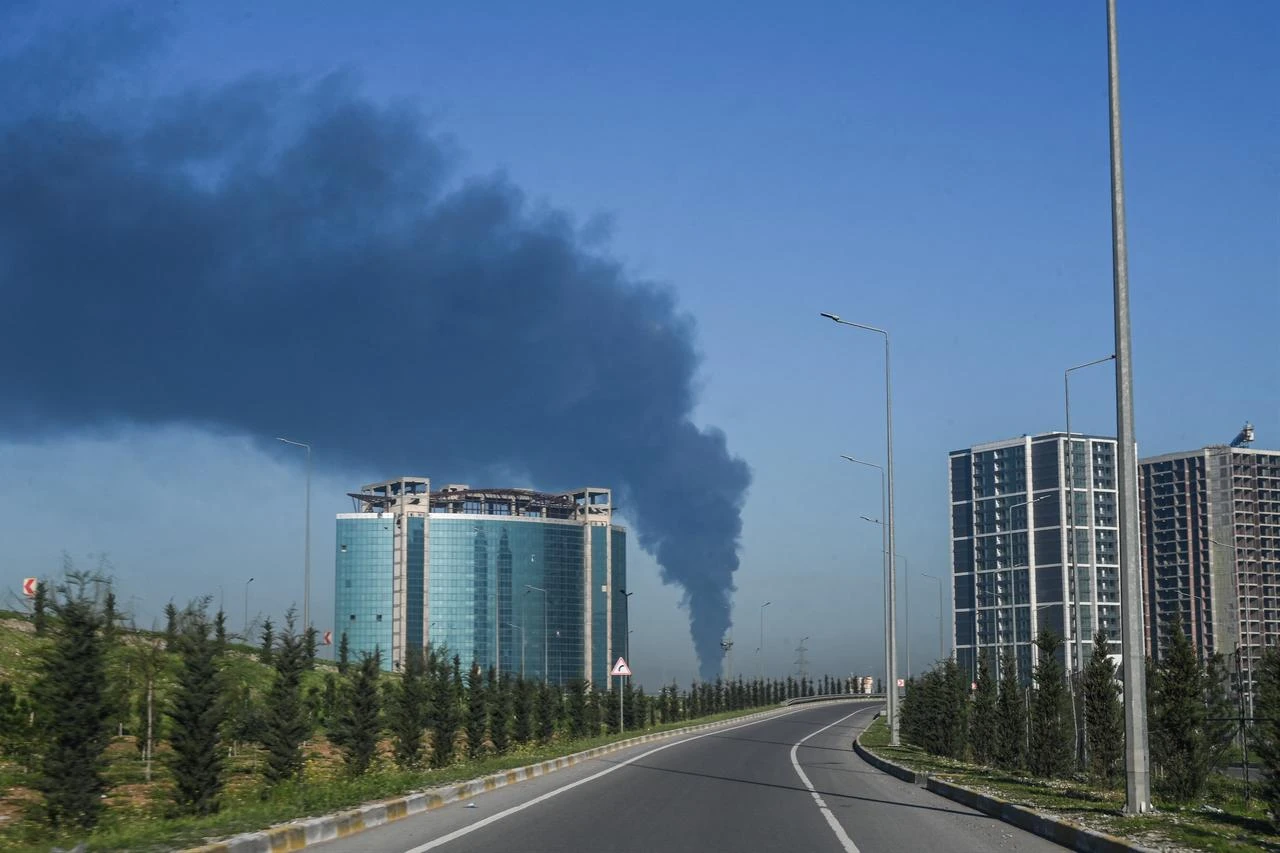
Pakistani and Qatari mediators continue to exchange messages between the U.S. and Iran, but without significant progress, according to regional sources with knowledge of the matter cited by Axios.
Some of those sources believe Pakistani mediators are giving more optimistic readouts than the talks justify, in an effort to create a sense of momentum that could break the stalemate.
Barzani has recently sent messages to the White House offering to help restart U.S.-Iran negotiations, according to a source with knowledge of the matter cited by Axios.
McGurk said the identity of the mediator is not the core obstacle.
"It's Iran's policy on the Strait," he told Axios, "and that's unlikely to change anytime soon."
The war upended Iran's leadership structure.
The assassination of Supreme Leader Ali Khamenei and other senior political leaders, along with the 40 days of fighting that followed, dramatically strengthened the IRGC's grip on the levers of power, including national security and foreign policy decision-making.
Uncertainty surrounding new Supreme Leader Mojtaba Khamenei's condition during the first weeks of the war, and his absence from public view, further strengthened IRGC commanders.
Gen. Ahmad Vahidi, the IRGC's current commander, was appointed after his two immediate predecessors were killed.
Influential within the Revolutionary Guards for years, Vahidi fought in the Iran-Iraq war, led the Quds Force, served as Iran's defense minister, and helped suppress internal dissent.
The U.S. and Iran did eventually reach a Memorandum of Understanding (MoU), but it quickly collapsed.


 Set as preferred source
 Set as preferred source


 2 min read
 1 min read