Newsletters




On Dec. 8, 1953, Dwight Eisenhower stood before the U.N. General Assembly and did something American presidents rarely do: he admitted he was uncomfortable with the vocabulary he was about to use. The speech was "Atoms for Peace," and the program it launched went on to seed reactors across the world—including the first ones built in Israel and Pakistan, put up by a company better known for manufacturing bowling equipment. Splitting the atom for civilian use was supposed to be the tame half of the bargain: reactors, not warheads.
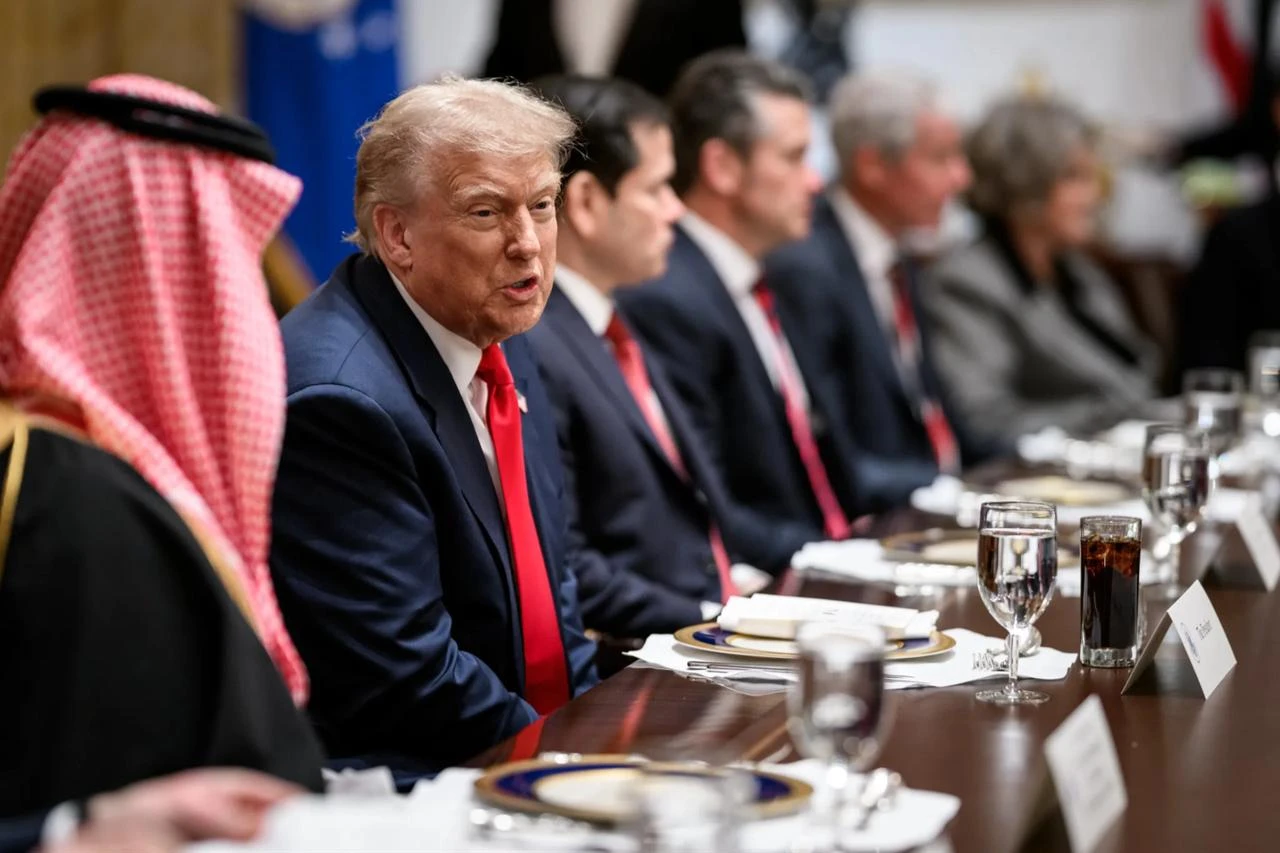
Seventy-three years later, that bargain has come apart. On July 22, 2026, U.S. Energy Secretary Chris Wright and Saudi Minister of Energy Abdulaziz bin Salman signed a 30-year civil nuclear cooperation agreement that, by most reporting, clears a path for Saudi Arabia to enrich its own uranium on its own soil. Washington spent two decades refusing Tehran exactly that; today, it handed that same leverage to Riyadh and called it a partnership.
Yet examining the true framework of this deal reveals why alarm bells are ringing over the erosion of global nonproliferation standards and where the new baseline for nuclear technology is being drawn—and those warnings have remarkably little to do with Saudi Arabia itself.
The deal signed this week has a decade-old paper trail.
As early as 2015, retired officials and private financiers, most prominently Michael Flynn, Tom Barrack, and the firm IP3 International, began pitching Washington on what they called a Middle East Marshall Plan: an industrial alliance built around dozens of U.S.-designed reactors across the Gulf, framed as both an energy play and a foreign-policy reset.
A 2019 congressional staff report prepared for the House Oversight Committee under Chairman Elijah Cummings, based on more than 60,000 pages of documents, found that IP3 pressed the incoming Trump administration to drop the "Gold Standard" nonproliferation requirement, calling it a roadblock to contracts. The same report noted that industry rivals were not shy about their opinion of the effort, with one executive dismissing IP3 as the Theranos of the nuclear industry.
The plan also had a corporate spine: an attempt, laid out in internal memos, to assemble a Gulf-funded consortium to acquire Westinghouse outright, using Saudi and Emirati capital to lock in the company as the primary vendor for more than 30 reactors planned across the region. Congress spent years chasing the paper trail. This week, the underlying idea got signed into a treaty.

The "Gold Standard" is not a metaphor in nonproliferation circles; it is a specific commitment, first codified in the 2009 U.S.-UAE 123 Agreement, barring a partner country from enriching or reprocessing nuclear fuel. Every prior U.S. civil nuclear deal in the Gulf held to it. This one does not.
The agreement signed in July also omits the IAEA's Additional Protocol, the mechanism that allows for the most intrusive form of international inspection.
Neither government has said that Saudi Arabia will enrich. Under the deal's terms, a U.S. enrichment facility on Saudi soil depends on the findings of a joint American-Saudi review, a formulation vague enough to let both sides keep their options open while construction proceeds regardless. It lets Washington claim it has not crossed a line while giving Riyadh the paperwork to eventually cross it.
The commercial anchor is Khor Duweihin, a Gulf coastal site where Saudi Arabia plans two large pressurized water reactors at a cost estimated between $18 billion and $22 billion. Four vendors, from South Korea, China, Russia, and France, have been competing for that contract since 2022.
The new U.S.-Saudi agreement is designed to insert an American option into that race since it is meant to give U.S. firms the leading role in Saudi Arabia's nuclear buildout while shutting out foreign competitors. Westinghouse's AP1000 design is the likely beneficiary, and the timing is not coincidental. The Trump administration announced $17.5 billion in loans last month to accelerate 10 new Westinghouse-designed reactors domestically, the same AP1000 platform now positioned for Riyadh.
For Saudi Arabia, the appeal is tangible as the kingdom currently burns roughly 600,000 barrels of crude a day just to keep its power grid running, oil that could otherwise be exported at triple-digit prices.
That calculation only sharpened after February, when the direct Iran war put Gulf infrastructure within range of missiles and drones, and it sharpened again in the days before the signing, as Saudi Arabia and Iran-aligned Houthi forces in Yemen exchanged fire for the first time in years and the Houthis threatened to blockade Saudi ports.
The pitch is that a reactor cannot be bombed the way a pipeline can.
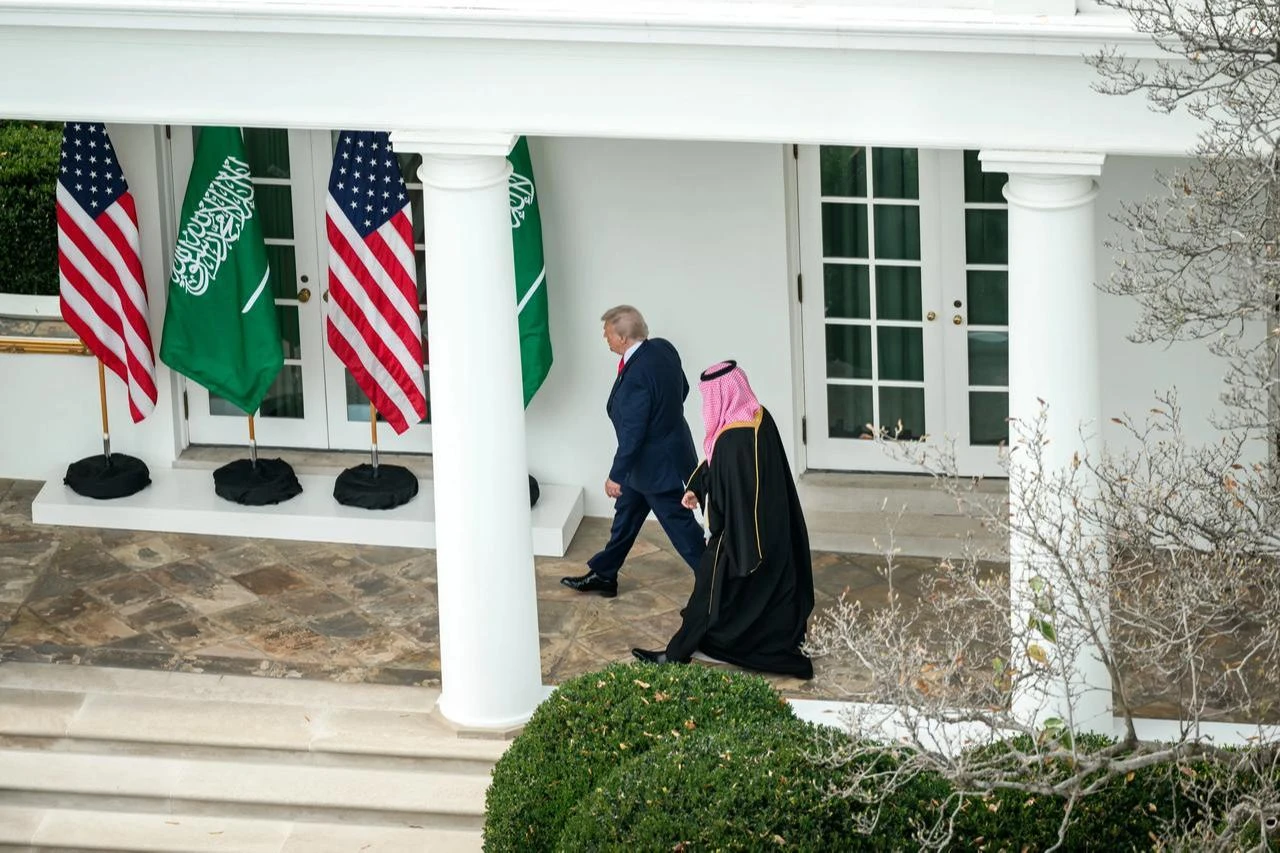
The reason this news sent shockwaves through global political and nuclear diplomacy circles isn't about whether Saudi Arabia will enrich uranium one day, as they never needed; it’s about where the line on nuclear technology is now being drawn.
For the past half-century, the U.S. maintained a strict policy against allowing any Arab nation to enrich uranium on its own soil. In 2009, when the UAE built its nuclear plant, Washington mandated the "Gold Standard," legally barring Abu Dhabi from domestic enrichment. Today, the U.S. is leaving the door open for Riyadh to do just that—effectively breaching its own 50-year nonproliferation doctrine.
At its core, a "123 Agreement" is a bilateral oversight framework designed to enforce strict nonproliferation standards. Take the U.S.–Türkiye 123 Agreement, which entered into force on June 2, 2008: it carried an initial 15-year term through June 2, 2023, and now continues under rolling 5-year extensions.
Yet, Ankara never capitalized on this option for a mix of reasons—chief among them, financing. American nuclear vendors notoriously refuse to absorb financial risk, preferring to sell technology outright. The Saudis, by contrast, are more than eager to fund such ventures.
Nothing happens overnight, either. Western nuclear projects are infamous for running decade-long delays and ballooning to two or three times their budget—much like the Vogtle plant in the U.S., which spiraled from $14 billion to over $30 billion.
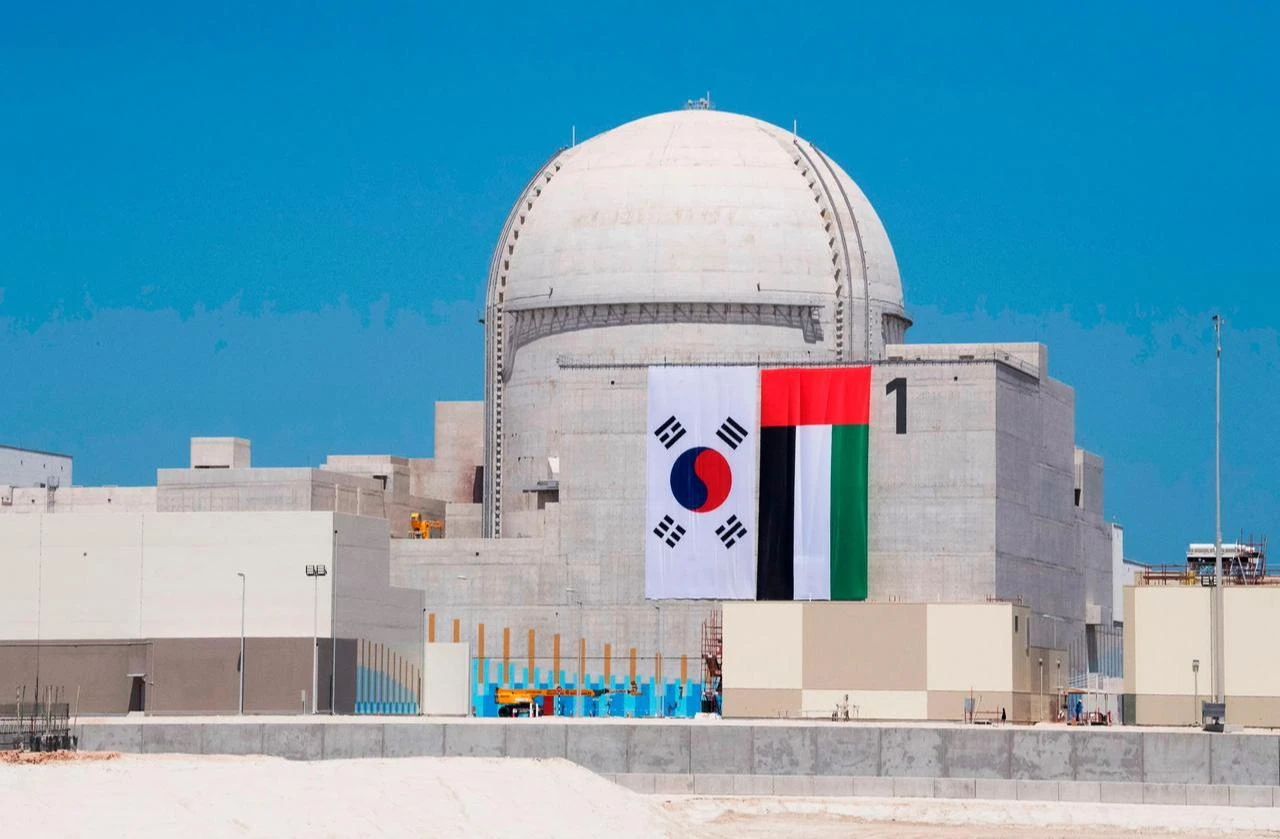
The UAE accepted the Gold Standard in 2009 to get its Barakah plant built with South Korean help, and has stuck to it since. Watching a neighbor get better terms for the same technology is not the kind of restraint that holds indefinitely.
Crown Prince Mohammed bin Salman explicitly stated in a 2018 interview with CBS News that if Iran developed a nuclear bomb, Saudi Arabia would follow suit as soon as possible. Riyadh's bilateral defense ties with Pakistan and the persistent reports of nuclear cooperation dating back to 2013 are common knowledge as well. Hence, this agreement is not an abrupt offensive to gain nuclear power by Saudi Arabia.
However, the precedent it sets will undoubtedly serve as a model for many other nations.


 Set as preferred source
 Set as preferred source


 1 min read
 1 min read