Newsletters


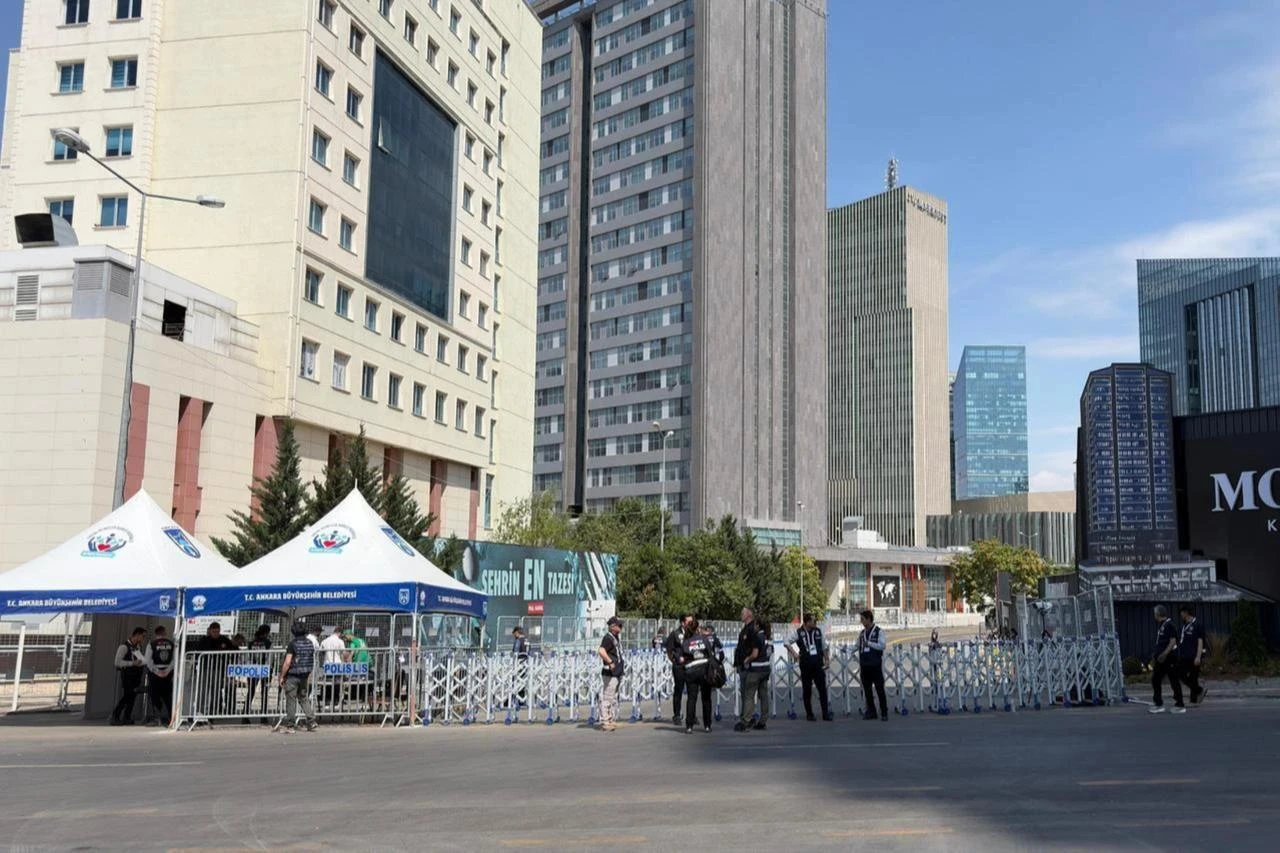


U.S. intelligence detected a series of information streams pointing to Iranian threats during the NATO summit in Ankara, including knowledge of where Trump was staying down to the floor and a person spotted carrying a shoulder-fired missile near the summit, according to the report.
The intelligence emerged as Trump headed into the final day of the summit on July 8. Two U.S. officials with knowledge of the threat told the New York Times that one stream of intelligence identified a specific surface-to-air missile threat against Air Force One, meaning whichever aircraft was carrying the president.
Iranian operatives also knew the precise location of Trump’s accommodation in Ankara, including the floor of the building, according to the officials.
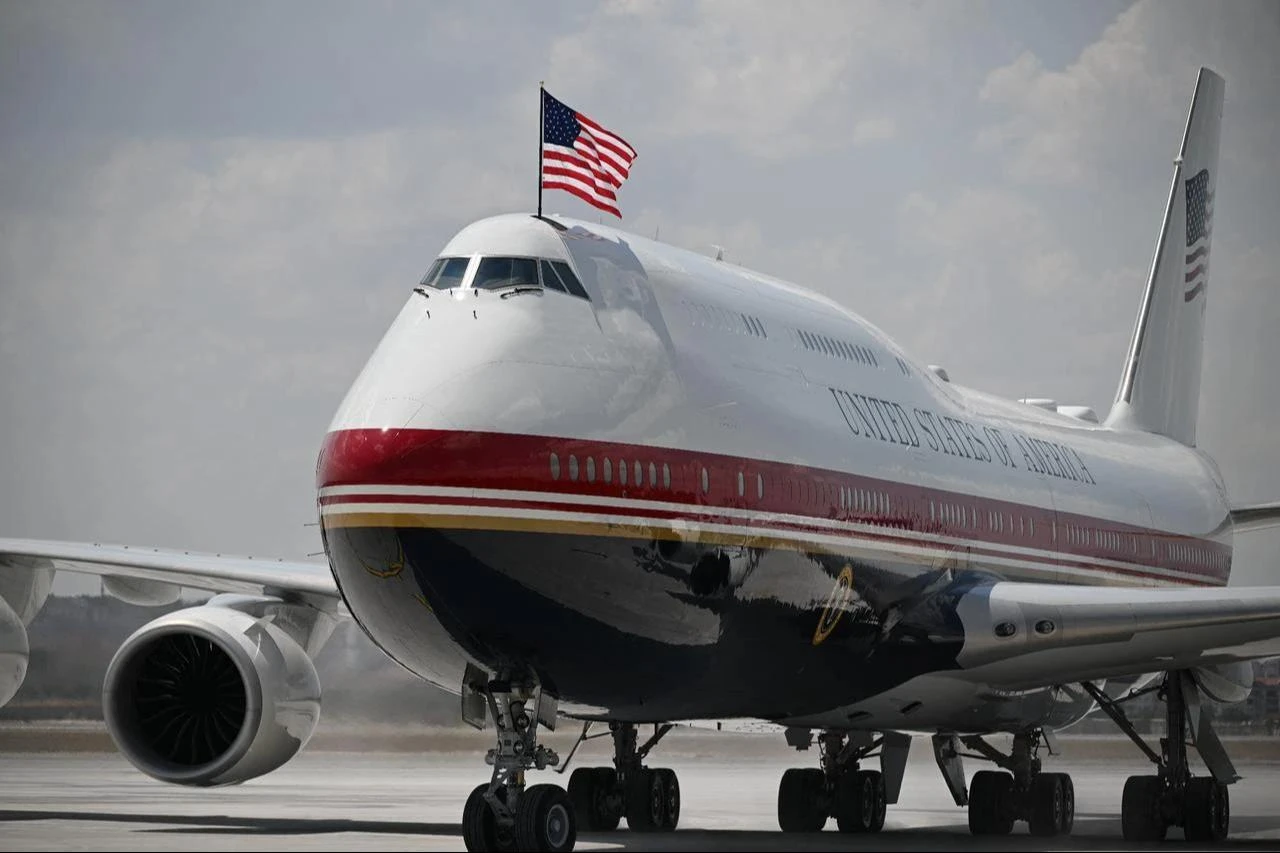
The intelligence was considered credible enough to trigger an elaborate deception operation. Trump publicly boarded the older Air Force One, but instead of leaving Türkiye on the aircraft, he was quietly moved off it in an airport catering vehicle and taken to a C-32A military jet.
The transfer was carried out away from public view, allowing officials to conceal which aircraft was actually carrying the president.
The older Air Force One, which Trump had chosen over the newer aircraft gifted by Qatar, then continued toward Britain without him, maintaining the appearance that he was still aboard. The maneuver allowed the president’s actual movements to remain hidden while the security operation was underway.
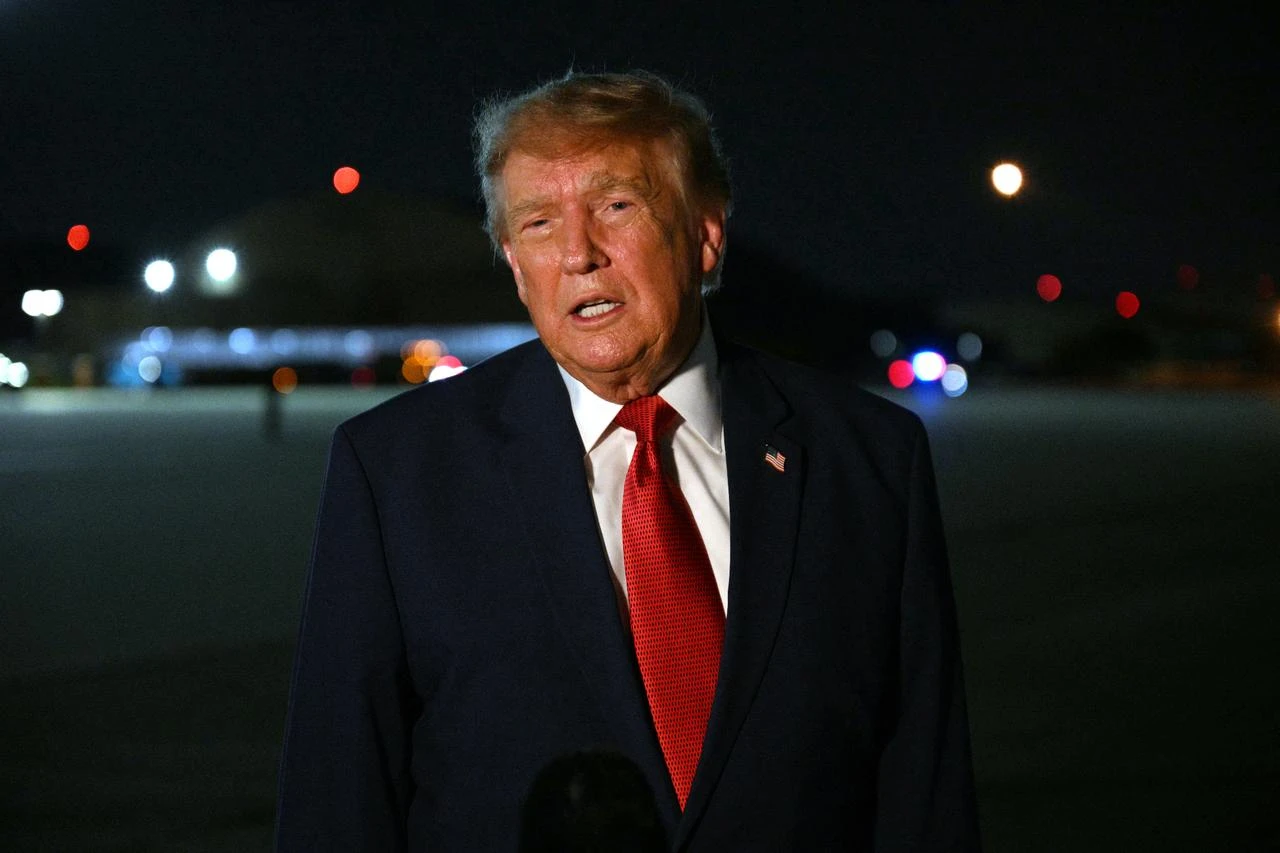
Trump confirmed Tuesday that the aircraft switch was driven by security concerns, saying he followed the advice of the Secret Service and military officials. "I go by Secret Service and the military. They wanted me to go in a different flight, different plane," Trump told reporters. "I just have to do what they say."
Trump also acknowledged that a threat was involved but did not provide details about the intelligence behind the decision. He indicated that he did not ask extensively about the nature of the threat, saying he receives many threats.
The president also suggested that the C-32A he ultimately flew on may have been more exposed than the decoy Air Force One. "I think actually the plane that I flew on was at greater risk," Trump told reporters. "I think it was at greater risk because that would be the plane I think that they would be more likely to go for."

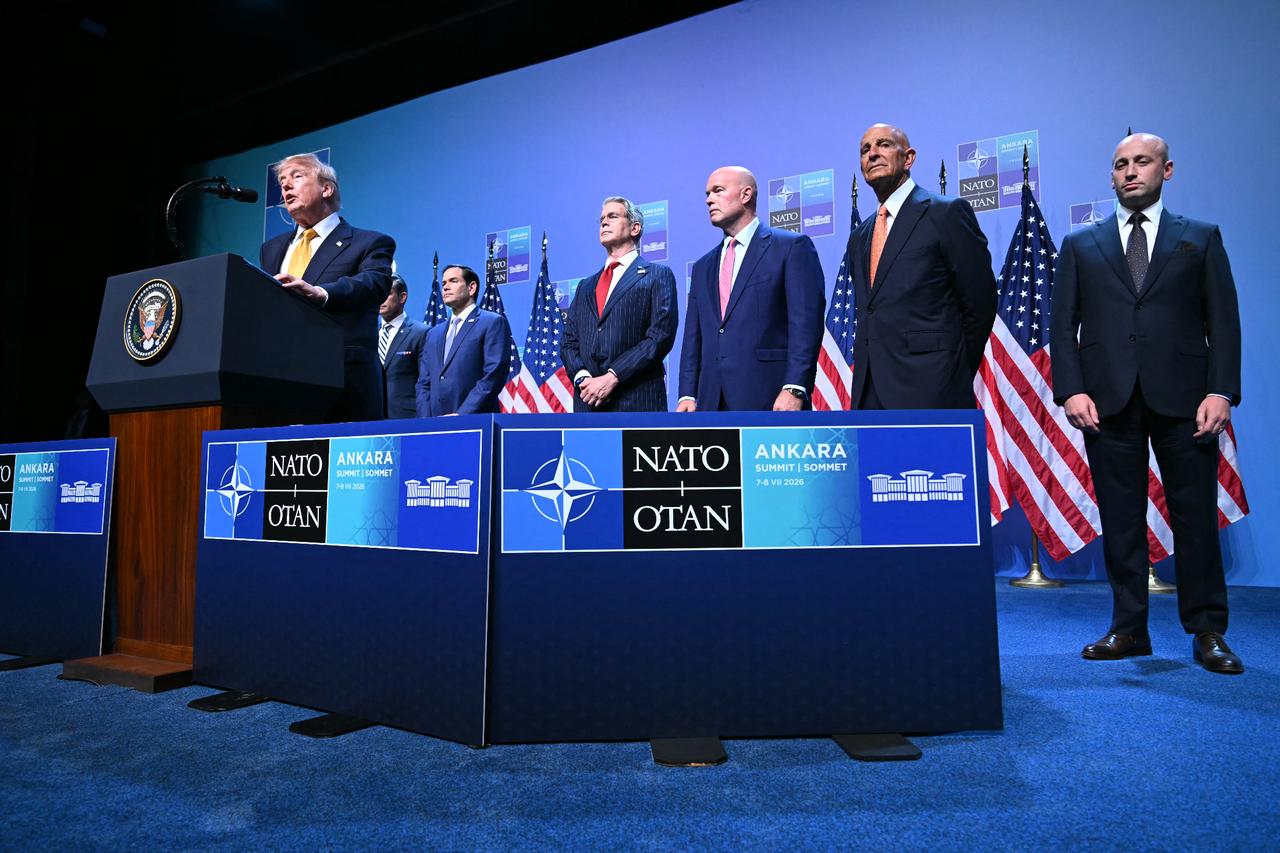
The threat emerged during the final day of the NATO summit in Ankara, where Trump met with NATO leaders as tensions with Iran remained high. Trump had been openly discussing Iran during the summit.
On July 8, he declared an emerging U.S.-Iran understanding "over" and threatened further military action against Tehran. He also renewed threats to strike Iranian civilian infrastructure and seize the country's oil-production hub of Kharg Island.
The Wall Street Journal reported Tuesday that Israeli intelligence had warned U.S. officials of an Iranian plot to target Trump’s aircraft with shoulder-fired missiles during his visit to Ankara.
However, Middle East Eye, citing Turkish officials, reported that Ankara questioned the Israeli intelligence, with officials suspecting the warning may have been fabricated to undermine U.S. negotiations with Tehran.
They also questioned how an Iranian team could bring a shoulder-fired missile into the heavily secured summit area undetected.


 Set as preferred source
 Set as preferred source


 1 min read
 1 min read