Newsletters


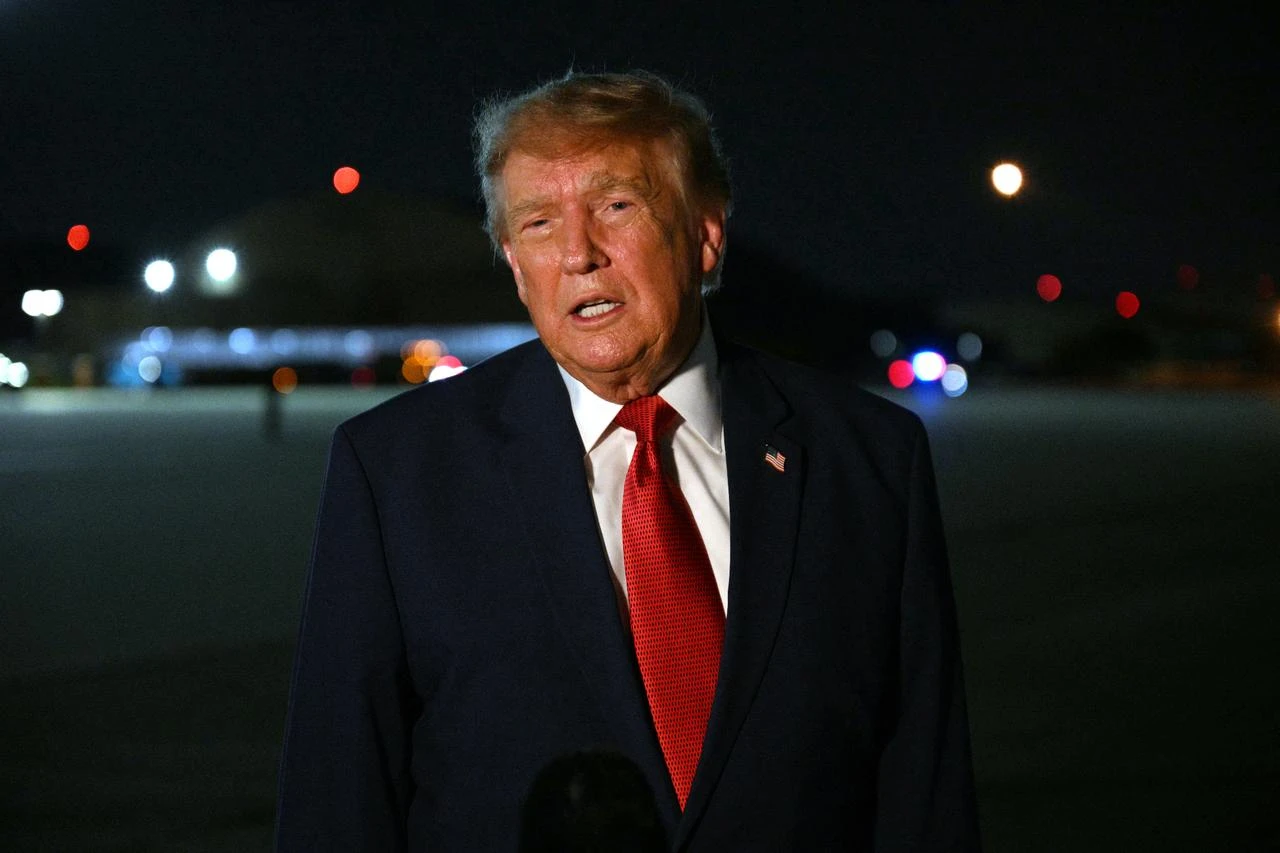


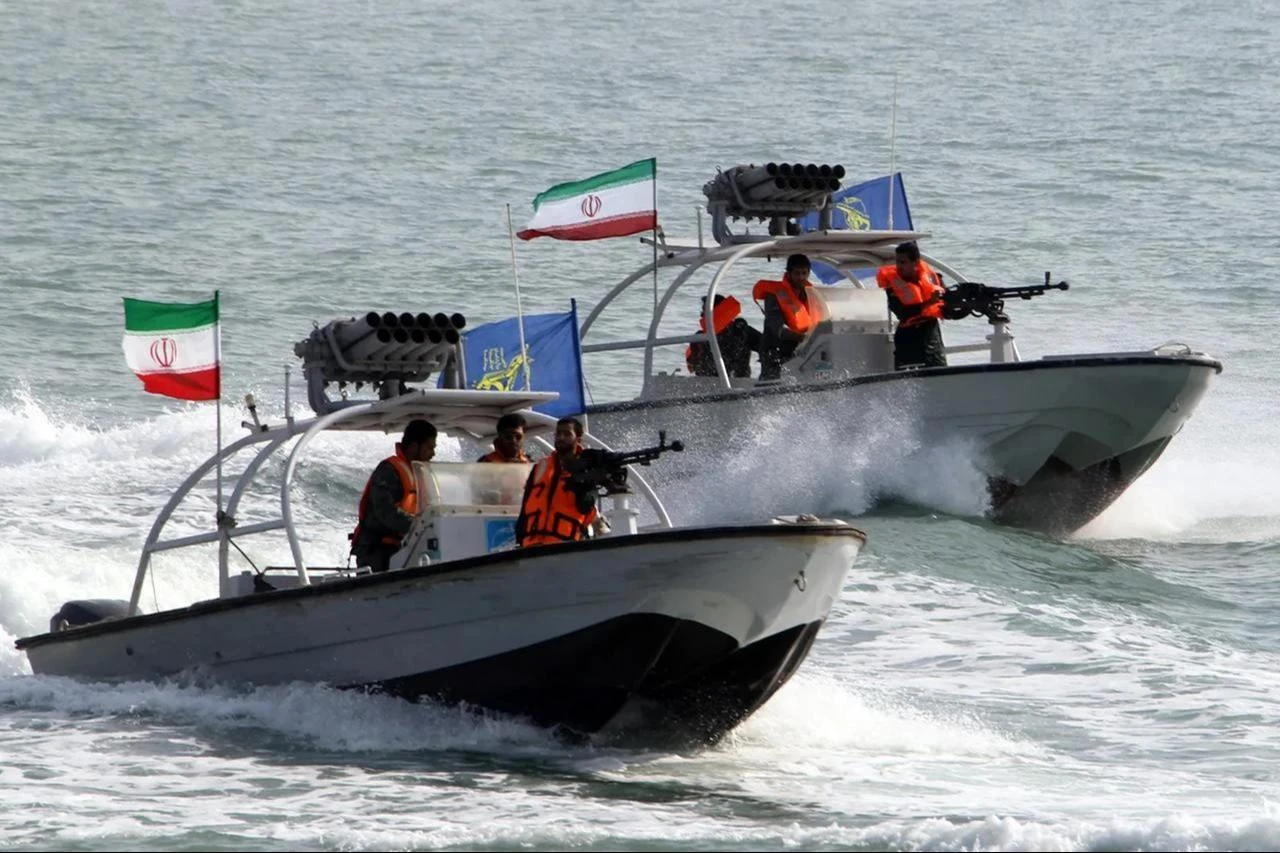
U.S. President Donald Trump said Tuesday that the U.S. has "total control" over the Strait of Hormuz and "owns it." Meanwhile, Iran’s parliament unveiled plans for legislation to bar military and commercial vessels from "hostile" countries from entering the Gulf without Iranian authorization.
Trump made the remarks to reporters at Joint Base Andrews in Maryland after returning from Ohio, saying he does not trust Tehran and accusing Iran of repeatedly lying to him. "I don't trust Iran. Why—are you saying I trust Iran!? I'm the last person to trust Iran," Trump said. "They've lied to me constantly," he added.
Trump then claimed the U.S. currently controls the strategic waterway. "We have total control over the Hormuz Strait right now. They don't have control. We have total control. We own it," he said.
The developments came as talks to reopen the strategic waterway remain deadlocked, with Tehran demanding an end to U.S. military action, the lifting of the naval blockade and sanctions, the withdrawal of U.S. forces, compensation for war damage and the release of frozen Iranian assets.
Meanwhile, Ebrahim Azizi, chairman of parliament’s National Security and Foreign Policy Committee, said lawmakers have begun drafting a bill aimed at reinforcing Tehran’s authority over the Strait of Hormuz. The proposed legislation would bar military and commercial vessels from countries Tehran considers "hostile" from entering the Gulf without Iranian approval.
Azizi described the bill as one of the most important and advanced pieces of legislation since Iran nationalized its oil industry. The move would give Tehran a broader legal basis to regulate access to the Gulf and strengthen its control over traffic passing through the strategic waterway.

Earlier Tuesday, Mohsen Rezaei, new secretary of Iran’s Supreme National Security Council, called on the U.S. to end its war against Iran and release Tehran’s blocked assets. He warned that the strait would not reopen if Washington refused to accept Iran’s conditions.
"Iran's conditions will not be accepted and the Strait of Hormuz will not be opened unless the U.S. changes its position," Rezaei told China’s ambassador to Tehran, Zong Peiwu.
Rezaei also called for the release of Iran’s blocked funds and an end to conflicts in the region, particularly in Lebanon and Gaza. He added that Tehran’s other conditions had been conveyed to Washington through mediators.
He further argued that any potential agreement between Iran and Oman on shipping routes through the Strait of Hormuz should be treated separately from the broader question of reopening the waterway.


 Set as preferred source
 Set as preferred source


 2 min read
 1 min read