Newsletters


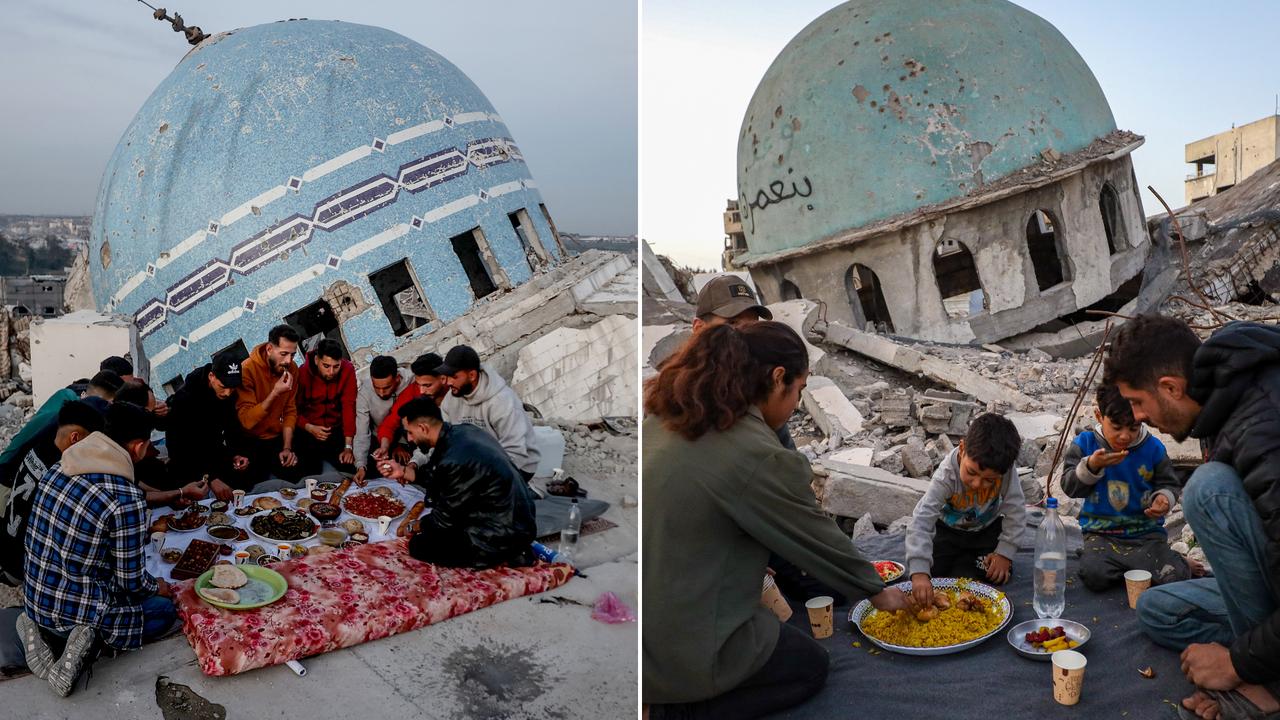
A composite photo project built from Anadolu Agency archives and recent photographs highlights a persistent reality in Gaza: Despite the passage of time, Ramadan iftar tables continue to be set among the rubble left behind by Israeli attacks. By placing images taken years apart side by side, the project visually underlines how daily life unfolds within an environment where destruction has remained largely unchanged.
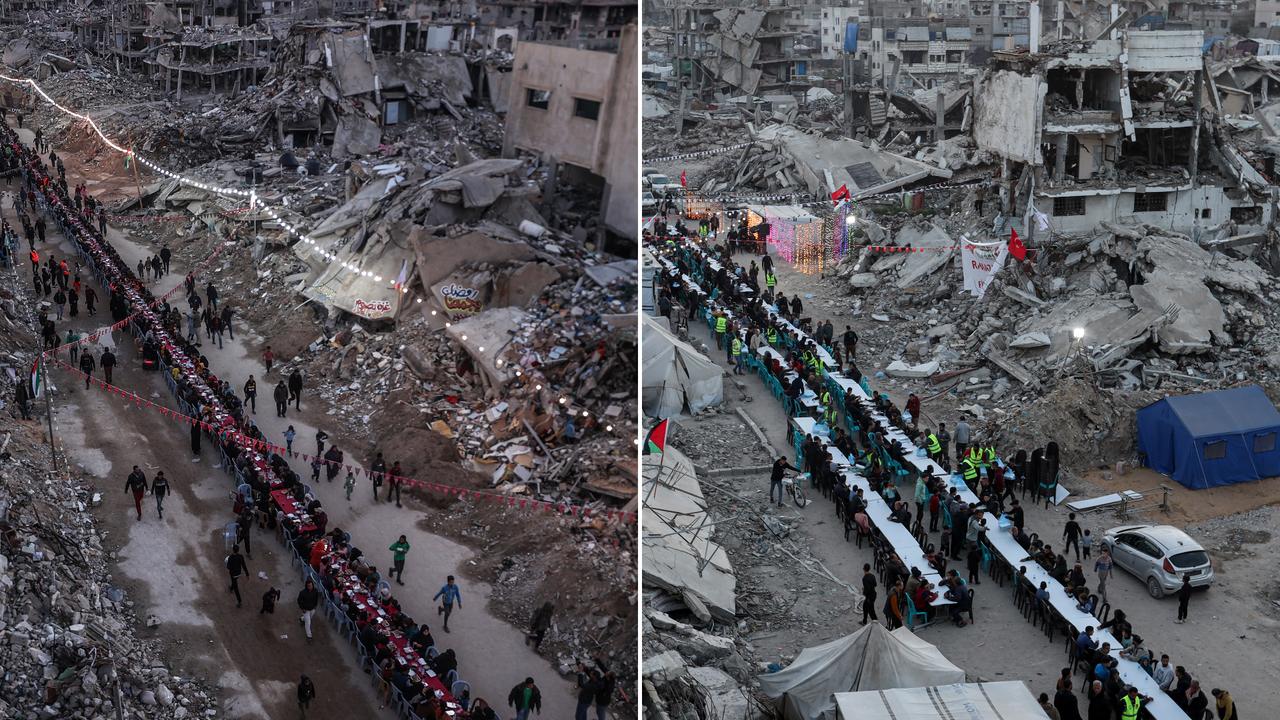
Although the physical environment has shifted little over the years, Palestinians continue to observe Ramadan traditions. Families gather to break their fast, often setting floor tables on debris or near damaged homes, maintaining communal rituals even as the surrounding landscape bears the marks of repeated destruction.
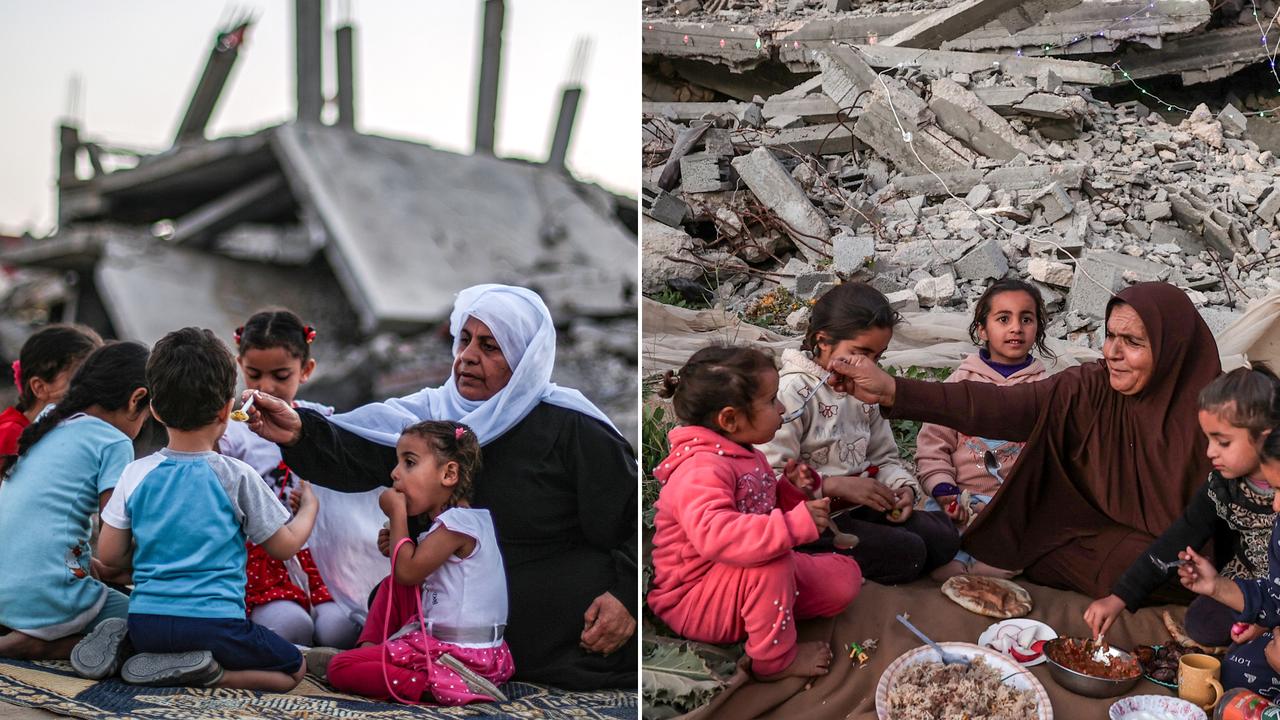
The photo series intentionally pairs scenes captured in different years to reveal striking visual similarities. These images show that while the locations and families vary, the context surrounding them, damaged neighborhoods, temporary shelters and improvised living spaces, has remained consistent for more than a decade.
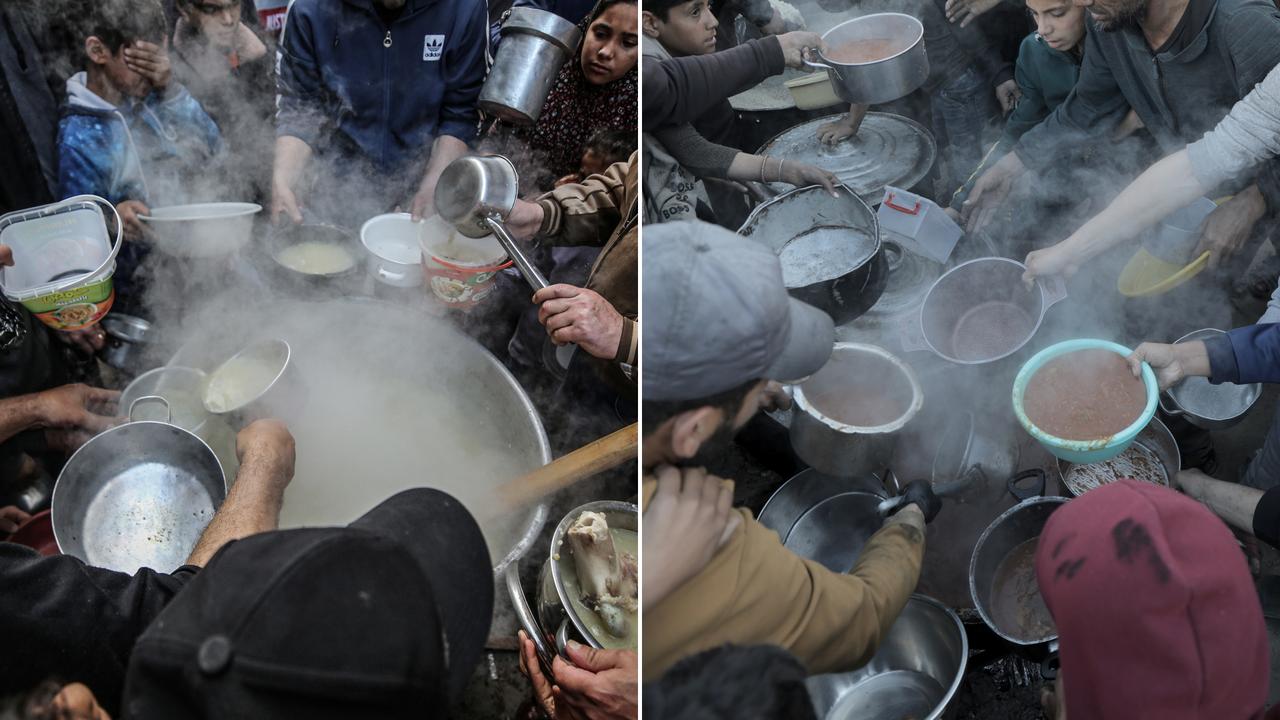
According to the visual narrative presented in the project, the continued presence of rubble is linked not only to repeated Israeli attacks but also to the inability to fully repair damaged areas under the Israeli blockade imposed on Gaza since 2007. This restriction has contributed to a prolonged cycle in which destruction remains visible for years.
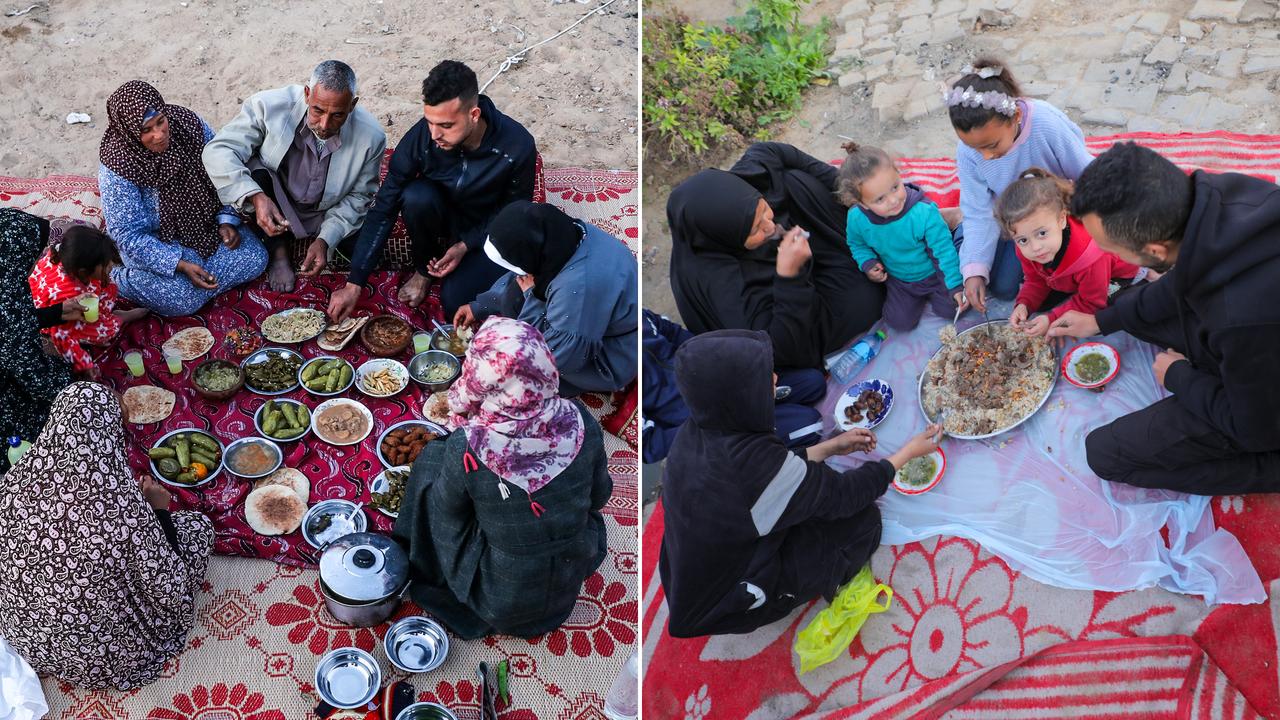
One of the most striking comparisons juxtaposes a June 20, 2015 photograph of the al-Acle family breaking their fast in Gaza’s Shujaiyya neighborhood with a February 18, 2026 image showing another family marking the first iftar of Ramadan in Tel al-Hawa, Gaza City. In both cases, families sit among the remains of homes destroyed in Israeli attacks.
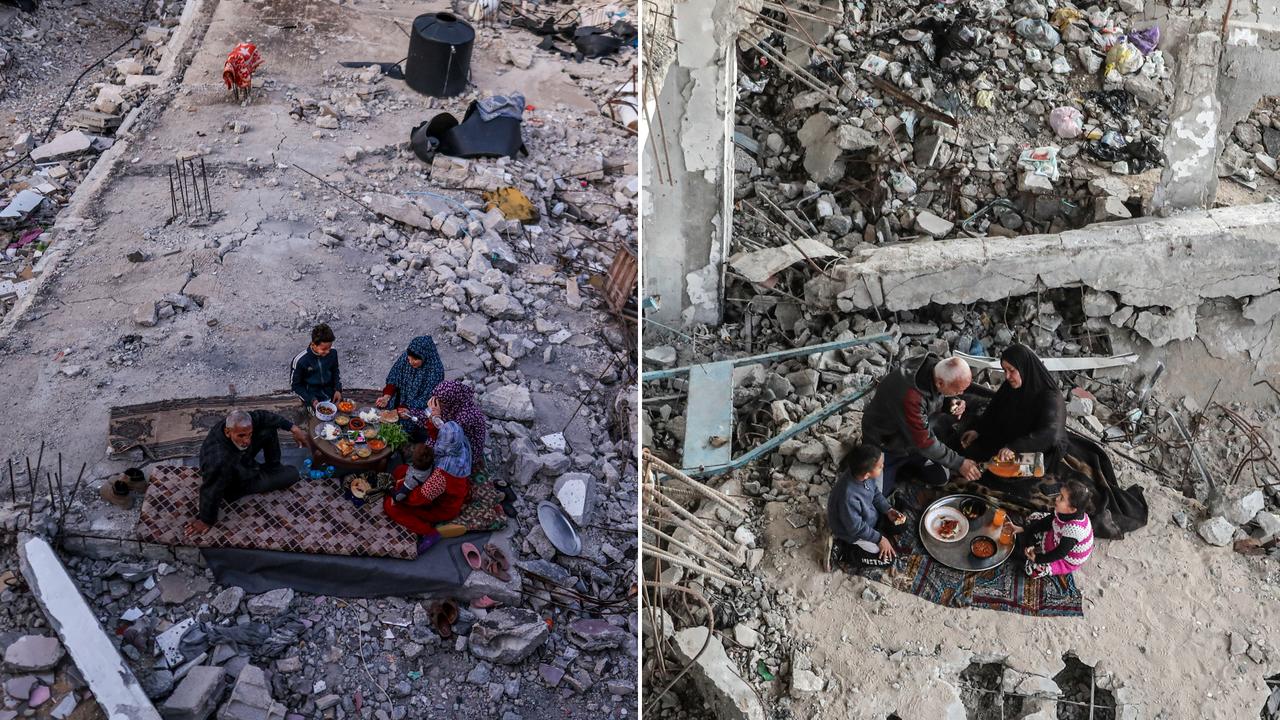
The composite photographs highlight a broader pattern: The devastation visible in earlier years remains present today. Even after significant time has passed, reconstruction and recovery have not significantly altered the physical landscape in many parts of the Gaza Strip.
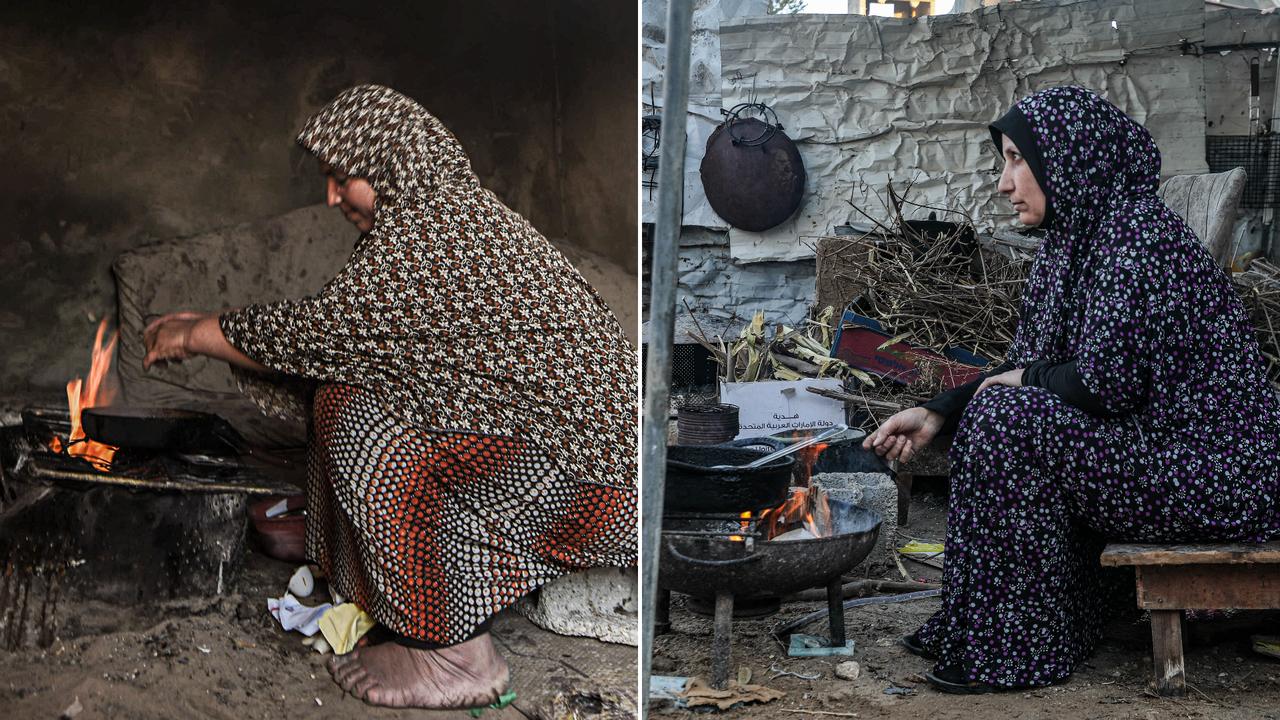
Beyond structural damage, daily life in Gaza continues under severe limitations. Residents face ongoing shortages of basic necessities, while a deepening electricity crisis further complicates everyday routines, including the preparation of meals during Ramadan.
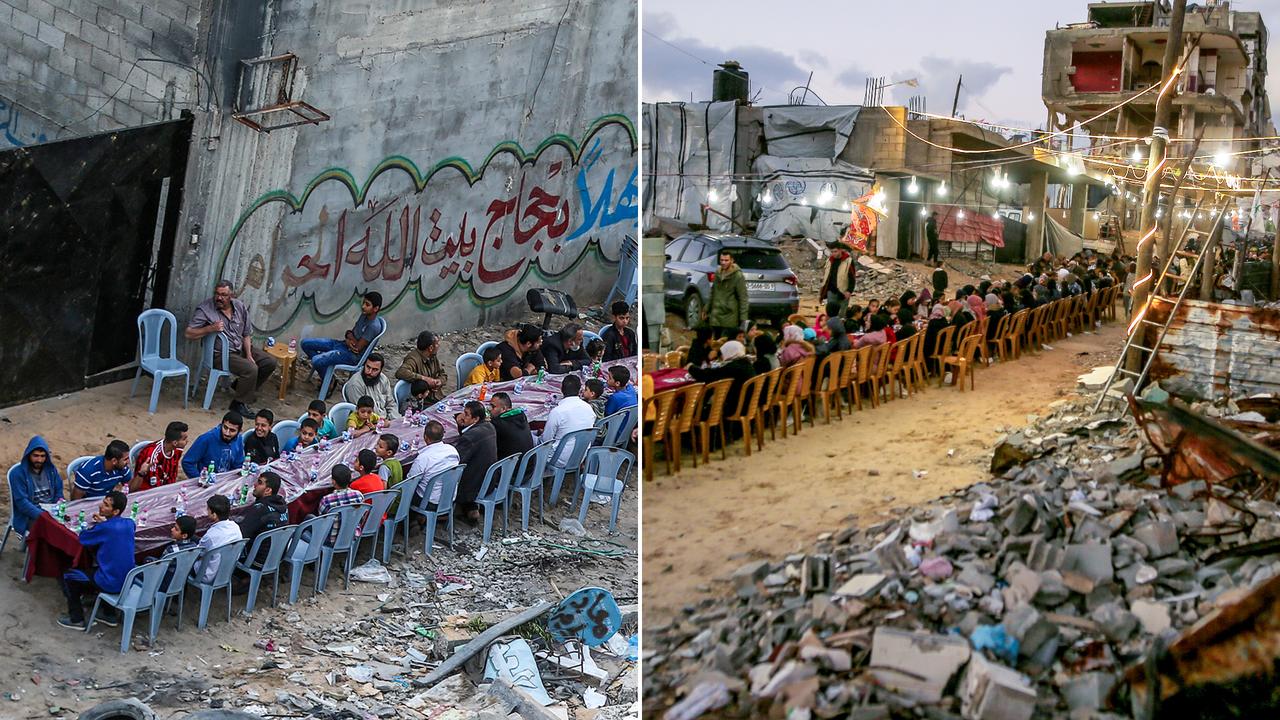
Despite hardship, communal iftar gatherings remain a visible expression of solidarity. Collective meals organized for displaced residents, as well as small family gatherings on floor tables, demonstrate how communities continue to come together during Ramadan.
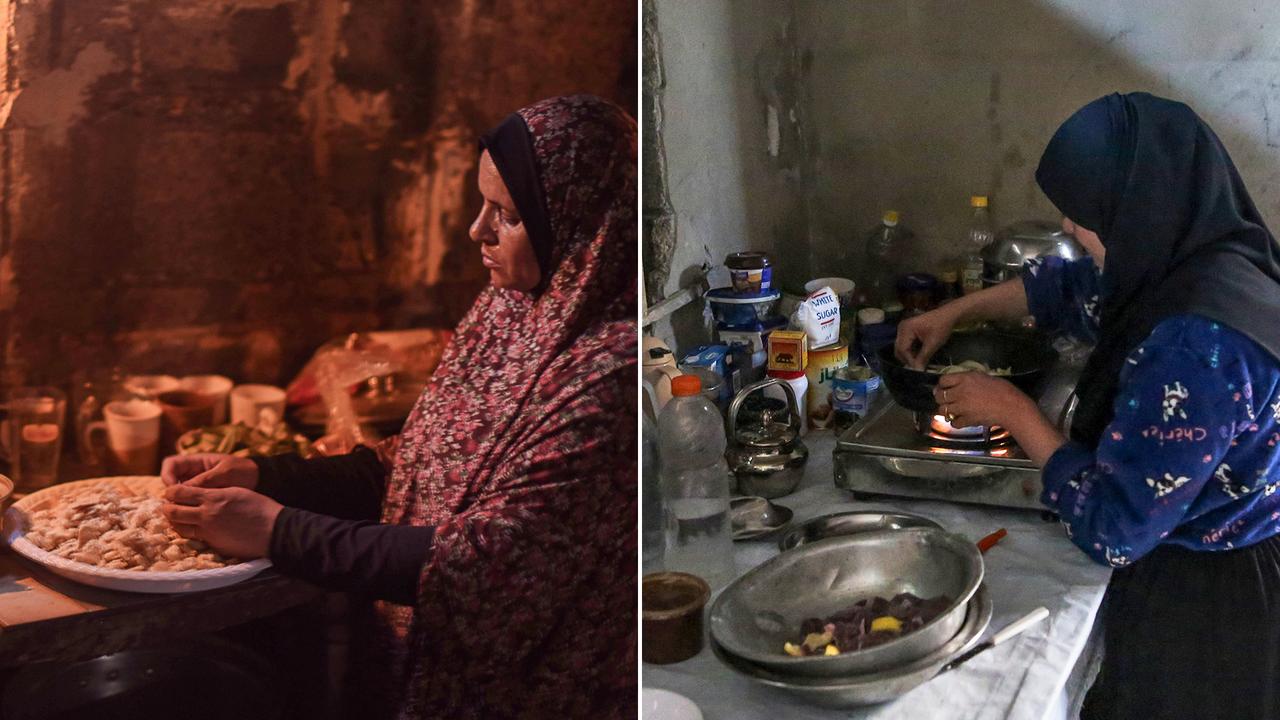
Images from different years also show women preparing iftar meals under similar conditions. Whether in makeshift homes or tents along Gaza’s coastline, families often rely on limited ingredients and improvised cooking methods to prepare food for the evening meal that marks the end of the daily fast.
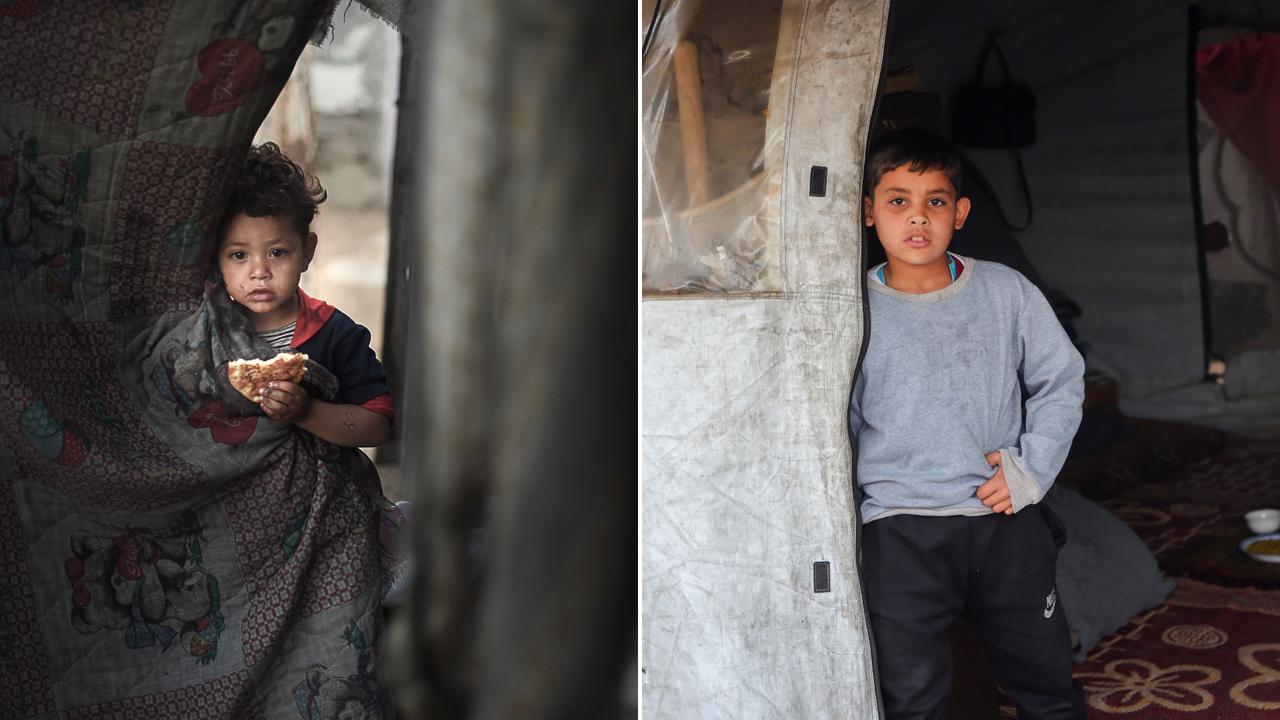
The photo series also reflects recurring scenes of humanitarian food distribution. Large pots of soup prepared for crowds in earlier years closely resemble more recent scenes in which displaced Palestinians gather to receive hot meals during Ramadan.


 Set as preferred source

 2 min read