Newsletters


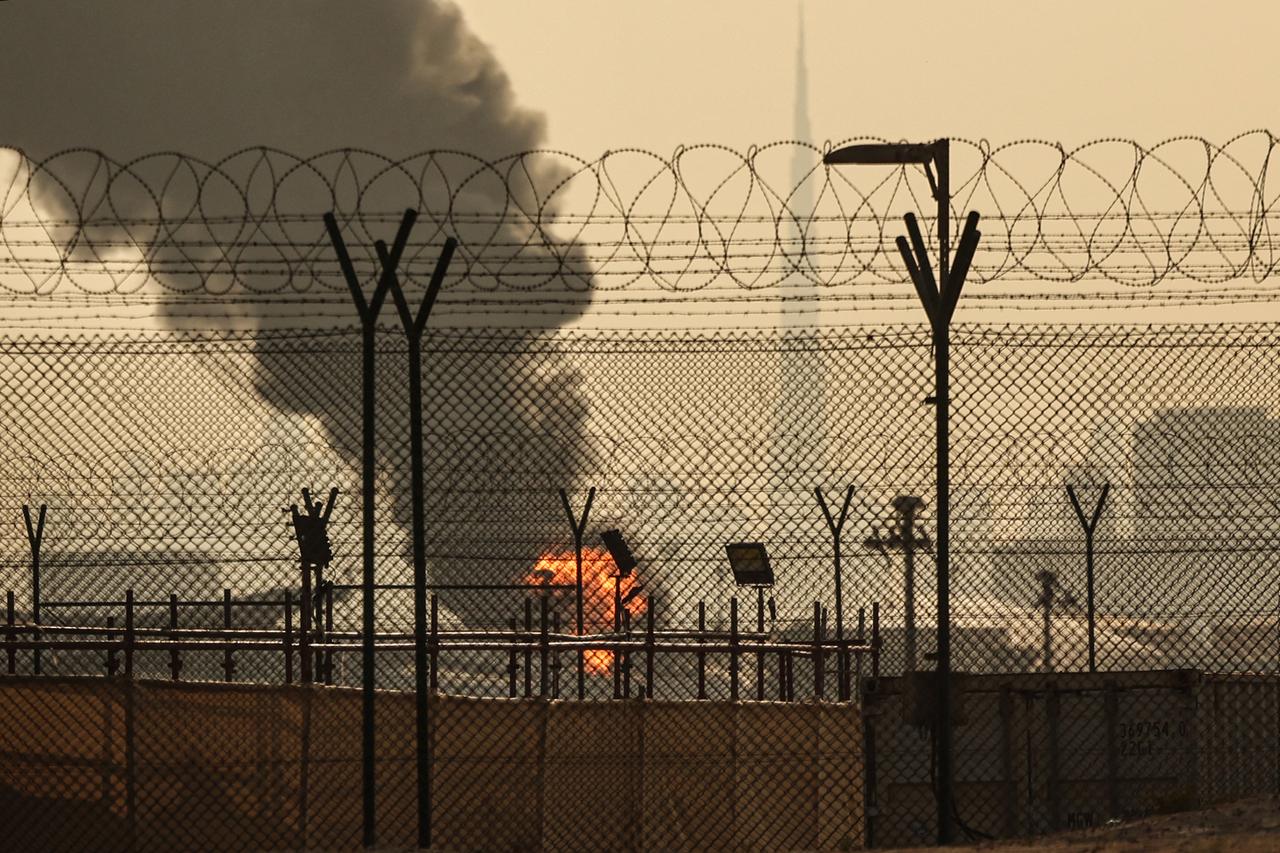


Abdulla Mohammed Butti Alhamed, chairman of the National Media Authority of the United Arab Emirates, criticized what he described as inconsistent positions by some regional countries in a post shared on the social media platform X. He warned that ambiguity and selective engagement with armed groups contribute to instability.
He said some countries recognize threats but hesitate to confront them, instead choosing to bargain or avoid clearly identifying their sources, which he said has contributed to ongoing instability in the region.
Alhamed said the region has not only been affected by “obvious enemies” but also by actors who appear to support stability while opening the door to chaos when it serves short-term interests.
He said a recurring pattern has emerged in which extremist forces, transnational militias and what he described as subversive projects are justified, appeased or reintroduced into political and media discourse.
He cited examples including support for the Sudanese army in situations involving instability, accommodation of the Houthis despite what he described as their record of undermining the state, and the normalization of groups such as the Popular Mobilization Forces. He also criticized what he described as efforts to appease Iran despite its regional role.
According to Alhamed, actors who support such approaches cannot claim to advocate for security and stability, adding that those who “embrace the causes of destruction” cannot later present themselves as builders.
Alhamed contrasted these positions with the approach of the United Arab Emirates, saying the country has maintained clear positions without shifting in response to changing regional dynamics.
He said the UAE has clearly identified allies and adversaries and has avoided what he described as confusion between pragmatism and concession, openness and naivete, or dialogue and legitimizing instability.
He added that this approach has enabled the UAE to build a stable and modern state while also maintaining international partnerships, stating that openness does not come at the expense of core principles.
 2 min read
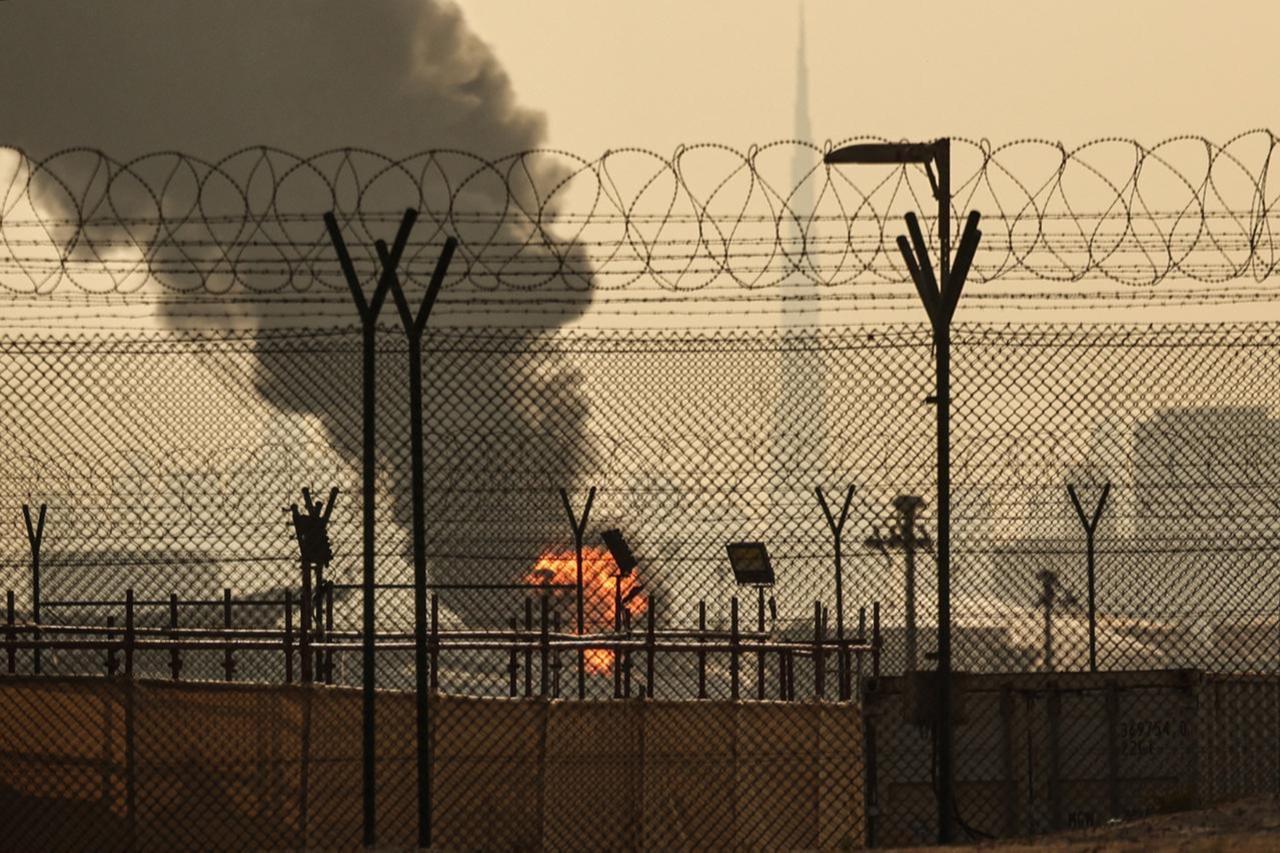
Alhamed also expressed concern over what he described as inconsistent support from some partners, saying that those who benefited from the UAE’s positions did not demonstrate the same stance when the country faced challenges.
He said that while support was visible during periods of stability, some actors showed hesitation or remained silent during times of difficulty, which he said did not reflect loyalty or reciprocity.
He added that such situations reveal that not all partners remain supportive in times of crisis.
Alhamed said that, beyond political positions, some actors attempt to justify contradictions through media narratives that distort facts or reverse realities.
He said such narratives target states with consistent policies, arguing that maintaining a stable position exposes inconsistencies elsewhere.
According to Alhamed, this has resulted in what he described as a “grey path” characterized by unclear positions, shifting alliances and misleading discourse.
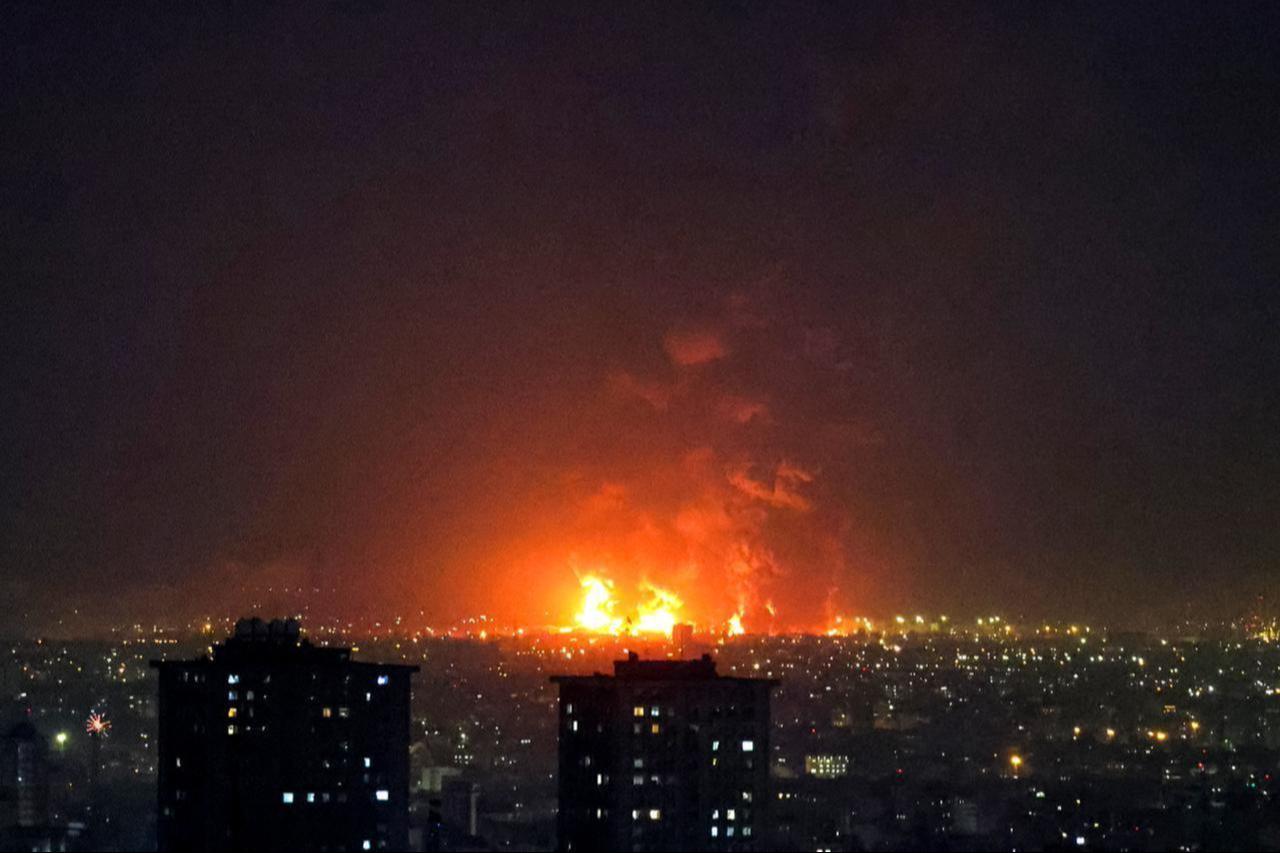

Alhamed said that progress cannot emerge from instability or from justifying what he described as terrorism, and warned that failing to clearly identify threats undermines the ability to confront them.
He said that actors who blur distinctions between allies and adversaries risk contributing to further instability, adding that those who lack clarity in identifying risks cannot effectively protect their countries.
He added that countries that continue to operate with ambiguity and shifting positions will remain part of the region’s challenges rather than shaping its future.


 Set as preferred source
 Set as preferred source


 1 min read