Newsletters


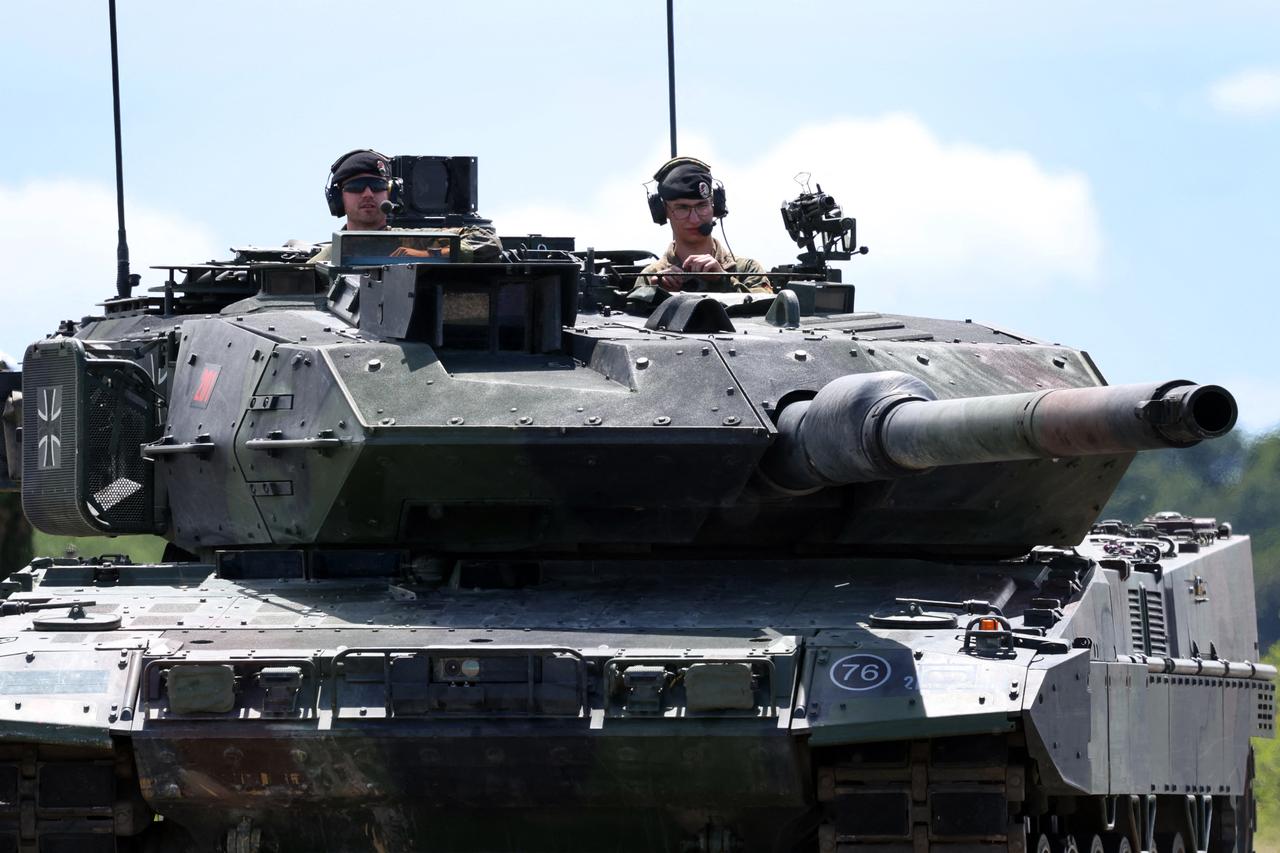


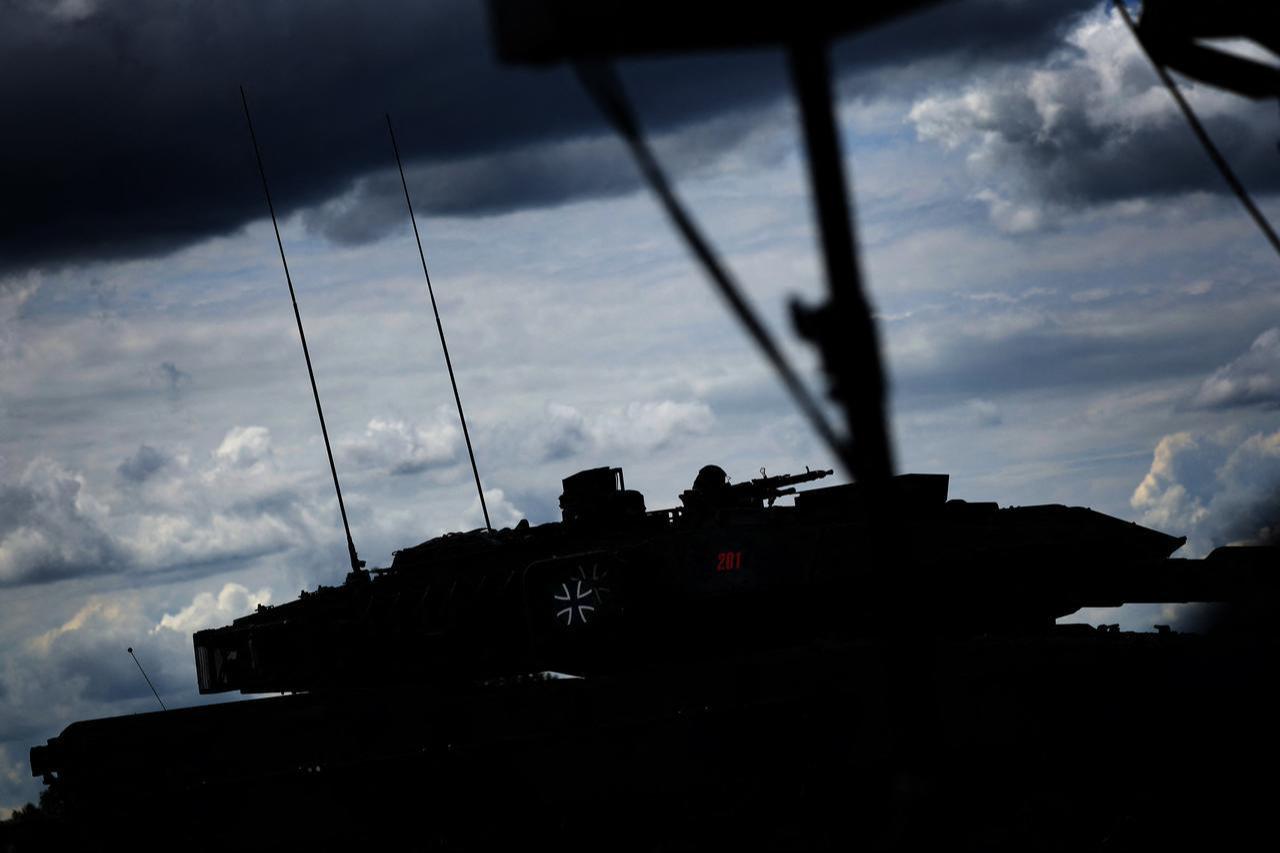
Rheinmetall CEO Armin Papperger warned that there is "always a risk" that France could withdraw from the Franco-German Main Ground Combat System (MGCS) tank program after the collapse of the Future Combat Air System (FCAS) fighter jet project.
Meanwhile, eight German aerospace and defense companies led by Airbus formally signed the "Team Gen 6" alliance at the ILA Berlin Air Show to develop a European sixth-generation fighter without France's Dassault Aviation.
The simultaneous unraveling of two flagship Franco-German defense projects and the emergence of a compensation dispute over the Eurodrone program represent a serious breakdown in European defense-industrial cooperation.
Papperger told Welt am Sonntag that France was already planning to drastically reduce its budget contribution to the Main Ground Combat System, the joint program to replace Germany's Leopard 2 and France's Leclerc battle tanks around 2040, to less than half of what had previously been planned.
"There is always a risk, but nothing has been decided yet," Papperger said of the prospect of a French exit. "If you have less money available, you won't get faster, and we are already very slow," he added.
Rheinmetall CEO noted the four companies in the MGCS, Rheinmetall, KNDS, and Thales, had received only €25 million ($28.9 million) to date.
"I cannot say today whether there will even be an MGCS," he added.
Rheinmetall has been developing a Leopard 3 as a bridging solution for the past year, with first deliveries expected in the early 2030s.

Eight companies, Airbus Defence and Space, MBDA, Hensoldt, Diehl Defence, MTU Aero Engines, Liebherr, Autoflug and Rohde & Schwarz, signed the Team Gen 6 alliance at the ILA Berlin Air Show.
The group had already submitted a position paper to Defense Minister Boris Pistorius calling on the German government to ensure "a complete and timely awarding of contracts by the second half of 2026."
Airbus Defense and Space CEO Michael Schoellhorn said, "We are ready to assume responsibility. We have the expertise, the technologies, the capacity and the clear determination to develop and build the fighter jet of the sixth generation."
He stressed that the alliance was not advocating that Germany go it alone, noting, "We think in European terms, but we want to see German industry playing a significant and responsible role."
The alliance is open to additional European partners, potentially including Spain, which holds over a 4% stake in Airbus, Sweden's Saab, or the British-Italian-Japanese GCAP consortium.
France's Dassault would be excluded.
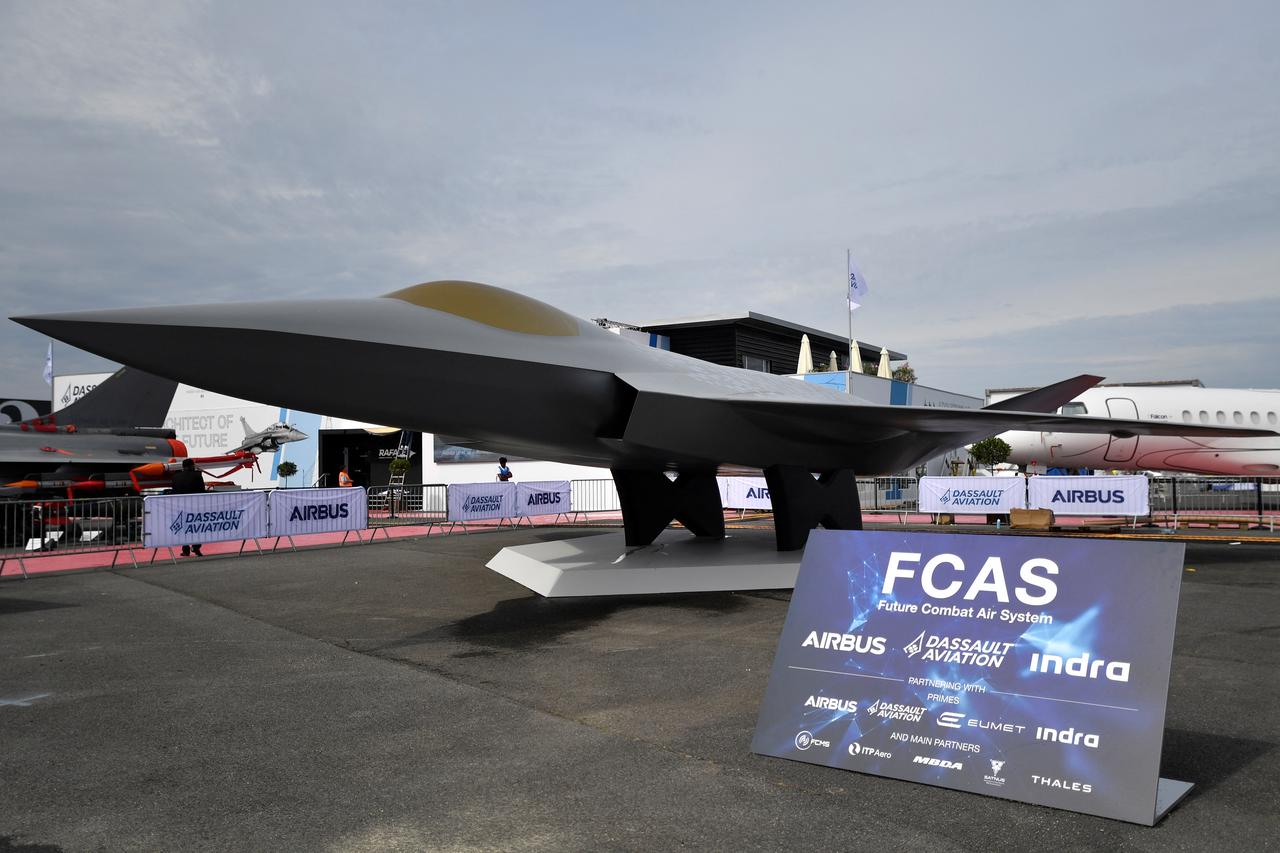
FCAS, launched in 2017 by Macron and former German Chancellor Angela Merkel and joined by Spain in 2019, was intended to produce a sixth-generation fighter jet supported by drones and linked by a classified combat cloud, a system of systems replacing France's Rafale and Germany and Spain's Eurofighter by the 2040s.
The project collapsed after irreconcilable disputes between Dassault and Airbus over governance, technology ownership, industrial workshare, and differing military requirements.
Chancellor Merz informed Macron on the sidelines of the EU-Western Balkans summit that no further progress was possible.
The manner of Berlin's announcement, an anonymous briefing without prior coordination with Paris, was itself described by analysts as telling.
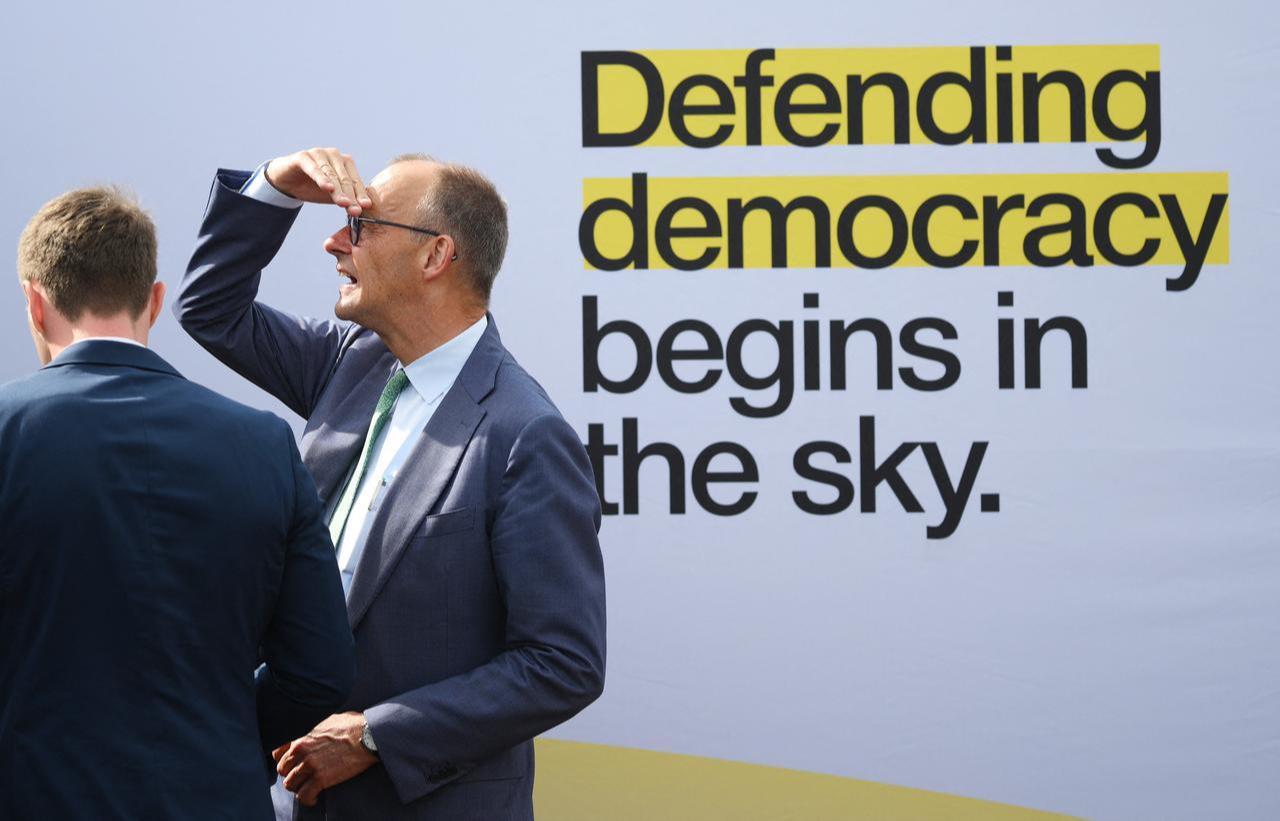
Merz said at ILA, "We're resolving a long blockage with this decision, but we're also opening up new opportunities for the industry to make progress in the construction of modern fighter jets via other ways."
He said the "combat cloud" element of FCAS, the software linking aircraft, sensors, drones and satellites in real time, would continue to be developed, with French and German defence ministers presenting proposals before a bilateral summit in mid-July.
Reuters separately reported that Dassault was seeking compensation from Airbus over the Eurodrone program after France suspended its purchases, reducing Dassault's expected workshare.
France's latest defense bill removed funding for the Eurodrone through 2035, citing cheaper alternatives for high-intensity warfare.
A source familiar with the matter told Reuters the disputes over FCAS and the Eurodrone were "separate on paper but psychologically and politically linked."
France's defense minister Catherine Vautrin said Paris would continue working on a next-generation fighter independently through 2040, backed by some €2.5 billion ($2.89 billion) in existing investment.
Dassault CEO Eric Trappier said his firm could build a future European fighter entirely on its own. Spanish industry representatives, including Airbus, Indra, GMV, ITP Aero, and others, issued a joint statement calling for inclusion in whatever new project emerges.
Germany is weighing four options according to Pistorius: an Airbus-led German project, joining GCAP, ordering more U.S. F-35s, or a fourth option he declined to discuss publicly.


 Set as preferred source
 Set as preferred source


 4 min read