Newsletters


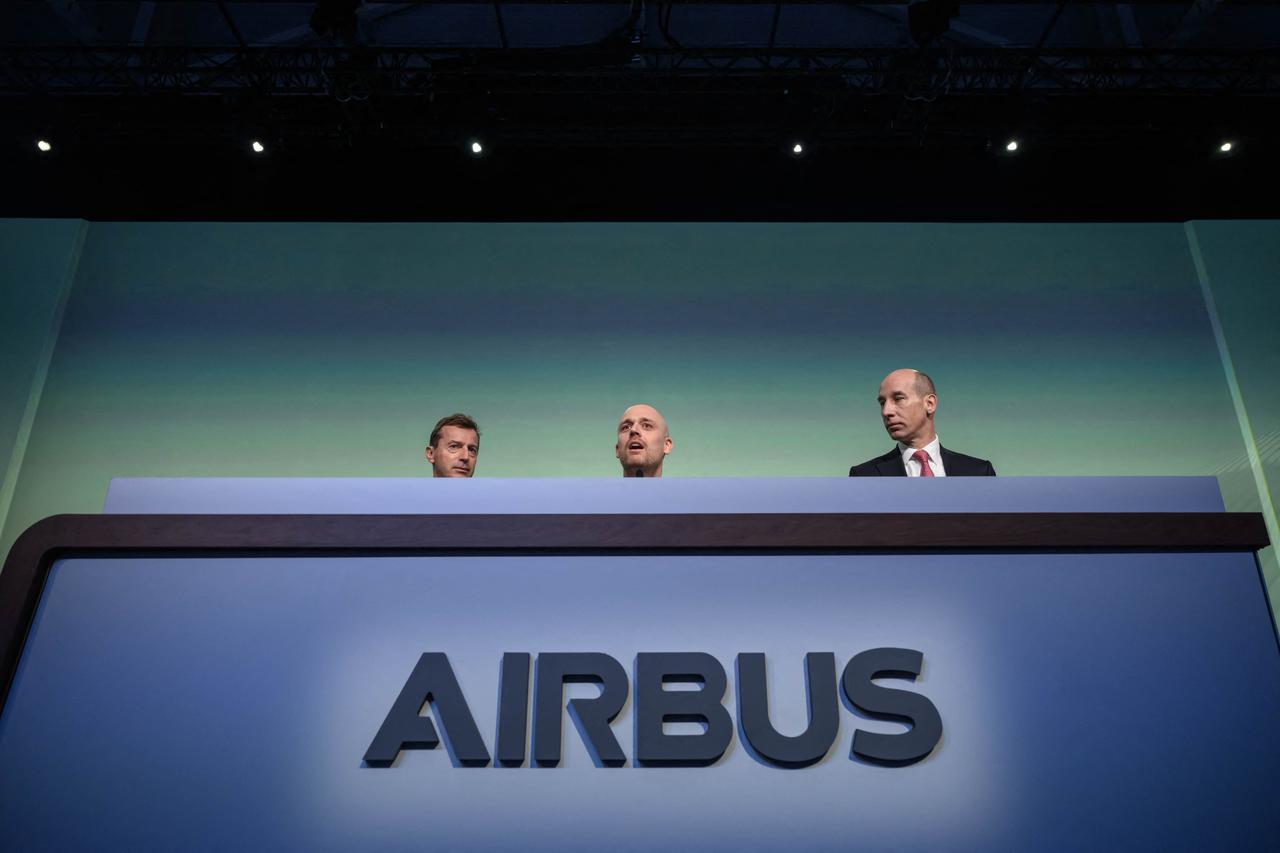


Airbus said it would support building two separate fighter jets instead of a single aircraft under the troubled Future Combat Air System (FCAS) program if participating countries request it, as Belgium declared the Franco-German-Spanish project is "not coming."
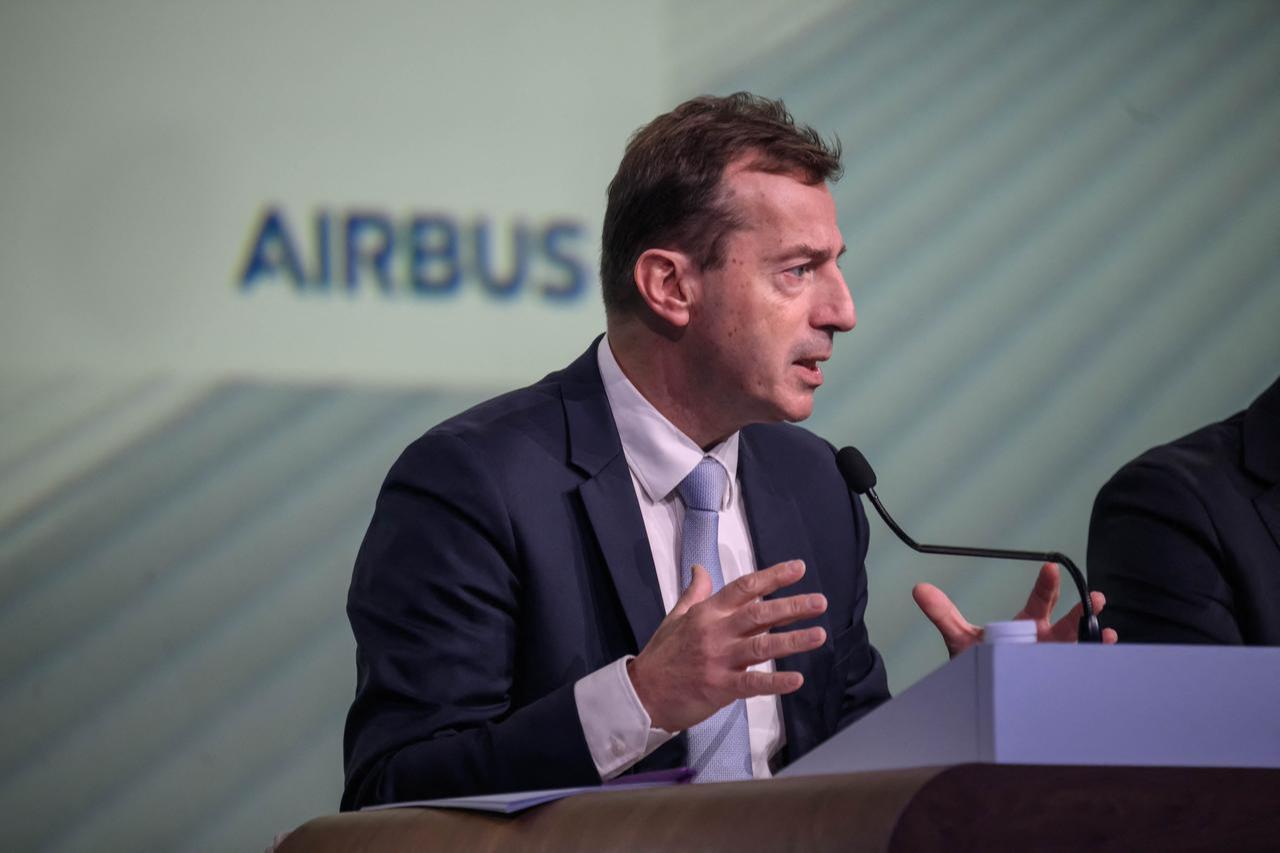
"If mandated by our customers, we would support a two-fighter solution and are committed to playing a leading role," Airbus CEO Guillaume Faury told a news conference on Feb. 19.
"But the deadlock of a single pillar should not jeopardize the entire future of this high-tech European capability, which will bolster our collective defense," he added.
The statement marks the first time such a possibility has been publicly raised at the industrial level, signaling the likely fragmentation of what was intended to be Europe's flagship defense cooperation project.

Belgian Defense Minister Theo Francken announced on Feb. 20 that his country would reassess its involvement in FCAS following recent statements by German Chancellor Friedrich Merz.
"A French-German-Spanish sixth-generation fighter jet will not be coming. The water is too deep for that, as has been apparent for months and is now confirmed by Chancellor Merz," Francken wrote on X.
Belgium, currently an observer in FCAS, will "reassess our position in consultation with our allies," he said, announcing plans to order 11 additional US-made F-35 fighter jets with production at facilities in Cameri, Italy.
"A European sixth-generation aircraft remains a dream. Hopefully, it will still come true. We are looking at all options," Francken added.
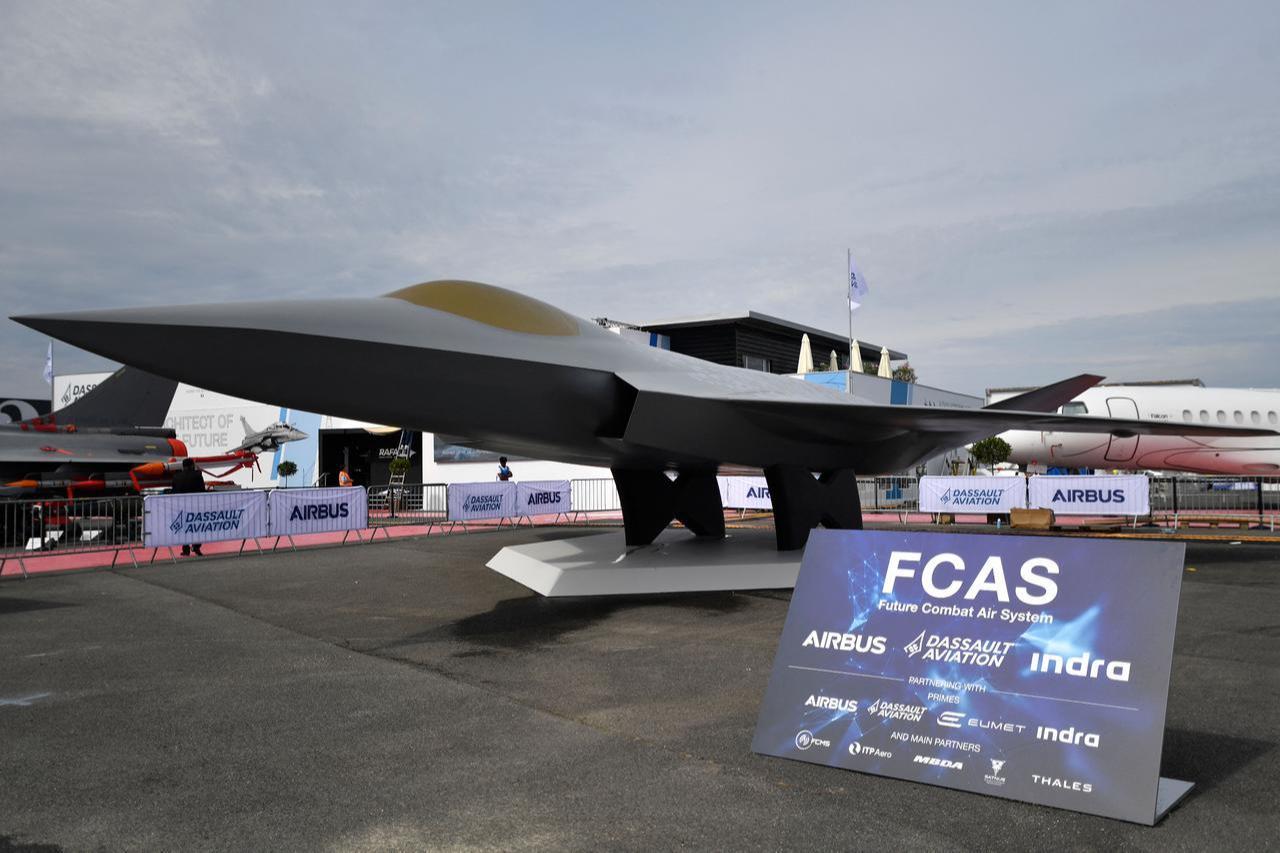
The approximately €100 billion ($117.8 billion) FCAS program was launched in 2017 to replace France's Rafale jet and the Eurofighter Typhoons used by Germany and Spain by around 2040.
But the scheme has stalled over persistent disagreements between France's Dassault Aviation and Airbus, which represents German and Spanish interests, regarding workshare, technology rights, and leadership.
France wants a jet capable of carrying nuclear weapons and operating from aircraft carriers—capabilities Germany says it does not currently need.
"On the next-generation fighter, there is a deadlock that is linked to expectations of the governance that differ between partners on what leadership means and what cooperation means," Faury said.
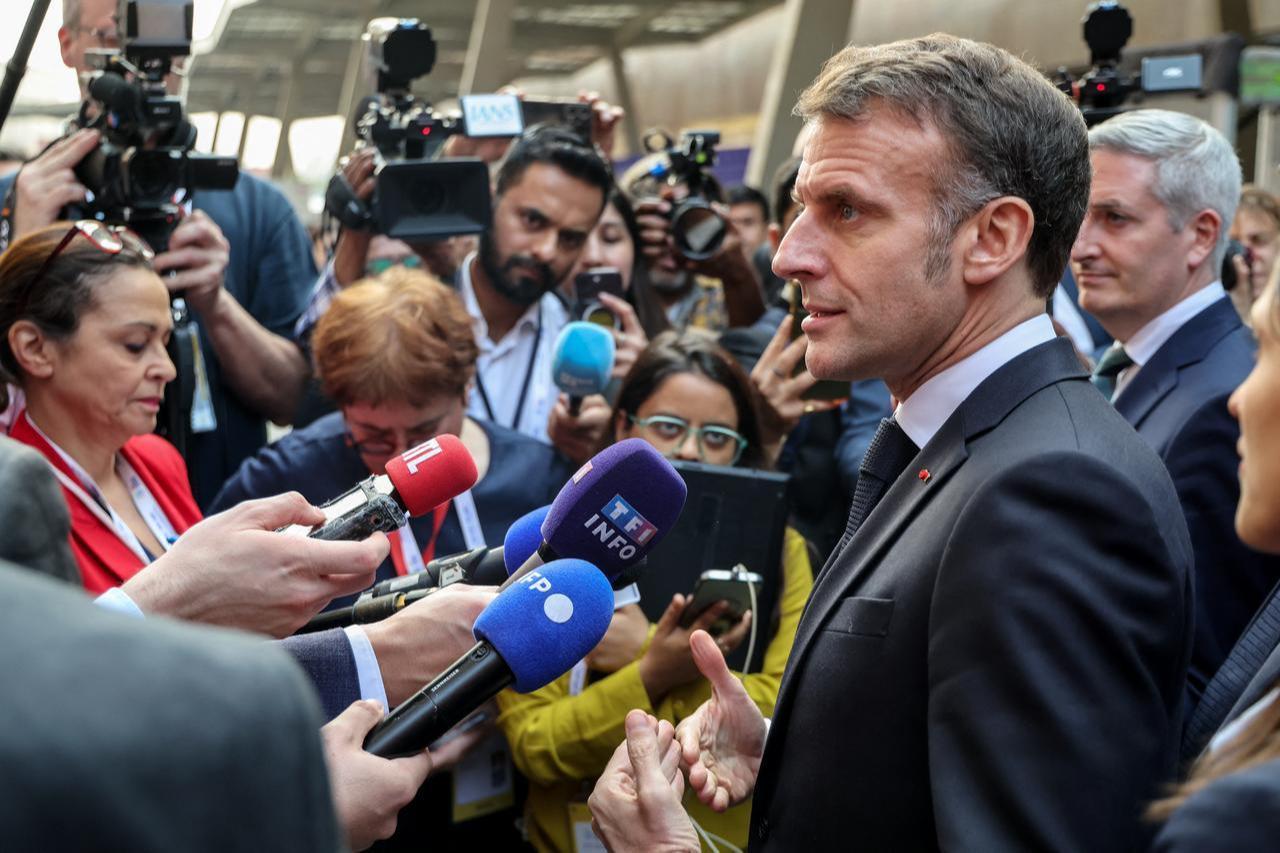
French President Emmanuel Macron maintained his position that Europeans should develop a single common fighter jet during a visit to India.
"We Europeans, if we understand the meaning of history, have an interest in standardizing, simplifying and therefore having a common model," Macron said.
"Is building more airplanes the best way to use money? We need a European standard," he added.
Macron acknowledged "bickering between companies" but argued this should not determine state strategy.
"We are talking about a generation of aircraft that will arrive after 2040-2050. Do we think the world will be simpler and less competitive? No," he said.
Macron's office recently stated that he remained "committed to the success of the FCAS project" and considered it "incomprehensible" that disagreements have not been overcome.
"Only President Macron still believes in it," a European source told Agence France-Presse (AFP).
The Airbus CEO also noted that other aspects of FCAS—including an interlinked drone swarm, combat cloud, and engine development—are "making good progress."
"We believe an ambition of this scale can only be delivered through cooperation, fostering operational interoperability and lifecycle synergies for European air forces," he said.
"Airbus could build a fighter alone if needed," Faury said, though most analysts consider that challenging.
Germany may seek partnerships with others, potentially Sweden's Saab or the Global Combat Air System (GCAP) program between Italy, Japan and the U.K.
Spain's defense ministry said the country "remains fully committed to the program based on the principles established by the countries in the framework agreement signed in 2019."
A political decision on the project's fate, initially due in December, is now anticipated at the end of February.


 Set as preferred source
 Set as preferred source


 2 min read
 1 min read