Newsletters


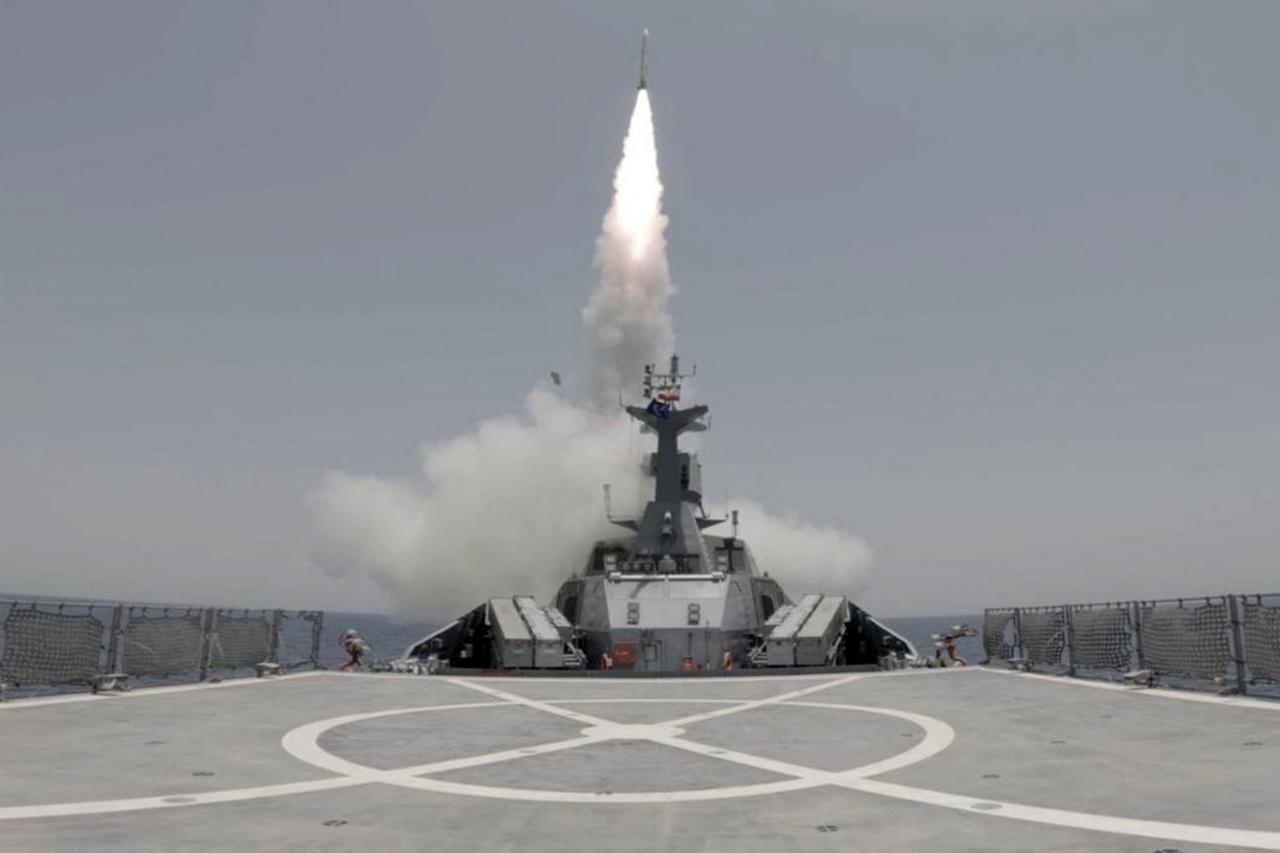


Iran issued aviation alerts on Saturday restricting parts of its airspace between 8,000 and 11,000 feet during scheduled military firing exercises in several provinces, while officials warned that any attack against the country would trigger a strong response.
According to notices released by Iran’s Civil Aviation Organization, military firing activities were scheduled for Feb. 24 in the eastern province of Kerman and the western province of Ilam. During these operations, airspace from ground level up to 11,000 feet was designated as hazardous and restricted for aviation use.
Additional exercises were planned across various parts of the country on Feb. 25, Feb. 28, Mar. 3 and Mar. 6, expanding the period during which flight operations could face disruptions or rerouting.
The move takes place as U.S. military activity increases in the region, after U.S. President Donald Trump said he was weighing limited strike options against Iran. Iranian officials have said even a limited strike would trigger a full response and could expand into a wider regional conflict.
Ibrahim Azizi, head of Iran’s parliament National Security and Foreign Policy Commission, said the country was prepared to respond to any military action.
"Iran is not a war instigator, but it is ready for war," Azizi said in a social media post, adding that "any action against Iran, regardless of its scale, will have regretful consequences. We will not surrender."
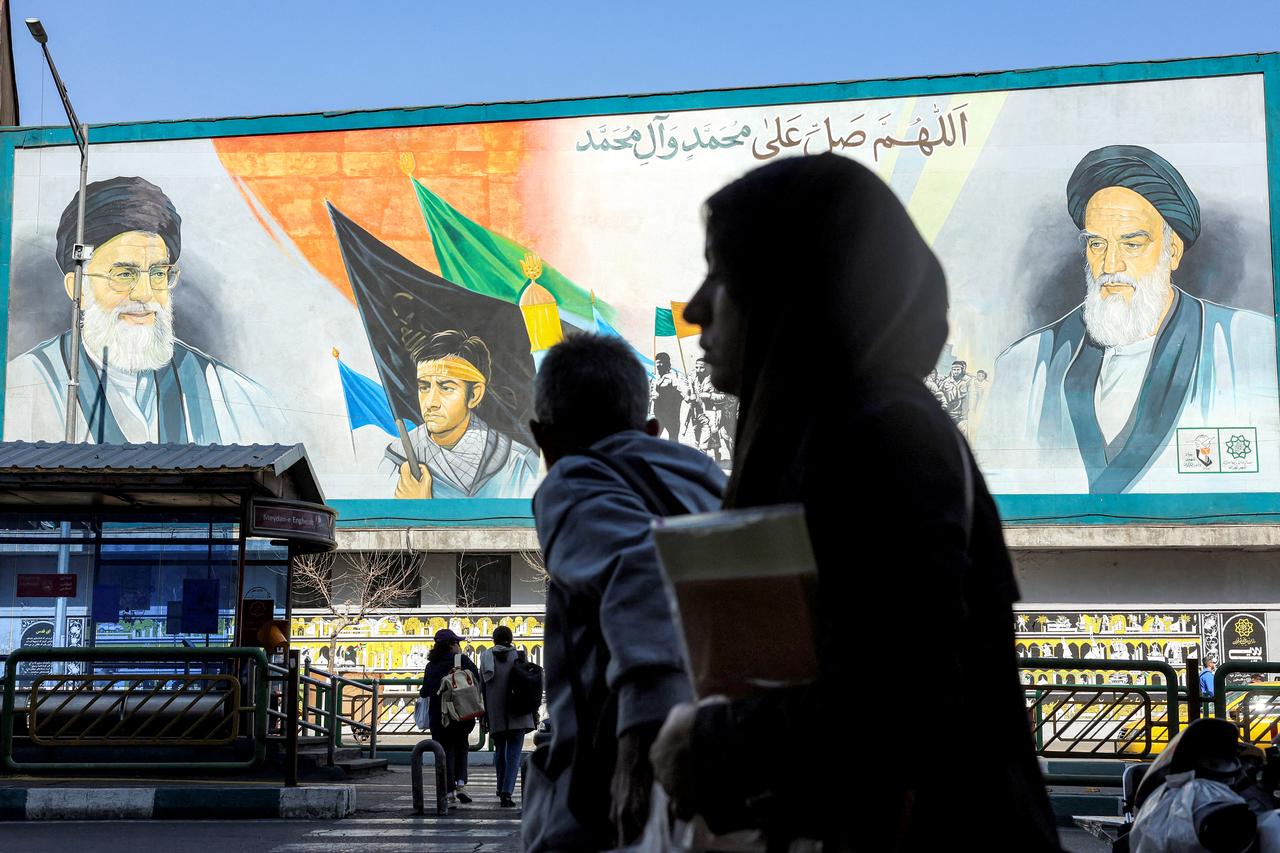

Separately, Iran said it had designated the naval and air forces of European Union member states as terrorist organizations, calling it a reciprocal step after the EU added Iran’s Islamic Revolutionary Guard Corps (IRGC) to its terrorism list.
The Council of the European Union had earlier imposed sanctions on the IRGC, freezing its assets in EU jurisdictions and banning financial support from EU individuals and companies. The measures also covered 13 individuals and 23 groups and entities linked to the organization.
Iran’s Foreign Ministry said the move followed the principle of reciprocity and described the EU’s decision as illegal and unjustified, further straining relations between Tehran and European capitals.
Iran’s parliament had already backed similar measures, and Iranian officials summoned EU ambassadors to protest the bloc’s decision.


 Set as preferred source
 Set as preferred source


 1 min read
 1 min read