Newsletters




Somewhere between a routine administrative clock-out and the fog of Middle East diplomacy, Washington managed to generate the kind of confusion it usually reserves for press briefings on Iran.
Kurdish nationalist accounts lit up social media yesterday with calls for a dedicated U.S. envoy for Kurdish affairs. Some commentators thought "a lot is going on."
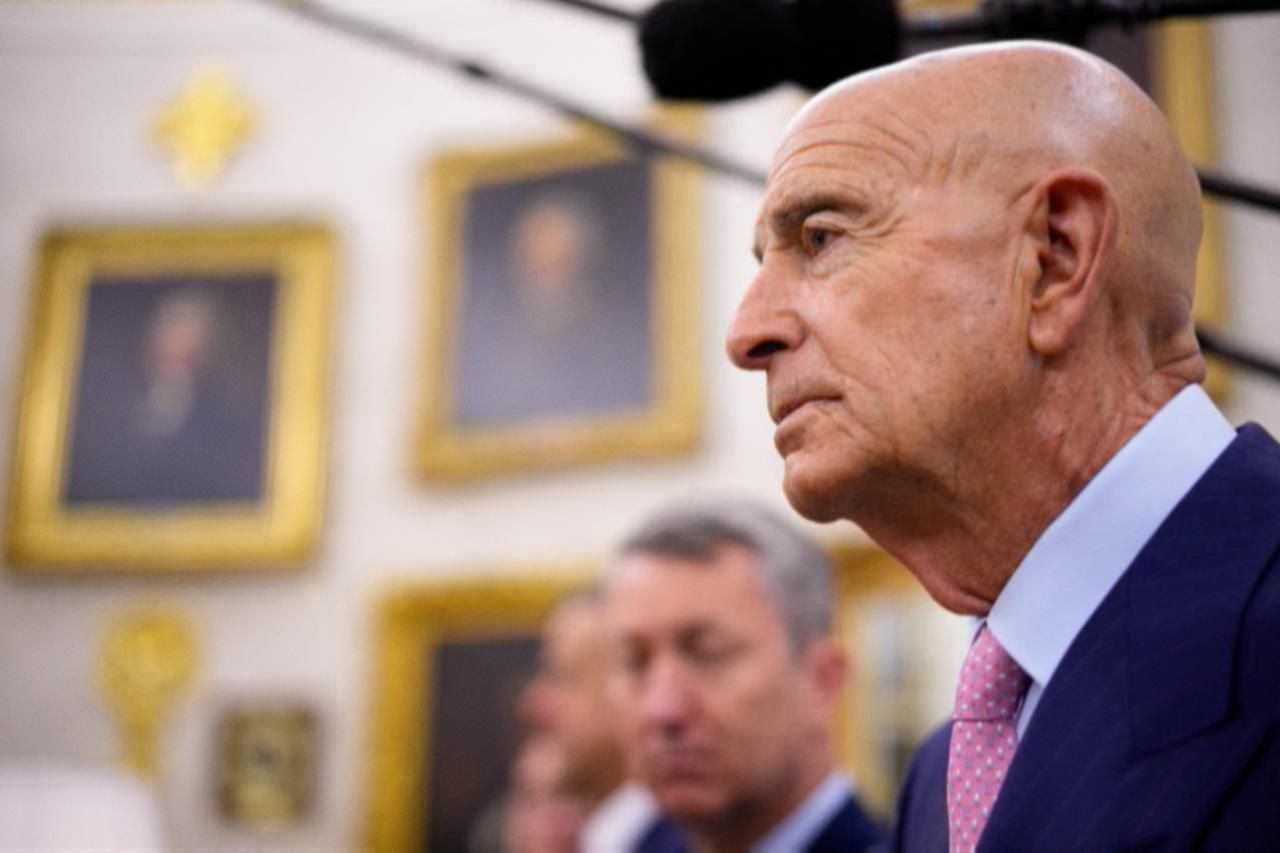
The cause of all this interpretive labor? Tom Barrack—billionaire, Trump confidant, U.S. Ambassador to Türkiye, and until recently Special Envoy to Syria—had his Syria title expire. A demotion, the wishful thinking went. A sign that Washington was reconsidering its Syria policy.
It was none of those things.
 1 min read
Marco Rubio was direct about it. "Ambassador Tom Barrack has played an invaluable role as our Special Envoy to Syria," the Secretary of State posted on X.
While that title is expiring, "he will continue to play a leading role for the Trump Administration in both Syria and Iraq, where his expertise, relationships and understanding of the American First agenda will continue to deliver wins on behalf of our great country."
Just hours after, a second post reinforced the point further: "Barrack remains the administration's lead on Syria, Iraq, and Türkiye. He is, in Rubio's phrasing, "an indispensable member of the President's team" who carries the Secretary's "full confidence" and "the full backing of the State Department."
The explanation for what actually happened is considerably more prosaic and, quite simply, more Washington.
Randa Slim, Distinguished Fellow and Program Lead at the Stimson Center's Middle East Program, cut through the noise with precision. "It is not restructuring," she told Türkiye Today.
"In the FY2022 NDAA, Congress placed time limitations on appointments to Special Envoy positions that have not received advice and consent of the Senate."
Barrack was never Senate-confirmed for the Syria role—he was confirmed only as Ambassador to Türkiye—which meant the congressional clock was always running. What expired was a legislative mandate, not a political one.
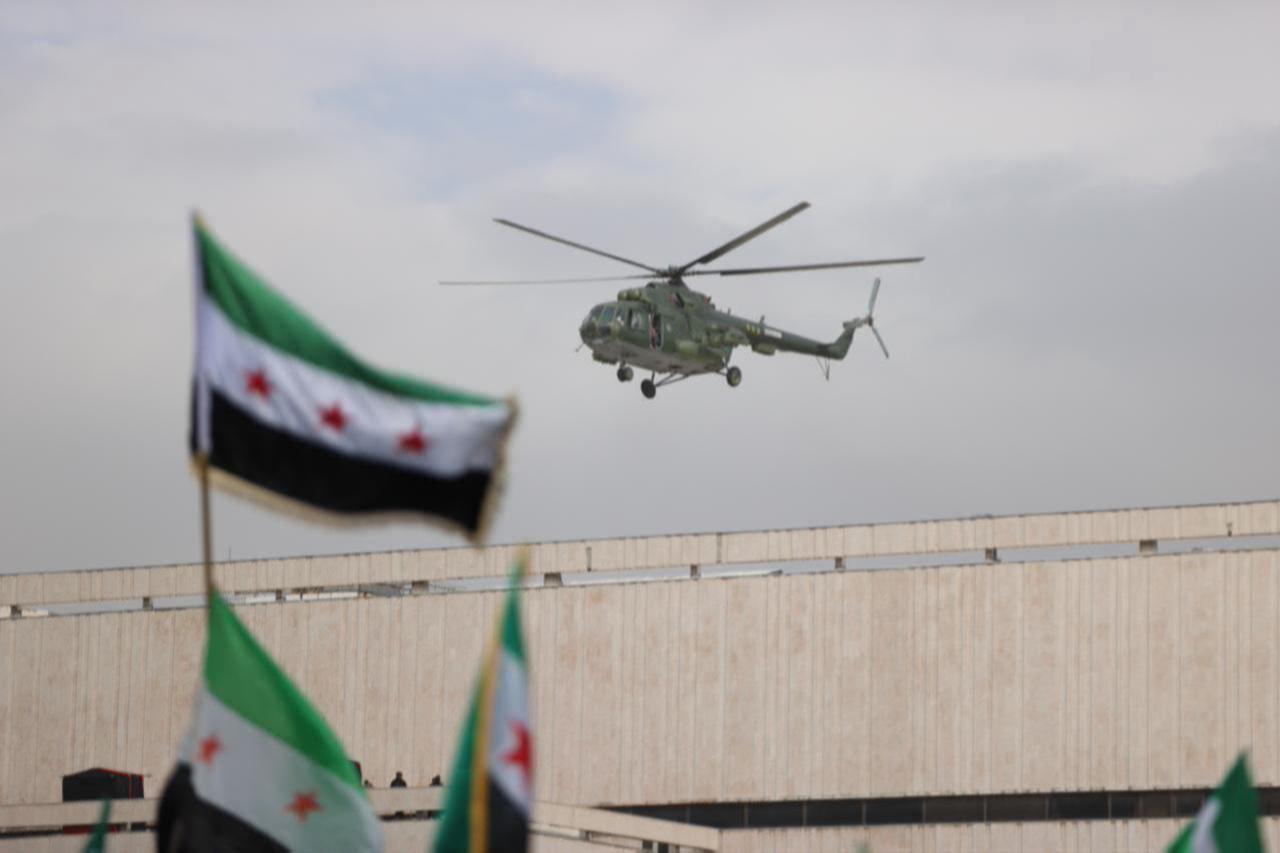

Slim's second observation is the more interesting one: "The question to ask is: Will the administration appoint another Syria envoy? Or will we move to appoint an ambassador? We still do not have an ambassador to Syria because the role of coordinating between the USG and the administration would be part of the U.S. ambassador's tasks if we had one in place in Damascus. So this might be the administration's next move."
That is a thread worth pulling.
The United States has been without a resident ambassador in Damascus since Robert Ford departed in 2014, an absence that has functioned less as a principled stance and more as a structural gap that special envoys were periodically dropped into to patch.
Barrack was the most prominent of these patches, arriving in May 2025 to shepherd Washington's pivot toward Ahmed al-Sharaa's transitional government and to manage what the administration has framed, without apparent irony, as a Syrian "laboratory" for regional reconstruction.
His record in that laboratory is a study in contradictions. On the policy ledger, the wins are real enough: he oversaw significant movement on the sanctions file, pushing for the easing of the heavy economic restrictions that had strangled Damascus since the civil war years, and coordinated counter-Daesh operations alongside regional partners, including Türkiye and the Gulf states. He raised capital from sovereign funds in the Gulf and worked to embed Syria into the emerging architecture of Gulf-backed regional economic integration.
Nanar Hawach, senior Syria analyst at the International Crisis Group, sees little reason to expect a fundamental shift. "The expiry changes little in practice, because he was already coordinating those three files together before it lapsed," he told Al Jazeera.
"By keeping him in place without naming a successor, Washington signals it wants continuity and his existing access rather than a reset on Syria."
Gonul Tol, a senior fellow at the Middle East Institute (MEI), told Turkish media that Ambassador Barrack's value to this administration was always relational. He has "the Trump ear", Emirati phone numbers, the Gulf sovereign wealth fund connections, and the Erdogan access. A title is a convenience, and the network is the job.
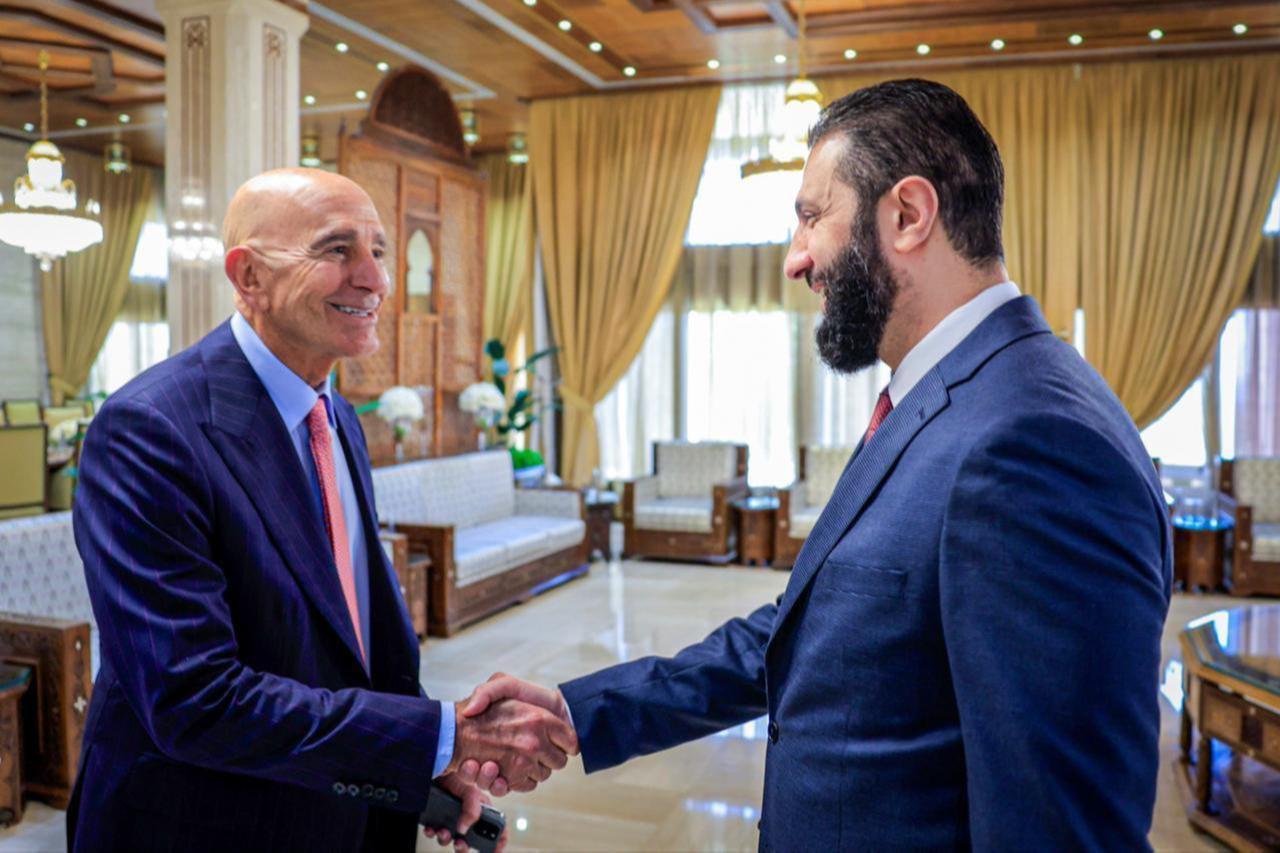
Which brings us back to Slim's question, the one that actually matters: what comes next on the formal structure? As she noted, "this might be the administration's next move"—an ambassador to Damascus, the first since Ford, whose presence would give the Syria coordination function a proper institutional home and free Barrack to operate at the strategic level across the three-country portfolio he has effectively been running anyway.
It would be a significant step.
An ambassador to Syria implies a degree of normalization and permanence that a rotating cast of special envoys deliberately avoids. It would also, paradoxically, consolidate rather than diminish Barrack's regional weight: if a Damascus embassy is the next move, someone will have laid the groundwork for it. That someone, for the past year, has been him.


 Set as preferred source
 Set as preferred source


 1 min read