Newsletters


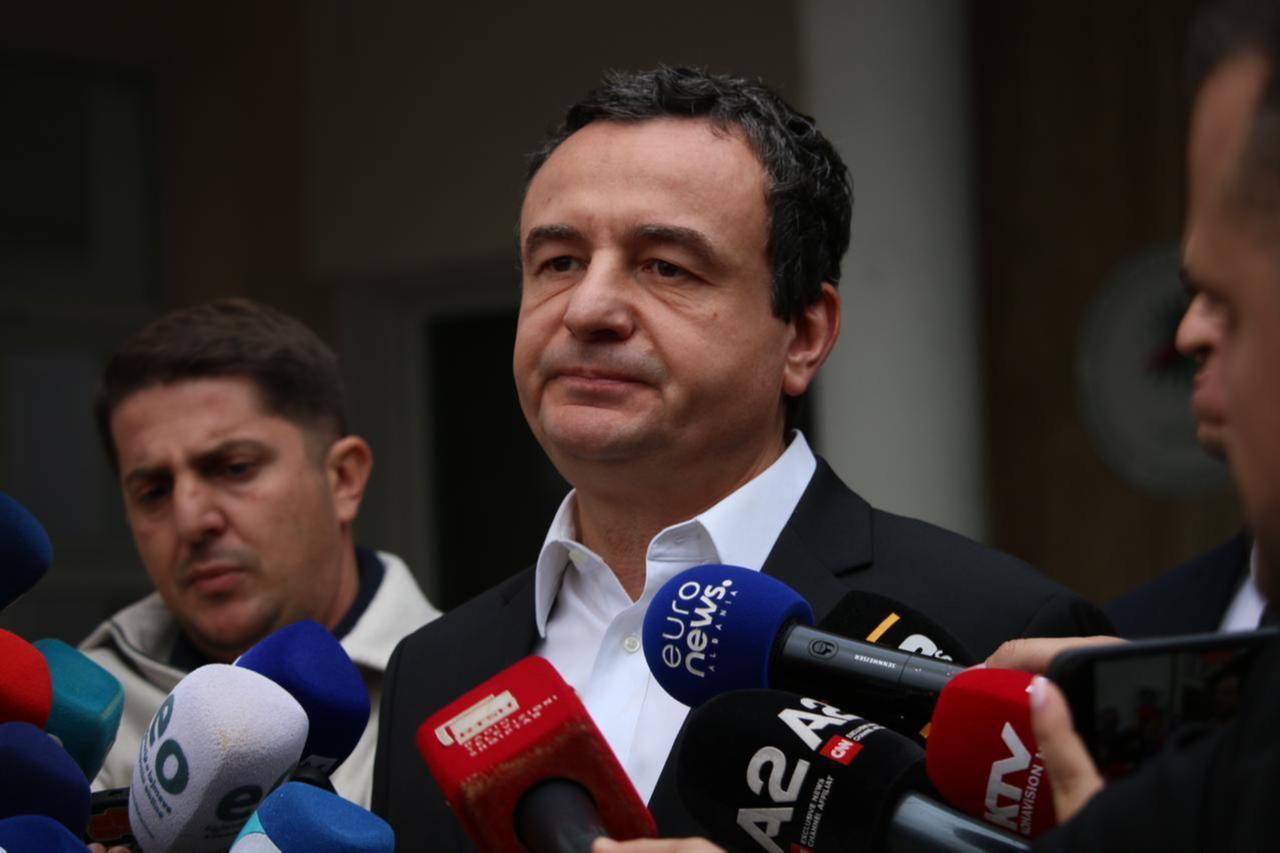


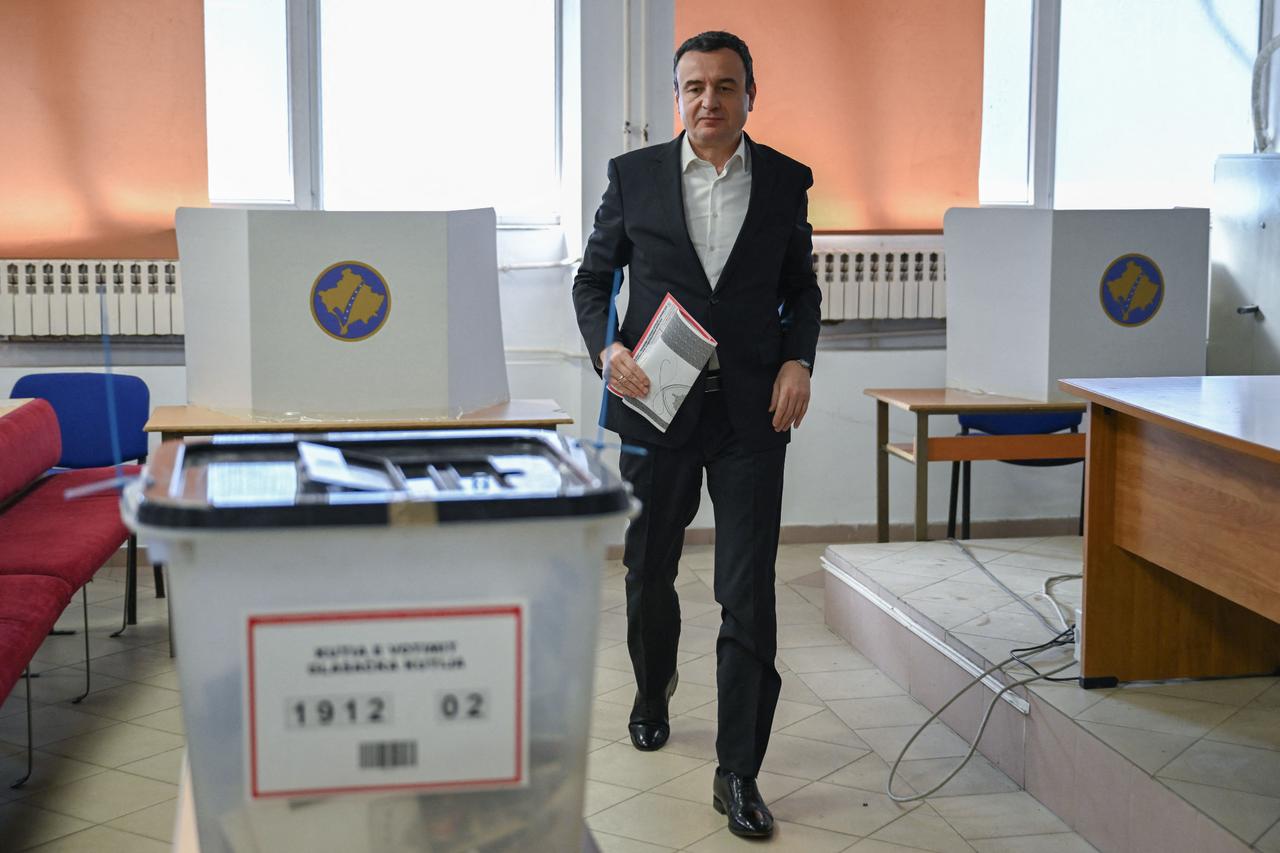
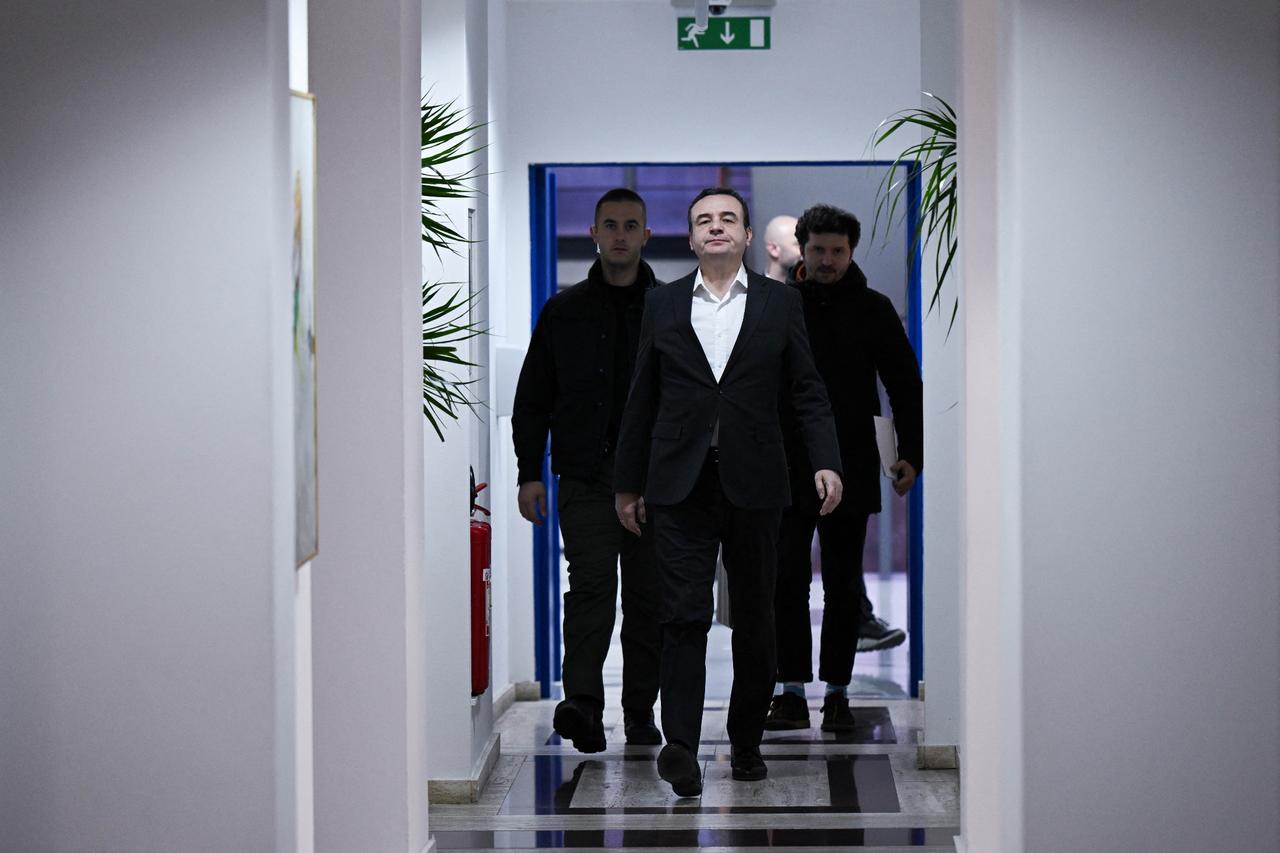
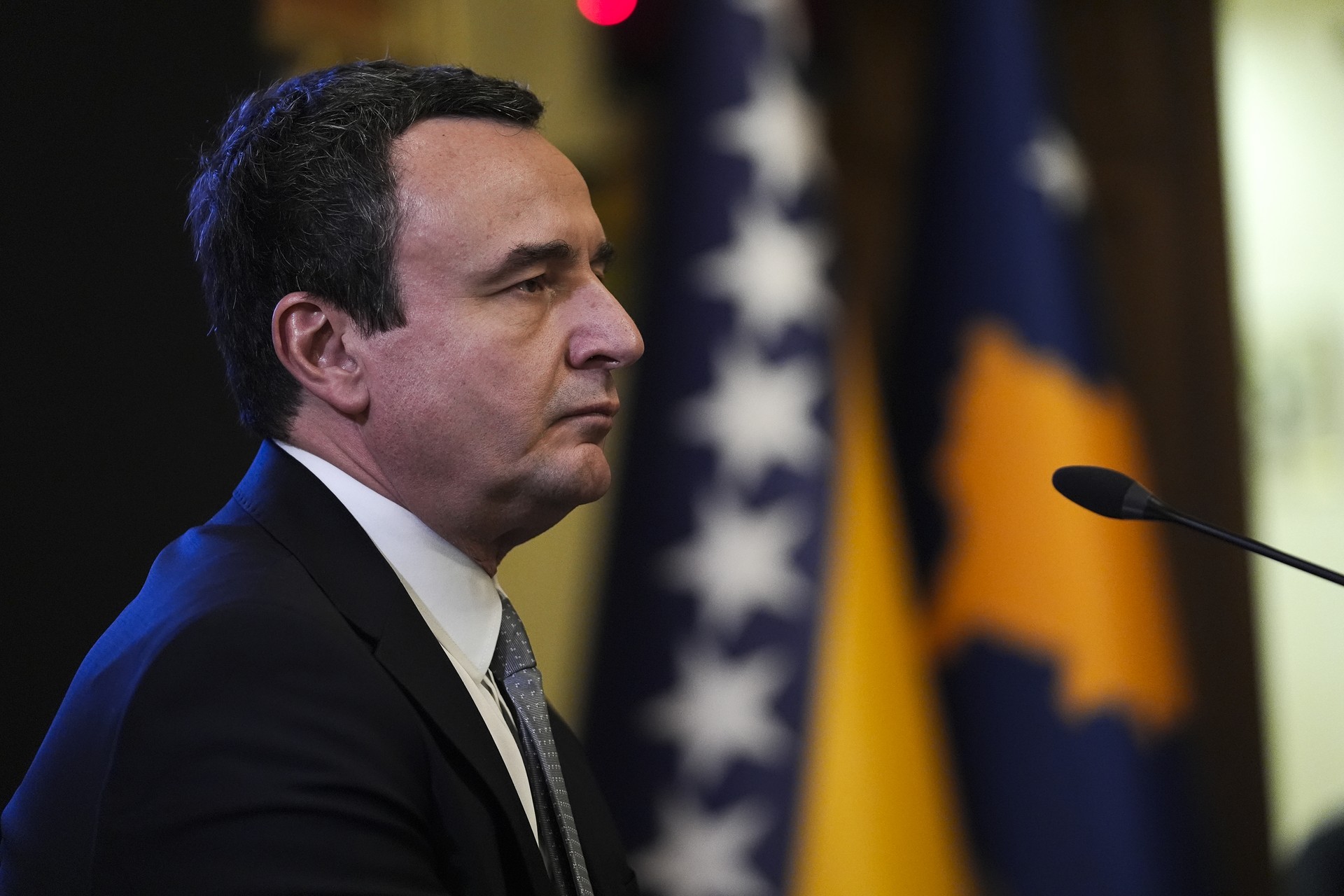
Kosovo's nationalist Vetevendosje party has won approximately half the vote in Sunday's parliamentary elections, positioning leader Albin Kurti to form a new government and end nearly a year of political deadlock that has cost the Balkan nation hundreds of millions of euros in international funding.
With 99% of votes counted, Vetevendosje—which means "self-determination" in Albanian—captured 49.3% to 50.8% of the vote, according to preliminary results.
The center-right Democratic Party of Kosovo trailed with roughly 21%, while the Democratic League of Kosovo secured approximately 14%.
The decisive victory marks Vetevendosje's fourth consecutive parliamentary election win and vindicates Kurti after opposition parties blocked his attempts to form a government following February's inconclusive vote.
Kosovo has been without a functioning parliament since then, preventing ratification of critical loan agreements and delaying the appointment of a new president.
"Once the results are certified, we should swiftly constitute the parliament and then immediately form a new government," Kurti told supporters at party headquarters. "We don't have time to lose, and we should move forward as fast as we can together."
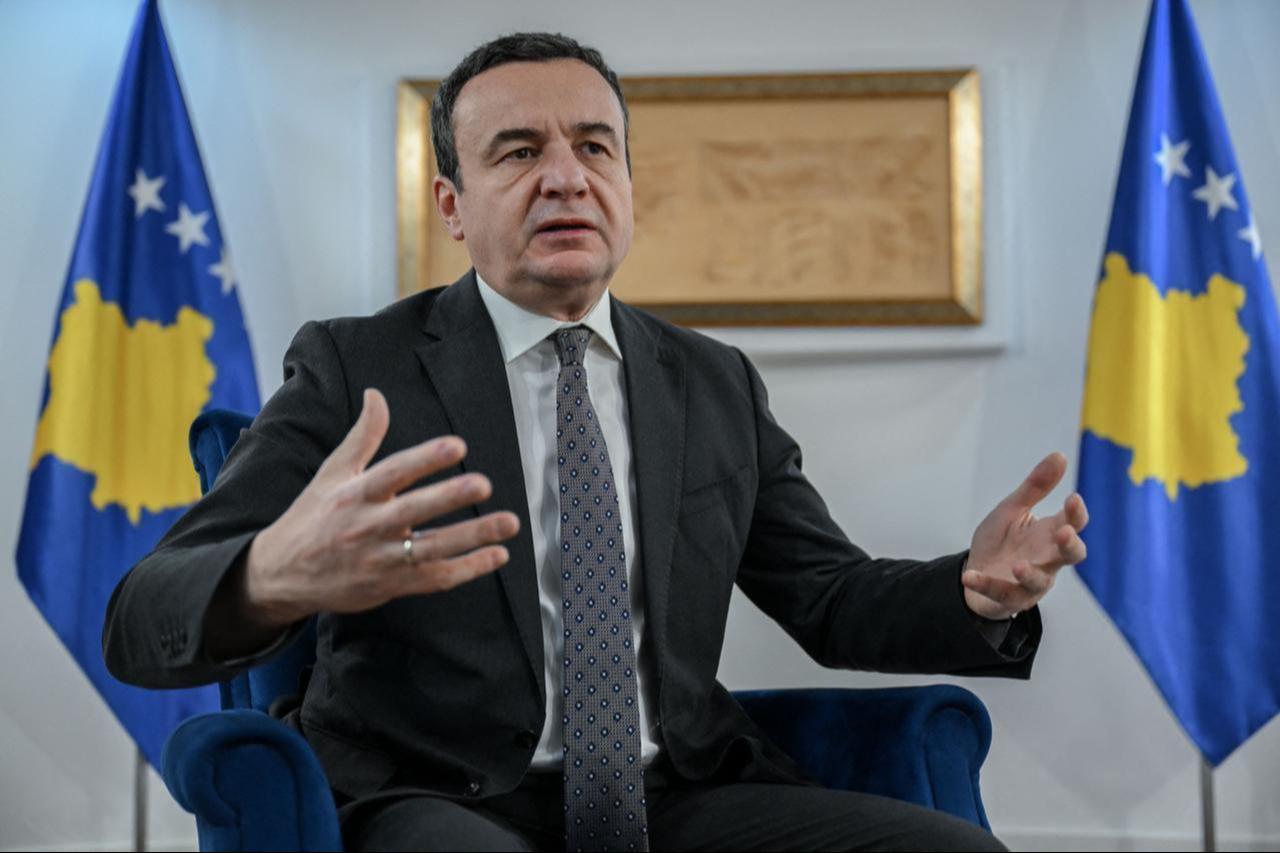

While the results fall short of an outright majority in the 120-seat National Assembly, analysts say Kurti should easily secure the 61 seats needed to govern by partnering with ethnic minority parties, which hold 20 guaranteed seats.
Ismet Kryeziu of the Kosovo Democratic Institute think tank said Kurti needs only a few votes from Albanian or minority parties to form a cabinet. Conditional votes and ballots from Kosovo's diaspora in Western Europe have not yet been counted, which could slightly alter the final tally.
In a potential shift from the acrimonious post-February stalemate, third-placed Democratic League politician Arben Gashi signaled possible cooperation. "When voters speak, the result cannot be ignored," he wrote on social media. "Reflection and responsible action are required."
Kurti supporters celebrated in Pristina's streets despite minus 3 Celsius temperatures (26.6 degrees Fahrenheit), waving party flags as fireworks illuminated the night sky. Turnout reached 45%.
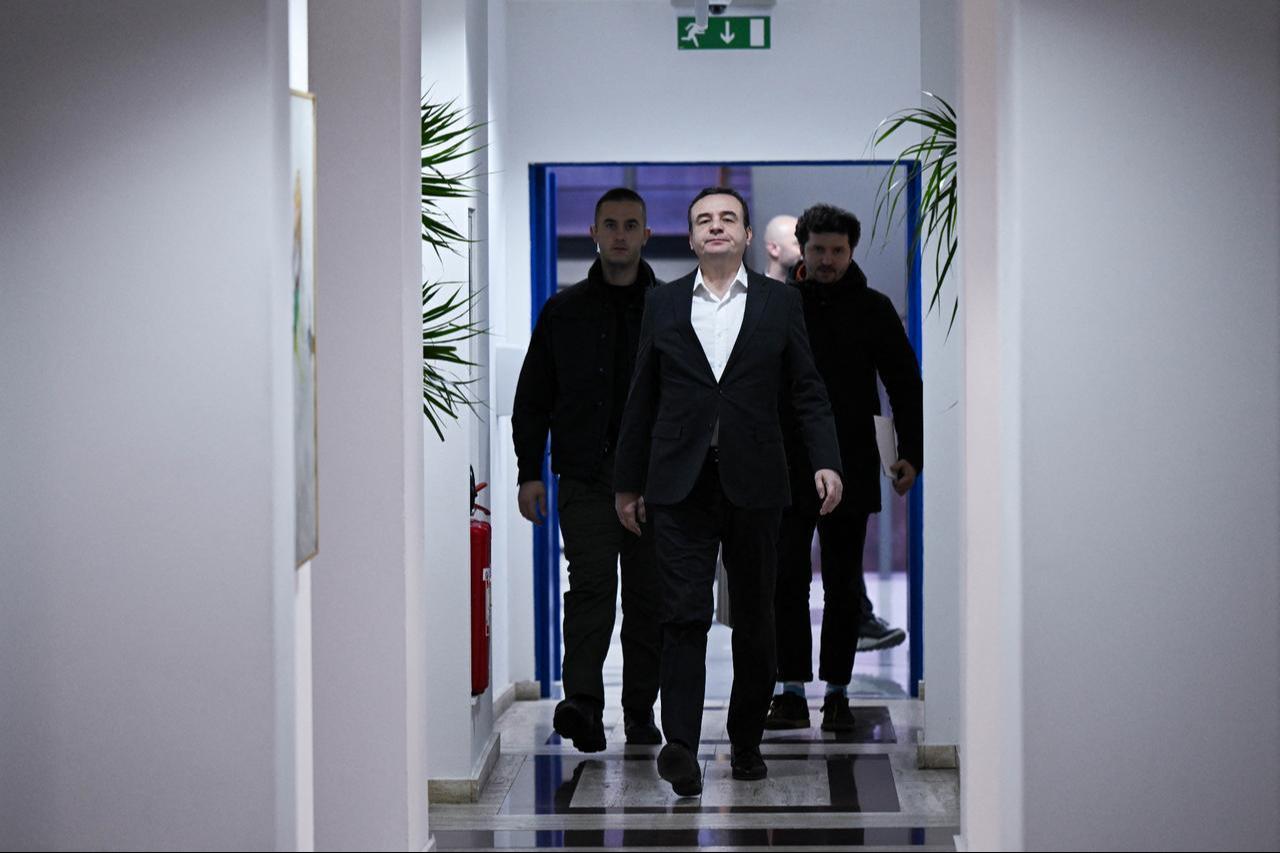
The prolonged political crisis has frozen access to approximately €1 billion in loan agreements from the European Union and World Bank that expire in the coming months.
Lawmakers must also elect a new president in April, and the government formation delay has prevented Kosovo from accessing hundreds of millions of euros in EU funds.
Kurti called the victory "the greatest in the history of the country" and appealed to opposition parties to support international loan deals, which require a two-thirds parliamentary majority.
The election result reflects voters' dissatisfaction with alternatives despite what analyst Artan Muhaxhiri described as Vetevendosje's "countless violations of the constitution, the lack of economic development and the breakdown of relations with allies." Muhaxhiri concluded that "despite all the shortcomings, citizens have considered the opposition to be more harmful."
Parties connected to the Kosovo Liberation Army dominated the government in the decade following Kosovo's 2008 unilateral declaration of independence from Serbia, but failed to deliver promised prosperity. Kurti's tenure, which began in 2021, marked the first time a Pristina government completed a full term.
Kurti's confrontational approach toward Kosovo's Serb minority and strained relations with Western backers remain significant challenges.
His government repeatedly targeted institutions serving the Serb minority in northern Kosovo—including post offices and healthcare facilities—angering Brussels and Washington and escalating tensions in majority-Serb areas.
The EU imposed punitive measures on Kosovo in 2023 following these actions but agreed this month to lift sanctions after ethnic Serb mayors were elected in northern municipalities. The sanctions likely cost Kosovo hundreds of millions of euros.
International supporters will pressure Kurti to adopt a more pragmatic stance in long-stalled normalization dialogue with Serbia, though his frosty relationship with Serbian President Aleksandar Vucic suggests limited prospects for a breakthrough.
Kosovo declared independence with U.S. backing, including a 1999 NATO bombing campaign against Serbian forces attempting to crush an uprising by the 90% ethnic Albanian majority.
Despite international support, the country of 1.6 million has struggled with poverty, instability, and organized crime.
During the campaign, Kurti pledged an additional month's salary annually for public sector workers, 1 billion euros per year in capital investment, and a new prosecution unit to combat organized crime.


 Set as preferred source
 Set as preferred source


 1 min read
 1 min read