Newsletters


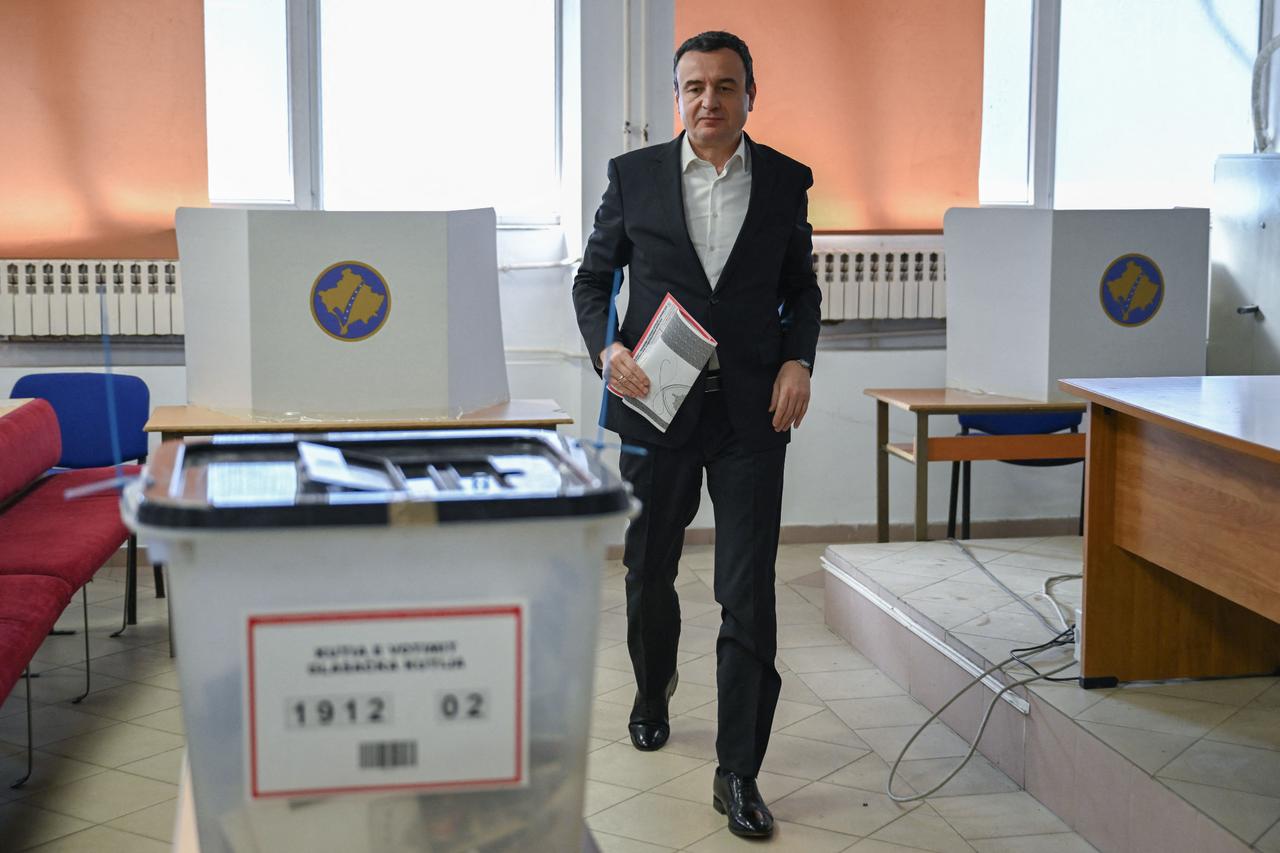


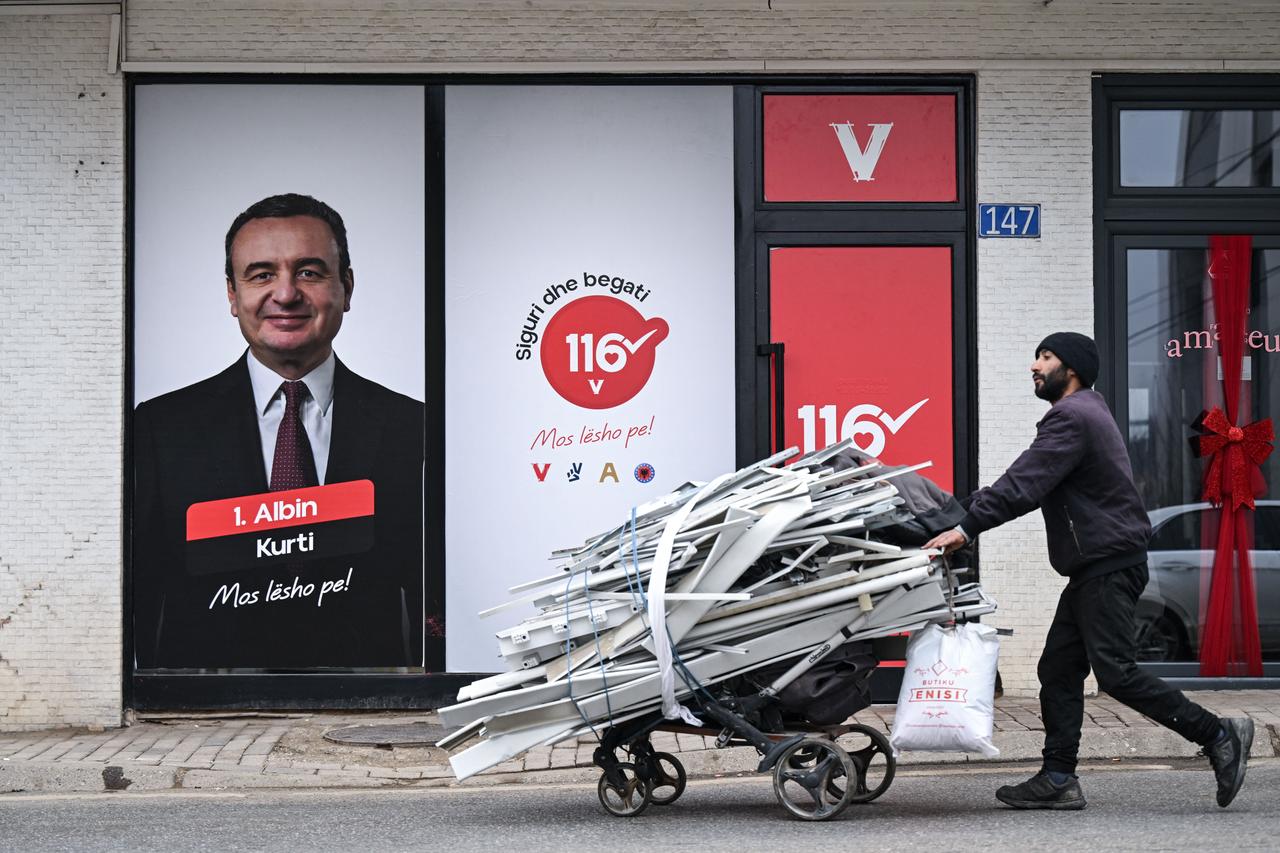
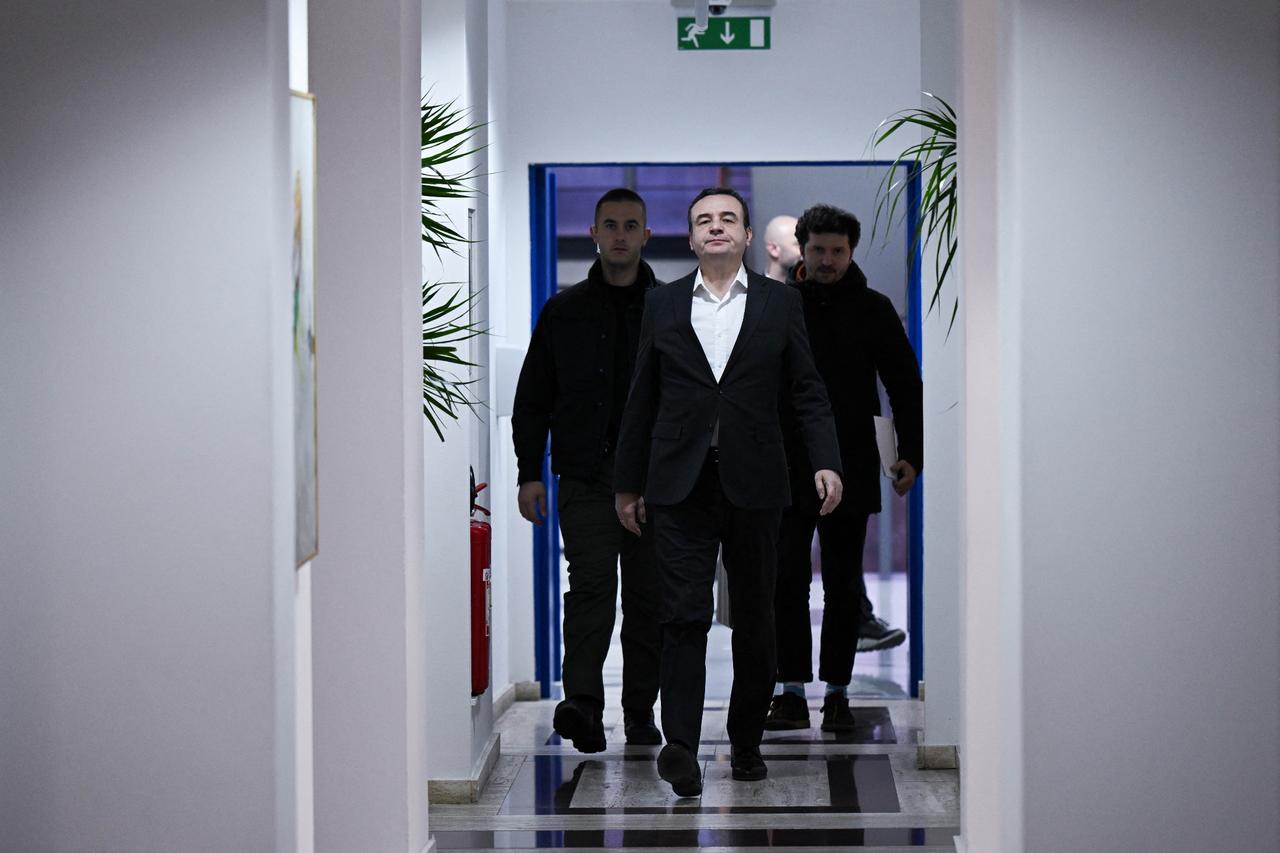
Voting in Kosovo’s parliamentary elections closed Sunday with exit polls suggesting caretaker Prime Minister Albin Kurti’s Vetevendosje (VV) party was leading but falling short of the majority needed to end a yearlong political stalemate.
According to an exit poll by TV Klan Kosova, VV is projected to win 44.1% of the vote, followed by the Democratic Party of Kosovo (PDK) with 23.9% and the Democratic League of Kosovo (LDK) with 16.1%. Broadcaster T7 put VV at 43.5%, with other exit polls showing similar results.
The figures suggest VV could secure around 50 of the 120 seats in parliament, not enough to govern alone.
The vote was Kosovo’s second parliamentary election this year, after VV won the February 9 ballot with 42% but failed to form a governing coalition.
Months of deadlock followed, during which lawmakers struggled to even elect a parliamentary speaker. In November, President Vjosa Osmani dissolved parliament and called early elections in hopes of breaking the impasse.
That outcome now appears unlikely.
“The voters did not offer a solution or a way out of the crisis,” independent observer Dukagjin Gorani told local media. “I expect the same situation after the elections,” said Pristina economist Arben Xhelili, 42.
Another failure to form a government would prolong instability at a critical moment. Lawmakers must elect a new president in April and ratify nearly €1 billion ($1.2 billion) in loans from the European Union and World Bank that risk expiring in coming months.
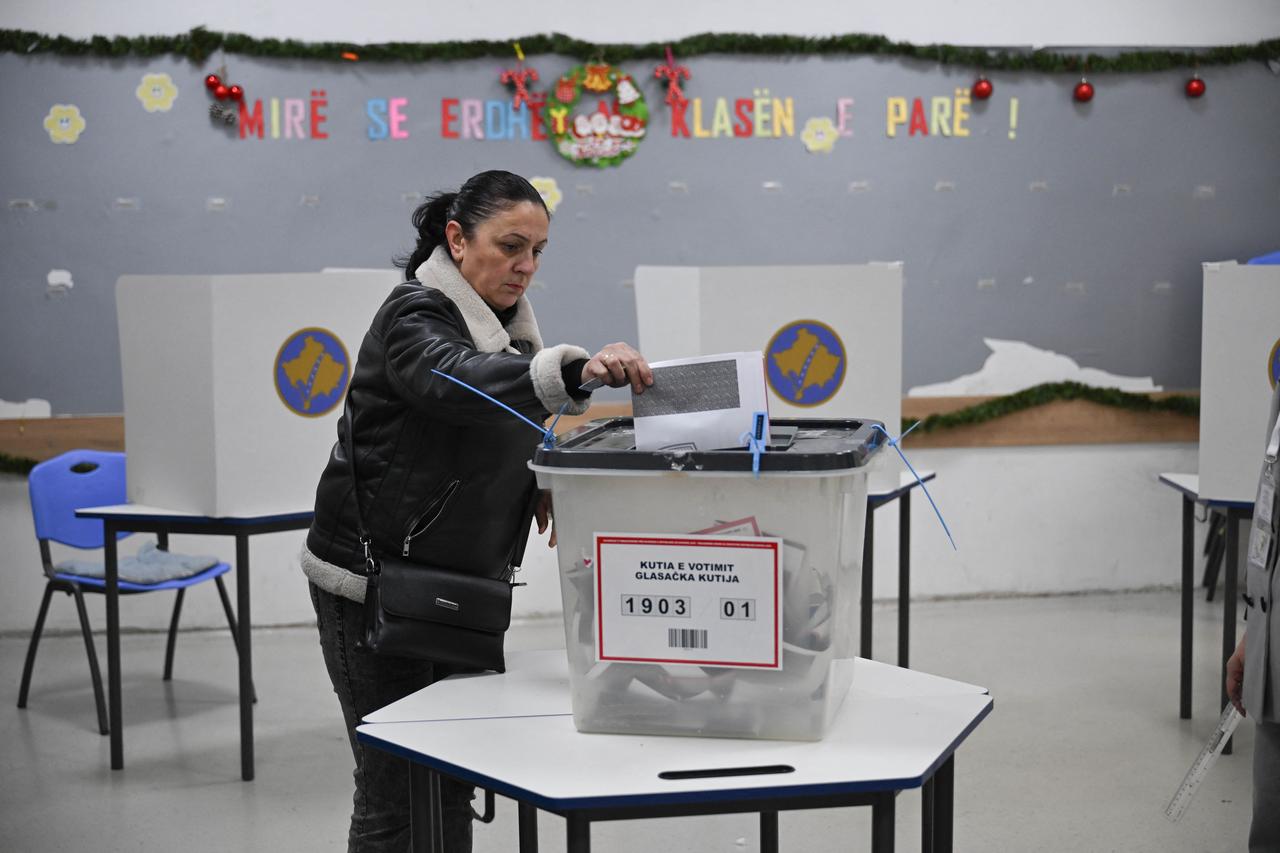

Opposition parties have repeatedly ruled out governing with Kurti, criticizing his strained relations with Western allies and his handling of Kosovo’s Serb-majority north. Kurti, in turn, has blamed rivals for blocking government formation.
VV’s failure to secure a majority mirrors February’s result and threatens to keep one of Europe’s poorest countries locked in paralysis, with key institutions unable to function and foreign funding frozen.
Kurti pledged after voting Sunday to move quickly.
“Once the election result is known, we will do everything we can to constitute parliament as soon as possible and proceed with forming a new government,” he said.
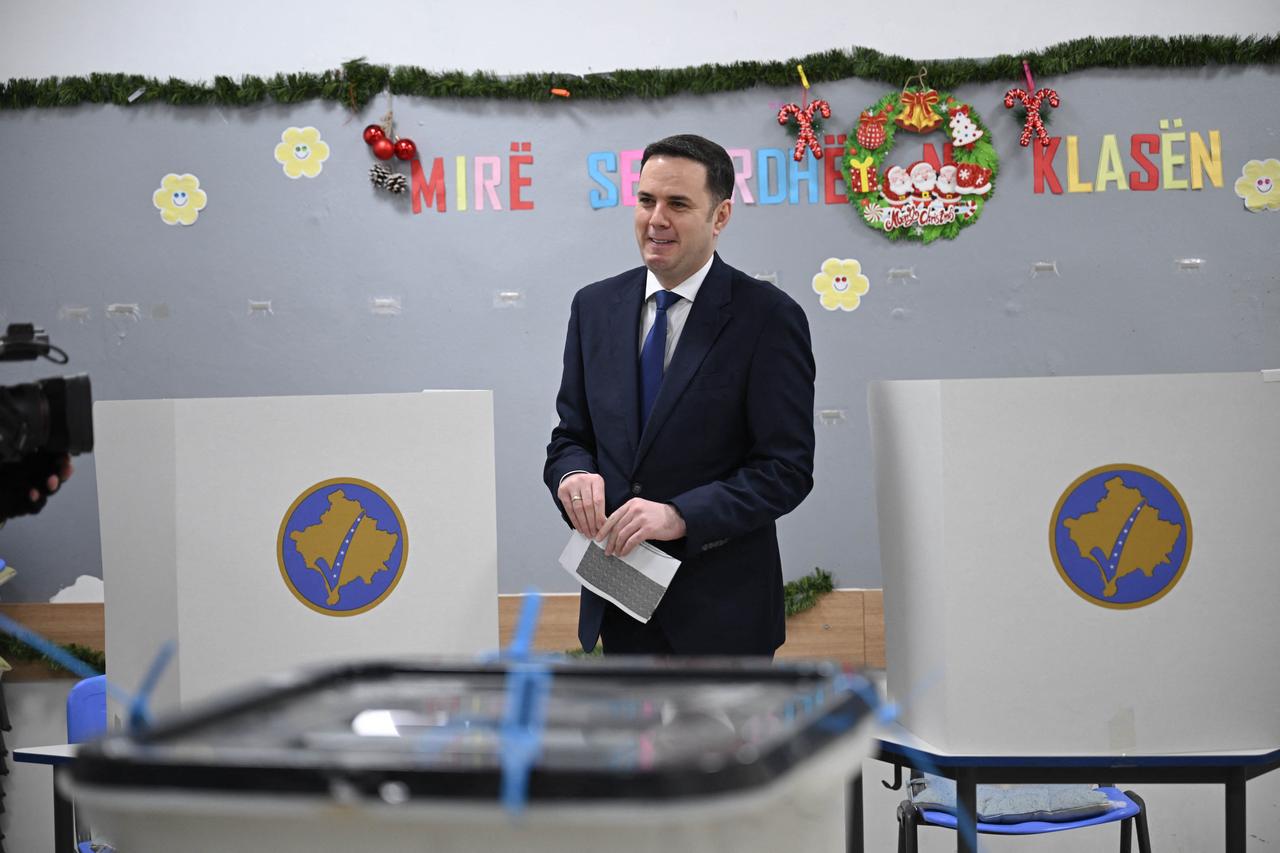
Unlike previous elections dominated by relations with Serbia, this campaign focused heavily on the economy.
Kurti promised an extra month’s salary annually for public-sector workers, €1 billion a year in capital investment and a new prosecution unit to fight organized crime. He also pledged €100 payments to pensioners and families with young children.
Opposition parties dismissed the pledges as “electoral corruption,” while campaigning on living standards and attacking the government’s record.
“Whoever wins should work harder for the economy,” said pensioner Arefik Mexhmejli, 66, outside a polling station in Pristina.
About 45% of eligible voters cast ballots, up from 40.6% in February. More than two million people were eligible to vote, including tens of thousands registered abroad.
Voters also elected representatives for 20 seats reserved for minorities: 10 for Serbs, four for Roma, Ashkali and Balkan Egyptians, three for Bosniaks, two for Turks and one for Gorani.
Kosovo declared independence from Serbia in 2008 with U.S. backing. Despite international support, the country of 1.6 million has struggled with poverty, political instability and organized crime.
Kurti's tenure, which began in 2021, remains the only full mandate completed by a Kosovo government since independence.


 Set as preferred source
 Set as preferred source


 2 min read

 1 min read